


Top skin renewal tips for 2026: Science-backed rejuvenation
TL;DR:
- Modern skincare emphasizes deep cellular repair and targeting aging sources, not just surface symptoms.
- Advanced therapies like biostimulators, exosomes, and structured protocols promote long-term regeneration.
- Topical ingredients supporting barrier health, hydration, and mitochondrial function are essential for lasting skin vitality.
If you’ve cycled through retinols, vitamin C serums, and every “miracle” cream on the market only to feel like your skin is treading water, you’re not alone. Adults over 30 are increasingly frustrated with surface-level fixes that promise transformation but deliver minimal change. The reason is straightforward: most traditional anti-aging products work on symptoms, not sources. The science of skin renewal has fundamentally shifted in 2026, and what’s now driving real, lasting results is deep cellular repair. This article breaks down the most effective, evidence-backed strategies for regenerative skin renewal available right now.
Table of Contents
- Prioritize skin health: Shift from anti-aging to cellular longevity
- Powerful renewal therapies: Biostimulators, exosomes, and cellular actives
- Smart topical actives: Peptides, serums, and regenerative creams
- Microbiome and mitochondria: The overlooked keys to skin vitality
- Why the path to youthful skin in 2026 isn’t about chasing every new trend
- Upgrade your skin renewal with science-backed solutions
- Frequently asked questions
Key Takeaways
| Point | Details |
|---|---|
| Cellular longevity focus | Prioritize skin health by addressing cellular repair and senescence for youthful results that last. |
| Advanced treatment options | Biostimulators, exosome therapy, and barrier-activating protocols deliver measurable improvements in hydration and resilience. |
| Smart ingredient selection | Opt for science-backed actives such as peptides, niacinamide, and regenerative creams to target dryness and roughness. |
| Microbiome and mitochondria support | Nurture both for complete, inside-out skin renewal and lasting radiance. |
Prioritize skin health: Shift from anti-aging to cellular longevity
To truly upgrade your skincare game, start by understanding this pivotal change in approach. For decades, anti-aging skincare was built around a simple formula: hide wrinkles, firm the surface, and add moisture. It worked well enough to sell products, but not well enough to change skin at any meaningful depth. The new science-first framework targets something far more powerful: cellular longevity.
The concept centers on cellular senescence, which refers to the point at which skin cells stop dividing and start secreting inflammatory signals that degrade surrounding tissue. Senescent cells accumulate with age, weakening collagen networks, thinning the dermis, and disrupting the skin’s natural repair cycle. When you target senescence instead of just wrinkles, you address the root mechanism of aging skin.
This is why cellular repair matters so much more than moisturizing alone. Before any advanced treatment can work, the skin barrier has to be functioning. A compromised barrier means active ingredients leak out and irritants leak in, which creates a loop of inflammation that accelerates aging. Solid skin barrier repair is the prerequisite, not the afterthought.
The industry is catching on. The shift toward skin longevity, focused on cellular activation and senescence reduction, is now considered the defining move in advanced skincare for 2026. Here’s what that shift looks like in practice:
- Stop treating aging as something to conceal and start treating it as something to reverse at the source
- Prioritize reducing chronic, low-grade skin inflammation before adding actives
- Repair the skin barrier first so that subsequent treatments actually penetrate and perform
- Choose ingredients and therapies that stimulate the skin’s own regenerative pathways
“The goal is no longer to look younger. It’s to make the skin biologically younger.” This distinction drives every meaningful advancement in 2026 skincare science.
Pro Tip: Before adding any new active serum to your routine, spend two to three weeks exclusively using a gentle barrier-repair regimen. This primes the skin to absorb and respond to more targeted treatments without triggering reactive inflammation.
Powerful renewal therapies: Biostimulators, exosomes, and cellular actives
Once you understand the new science-first mindset, here’s what actually works for next-level renewal. The most significant clinical advances in skin regeneration are happening in three areas: biostimulators, exosome therapies, and structured skin activation programs. Each targets aging through a different but complementary mechanism.
Biostimulators vs. fillers
Biostimulators like Sculptra and Julaine use poly-L-lactic acid to trigger the skin’s own collagen production, producing gradual, natural-looking regeneration that lasts longer than traditional fillers. Fillers replace lost volume instantly, but they do nothing to improve the skin’s biological capacity to regenerate. Biostimulators train the skin to rebuild itself.
| Feature | Biostimulators | Dermal fillers |
|---|---|---|
| Mechanism | Triggers collagen production | Replaces lost volume directly |
| Duration | 2+ years | 6 to 18 months |
| Longevity benefit | High | Low |
| Skin health improvement | Yes | Minimal |
Exosome therapies
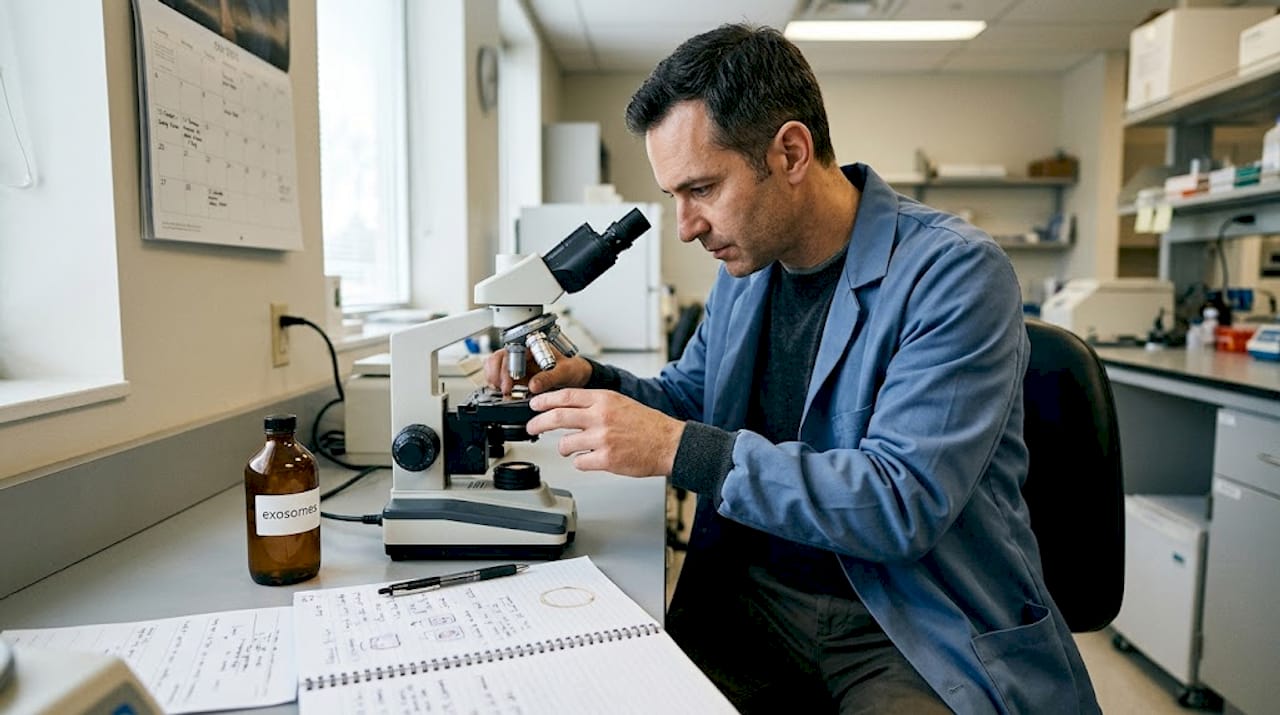
Exosomes are nano-sized vesicles that carry signals between cells. Autologous MCT exosomes stimulate collagen production, reduce inflammatory markers, and restore radiance by improving cell-to-cell communication at the dermal level. Research shows that platelet exosomes reduce senescence and restore youthful cell signaling patterns. This makes them especially powerful for adults who are already showing signs of biological skin aging.
Skin activation programs
Large-scale clinical data is backing up what specialists have observed anecdotally. In a 400-participant study, structured skin activation protocols produced a 20 to 40% TEWL reduction, an 80% increase in hydration, a 5% rise in skin thickness, and an 83% improvement in the dermal-epidermal junction compared to only 17% in controls. Those are results that surface-level products simply cannot match.
Here’s what to look for when evaluating real solutions for skin renewal:
- Treatments that remodel the extracellular matrix (ECM)
- Protocols that reduce senescent cell load
- Programs that restore the dermal-epidermal junction (DEJ)
Learning about science-backed cellular repair ingredients helps you evaluate both clinical treatments and at-home products through the same informed lens.
Pro Tip: When consulting a provider about biostimulators or exosome therapy, ask specifically about their protocol for barrier preparation and post-procedure care. Providers who skip this step tend to get weaker results.
Smart topical actives: Peptides, serums, and regenerative creams
Beyond clinical treatments, your daily topical regimen is where real transformation happens. Not all serums are created equal, and ingredient selection matters more than brand name or price point. The most effective formulas for adults over 30 focus on hydration restoration, barrier strengthening, and cellular signaling support.
A clinical study on adults aged 36 to 65 with thin, dry, aging skin found that a serum containing Tripeptide-29 and niacinamide produced a 93.7% dryness reduction, a 72.5% increase in hydration, and a 37.9% decrease in roughness after just four weeks. These are not incremental improvements. They reflect what happens when actives are chosen based on mechanism, not marketing.
Post-procedure skin needs an equally targeted approach. A topical regenerative cream used after laser resurfacing delivered a 76% hydration increase and a 27% roughness reduction by day 18, outperforming a benchmark product. This tells us that regenerative topicals aren’t just for clinic use. They can accelerate outcomes in any recovery context.
| Active ingredient | Key benefit | Best for |
|---|---|---|
| Tripeptide-29 | Collagen synthesis support | Thin, dry, aging skin |
| Niacinamide | Barrier repair, tone evening | All skin types |
| Hyaluronic acid | Deep hydration, plumping | Dehydrated or post-procedure skin |
| Ectoin | Inflammation reduction, barrier support | Sensitive or reactive skin |
For daily use, follow these principles when selecting topicals:
- Layer from lightest to heaviest to maximize absorption without pilling
- Use peptide-rich serums as the foundation before adding antioxidants or SPF
- Avoid layering acids with peptides in the same routine step to prevent deactivation
- Look for formulas that list active concentrations, not just ingredient names
For a full breakdown of how to sequence your routine effectively, the cellular repair best practices guide covers the full protocol in detail.
Microbiome and mitochondria: The overlooked keys to skin vitality
Now that you know what ingredients and therapies to look for, here’s how to activate your skin’s natural repair engine. Two systems that rarely appear on skincare labels are quietly running the show: the skin microbiome and mitochondrial function.
Your skin microbiome is the ecosystem of bacteria and microorganisms living on the skin’s surface. When it’s balanced, it protects against pathogens, regulates inflammation, and supports barrier function. When it’s disrupted, often by over-cleansing, harsh actives, or antibiotics, skin becomes reactive, dull, and slow to heal. Restoring this ecosystem is foundational to regeneration, not optional.
Mitochondria are the energy producers inside skin cells. Aging causes mitochondrial dysfunction, which reduces the skin’s ability to generate energy for repair and regeneration. NAD+, NMN, and CoQ10 support mitochondrial function, improve ATP production, and enhance cellular repair capacity. For individuals on GLP-1 medications who are experiencing skin laxity as a side effect, AI-guided personalization of these protocols is becoming an important edge-case solution.
Recent research confirms that ND-ZnO and exosome combinations reduce key inflammation markers and support cell signaling pathways that drive skin regeneration. This points to a clear protocol for anyone serious about skin vitality.
- Cleanse gently. Use a pH-balanced, low-foam cleanser to preserve the microbiome and avoid stripping the barrier.
- Restore barrier function. Apply ectoin, hyaluronic acid, or peptide-based formulas to rebuild structural integrity.
- Feed your mitochondria. Use topical or oral CoQ10 and NAD+ precursors to boost the skin’s energy supply for repair.
- Reintroduce microbiome support. Prebiotic serums and probiotic-adjacent ingredients help stabilize the skin ecosystem.
- Sequence, don’t stack. For peptide-based skin repair to work, it has to be introduced after barrier repair, not alongside aggressive exfoliants.
For post-procedure or sensitive skin, HA and peptides take priority over exfoliation. The microbiome must stabilize before more aggressive actives are reintroduced.
Pro Tip: If your skin consistently feels tight or reactive after cleansing, your cleanser is likely disrupting your microbiome. Switch to a gentler formula for four weeks before evaluating any new active treatments. The cellular repair workflow outlines exactly how to sequence this process.
Why the path to youthful skin in 2026 isn’t about chasing every new trend
Every few months, a new device, ingredient, or protocol gets labeled as a breakthrough. Peptide exosomes. Light therapy masks. AI diagnostics. Some of these tools are genuinely valuable. Many are ahead of the clinical evidence. The adults who see the best results in 2026 are not the ones who adopt every new thing first. They’re the ones who get the order right.
Barrier health comes first. Cellular activation second. Inflammation control third. Only then do advanced actives and clinical treatments deliver what they promise. Skipping steps in pursuit of faster results often sets the skin back weeks or months.
The 2026 skin repair guide reflects this philosophy: build the foundation, personalize within it, and let the science do the work. The most effective skincare isn’t more complicated. It’s more intentional. Trend-chasing fragments your routine. A stepwise, evidence-first approach consolidates it into something that actually moves the needle over time.
Upgrade your skin renewal with science-backed solutions
If you’re ready to move beyond the hype and into results, the right starting point matters. Cellure’s formulations are built specifically around the cellular mechanisms covered in this article: barrier repair, peptide activation, and regenerative ingredients selected for clinical performance, not marketing appeal.
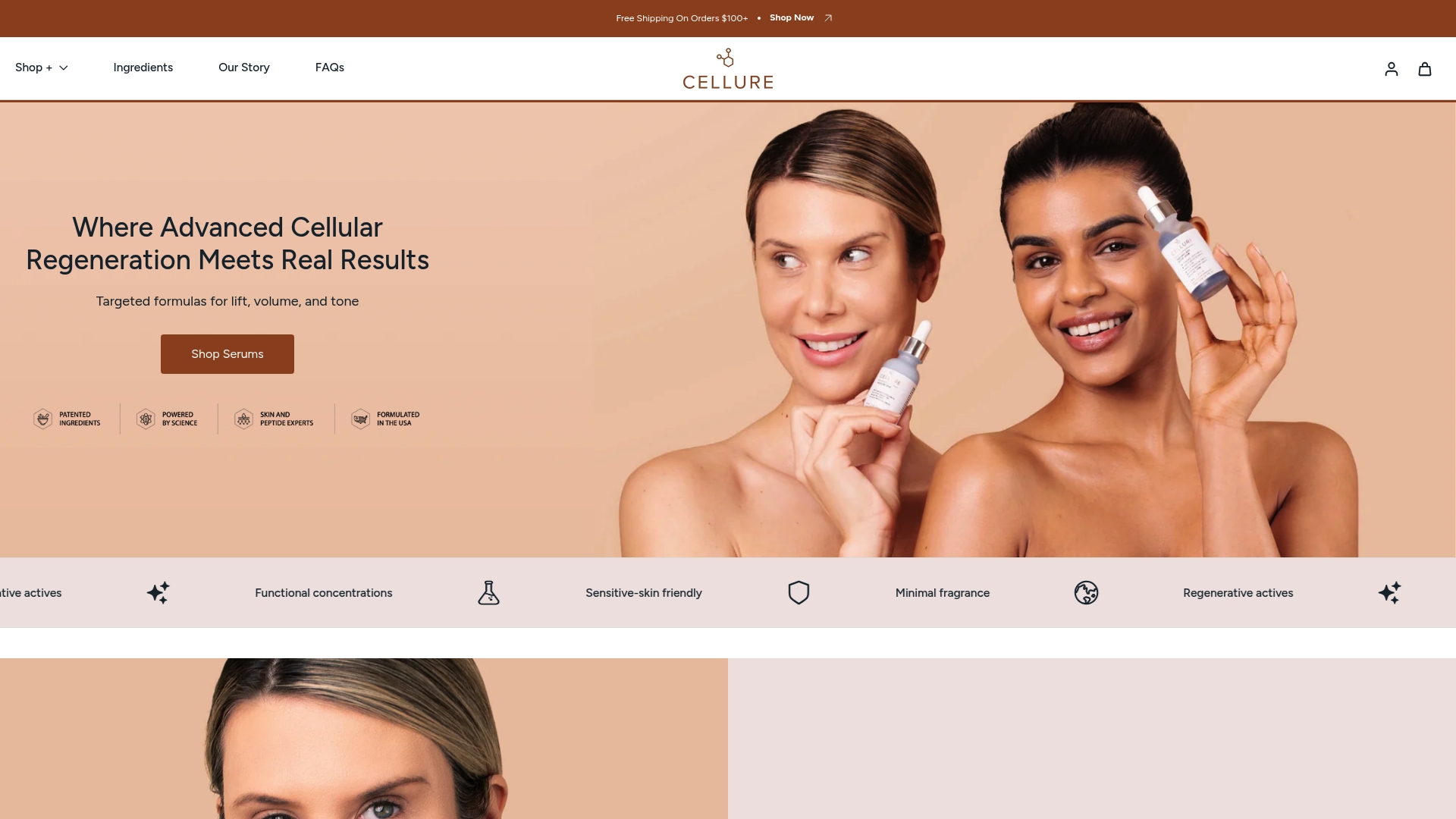
The Complete Skin Repair Kit brings together the foundational actives your skin needs to begin genuine cellular renewal, sequenced and formulated to minimize irritation and maximize results. For targeted brightening and barrier support, the Tranexamic Acid Peptide Serum addresses tone, inflammation, and texture at the source. Explore the full range of advanced cellular regeneration solutions designed to work with your skin’s biology, not against it.
Frequently asked questions
What is the most effective skin renewal treatment for adults over 30 in 2026?
In 2026, biostimulator injectables and exosome therapies lead for long-term regeneration because poly-L-lactic acid biostimulators trigger the skin’s own collagen production rather than simply filling volume. Combined with barrier preparation, these treatments deliver compounding results over time.
How do I repair my skin barrier after aggressive treatments?
Focus immediately on restoring hydration and reducing inflammation using ectoin, hyaluronic acid, and peptide-rich creams. Post-procedure, HA and peptides take clear priority over exfoliants or resurfacing actives until the barrier is stable.
Which skincare ingredients are best for renewing thin or dry, aging skin?
Tripeptide-29 and niacinamide are the standout combination, delivering a 93.7% dryness reduction and a 72.5% hydration increase in clinical testing over four weeks in adults with thin, aging skin.
Can exosome treatments reduce skin inflammation and senescence?
Yes. Studies show that exosomes reduce IL-1β and other key inflammation markers while also decreasing senescent cell burden, making them one of the most promising regenerative tools currently available.
Recommended
Share