


Why cellular repair matters for youthful skin in 2026
Over 80% of visible skin aging stems from environmental damage causing cellular breakdown, not just lost hydration. Many believe moisturizing is enough to combat wrinkles and sagging, but true rejuvenation requires targeting skin cells at a molecular level. This article explains why cellular repair is essential for youthful skin and how advanced bioactive ingredients support lasting results through regenerative science.
Table of Contents
- Understanding Cellular Repair: The Biological Foundation
- How Bioactive Ingredients Promote Cellular Repair
- Common Misconceptions About Cellular Repair In Skincare
- Comparing Cellular Repair Technologies: What Works And Why
- How To Implement Cellular Repair Skincare For Maximum Results
- Summary: Unlocking Youthful Skin With Cellular Repair Science
- Explore Cellular Repair Solutions With Cellure
- What Is Cellular Repair And Why Does It Matter For Aging Skin?
- How Do Peptides And Polynucleotides Work Together To Improve Skin?
- How Long Does It Take To See Results From Cellular Repair Skincare?
- Can Hydration Alone Repair Aging Skin?
Key takeaways
| Point | Details |
|---|---|
| Aging is driven by cellular damage | DNA damage and oxidative stress impair skin’s natural repair mechanisms, causing visible aging. |
| Bioactive ingredients trigger repair | Peptides, polynucleotides, and tranexamic acid are clinically supported to rebuild collagen and skin matrix. |
| Hydration alone is insufficient | True repair requires bioactives that stimulate cellular regeneration, not just surface moisture. |
| Results require consistent use | Visible improvements in firmness and tone appear after 6 to 8 weeks of regular application. |
| Informed routines maximize benefits | Integrating repair-focused products strategically enhances skin rejuvenation and minimizes irritation. |
Understanding cellular repair: the biological foundation
Visible signs of skin aging result from accumulated DNA damage and oxidative stress damaging skin cells over time. As we age, cellular turnover and regenerative capacity decline, reducing the skin’s ability to renew itself effectively. Oxidative stress impairs mitochondrial function, accelerating aging at the cellular level and contributing to wrinkles, sagging, and uneven tone.
Repair mechanisms focus on restoring cellular DNA and mitochondrial health to sustain skin vitality and resilience. Environmental factors like UV radiation significantly contribute to cumulative cellular damage, with UV-induced mitochondrial DNA damage increasing by over 100% after repeated sun exposure. This underscores why protecting and repairing cells is fundamental for maintaining youthful skin.
“Skin aging is driven primarily by accumulated DNA damage and oxidative stress leading to decreased cellular regeneration, underscoring why cellular repair is essential for maintaining youthful skin.”
Understanding cellular repair science reveals that superficial treatments cannot address these deep biological processes. Instead, advanced skincare must target the root causes of aging to deliver meaningful, lasting improvements. This biological foundation explains why repair-focused ingredients outperform traditional moisturizers.
Key biological aging factors include:
- DNA damage from UV radiation and pollution
- Oxidative stress reducing mitochondrial efficiency
- Declining collagen and elastin production
- Impaired cellular turnover and regeneration
- Chronic low-level inflammation accelerating tissue breakdown
By addressing these mechanisms, cellular repair skincare supports the skin’s natural ability to rebuild and renew itself from within.
How bioactive ingredients promote cellular repair
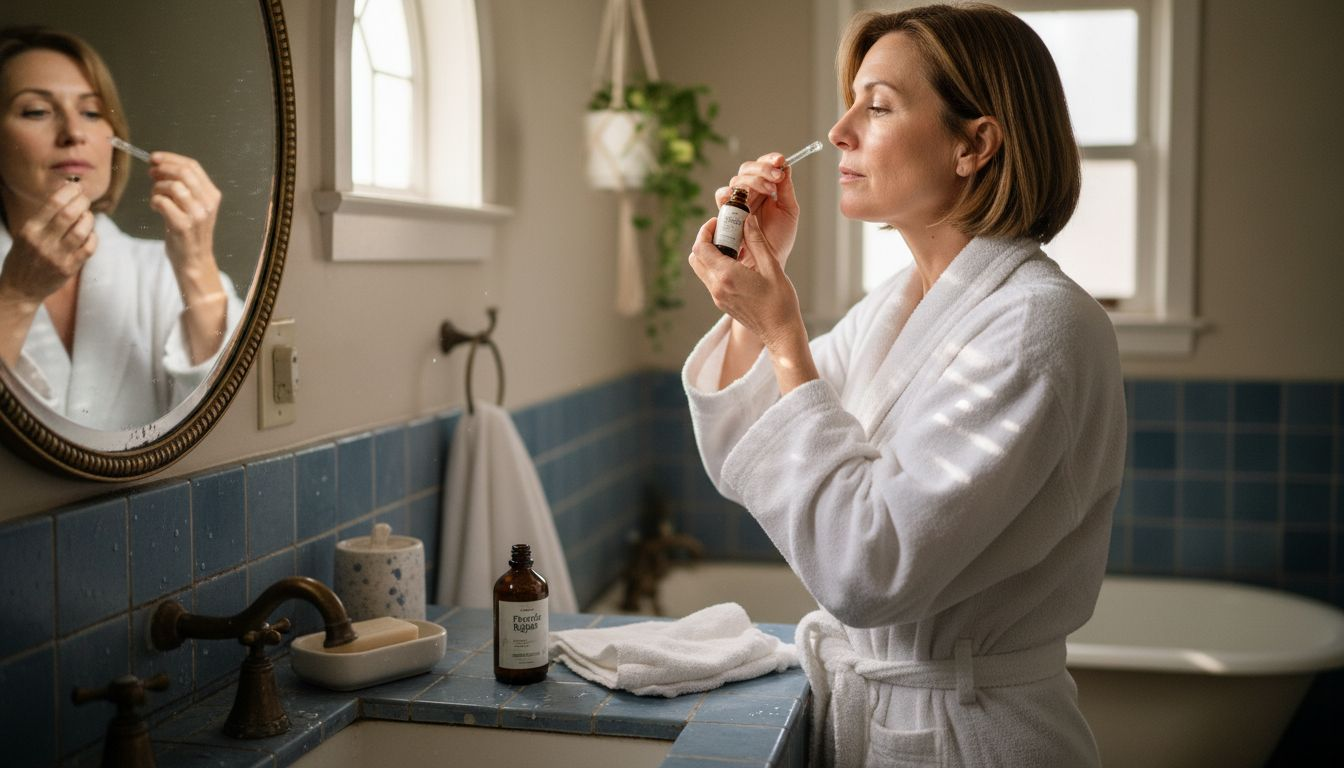
Peptides stimulate collagen and elastin production, rebuilding the skin’s structural matrix and improving firmness. These short chains of amino acids signal skin cells to increase protein synthesis, countering age-related decline. Polynucleotides promote cell migration and regeneration, enhancing tissue renewal by delivering building blocks for DNA repair and cellular health.
Tranexamic acid modulates pigmentation and inflammation at the cellular level, evening skin tone and reducing redness. This ingredient inhibits melanin synthesis and calms inflammatory pathways, addressing multiple aging concerns simultaneously. Combined, these bioactives target different aging pathways for synergistic repair effects, delivering comprehensive rejuvenation.
Proper formulation ensures ingredient stability and effective skin penetration, maximizing their ability to reach target cells. Without careful formulation, even potent actives may degrade or fail to absorb, limiting results. This is why clinically supported products prioritize delivery systems alongside active concentrations.
Pro Tip: Layer lightweight serums with top skin repair ingredients before moisturizer to enhance absorption and efficacy without overwhelming your skin.
Key bioactive mechanisms include:
- Peptides signaling fibroblasts to produce collagen and elastin
- Polynucleotides supplying DNA repair components and cellular energy
- Tranexamic acid reducing melanin production and inflammatory mediators
- Antioxidants neutralizing free radicals to prevent further damage
- Growth factors stimulating cell proliferation and wound healing
Understanding using peptides for skin helps you select formulations that deliver these benefits effectively. Each ingredient plays a distinct role, and their combination creates a powerful anti-aging strategy rooted in cellular biology.
Common misconceptions about cellular repair in skincare
Hydration improves skin moisture and plumpness but doesn’t rebuild collagen or stimulate cellular regeneration. Many confuse temporary surface improvements with true structural repair, leading to disappointment when fine lines return. True cellular repair requires bioactive ingredients that act on the skin’s matrix and DNA, not just water retention.
Results are not instantaneous; consistent application over 6 to 8 weeks is needed to see visible changes in firmness and wrinkle depth. This timeline reflects the biological reality of cellular turnover and collagen synthesis, which cannot be rushed. Expecting overnight transformation sets unrealistic expectations and leads to product-hopping before benefits emerge.
Overusing multiple actives simultaneously can cause irritation, hindering repair rather than accelerating it. Skin has a limited tolerance for potent ingredients, and combining too many at once overwhelms its barrier function. Patience and informed product use are essential for effective rejuvenation without compromising skin health.
“Visible improvements in skin firmness and reduced wrinkle depth become measurable after approximately 6 to 8 weeks of continuous use of skincare products targeting cellular repair pathways.”
Understanding the cellular repair timeline helps you maintain realistic expectations and commit to routines long enough to see results. Cellular processes operate on biological schedules, not marketing promises.
Common misconceptions include:
- Believing hydration equals repair when it only addresses surface dryness.
- Expecting visible results within days when cellular regeneration takes weeks.
- Assuming more products or higher concentrations accelerate benefits.
- Thinking all serums work the same without considering active ingredient mechanisms.
- Overlooking the importance of consistency in triggering sustained cellular responses.
Debunking these myths empowers you to make informed choices and invest in products that deliver scientifically supported benefits rather than temporary fixes.
Comparing cellular repair technologies: what works and why
Traditional moisturizers provide immediate hydration but minimal structural repair, addressing symptoms rather than causes. They create a barrier to lock in moisture, which feels good temporarily but doesn’t stimulate collagen synthesis or cellular renewal. Peptide-based serums stimulate cellular repair mechanisms like collagen synthesis for lasting benefits that accumulate over time.
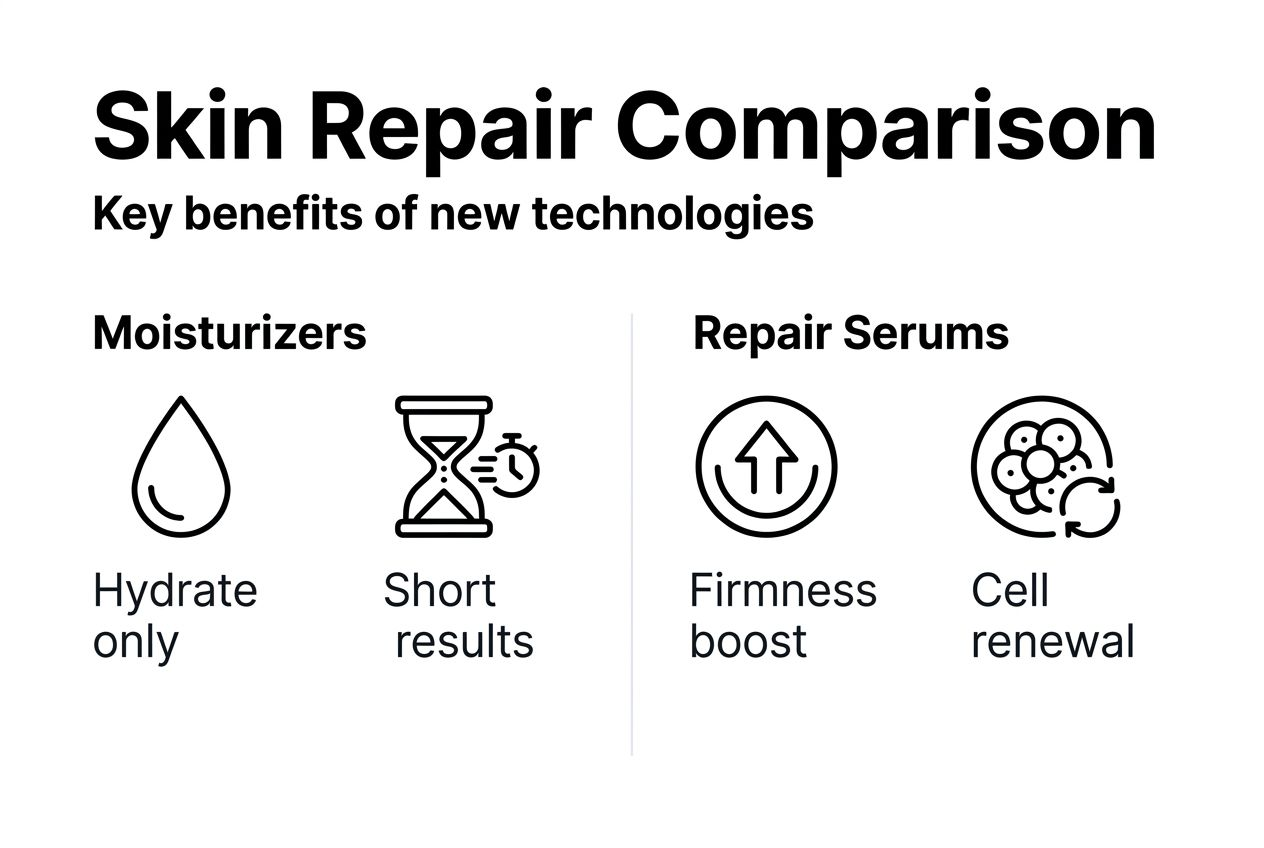
Formulations combining multiple bioactives often show synergistic effects, enhancing skin rejuvenation beyond single-ingredient approaches. For example, pairing peptides with polynucleotides addresses both collagen production and DNA repair simultaneously. Safety and irritation potential vary; ingredient concentration and compatibility matter significantly for tolerability and results.
| Feature | Traditional Moisturizers | Peptide-Based Repair Serums |
|---|---|---|
| Primary mechanism | Surface hydration, barrier protection | Collagen stimulation, cellular regeneration |
| Active ingredients | Humectants, occlusives, emollients | Peptides, polynucleotides, tranexamic acid |
| Visible results timeline | Immediate plumpness, temporary | 6 to 8 weeks for firmness and wrinkle reduction |
| Long-term benefits | Prevents moisture loss only | Rebuilds skin matrix, improves structural integrity |
| Ideal use case | Daily moisture maintenance | Targeted anti-aging and repair |
Investing in repair-focused serums results in superior anti-aging outcomes compared to basic moisturizers, particularly for those experiencing visible signs of aging. While moisturizers remain important for barrier health, they cannot replace the regenerative power of bioactive ingredients.
Pro Tip: Use top skin repair serums 2026 in the morning and evening after cleansing to maximize cellular repair benefits before applying moisturizer.
Understanding these differences helps you allocate your skincare budget toward products that address your specific aging concerns at the cellular level, not just surface symptoms.
How to implement cellular repair skincare for maximum results
Identify your skin concerns to select targeted repair ingredients effectively, ensuring you address your specific aging signs. If firmness loss is your priority, peptides should be central; for uneven tone, tranexamic acid is key. Choose products with clinically supported actives suited to your skin type to avoid irritation and maximize tolerance.
Integrate products gradually into your routine, allowing at least 6 to 8 weeks for visible results to emerge. Start with one repair serum and monitor your skin’s response before adding additional actives. Avoid overloading with multiple actives simultaneously; patch test and adjust based on skin response to prevent compromising your barrier.
Implementation steps:
- Assess your primary aging concerns: firmness, pigmentation, texture, or volume loss.
- Select one or two repair serums with proven bioactives targeting those concerns.
- Introduce the first serum for two weeks, monitoring for irritation or sensitivity.
- Add the second serum if needed, applying at different times (morning vs. evening).
- Maintain consistency for at least 6 to 8 weeks before evaluating results.
- Adjust concentrations or frequency based on skin tolerance and visible improvements.
Regular monitoring and consistency optimize skin recovery and rejuvenation outcomes, ensuring you stay on track without overcomplicating your routine. Patience during the initial weeks pays off as cellular repair processes build momentum.
Pro Tip: Follow the cellular repair skincare guide to structure your routine for maximum efficacy without irritation.
Key considerations for successful implementation:
- Start slow with one active ingredient to establish baseline tolerance.
- Layer products from thinnest to thickest consistency for optimal absorption.
- Use gentle repair skincare if you have sensitive skin or rosacea.
- Combine repair serums with broad-spectrum sunscreen to protect cellular gains.
- Track progress with photos every two weeks to objectively assess improvements.
Understanding why target cellular repair 30% firmer skin with peptides reinforces the value of committing to science-backed routines. Your diligence in following these steps determines how effectively you harness cellular repair for lasting rejuvenation.
Summary: unlocking youthful skin with cellular repair science
Cellular repair addresses root causes of aging such as DNA damage and oxidative stress, not just surface symptoms. Advanced ingredients like peptides and tranexamic acid deliver measurable skin improvement by stimulating collagen production and modulating inflammation. Hydration alone is insufficient without active molecular repair processes that rebuild the skin’s structural matrix.
Consistent use over weeks is necessary to see firmness and tone enhancements, reflecting the biological timeline of cellular regeneration. Informed product choice and routine integration maximize skin rejuvenation benefits, ensuring you invest in solutions that work at the deepest levels.
Key takeaways for applying cellular repair science:
- Prioritize bioactive ingredients over basic moisturizers for anti-aging goals.
- Commit to 6 to 8 weeks of consistent use before evaluating results.
- Avoid overloading your skin with too many actives at once.
- Protect cellular gains with daily sunscreen to prevent new damage.
- Monitor your skin’s response and adjust products based on tolerance and progress.
By understanding the science behind cellular repair and implementing evidence-based routines, you empower yourself to achieve visible, lasting improvements in skin health and appearance.
Explore cellular repair solutions with Cellure
Cellure offers advanced skincare products formulated to stimulate true cellular repair using clinically proven ingredients. The Complete Skin Repair Kit combines peptides, polynucleotides, and tranexamic acid for comprehensive rejuvenation targeting multiple aging pathways simultaneously.
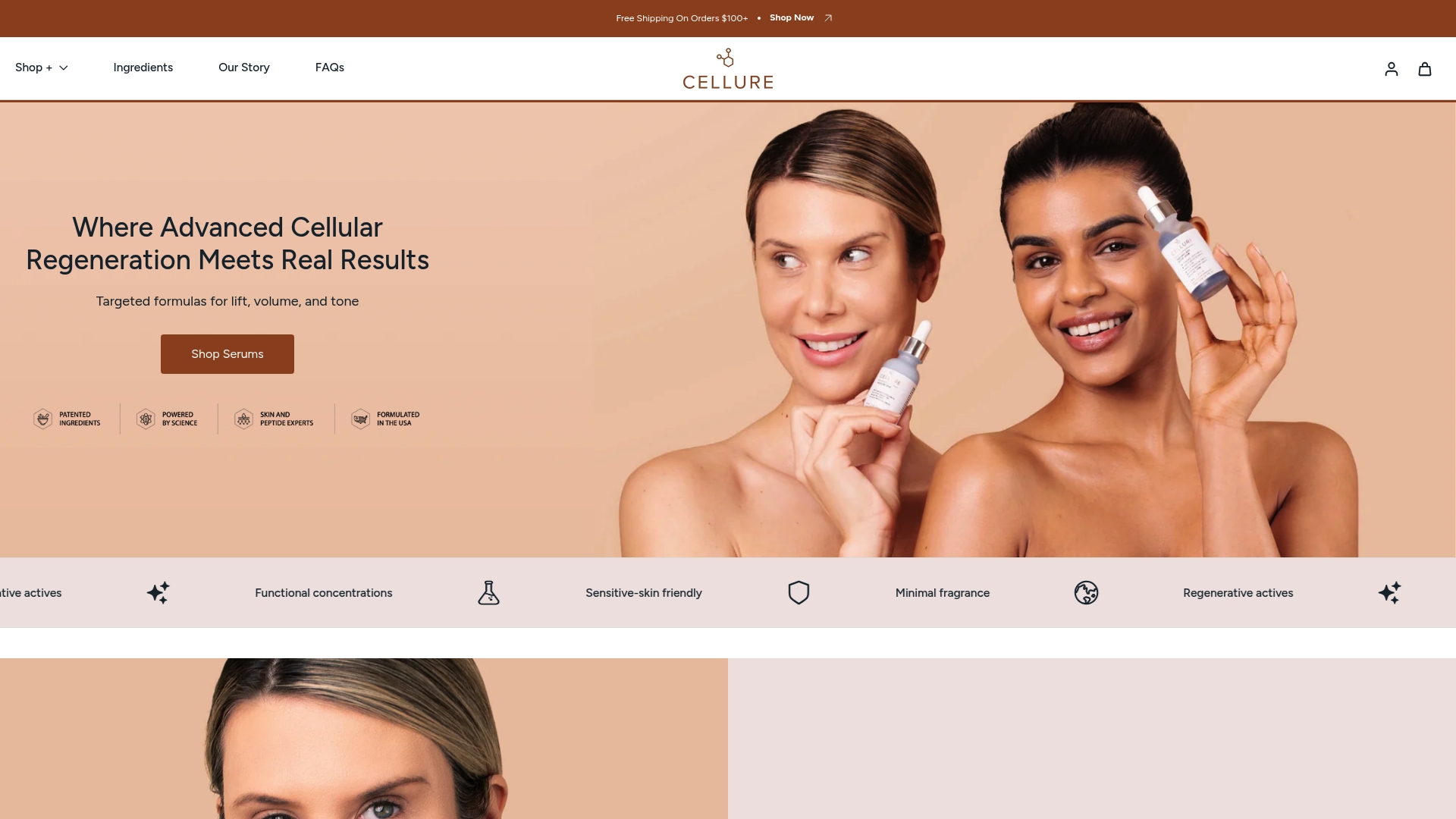
Targeted serums like the Tranexamic Acid Peptide Serum address firmness loss and pigmentation, delivering visible improvements backed by regenerative science. The Volufiline Serum supports volume restoration and skin density for a lifted, youthful appearance. Consistent use as guided can help you achieve scientifically supported skin renewal and cellular health. Explore these clinically backed options to enhance your skincare routine effectively and experience the difference of repair-focused formulations.
What is cellular repair and why does it matter for aging skin?
Cellular repair involves restoring skin cells’ DNA and structural components to counteract aging damage at the molecular level. It matters because it addresses the biological root causes of visible aging like wrinkles, sagging, and uneven tone, not just surface symptoms. Supporting repair mechanisms leads to longer-lasting skin health and a youthful appearance that deepens with consistent use.
Unlike temporary fixes, cellular repair targets the processes that maintain skin integrity over time. This approach aligns skincare with the body’s natural regenerative pathways, making improvements more sustainable and meaningful.
How do peptides and polynucleotides work together to improve skin?
Peptides stimulate collagen production, strengthening the skin’s structural matrix and improving firmness and elasticity. Polynucleotides promote cell regeneration and migration, enhancing tissue renewal by supplying DNA building blocks. Together, they support comprehensive skin repair and rejuvenation, addressing both structural and cellular health for visible anti-aging benefits.
How long does it take to see results from cellular repair skincare?
Consistent use over 6 to 8 weeks is generally needed to notice firming and wrinkle reduction as cellular processes accumulate. Early changes may be subtle, such as improved texture or radiance, but they build with continued application. Patience and consistency are essential for unlocking the full benefits of cellular repair ingredients.
Can hydration alone repair aging skin?
Hydration moisturizes the skin surface but does not stimulate collagen synthesis or DNA repair at the cellular level. Active bioactives like peptides and polynucleotides are required for true cellular rejuvenation and visible anti-aging effects. While hydration supports barrier health, it cannot replace the regenerative power of repair-focused ingredients for lasting improvements.