


Sensitive skin serum guide for gentle cellular repair
Finding anti-aging serums that work without irritating sensitive skin feels impossible. Many products promise rejuvenation but leave your face red, tight, or burning. This science-backed guide shows you how to choose and use gentle serums with proven bioactives like peptides and polynucleotides to safely stimulate cellular repair and achieve visible results without compromising your skin’s delicate barrier.
Table of Contents
- Understanding Sensitive Skin And Aging
- Key Bioactive Ingredients For Cellular Repair
- Prerequisites And Skin Preparation Before Serum Use
- Step-By-Step Serum Application Method
- Common Mistakes And How To Avoid Them
- Expected Outcomes And Realistic Timelines
- Safety Considerations And Alternative Serums
- Explore Cellure’s Advanced Sensitive Skin Serum Solutions
- Frequently Asked Questions About Sensitive Skin Serums
Key takeaways
| Point | Details |
|---|---|
| Gentle bioactives work | Peptides, tranexamic acid, and polynucleotides support cellular repair without harsh irritation. |
| Test before full use | Patch testing and gradual introduction minimize reaction risks significantly. |
| Preparation matters | Proper cleansing, hydration, and post-serum moisturizing maximize effectiveness and safety. |
| Patience pays off | Visible firmness and tone improvements typically appear after 8 to 12 weeks of consistent use. |
| Avoid common irritants | Skip fragrance, alcohol, and incompatible actives to protect your sensitive skin barrier. |
Understanding sensitive skin and aging
Sensitive skin reacts more intensely to common skincare ingredients and environmental factors than other skin types. Your skin barrier is naturally more fragile, making it prone to inflammation, redness, and discomfort when exposed to typical anti-aging formulas.
As you age with sensitive skin, you face unique challenges. Loss of firmness becomes noticeable as collagen production slows. Volume reduction makes skin appear hollow or sunken. Uneven tone and increased redness develop as barrier function weakens and inflammation becomes chronic.
Typical anti-aging products often contain high concentrations of acids, retinoids, or harsh exfoliants that overwhelm your compromised barrier. These ingredients trigger inflammation rather than repair, worsening sensitivity instead of improving it. Your skin needs a different approach.
Choosing specifically formulated gentle serums addresses aging concerns without damaging your barrier. These products deliver clinically supported bioactives at concentrations that stimulate cellular repair while respecting your skin’s reactive nature. Learning best practices for sensitive skin gentle anti aging tips helps you navigate product selection with confidence.
Key characteristics of sensitive aging skin include:
- Heightened reactivity to fragrances, preservatives, and active ingredients
- Visible redness or flushing that worsens with product use
- Tightness, stinging, or burning sensations after application
- Faster transepidermal water loss leading to dehydration
- Increased susceptibility to environmental stressors like pollution and UV radiation
Key bioactive ingredients for cellular repair
Clinically validated ingredients offer powerful anti-aging benefits without triggering the inflammation sensitive skin typically experiences. Understanding these bioactives empowers you to select serums that deliver results safely.
Peptides are short chains of amino acids that signal your skin to produce more collagen and elastin. Peptides in serums stimulate collagen synthesis promoting firmness without irritating sensitive skin when formulated properly. They work gently at the cellular level, making them ideal for reactive complexions seeking visible lifting and plumping effects.
Tranexamic acid effectively reduces hyperpigmentation and uneven tone by inhibiting melanin production. Unlike harsh brightening agents, it calms inflammation while lightening dark spots. Your sensitive skin tolerates it well when introduced gradually.
Polynucleotides are DNA fragments that promote skin regeneration by enhancing fibroblast activity and angiogenesis, critical for cellular repair and rejuvenation in aging skin. They boost elasticity, improve hydration, and accelerate healing, offering comprehensive regenerative benefits with minimal irritation risk.
Fragrance-free and alcohol-free formulations eliminate two of the most common sensitizers in skincare. Alcohol strips natural oils and disrupts barrier function. Fragrances, even natural ones, trigger allergic reactions and inflammation. Avoiding these ensures your serum supports rather than sabotages your skin.
Pro Tip: Look for clinical validation when selecting bioactive serum ingredients to balance efficacy and gentleness. Peer-reviewed studies confirm both safety profiles and effectiveness.
Understanding top skin repair ingredients how they work and cellular repair how it works provides deeper insight into mechanism of action. Recognizing role of serums skin health helps you appreciate why serum delivery systems penetrate more effectively than creams.
Essential gentle bioactives for sensitive aging skin:
- Peptides for collagen stimulation and firmness restoration
- Tranexamic acid for brightening without harsh bleaching agents
- Polynucleotides for comprehensive cellular regeneration
- Hyaluronic acid for deep hydration without heaviness
- Antioxidants like niacinamide for barrier protection and inflammation reduction
Prerequisites and skin preparation before serum use
Proper preparation maximizes serum effectiveness while minimizing adverse reactions. Your skin must be ready to receive active ingredients safely.
Follow these essential preparatory steps:
-
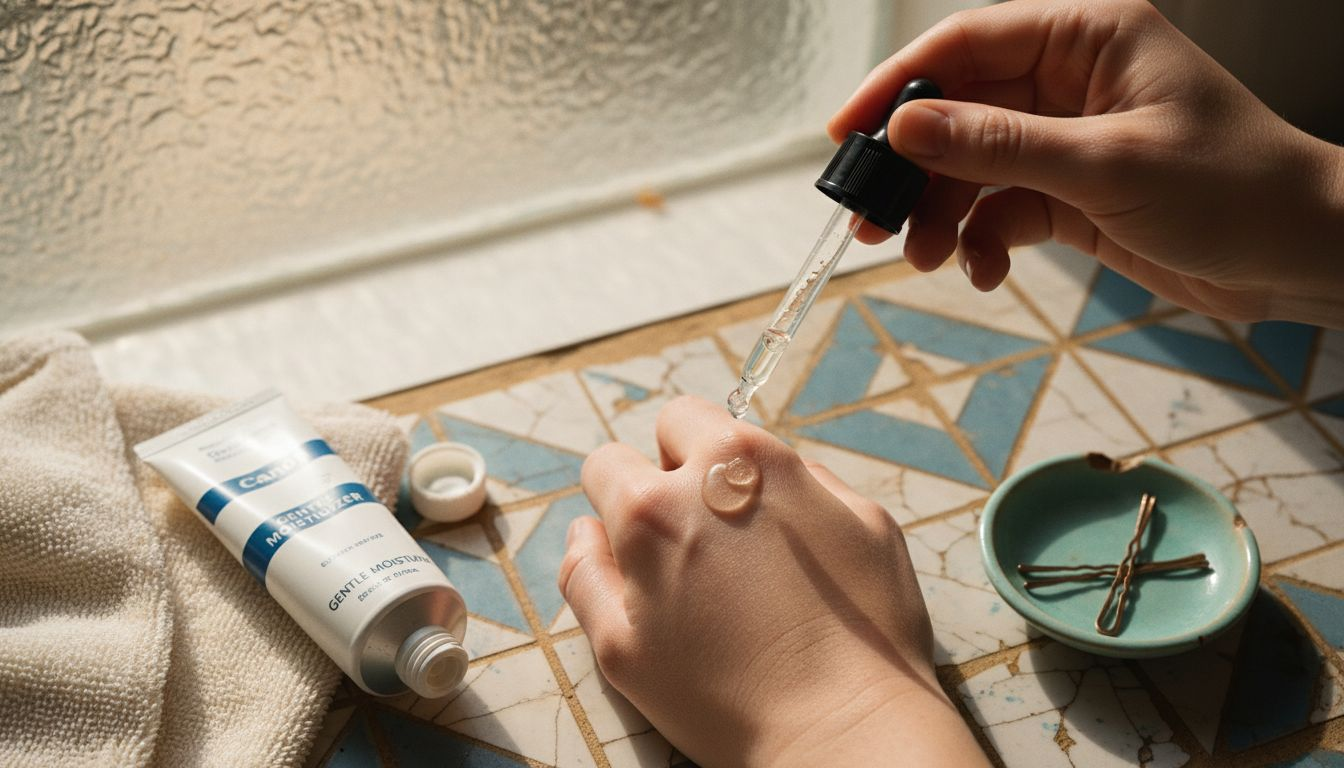
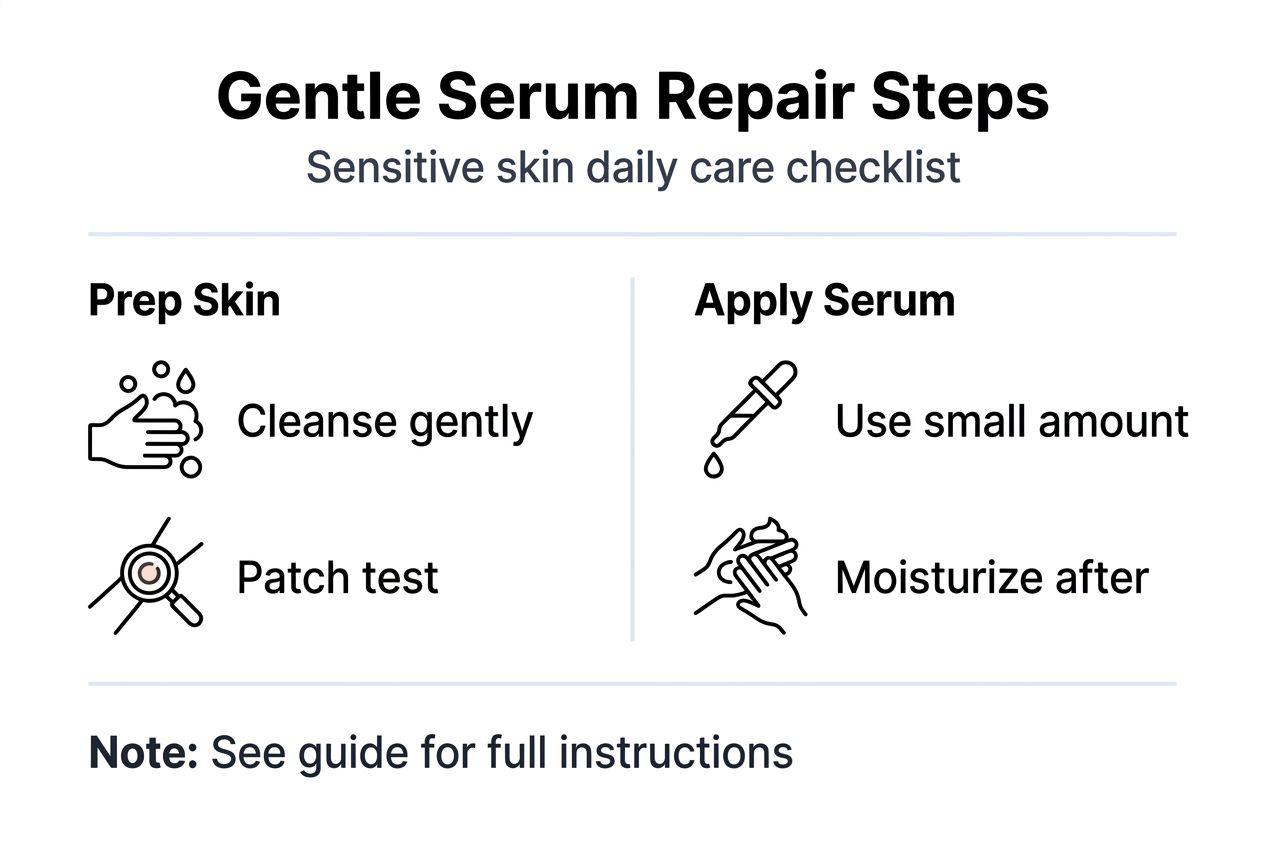
Perform patch testing to identify possible irritation before full application. Apply a small amount of serum to your inner forearm or behind your ear. Wait 24 to 48 hours and monitor for redness, itching, or burning.
-
Use gentle, fragrance-free cleansers to maintain barrier integrity. Harsh surfactants strip protective lipids, making skin more vulnerable to irritation from actives. Choose pH-balanced formulas that cleanse without tightness.
-
Ensure skin is well hydrated and barrier is stable prior to serum introduction. If you’re experiencing active flare-ups, peeling, or significant irritation, wait until your skin calms before starting new actives.
-
Gather compatible products including a simple moisturizer and broad-spectrum sunscreen SPF 30 or higher. These protect your investment in cellular repair by sealing in hydration and preventing photoaging.
-
Review current products for potential conflicts. If you’re using prescription retinoids, acids, or other actives, consult with a dermatologist about safe layering or alternating schedules.
Pro Tip: Patch test 24 to 48 hours before first serum use to reduce risk of adverse reactions. This simple step prevents full-face disasters and identifies sensitivities early.
Your barrier must be intact before introducing potent bioactives. Signs of a healthy barrier include comfortable skin without tightness, minimal redness, and the ability to tolerate gentle cleansing without stinging. Understanding best practices for sensitive skin gentle anti aging tips reinforces preparation importance.
Step-by-step serum application method
Correct application technique optimizes absorption and minimizes irritation. Follow this proven method for safe, effective serum use.
-
Cleanse gently with lukewarm water and a mild cleanser. Pat skin mostly dry, leaving it slightly damp. Damp skin enhances serum penetration without requiring more product.
-
Dispense 2 to 3 drops of serum onto your fingertips. This amount covers your entire face and neck without waste. More product doesn’t mean better results.
-
Apply with light pressing motions rather than rubbing. Press serum into skin using your fingertips, starting at the center of your face and working outward. Avoid tugging or pulling.
-
Start every other day for the first two weeks. Gradual introduction of serums starting with every other day application reduces initial irritation rates by up to 60% in sensitive skin individuals. This allows your skin to build tolerance safely.
-
Wait 1 to 2 minutes before applying moisturizer. This gives actives time to penetrate. Then apply your regular moisturizer to seal in the serum and prevent transepidermal water loss.
-
Apply broad-spectrum sunscreen every morning, even on cloudy days. Bioactives make skin more photosensitive. UV exposure undoes repair work and accelerates aging.
-
Avoid layering incompatible actives like retinol, vitamin C, or AHAs/BHAs with your serum initially. Once your skin tolerates the serum well after 4 to 6 weeks, you can carefully introduce other actives on alternate nights if desired.
Monitor your skin closely during the first month. Mild tingling that fades quickly is normal. Persistent burning, increasing redness, or peeling signals you need to slow down or dilute the serum with moisturizer. Following best practices for sensitive skin gentle anti aging tips keeps you on track.
Common mistakes and how to avoid them
Even with the best serums, application errors sabotage results and trigger unnecessary irritation. Recognize these pitfalls and correct them.
Skipping patch testing leads to unexpected allergic or irritant reactions across your entire face. What could have been a small test spot becomes a full-face flare-up requiring days or weeks to heal. Always test first, even if you’ve used similar products before.
Applying serum daily immediately without ramping up causes irritation in most sensitive skin types. Your skin needs time to adapt to new actives. Jumping straight to daily use overwhelms barrier function and triggers inflammation.
Layering incompatible active ingredients triggers redness and burning. Using a peptide serum with retinol, vitamin C, or acids simultaneously creates a chemical cocktail your sensitive skin can’t handle. Each active deserves dedicated skin real estate and time to work.
Omitting moisturizer and sunscreen worsens skin barrier damage and sensitivity. Failure to moisturize after serum application increases transepidermal water loss by up to 35%, exacerbating sensitivity and diminishing serum benefits. Moisturizer locks in actives and repairs barrier lipids. Sunscreen prevents the photoaging and inflammation that undo all your repair work.
Using too much product wastes serum and doesn’t improve results. More isn’t better with concentrated bioactives. Excess serum sits on the surface, potentially causing pilling or irritation without additional benefit.
Pro Tip: Always apply moisturizer right after serum to lock hydration and enhance barrier repair. This simple step dramatically improves tolerance and outcomes.
Critical mistakes to avoid:
- Applying serum to bone-dry skin, reducing penetration
- Rubbing or massaging aggressively, causing mechanical irritation
- Storing serum in bright, warm locations, degrading active ingredients
- Continuing use despite persistent irritation, worsening sensitivity
- Expecting overnight results, leading to premature discontinuation
Expected outcomes and realistic timelines
Setting realistic expectations prevents disappointment and encourages consistent use. Cellular repair takes time, but results are worth the patience.
Visible improvements like increased firmness and reduced redness are typically measurable after 8 to 12 weeks of consistent serum use. Your skin undergoes cellular turnover cycles of approximately 28 days. Meaningful collagen remodeling requires multiple cycles.
Skin barrier function and hydration improve progressively with continued use. You’ll notice reduced tightness and improved comfort within the first 2 to 4 weeks. Deeper structural changes like firmness and volume restoration become visible later.
Redness and irritation episodes decrease significantly with gradual serum introduction. As your barrier strengthens and inflammation reduces, your skin becomes more resilient to environmental stressors and less reactive overall.
Consistent daily protection with moisturizers and sunscreen is key to sustaining results. Without this support, environmental damage and water loss undermine the cellular repair your serum provides.
| Timeline | Expected Improvements | What to Monitor |
|---|---|---|
| Week 1 to 2 | Better hydration, reduced tightness | Watch for initial irritation signals |
| Week 3 to 4 | Calmer skin, fewer redness episodes | Note comfort level during application |
| Week 6 to 8 | Smoother texture, subtle tone evening | Compare photos to track progress |
| Week 8 to 12 | Visible firmness, reduced fine lines | Measure improvements objectively |
| Week 12+ | Continued volume restoration, sustained barrier health | Maintain routine for lasting benefits |
Document your journey with consistent lighting and angles in photos. Subtle changes become obvious when compared side by side over months. Patience and consistency deliver results that rushed, aggressive approaches never achieve in sensitive skin.
Safety considerations and alternative serums
Prioritizing safety protects your skin while achieving anti-aging goals. Understanding alternatives helps you make informed choices aligned with your comfort level.
Daily broad-spectrum sunscreen is essential to prevent irritation and photoaging during serum use. UV radiation breaks down the collagen your serum works hard to build. It also triggers inflammation that counteracts cellular repair. Non-negotiable sun protection preserves your investment.
Avoid fragrance and alcohol to reduce adverse skin reactions. These ingredients provide no therapeutic benefit for aging skin and significantly increase sensitivity. Even “natural” fragrances like essential oils can trigger allergic contact dermatitis.
Natural botanical serums show lower irritation rates but have less evidence for effectiveness in cellular repair compared to clinically formulated bioactive serums. Plant extracts offer antioxidant benefits and hydration but lack the targeted cellular signaling that peptides and polynucleotides provide.
Clinically formulated serums offer stronger benefits but require proper use and tolerance monitoring. These products contain concentrated bioactives with peer-reviewed evidence for efficacy. They deliver measurable results when used correctly.
| Serum Type | Pros | Cons | Best For |
|---|---|---|---|
| Clinically Formulated | Strong evidence for cellular repair, measurable results, targeted bioactives | Requires gradual introduction, higher cost, potential for initial adjustment | Those seeking proven anti-aging outcomes |
| Natural Botanical | Lower irritation rates, gentler feel, affordable | Limited clinical evidence, slower results, less targeted action | Extremely reactive skin needing gentle support |
Key safety practices:
- Never skip sunscreen when using bioactive serums
- Discontinue use if irritation persists beyond initial adjustment period
- Consult a dermatologist before combining prescription actives with serums
- Store serums in cool, dark locations to preserve ingredient stability
- Replace serums at expiration dates to ensure potency and safety
Your individual tolerance and goals determine the best serum choice. Clinically formulated options provide superior cellular repair for most sensitive skin types when introduced properly. Natural alternatives suit those with extreme reactivity or preference for botanical ingredients, accepting slower, subtler results.
Explore cellure’s advanced sensitive skin serum solutions
Applying this guidance becomes easier with properly formulated products designed specifically for sensitive aging skin. Cellure offers gently formulated serums with peptides, tranexamic acid, and polynucleotides tailored for cellular repair without harsh irritation.
The complete skin repair kit provides an integrated regimen combining complementary bioactives for comprehensive collagen support and visible rejuvenation. This system removes guesswork from building an effective routine.
Explore the tranexamic acid peptide serum to target hyperpigmentation while supporting firmness. The peptide hydro lift serum focuses on volume restoration and lifting for sagging areas.
Each formula is fragrance-free, alcohol-free, and clinically tested for sensitive skin compatibility. Detailed product pages and routine guides on Cellure’s site help you select the right combination for your specific aging concerns and implement the gradual introduction approach outlined in this guide for optimal results.
Frequently asked questions about sensitive skin serums
How do I know if a serum is safe for my sensitive skin?
Check the ingredient list for fragrance, alcohol, essential oils, and high concentrations of acids or retinoids. Safe serums feature gentle bioactives like peptides and polynucleotides, are fragrance-free, and ideally have clinical testing data for sensitive skin. Always patch test for 24 to 48 hours before full application.
Can I use anti-aging serums with other skincare products?
Yes, but introduce one new product at a time with at least 2 weeks between additions. Use serum after cleansing on damp skin, then follow with moisturizer and sunscreen. Avoid layering multiple actives initially. Once your skin tolerates the serum well after 4 to 6 weeks, you can carefully add other treatments on alternate days if needed.
What should I do if I experience irritation after applying a serum?
Stop using the serum immediately and return to your basic gentle routine until skin calms. Once recovered, you can try reintroducing the serum diluted with moisturizer or used every third day. If irritation recurs, discontinue permanently and consider a gentler alternative. Persistent severe reactions warrant dermatologist consultation.
How often should I apply serum for best results?
Start with every other day for 2 weeks to build tolerance. If your skin responds well without irritation, increase to daily application. Some sensitive skin types achieve excellent results with every other day long term. Consistency matters more than frequency. Missing occasional days won’t derail progress, but sporadic use prevents cellular repair momentum.
Are natural serums a good alternative for sensitive aging skin?
Natural botanical serums cause less irritation but provide slower, subtler anti-aging results compared to clinically formulated bioactive serums. They work well for extremely reactive skin needing gentle support or those preferring plant-based ingredients. For measurable cellular repair and visible firmness improvements, clinically validated peptides and polynucleotides deliver superior outcomes when introduced gradually.