


Role of Serums in Skin Health: Science and Impact
Finding a serum that truly targets loss of firmness and uneven tone can feel overwhelming as you see visible signs of aging appear. With advances in skincare formulations, today’s serums use small molecular-weight active ingredients to reach deeper skin layers and deliver results that basic moisturizers cannot. This article explores how premium, gentle serums work at the cellular level, helping you understand which choices best support healthier, more resilient skin in your 30s, 40s, and beyond.
Table of Contents
- What Are Serums And How They Work
- Key Bioactive Ingredients In Modern Serums
- Serum Types For Aging And Skin Concerns
- How Serums Support Skin Repair And Health
- Risks, Myths, And Choosing The Right Serum
Key Takeaways
| Point | Details |
|---|---|
| Serums are specialized treatments | Serums penetrate deeper than moisturizers to target specific skin concerns, making them crucial for addressing signs of aging. |
| High concentration of active ingredients | Quality serums contain 5-10 times more active ingredients than traditional moisturizers, enabling faster and more effective results. |
| Consistent usage is essential | For optimal results, serums should be used consistently for at least 8 weeks, as skin cell turnover takes time to show significant improvements. |
| Choosing the right serum matters | Selecting a serum that specifically targets your primary skin concern enhances efficacy; avoid generic options for best outcomes. |
What Are Serums and How They Work
Serums are lightweight, concentrated formulations designed to deliver active ingredients where your skin needs them most. Unlike thicker moisturizers that sit on the surface, serums penetrate deeper to address specific aging concerns like loss of firmness and uneven tone.
Think of serums as precision tools rather than one-size-fits-all solutions. They target cellular-level issues rather than just hydrating the surface, making them particularly effective for anyone in their 30s and beyond dealing with visible signs of aging.
How Serums Penetrate Your Skin
Small molecular-weight active ingredients allow serums to absorb quickly and reach deeper skin layers where they can stimulate cellular renewal. This is what separates a serum from a basic moisturizer—penetration depth and targeted action.
Your skin’s barrier is naturally selective about what it lets through. Serums work because their formula structure allows beneficial ingredients to pass this barrier efficiently. The result? Faster absorption and more noticeable results within weeks rather than months.
Serums use advanced delivery systems to maximize ingredient effectiveness:
- Lightweight texture for quick absorption without heaviness
- High concentration of active ingredients (often 5-10 times more potent than moisturizers)
- Small particle size enabling deep penetration into skin layers
- Fast-absorbing formulas that don’t leave residue
Why Serums Address Aging Concerns
As collagen production declines with age, your skin loses firmness and develops uneven tone. This is where serums excel. They can contain peptides that support collagen renewal, or tranexamic acid that addresses pigmentation irregularities.
High-performance skin repair ingredients work at the cellular level to stimulate your skin’s natural regeneration process. Rather than masking issues, quality serums encourage your skin to repair itself from within.
The difference matters when you’re 40-50 and expecting real results. Surface-level skincare simply cannot address loss of firmness the way a well-formulated serum can.
Key Advantages Over Traditional Moisturizers
Serums deliver benefits moisturizers can’t:
- Target specific concerns (firmness loss, pigmentation, volume loss) rather than just hydration
- Penetrate to deeper skin layers where aging occurs
- Contain higher concentrations of active ingredients
- Work at the cellular level to support skin renewal
- Absorb quickly, allowing layering with other products
Most moisturizers are 80% water designed to hydrate the surface. Serums are 80% actives designed to transform skin from within.
The most important factor isn’t how much product you use, but whether its formula can actually reach the cells where damage occurs.
Pro tip: Apply serums to damp skin (not soaking wet, just lightly misted) before moisturizer—this enhances penetration and locks in hydration. Wait 30-60 seconds between serum and moisturizer application to allow proper absorption.
Key Bioactive Ingredients in Modern Serums
The most effective serums contain bioactive ingredients that work synergistically to address aging concerns at the cellular level. These aren’t basic moisturizers—they’re formulated with scientifically-proven compounds that stimulate skin renewal and combat visible signs of aging.
When you’re choosing a serum in your 40s or 50s, ingredient quality matters far more than price. The right combination can deliver measurable improvements in firmness and tone within 4-8 weeks.
Peptides: The Collagen Builders
Peptides are short chains of amino acids that signal your skin to produce more collagen and elastin. As these proteins decline with age, peptides essentially tell your skin to rebuild what time has taken away.
Using peptides for skin restoration specifically targets loss of firmness—the primary concern for most people over 40. They work by stimulating fibroblasts, the cells responsible for collagen synthesis.
Unlike surface-level treatments, peptides create lasting change by encouraging your skin’s natural regeneration process rather than masking problems temporarily.
Antioxidants: Your Cellular Defense System
Antioxidant protection and bioavailability through ingredients like vitamin C and coenzyme Q10 protect against oxidative stress that accelerates aging. These compounds neutralize free radicals before they damage collagen and elastin.
Vitamin C brightens uneven tone while building collagen strength. CoQ10 works deeper, supporting cellular energy production so your skin can repair itself efficiently. Together, they create a shield against environmental aging.
Key antioxidants in modern serums:
- Vitamin C for brightness and collagen support
- Coenzyme Q10 for cellular energy and renewal
- Resveratrol for anti-inflammatory protection
- Green tea polyphenols for photoprotection
Tranexamic Acid: The Tone Corrector
Tranexamic acid addresses uneven skin tone by inhibiting melanin overproduction. This ingredient is particularly effective for age spots, sun damage, and overall pigmentation irregularities.
Unlike hydroquinone, tranexamic acid works gently without irritation, making it suitable for sensitive mature skin. Results appear gradually as your skin cell turnover normalizes and old pigmented cells shed.
Botanical Extracts and Probiotics
Plant extracts and probiotic components support your skin’s natural microbiome while reducing inflammation. These ingredients work with your skin rather than against it, promoting balanced, healthy renewal.
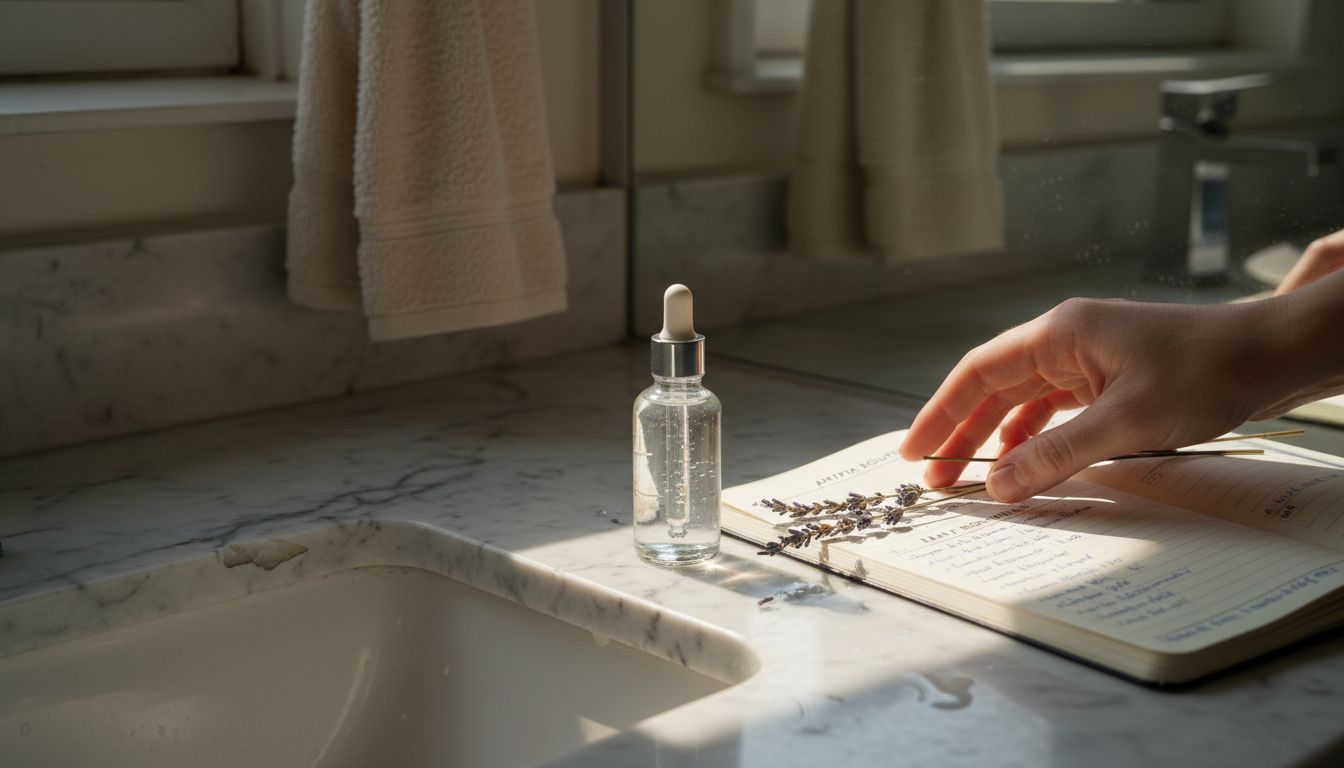
Botanical polyphenols from plants offer anti-inflammatory and regenerative properties. Probiotics maintain your skin barrier’s protective function, reducing irritation and supporting long-term skin health.
The Synergy Factor
When combined strategically, these ingredients amplify each other’s benefits. A peptide serum with antioxidants and tranexamic acid doesn’t just address one concern—it tackles firmness, tone, and protection simultaneously.
This is why formulation expertise matters. Random ingredient mixing creates chaos. Thoughtful combination creates transformation.
The most effective serums contain complementary ingredients that address multiple aging concerns at once, rather than single-action products.
Pro tip: Start with one serum containing peptides and antioxidants for 4-6 weeks before adding a tranexamic acid product. This allows your skin to adapt and prevents overloading your barrier with too many actives simultaneously.
For easier reference, here’s a summary of bioactive serum ingredients and their effects:
| Ingredient | Main Action | Suitability |
|---|---|---|
| Peptides | Stimulates collagen production | Aging, firmness concerns |
| Vitamin C | Brightens, boosts antioxidant defense | Uneven tone, aging skin |
| Tranexamic acid | Corrects pigmentation, gentle action | Sun damage, age spots |
| Niacinamide | Strengthens barrier, reduces water loss | Sensitive, mature skin |
| Probiotics | Balances microbiome, reduces inflammation | All skin types |
Serum Types for Aging and Skin Concerns
Not all serums work the same way. Different formulations target specific aging issues, and choosing the right type depends on your primary skin concerns. Understanding what each serum does helps you build an effective routine that addresses your unique needs.
Your skin’s challenges at 40-50 differ from younger skin. A serum selected for your actual concerns delivers measurable results within weeks, while generic options often disappoint.
Anti-Aging Serums: The Firmness Fighters
Anti-aging serums contain ingredients like retinol, peptides, and vitamin C that work to stimulate collagen production and reduce visible wrinkles. These are the heavy hitters for loss of firmness and texture changes.
Clinical retinol and vitamin C effectiveness is well-documented for promoting collagen synthesis and protecting against photodamage. Retinol speeds cellular turnover while vitamin C provides antioxidant defense and brightening simultaneously.
If firmness loss is your primary concern, an anti-aging serum should be your foundation product.
Brightening Serums: Correcting Uneven Tone
Brightening serums use vitamin C, niacinamide, and tranexamic acid to address pigmentation irregularities and uneven tone. These serums reduce the appearance of age spots and sun damage while evening out your complexion.
Uneven tone becomes increasingly noticeable after 40. Brightening serums work gradually, with visible results appearing after 4-6 weeks of consistent use. They’re particularly effective when combined with sunscreen.
Hydration Serums: Plumping and Moisturizing
Hydration serums featuring hyaluronic acid and glycerin draw moisture deep into skin layers, creating a plumping effect that minimizes fine lines. Dehydrated skin shows aging more dramatically, making hydration essential for mature skin.
These serums work best when applied to damp skin, locking in moisture before your moisturizer. They’re gentle enough for sensitive skin while delivering visible plumping within days.
Sensitivity-Supporting Serums: Calming and Protective
Sensitivity serums contain soothing ingredients like aloe, calendula, and centella asiatica that reduce inflammation and strengthen your skin barrier. Mature skin often becomes more reactive, making barrier support crucial.
If your skin feels irritated by other actives, a sensitivity serum provides recovery support. These work well between stronger treatments or alongside them.
Choosing Your Serum Type
Match your serum to your primary concern:
- Firmness loss = Anti-aging serums with retinol and peptides
- Uneven tone = Brightening serums with vitamin C or tranexamic acid
- Fine lines and dehydration = Hydration serums with hyaluronic acid
- Reactive or sensitive skin = Calming serums with botanical extracts
Skin repair kits combining multiple serums address multiple aging concerns simultaneously through strategic layering. This approach delivers faster, more comprehensive results than single-serum routines.
The most effective approach combines serums addressing your specific concerns rather than using generic multi-purpose products.
Pro tip: If addressing multiple concerns (firmness and tone), use an anti-aging serum in the morning and a brightening serum at night. This maximizes results while allowing your skin barrier recovery time between potent actives.
Here’s a quick comparison of popular serum types and their main benefits:
| Serum Type | Primary Benefit | Key Ingredients | Ideal For |
|---|---|---|---|
| Anti-aging | Boosts firmness, reduces wrinkles | Retinol, peptides, vitamin C | Mature skin, loss of firmness |
| Brightening | Evens skin tone, fades spots | Vitamin C, niacinamide, tranexamic acid | Pigmentation, aging spots |
| Hydration | Plumps, deeply moisturizes | Hyaluronic acid, glycerin | Fine lines, dry or mature skin |
| Sensitivity-supporting | Calms, strengthens barrier | Aloe, calendula, centella asiatica | Sensitive or reactive skin |
How Serums Support Skin Repair and Health
Serums work differently than moisturizers because they actually repair your skin rather than just coating the surface. They deliver active ingredients deep into skin layers where cellular damage occurs, triggering your body’s natural repair mechanisms.
Think of a serum as a repair crew sent directly to the problem area. It doesn’t just patch things up—it signals your skin cells to rebuild collagen, fight oxidative damage, and restore firmness.
Cellular-Level Repair Mechanisms
Cellular repair processes stimulate skin renewal when potent ingredients reach the layers where damage accumulates. This is where serums excel: they penetrate deep enough to trigger actual biological change rather than temporary improvement.
Your skin cells respond to signals from active ingredients by producing more collagen and elastin. Over time, consistent serum use literally rebuilds your skin’s structural foundation.
How Serums Combat Oxidative Damage
Antioxidants in serums neutralize free radicals before they damage collagen and accelerate aging. Free radicals form from sun exposure, pollution, and natural metabolism—they’re unavoidable, but serums prevent their aging effects.
Ingredients like vitamin C and coenzyme Q10 work by donating electrons to unstable free radicals, stopping them mid-damage. This protection happens daily, compounding into visible firmness and brightness improvements.
Serums provide oxidative defense your skin cannot generate alone.
Stimulating Collagen and Elastin Production
Peptides and retinol send signals to fibroblasts, the cells that manufacture collagen and elastin. As these proteins decline after 40, your serum essentially says, “Make more, we need it.”
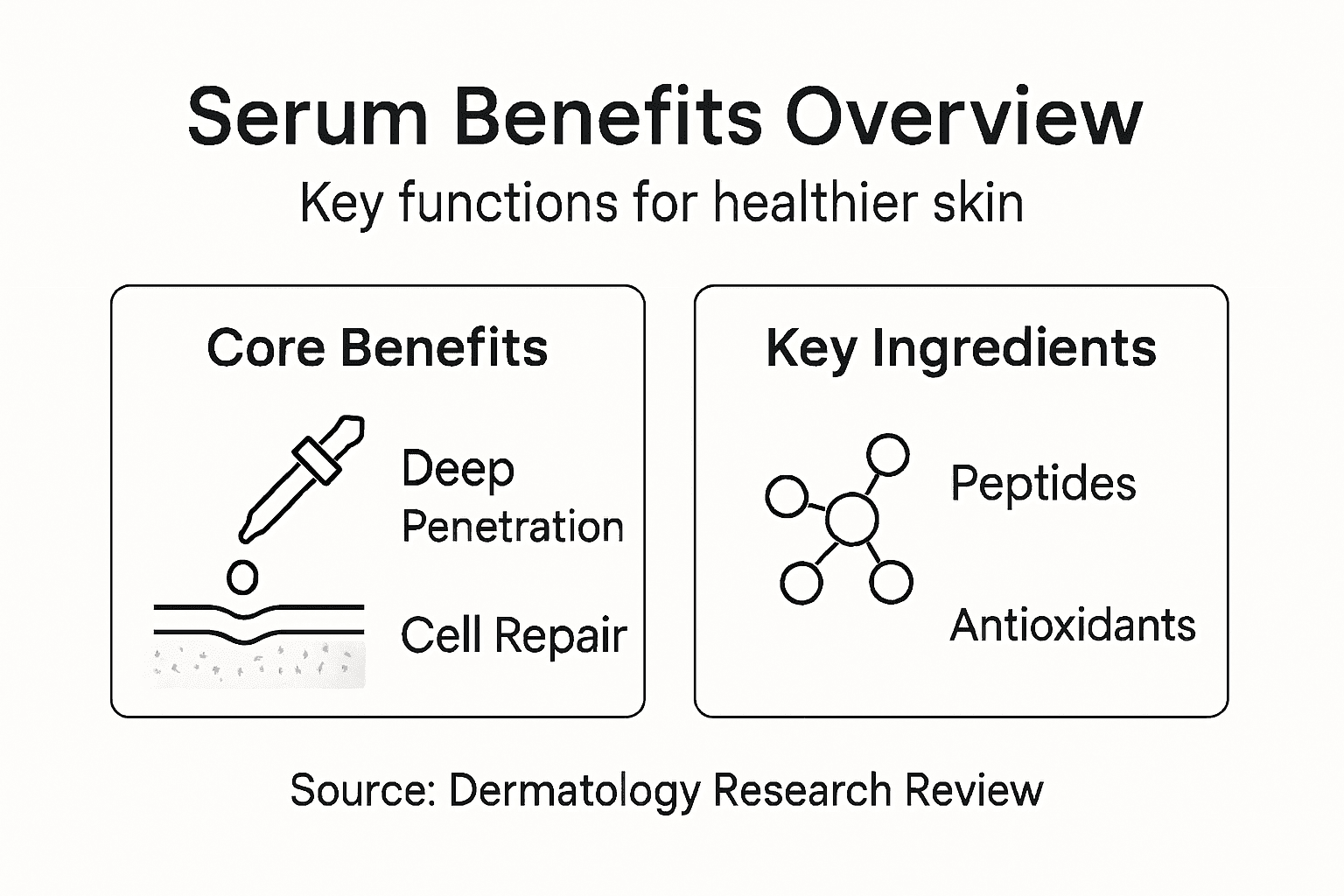
Advanced regenerative components including growth factors encourage cellular communication and extracellular matrix production at molecular levels. This accelerates the skin’s natural renewal cycle.
Results appear gradually: improved texture after 2 weeks, visible firmness improvements by 4-6 weeks, and lasting structural changes within 8-12 weeks.
Improving Barrier Function and Hydration
Niacinamide strengthens your skin barrier by supporting ceramide production and reducing water loss. A healthy barrier keeps actives in and irritants out, essential for mature skin.
Hyaluronic acid and glycerin draw moisture into skin layers, creating plumping that minimizes fine lines. Hydrated skin appears firmer and more youthful instantly.
Results From Consistent Use
Measurable improvements from serum use include:
- Improved skin texture and smoothness within 2-3 weeks
- Reduced appearance of fine lines within 4-6 weeks
- Enhanced firmness and elasticity within 8-12 weeks
- More even tone as pigmentation fades
- Strengthened barrier reducing sensitivity and irritation
Your skin’s repair capacity never truly stops—serums simply provide the tools and signals your cells need to work optimally at every age.
Pro tip: Use serums consistently for at least 8 weeks before evaluating results. Skin cell turnover takes this long to show real structural changes. Switching products weekly prevents your skin from adapting and responding to active ingredients.
Risks, Myths, and Choosing the Right Serum
Not every serum works for everyone, and price or “natural” labels don’t guarantee safety or effectiveness. Understanding real risks versus marketing hype helps you choose serums that deliver results without causing problems.
The skincare industry thrives on misconceptions. Learning to separate fact from fiction protects your skin and your investment.
Common Serum Myths
Myth 1: Natural serums are always safer. Natural doesn’t equal gentle or effective. Some plant-derived ingredients cause allergic reactions or sensitivities in mature skin. Safety depends on formulation, concentration, and your individual skin chemistry—not whether ingredients come from nature.
Myth 2: Expensive serums always work better. Price reflects marketing, packaging, and brand reputation, not necessarily efficacy. A well-formulated serum with proven ingredients at any price point outperforms an expensive product with questionable composition.
Myth 3: You need multiple serums for results. Strategic layering helps when addressing multiple concerns, but one quality serum addressing your primary issue delivers faster, more measurable results than juggling three products.
Real Risks to Understand
Ingredient sensitivities and allergic reactions occur with potent actives like retinoids and hydroxy acids. These ingredients are powerful precisely because they’re irritating to skin cells—that irritation drives change, but it requires careful introduction.
Risk factors include:
- Retinoid sensitivity causing redness, peeling, irritation
- Acid reactions in sensitive or compromised barriers
- Allergic responses to peptides or botanical extracts
- Over-exfoliation from combining multiple active ingredients
- Sun sensitivity from certain actives without proper SPF use
These risks decrease dramatically with proper introduction and sun protection.
How to Choose the Right Serum
Start by identifying your primary concern. Firmness? Tone? Both? Choosing a serum for your actual concern matters far more than following trends.
Look for clinical evidence, not just testimonials. Peptides, retinol, and vitamin C have published research supporting their effectiveness. If a serum highlights an ingredient with no clinical backing, question why.
Check the ingredient list order. Active ingredients appear early; if your key ingredient ranks fifth or lower, the concentration is probably insufficient for results.
Consider your skin type and sensitivities. Sensitive skin needs gentler actives introduced slowly. Oily skin tolerates stronger concentrations better than dry skin.
Selection checklist:
- Choose for your primary concern, not multiple issues
- Verify clinical evidence for key ingredients
- Check active ingredient position in formula
- Match strength to your skin’s tolerance level
- Plan sun protection if using potentially photosensitizing actives
- Introduce slowly over 2-3 weeks
Introduction Protocol Matters
How you start a serum determines success or failure. Jumping into daily use risks irritation and abandonment. Introducing properly maximizes benefits while minimizing side effects.
Begin with 2-3 times weekly for the first two weeks. Increase to every other day week three. Move to daily use week four if your skin tolerates well. This gradual approach lets your skin adapt to active ingredients.
The most expensive serum fails if your skin reacts negatively and you stop using it. Smart introduction beats aggressive dosing every time.
Pro tip: Never introduce two new active ingredients simultaneously. Add one serum, wait 4 weeks for stability, then add another if needed. This prevents confusion about which ingredient caused issues and allows proper barrier adaptation.
Unlock the Science of Youthful Skin with Targeted Serums
If you are concerned about loss of firmness, uneven skin tone, or volume depletion, understanding the power of serums as detailed in the article can transform your skincare routine. Serums penetrate deeply to stimulate collagen production and repair at the cellular level, addressing the root causes of aging. For anyone frustrated by surface-level products, switching to a carefully formulated serum made with peptides, tranexamic acid, and antioxidants is a game changer.
Discover how you can support your skin’s natural renewal and see visible results faster by exploring Cellure’s advanced serums and treatment kits. Our products are designed with clinically supported bioactive ingredients that work synergistically to restore firmness and even tone without irritation. Experience the confidence that comes with skin that looks healthier and more youthful every day.
Step up your skincare with science-backed solutions made for real aging concerns. Visit Cellure now to find the perfect serum to rebuild your skin’s foundation and brighten your complexion. Don’t wait to give your skin the repair it deserves—start seeing the difference in as little as 4 weeks.
Frequently Asked Questions
What are the main benefits of using serums for skin health?
Serums deliver concentrated active ingredients that penetrate deeper layers of the skin, effectively targeting specific concerns such as loss of firmness, uneven tone, and fine lines, resulting in more noticeable and lasting results compared to basic moisturizers.
How do I choose the right serum for my skin concerns?
Identify your primary skin concern, whether it’s firmness loss, uneven tone, or dehydration. Look for serums with proven active ingredients suitable for your skin type, ensuring they are effective and safe to use.
How should I apply serums for maximum effectiveness?
Apply serums to slightly damp skin to enhance absorption, followed by a moisturizer after a brief waiting period (30-60 seconds). This method locks in hydration and allows serums to penetrate more effectively.
How long does it typically take to see results from using serums?
Results can vary, but typically, improvements in skin texture may be noticeable within 2-3 weeks, while enhanced firmness and reduced pigmentation may take 4-12 weeks of consistent use to show significant changes.
Recommended
- Cellular Repair Works: Science Behind Youthful Skin – Cellure
- 6 Top Skin Repair Ingredients and How They Work for You – Cellure
- Step-by-Step Guide to Even Skin Tone for Radiant Results – Cellure
- How to Use Peptides for Skin to Restore Firmness and Glow – Cellure
- Vitamin C Serum: How It Transforms Your Skin