


Cellular Repair Works: Science Behind Youthful Skin
Finding a skincare routine that truly fights visible signs of aging can feel confusing, especially with so many bold promises in glossy packages. For women noticing changes in skin firmness or tone, understanding the science behind cellular repair processes is vital. This introduction cuts through marketing myths by revealing how your skin’s natural repair mechanisms and proven bioactive ingredients can work together to restore and maintain genuine radiance at every age.
Table of Contents
- Defining Cellular Repair And Common Myths
- Types Of Cellular Damage And Repair Pathways
- How Bioactive Ingredients Support Skin Renewal
- Risks, Expectations, And Mistakes In Cellular Repair
Key Takeaways
| Point | Details |
|---|---|
| Understanding Cellular Repair | Cellular repair is an essential biological process that continues throughout life, providing your skin with resilience against aging and damage. |
| Role of Active Ingredients | Ingredients like peptides and tranexamic acid support various repair pathways, enhancing the skin’s natural ability to heal and regenerate. |
| Realistic Expectations | Visible improvements in skin firmness and tone require consistency and patience, with noticeable changes typically taking 8-12 weeks. |
| Importance of Comprehensive Care | Combining multiple supportive ingredients and maintaining a well-rounded skincare routine is crucial for effective cellular repair and overall skin health. |
Defining Cellular Repair and Common Myths
Cellular repair isn’t just a buzzword in skincare marketing. It’s a real biological process your cells perform constantly to stay healthy and young-looking. Understanding what it actually means—and separating fact from fiction—is essential before investing in treatments.
What Cellular Repair Actually Is
Your skin cells face damage every single day from sun exposure, environmental pollution, stress, and simply aging. Cellular repair processes are the mechanisms your body uses to maintain and restore the integrity of cell structures like proteins, DNA, and membranes when they’re damaged or worn out.
Think of it like your home’s maintenance system. Just as your house needs repairs to stay structurally sound, your cells need active repair mechanisms to function properly and keep your skin looking firm and radiant.
Your cells don’t have just one repair pathway. They possess diverse overlapping repair systems that work together constantly, even when you’re stressed or aging. This redundancy is actually a good thing—it means your skin has multiple ways to heal itself.
Common Myths About Cellular Repair
There’s a lot of misinformation out there. Let’s bust the biggest ones:
-
Myth: Cellular repair stops as you age. False. Your cells can still repair themselves at any age—they just need proper support and the right ingredients to work optimally.
-
Myth: Only one product can trigger cellular repair. False. Your skin responds to multiple approaches: protective ingredients, hydration, peptides, and specific bioactive compounds all support repair in different ways.
-
Myth: Cellular repair happens overnight. False. Real cellular changes take weeks to months. Quick results you see are usually just hydration or plumping effects, not structural repair.
-
Myth: More expensive means better cellular repair. False. Efficacy depends on scientifically-backed ingredients and formulation, not price tag.
How Skin Repair Actually Works
When your skin experiences damage, your body launches a coordinated response. Signaling molecules activate specialized cells including fibroblasts (which produce collagen and elastin) and keratinocytes (which form your skin’s protective barrier).
This isn’t a simple one-step process. Wound repair and cellular recovery involves multiple phases: addressing inflammation, stimulating new cell growth, and rebuilding tissue structure. Each phase requires different cellular activities.
When these repair programs work smoothly, your skin maintains firmness and even tone. When they’re disrupted—by chronic stress, poor nutrition, or lack of support—your skin shows visible signs of aging.
Why This Matters for Your Skin
Your skin is incredibly resilient. At 30, 40, or 50, your cells retain the ability to repair and regenerate. The key is giving them what they need to function at their best.
Products formulated with peptides, tranexamic acid, and polynucleotides work by supporting your natural repair mechanisms, not replacing them. They signal your cells to activate their own healing pathways.
Here’s a quick reference to major repair-supporting ingredients and how they impact your skin:
| Ingredient | Main Function | Typical Benefit | Best Age Range |
|---|---|---|---|
| Peptides | Collagen stimulation | Improved firmness, elasticity | 30-50 |
| Tranexamic acid | Inflammation reduction | Even skin tone, calm redness | 30-50 |
| Polynucleotides | Cell communication | Enhanced renewal, DNA repair | 30-50 |
| Plant phytochemicals | Antioxidant defense | Protection, improved elasticity | 30-50 |
This is why understanding cellular repair changes how you approach skincare. It’s not about fighting your aging—it’s about supporting your skin’s own brilliant repair systems.
Pro tip: Look for products that support multiple repair pathways simultaneously—those combining peptides for collagen stimulation, hydrating ingredients for barrier function, and brightening compounds for overall skin renewal will deliver the most visible transformation.
Types of Cellular Damage and Repair Pathways
Your skin encounters different kinds of damage throughout the day. Understanding what types of damage occur and how your cells repair each one helps you choose the right skincare approach for your specific aging concerns.
The Main Types of Cellular Damage
Your skin faces multiple damage threats. Cellular damage includes mechanical injury, oxidative stress, DNA lesions, and membrane disruptions. Let’s break down what each means for your skin:
-
Oxidative stress: Free radicals from sun exposure and pollution damage cell components, leading to visible loss of firmness and elasticity.
-
UV damage: Sun exposure directly damages DNA in skin cells, accelerating visible aging and compromising skin tone.
-
Mechanical stress: Environmental factors, pollution particles, and even friction from rubbing your face cause cellular strain.
-
Membrane disruption: Your skin’s protective barrier weakens, allowing moisture loss and increased sensitivity.
How Your Skin Repairs Damage
Your body doesn’t passively accept damage. Instead, coordinated cellular repair pathways activate automatically when damage occurs. Multiple cell types work together in this process.
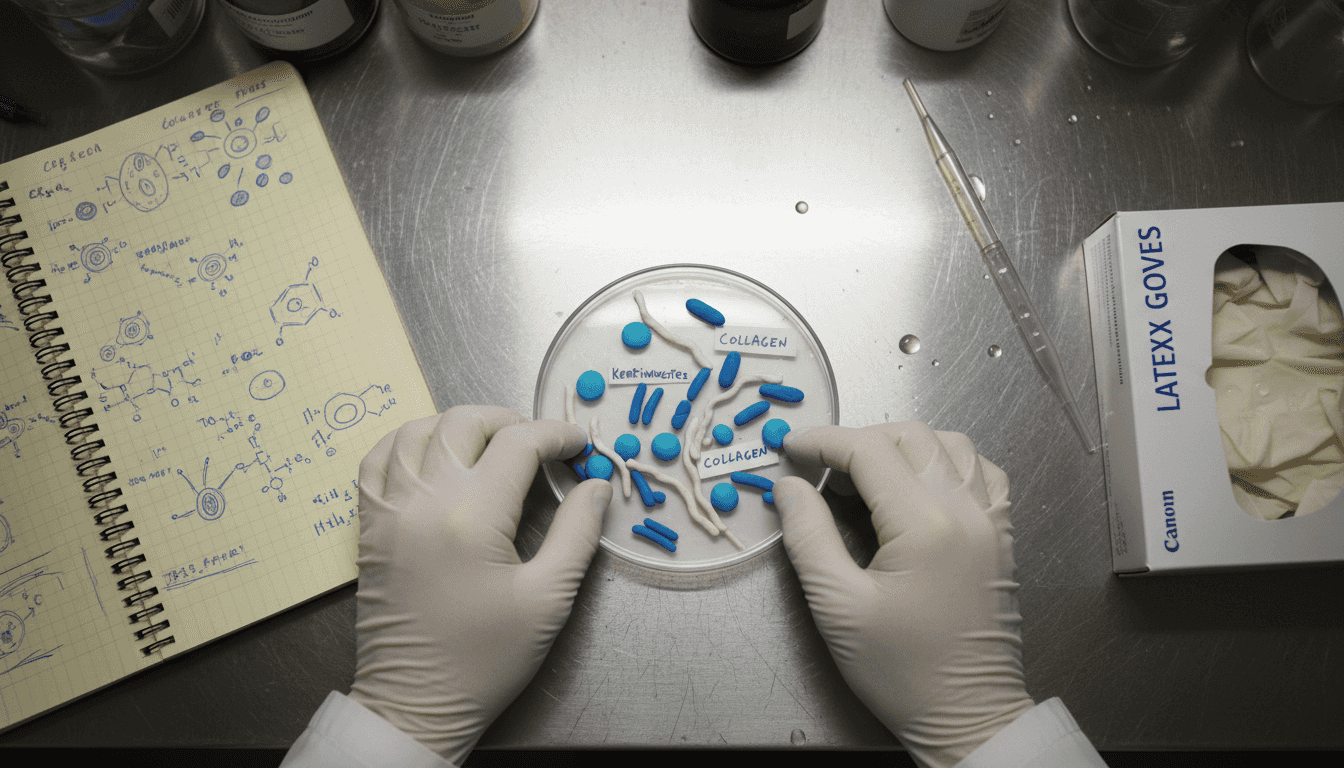
Fibroblasts produce collagen and elastin to rebuild structure. Keratinocytes restore your protective barrier. Immune cells reduce inflammation so healing can proceed. This isn’t random activity—it’s an orchestrated response.
The Repair Timeline
Repair happens in distinct phases, not all at once. Acute and chronic wound healing involves coordinated migration and proliferation of multiple cell types working through inflammation, rebuilding, and maturation.
Here’s the actual timeline:
-
Inflammatory phase (days 1-4): Immune cells clean up damage and reduce infection risk.
-
Proliferation phase (days 5-21): Fibroblasts deposit new collagen, cells multiply, and blood vessel growth begins.
-
Remodeling phase (weeks 3-12+): Collagen strengthens, skin firmness improves, and texture normalizes.
This is why quick-fix promises don’t work. Real cellular repair requires time and consistent support.
Compare how key cellular repair phases contribute to youthful skin:
| Repair Phase | Key Activities | Visible Skin Effect |
|---|---|---|
| Inflammatory | Immune cleanup, infection control | Reduces redness, calms skin |
| Proliferation | Collagen, cell growth, vessels | Firms skin, softens lines |
| Remodeling | Collagen strength, texture shift | Smooths tone, increases bounce |
When Repair Pathways Fail
Sometimes your repair mechanisms get disrupted. Chronic stress, poor nutrition, or inadequate sleep impair your cells’ ability to activate repair responses. The result? Visible signs of aging accelerate—loss of firmness, uneven tone, and reduced elasticity.
This is where targeted ingredients make a difference. Peptides signal fibroblasts to produce more collagen. Tranexamic acid calms inflammation so repair can progress. Polynucleotides support cell communication and renewal.
Your skin’s ability to repair doesn’t disappear with age—it just needs the right support and ingredients to activate.
Why This Matters for Your Routine
Knowing about these pathways changes how you approach skincare. You’re not fighting your skin; you’re supporting its natural repair systems. This shifts your focus from harsh treatments to intelligent nourishment.
Products that address multiple damage types simultaneously—combining hydration, antioxidant protection, and repair-stimulating ingredients—align with how your skin actually heals.
Pro tip: Use serums with peptides and polynucleotides during your evening routine when your skin naturally shifts into repair mode, maximizing the effectiveness of these repair-supporting ingredients during your sleep cycle.
How Bioactive Ingredients Support Skin Renewal
Bioactive ingredients aren’t just marketing language. They’re scientifically formulated compounds that actually trigger your skin’s repair and renewal processes at the cellular level. Understanding how they work changes everything about your skincare strategy.
What Makes an Ingredient Bioactive
A bioactive ingredient does something specific inside your skin cells. It doesn’t just sit on the surface—it penetrates and activates biological responses. Bioactive oligopeptides and natural compounds support skin regeneration by stimulating collagen synthesis, enhancing antioxidant defense, and regulating melanin production.
Their small molecular size allows them to penetrate deeply. Their biocompatibility means your skin recognizes them and responds naturally. This is why they deliver real, visible results over time.
How They Target Your Specific Concerns
Different bioactive ingredients address different aging signs. Here’s what matters most for women over 30:
-
Peptides: Signal fibroblasts to produce more collagen, directly improving firmness and elasticity.
-
Tranexamic acid: Reduces inflammation and hyperpigmentation, evening out uneven skin tone.
-
Polynucleotides: Support cell communication and DNA repair, accelerating renewal cycles.
-
Plant phytochemicals: Act as antioxidants, protecting against environmental damage while promoting elasticity.
The Science Behind the Results
Bioactive ingredients work through multiple pathways simultaneously. Plant-based phytochemicals inhibit enzymes that degrade collagen and elastin while also reducing inflammation and supporting wound healing.
This multi-pathway approach matters. Instead of just hydrating the surface, these ingredients modulate the molecular and physiological processes that keep your skin structurally intact.
When you use peptides with tranexamic acid and hydrating botanicals, you’re supporting collagen production, reducing inflammation, evening tone, and protecting against future damage all at once. Your skin doesn’t work in isolation—these ingredients work together the way your skin actually heals.
Why This Beats Surface-Level Solutions
Cosmetic oils and moisturizers feel nice temporarily. Bioactive ingredients create lasting change by addressing what’s actually happening underneath. They counteract both intrinsic aging (your body’s natural processes) and extrinsic aging (sun damage, pollution, stress).
Many women at 30-50 discover that they’ve been using the wrong approach. Instead of fighting aging with harsh treatments, supporting your skin’s own repair systems delivers noticeable firmness and tone improvements. Understanding how specific ingredients like peptides work can transform your entire skincare approach, allowing you to restore the structural integrity that’s naturally declining with age.
Bioactive ingredients don’t replace your skin’s repair system—they activate it and give it the resources to work optimally.
Combining Ingredients for Maximum Effect
The most effective formulations don’t isolate single ingredients. They combine complementary bioactive compounds that address multiple aspects of aging simultaneously.
Pro tip: Layer serums strategically by applying peptide-based formulations first (to stimulate collagen production), followed by ingredients containing tranexamic acid and polynucleotides (to support renewal and tone), finishing with hydrating botanicals that lock in benefits.
Risks, Expectations, and Mistakes in Cellular Repair
Cellular repair sounds like an uncomplicated solution to aging. But the reality is more nuanced. Understanding what can go wrong helps you set realistic expectations and avoid common skincare pitfalls.
The Balance Between Repair and Dysfunction
Your skin’s repair system is delicate. It needs to activate when damage occurs but also knows when to stop. Repair mechanisms must be precisely regulated to prevent cell death or pathological outcomes like chronic inflammation or excessive scarring.
When repair goes wrong, problems emerge. Too little repair means damage accumulates—you see visible aging accelerate. Too much repair can trigger fibrosis (excessive scarring) or inflammation that damages healthy skin.
Common Expectations That Disappoint
Many women expect dramatic results immediately. Real cellular repair doesn’t work that way. Here’s what actually happens:
-
Week 1-2: Hydration improves, skin feels plumper, but no structural change yet.
-
Week 3-6: Collagen production increases, fine lines begin softening, firmness subtly improves.
-
Month 2-3: Noticeable firmness gains, uneven tone evens out, skin texture refines.
-
Month 4+: Sustained improvements in elasticity, depth of lines reduces, skin looks genuinely rejuvenated.
And yes, results plateau. Your skin adapts to ingredients over time, which is why rotation and consistency matter more than constant product switching.
Mistakes That Undermine Results
Most women sabotage their own cellular repair without realizing it.
-
Oversimplifying the process: Using one ingredient and expecting complete transformation ignores that your skin needs multiple repair pathways activated simultaneously.
-
Ignoring systemic factors: Cellular injury and repair outcomes are complicated by aging, stress, and metabolic factors like diet and sleep. Skincare alone can’t overcome chronic stress or poor nutrition.
-
Switching products too frequently: Your skin needs 4-6 weeks minimum to respond. Changing routines weekly prevents any real repair from happening.
-
Using conflicting ingredients: Combining too many active ingredients can overwhelm your repair pathways and trigger inflammation instead of healing.
-
Neglecting sun protection: UV damage undoes cellular repair faster than any serum can build it. Without sunscreen, you’re literally fighting against yourself.
Realistic Outcomes at Your Age
At 30-50, your skin can still repair beautifully—but it requires consistency and patience. You won’t achieve the skin of a 20-year-old, nor should that be the goal. The goal is restoring firmness, evening tone, and looking genuinely healthy for your age.
Cellular repair is a marathon, not a sprint. Real transformation takes 8-12 weeks of consistent support.
When to Adjust Your Approach
If you see zero changes after 8 weeks, something needs adjusting. Your product formulation, application method, or supporting habits (sleep, hydration, sun protection) likely need refinement.
Pro tip: Track visible changes weekly using photos in consistent lighting and time of day, taking notes on firmness and tone improvements—this prevents unrealistic expectations and helps you identify what’s actually working for your individual skin.
Unlock Your Skin’s True Potential with Targeted Cellular Repair
The article explores the vital role of cellular repair in maintaining youthful, firm, and radiant skin while revealing common myths and challenges faced as we age. If you are noticing signs like loss of firmness, uneven tone, or fine lines and want to support your skin’s natural regenerative systems instead of relying on quick fixes, you are not alone. Key terms like peptides, tranexamic acid, and polynucleotides highlight scientifically proven ingredients that activate your skin’s own healing pathways for lasting improvements.
Discover how you can make these insights actionable with Cellure’s advanced skincare solutions. Our serums and treatment kits are specially formulated with clinically supported bioactive ingredients that promote collagen stimulation, reduce inflammation, and enhance renewal. Don’t let cellular repair myths hold you back. Experience firm, even-toned skin backed by regenerative science today. Take the first step and explore our collection at Cellure to start your personalized repair journey now. Learn more about how our formulations harness the power of peptides and polynucleotides to revitalize your skin by visiting Cellure’s main landing page.
Frequently Asked Questions
What is cellular repair and why is it important for youthful skin?
Cellular repair is a biological process where your skin cells restore damaged structures like proteins and DNA. It is crucial for maintaining healthy, youthful-looking skin as it helps combat the effects of aging and environmental damage.
How do bioactive ingredients support cellular repair?
Bioactive ingredients, like peptides and tranexamic acid, penetrate deeply into the skin and stimulate biological responses such as collagen production and inflammation reduction, which help your skin repair itself more effectively.
How can I optimize my skincare routine for better cellular repair?
To enhance cellular repair, use products featuring multiple active ingredients like peptides, polynucleotides, and tranexamic acid. Apply them consistently and strategically, especially at night when your skin naturally repairs itself.
How long does it take to see results from cellular repair treatments?
Visible improvements from cellular repair processes typically take 8 to 12 weeks of consistent use to show noticeable firmness and an even skin tone, as cellular repair is a gradual process that requires time and support.