


Why Target Cellular Repair? 30% Firmer Skin with Peptides
Fine lines deepen, firmness fades, and tone becomes uneven. You try creams promising miracles, but real change stays elusive. The problem isn’t your effort. It’s that visible aging stems from cellular senescence and oxidative damage, processes most products never touch. Understanding and targeting these mechanisms scientifically transforms skin health. This article reveals why cellular repair is essential for genuine rejuvenation and how you can leverage it effectively.
Table of Contents
- Understanding Cellular Mechanisms of Skin Aging
- Bioactive Ingredients for Cellular Repair
- Common Misconceptions About Cellular Repair
- Comparison of Cellular Repair Actives
- Applying Cellular Repair in Skincare Routines
- Broader Impact of Cellular Skin Repair
- Explore Cellure’s Science-Backed Cellular Repair Solutions
- Frequently Asked Questions
Key Takeaways
| Point | Details |
|---|---|
| Cellular damage drives visible aging | Senescence, DNA damage, and oxidative stress reduce collagen and firmness systematically. |
| Bioactive ingredients repair at molecular level | Peptides, polynucleotides, and tranexamic acid stimulate regeneration beyond surface hydration. |
| Moisturizers don’t equal cellular repair | Many products hydrate but lack actives that penetrate cells to reverse damage. |
| Consistent use delivers measurable results | 12 weeks of repair serums improve elasticity by up to 30% and reduce wrinkles by 25%. |
| Repair benefits extend beyond skin | Reduced cellular senescence correlates with 20-30% lower cardiovascular risk and better healthspan. |
Understanding Cellular Mechanisms of Skin Aging
Your skin ages because cells malfunction over time. Intrinsic aging involves cellular senescence, DNA damage, and oxidative stress. These processes unfold naturally but accelerate dramatically with UV exposure and pollution.
Senescent cells stop dividing and start secreting inflammatory factors. These molecules degrade collagen, the protein scaffolding that keeps skin firm. UV-induced reactive oxygen species cause up to 50% more collagen breakdown in photoaged skin compared to protected skin. Think of collagen as the steel beams in a building. When rust spreads, the structure weakens.
Another critical factor involves adipocytes, the fat cells beneath your skin. As these cells age, adipocyte dysfunction promotes extracellular matrix degradation and chronic inflammation. This breakdown reduces volume and creates sagging. When your skin’s foundation crumbles, wrinkles and loss of contour follow.
“Cellular aging isn’t just about time passing. It’s about accumulated damage to the machinery that builds and maintains your skin.”
Key cellular aging mechanisms include:
- Senescent cells secreting enzymes that destroy collagen and elastin fibers
- Oxidative stress overwhelming antioxidant defenses, causing DNA and protein damage
- Adipocyte decline reducing structural support and increasing inflammation
- Impaired fibroblast function limiting new collagen synthesis
- Mitochondrial dysfunction reducing energy available for repair processes
These processes feed each other. Oxidative stress accelerates senescence. Senescent cells generate more reactive oxygen species. The cycle intensifies, and your skin loses its ability to regenerate. Understanding the science behind cellular repair helps you recognize why targeting these root causes matters more than surface treatments.
The good news? Bioactive ingredients can interrupt these cycles. By addressing cellular senescence in skin aging and counteracting oxidative stress and collagen breakdown, you shift from managing symptoms to repairing the foundation.
Bioactive Ingredients for Cellular Repair
Not all ingredients penetrate cells to stimulate regeneration. True repair requires bioactives with proven molecular activity. Here’s what works.
Peptides are short chains of amino acids that signal cells to produce collagen and elastin. Peptides stimulate collagen synthesis by up to 35%, directly improving firmness and elasticity. They act like messengers, telling fibroblasts to ramp up production. Unlike moisturizers that sit on the surface, peptides work inside cells to rebuild structural proteins.
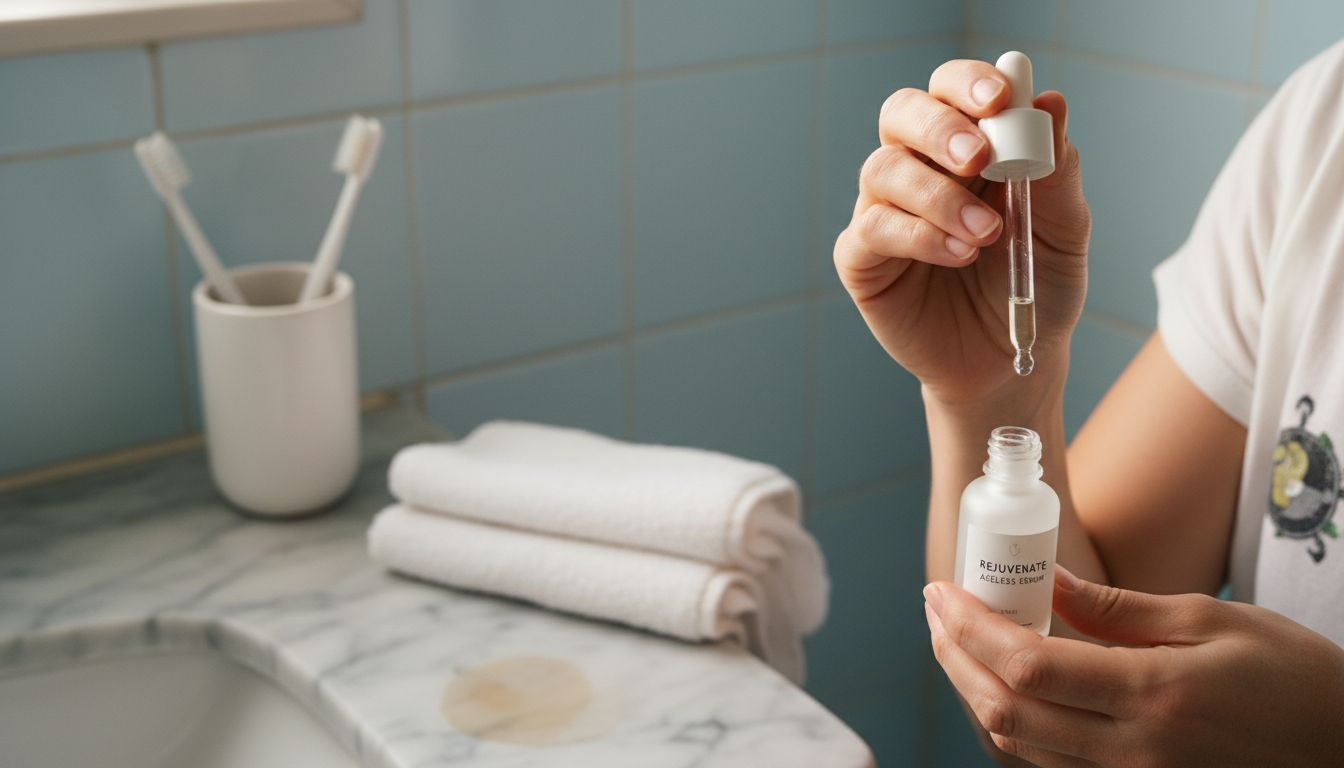
Polynucleotides are nucleic acid fragments that enhance fibroblast function and extracellular matrix remodeling. These molecules support cellular communication and tissue repair. They improve hydration, but more importantly, they help cells organize new collagen into functional networks. Think of polynucleotides as construction managers coordinating repair crews.
Tranexamic acid reduces pigmentation irregularities and calms inflammation. It inhibits melanin production and decreases inflammatory mediators that worsen aging. By targeting multiple pathways, tranexamic acid addresses both discoloration and the inflammatory component of cellular aging.
Key bioactive benefits:
- Peptides directly increase collagen and elastin production for structural support
- Polynucleotides enhance extracellular matrix organization and cellular signaling
- Tranexamic acid reduces pigmentation and inflammation simultaneously
- Bioactives penetrate to the cellular level, unlike surface hydrators
- Combined use targets senescence, oxidative damage, and inflammation together
Pro Tip: Layer peptides with antioxidants in the morning. Peptides stimulate repair while antioxidants neutralize free radicals, protecting new collagen from oxidative damage. This combination maximizes regeneration efficiency.
Explore detailed profiles of top skin repair ingredients to understand how each bioactive targets specific aging mechanisms. The evidence for peptides and polynucleotides demonstrates measurable improvements in firmness, wrinkle depth, and skin density after consistent use.
Common Misconceptions About Cellular Repair
Confusion surrounds cellular repair, largely because marketing blurs the line between hydration and regeneration. Let’s clear that up.
Moisturizers hydrate the stratum corneum, the outermost skin layer. They improve texture temporarily but don’t reduce senescent cells or repair DNA damage. Hydration is essential, but it’s not repair. If your skin’s cellular machinery is broken, adding water won’t fix it.
Not all anti-aging products promote true cellular regeneration. Many contain mild retinoids or basic antioxidants that offer marginal benefits. Genuine cellular repair requires bioactives proven to stimulate fibroblasts, reduce senescent cell activity, or enhance extracellular matrix synthesis. Check ingredient lists for peptides, polynucleotides, or clinically validated actives.
No product can permanently stop or reverse aging. Cellular repair products slow damage accumulation and enhance regeneration, but aging continues. Ongoing care is essential. Think of it like maintaining a car. Regular oil changes prevent engine failure, but they don’t make the car immune to wear.
Natural ingredients without clinical evidence usually lack repair capabilities. Plant extracts may provide antioxidants, but few have proven cellular repair activity. Efficacy requires rigorous testing, not just botanical appeal.
Key misconceptions to avoid:
- Equating hydration with cellular repair or regeneration
- Assuming all anti-aging products target cellular mechanisms
- Believing one product can permanently halt aging processes
- Trusting natural claims without clinical validation
- Expecting instant results from repair-focused treatments
Learn more about common misconceptions about cellular repair to avoid products that promise cellular benefits without delivering molecular activity. Understanding the difference between marketing language and scientific mechanisms protects you from wasting time and money.
Comparison of Cellular Repair Actives
Different bioactives target distinct aging mechanisms. Matching ingredients to your concerns optimizes results.
| Active | Primary Mechanism | Key Benefits | Best For |
|---|---|---|---|
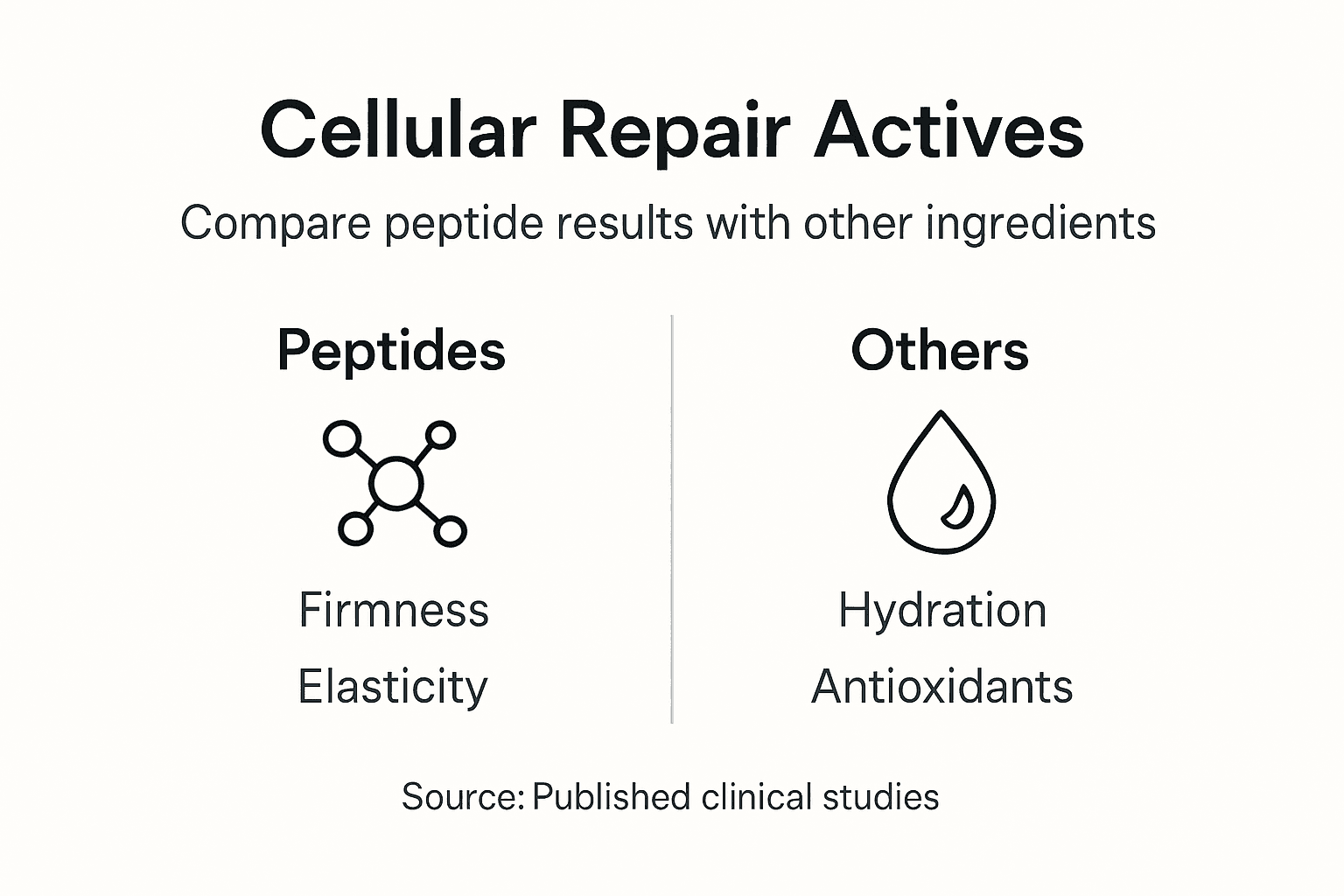
| Peptides | Stimulate collagen and elastin synthesis | Increase firmness by up to 35%, improve elasticity | Loss of firmness, wrinkles, sagging |
| Tranexamic Acid | Inhibit melanin production, reduce inflammation | Brighten tone, calm redness, reduce pigmentation | Uneven tone, dark spots, inflammation |
| Polynucleotides | Enhance extracellular matrix remodeling, boost hydration | Improve skin density, support fibroblast function | Volume loss, dryness, overall aging |
| Retinoids | Accelerate cell turnover, increase collagen production | Reduce fine lines, improve texture | Rough texture, fine lines, acne marks |
| Antioxidants | Neutralize free radicals, protect cellular structures | Prevent oxidative damage, support repair | Sun damage, environmental exposure |
Peptides excel at rebuilding structural proteins. If firmness and elasticity are your priorities, peptides deliver measurable improvements. Tranexamic acid addresses pigmentation and calms inflammation, making it ideal for uneven tone or redness. Polynucleotides promote matrix remodeling and hydration, supporting overall cellular function.
Understanding these differences supports personalized skincare selection. You wouldn’t use a hammer to tighten a screw. Similarly, choose actives aligned with your specific aging concerns. Review detailed ingredient profiles to match bioactives to your skin’s needs.
Applying Cellular Repair in Skincare Routines
Knowing ingredients matters little if you don’t use them effectively. Here’s how to integrate cellular repair for visible results.
- Identify your visible aging signs. Are wrinkles, sagging, or pigmentation your primary concern? This determines which bioactives to prioritize.
- Choose products with validated ingredients. Look for peptides, polynucleotides, or tranexamic acid backed by clinical studies. Avoid vague anti-aging claims.
- Layer serums strategically. Apply water-based serums first, then oil-based products. This ensures each active penetrates without interference.
- Use products consistently for at least 8 to 12 weeks. Cellular repair takes time. Consistent 12-week use of repair-focused serums leads to up to 30% elasticity improvement and 25% wrinkle depth reduction.
- Incorporate sun protection daily. UV exposure generates reactive oxygen species that overwhelm repair efforts. SPF 30 or higher is non-negotiable.
- Support repair with lifestyle habits. Sleep, hydration, and antioxidant-rich foods reduce oxidative stress and enhance cellular function.
Pro Tip: Apply peptide serums at night when skin repair processes peak. Cellular turnover and collagen synthesis accelerate during sleep, maximizing peptide effectiveness.
Explore advanced cellular regeneration solutions designed to target multiple aging mechanisms. The complete skin repair kit combines synergistic actives for comprehensive cellular support. Discover the story behind Cellure to understand the science and commitment driving these formulations.
Review clinical evidence for repair routines to see how consistent application delivers measurable improvements in firmness, elasticity, and tone.
Broader Impact of Cellular Skin Repair
Your skin reflects systemic aging. Improving cellular health in skin may benefit your entire body.
Reduced skin senescence correlates with 20 to 30% lower cardiovascular risk and improved lifespan markers. Senescent cells secrete inflammatory molecules that enter circulation, contributing to age-related diseases. By reducing senescent cell burden in skin, you may lower systemic inflammation.
Cellular repair supports dermal regeneration, decreasing oxidative stress and inflammatory signaling. These benefits extend beyond appearance. Healthier skin indicates better cellular function throughout your body.
Key broader impacts:
- Skin senescence serves as a marker for systemic aging and overall health
- Improving skin cellular health correlates with better cardiovascular function
- Cellular repair reduces inflammation and oxidative stress systemically
- Targeting skin aging mechanisms may contribute to healthspan extension
- Integrating cellular repair fits into holistic aging management strategies
Understand how skin repair kits and overall health connect by exploring the relationship between dermal cellular function and systemic aging. Learn about the role of serums in whole-body health to see how targeted treatments support broader wellness.
Examine the systemic impact of skin cellular repair to appreciate how reducing cellular senescence in skin may influence cardiovascular health and longevity. Cellular repair isn’t vanity. It’s a component of comprehensive aging management.
Explore Cellure’s Science-Backed Cellular Repair Solutions
You now understand how cellular damage drives visible aging and which bioactives reverse it. The next step is applying this knowledge.
Cellure formulates products specifically for cellular repair, combining peptides, polynucleotides, and tranexamic acid in clinically validated concentrations. Each serum targets distinct aging mechanisms, from firmness loss to pigmentation irregularities. The Complete Skin Repair Kit delivers comprehensive cellular support in one system.
Explore the peptide usage guide for practical application tips that maximize results. Discover how Cellure advanced cellular regeneration combines education with effective products, empowering you to take control of your skin health.
Frequently Asked Questions
How long before I see visible improvements from cellular repair products?
Most users notice firmness improvements within 8 to 12 weeks of consistent use. Collagen synthesis and extracellular matrix remodeling take time, so patience is essential. Early changes include improved hydration and texture, followed by reduced wrinkle depth and increased elasticity.
What’s the difference between hydration and cellular repair?
Hydration adds water to the outer skin layer, improving texture temporarily. Cellular repair stimulates fibroblasts to produce collagen, reduces senescent cells, and enhances extracellular matrix organization. Hydration is surface level; repair is molecular and structural.
Can I combine cellular repair products with sunscreen?
Absolutely. Sunscreen is critical because UV exposure generates reactive oxygen species that damage DNA and proteins, overwhelming repair efforts. Apply repair serums first, then sunscreen with SPF 30 or higher. This combination protects new collagen while preventing further cellular damage.
How do peptides differ from other anti-aging actives?
Peptides signal cells to increase collagen and elastin production directly. Retinoids accelerate cell turnover and boost collagen indirectly. Antioxidants neutralize free radicals to prevent damage. Peptides rebuild structure, retinoids renew surface layers, and antioxidants protect. Each serves a distinct role in comprehensive skin health.
Are cellular repair products suitable for sensitive skin?
Yes, if formulated without irritants. Peptides, polynucleotides, and tranexamic acid are generally gentle. Avoid products with high alcohol content or unnecessary fragrances. Start with lower concentrations and patch test new actives to ensure your skin tolerates them well before full application.