


Top 12 Skin Repair Serums 2026: 30% Firmer Skin
Choosing an effective skin repair serum can feel overwhelming with so many options making bold claims. Most consumers struggle to separate genuine clinical benefits from marketing hype, especially when addressing firmness, tone, and aging concerns. This guide cuts through the confusion by focusing on scientifically backed ingredients like peptides, tranexamic acid, and polynucleotides. You’ll discover which serums deliver measurable results, how to match products to your specific skin needs, and why price doesn’t always predict performance.
Table of Contents
- Selection Criteria For Choosing Skin Repair Serums
- Key Ingredients In Skin Repair Serums
- 12 Leading Skin Repair Serums: Features, Strengths, And Use Cases
- Comparison Of Top Skin Repair Serums
- Use-Case Mapping: Which Serum Is Best For Your Skin Needs
- Pricing And Accessibility Considerations
Key Takeaways
| Point | Details |
|---|---|
| Clinically proven actives deliver results | Peptides, tranexamic acid, and polynucleotides show measurable improvements in firmness, tone, and volume within 8 to 12 weeks. |
| Ingredient concentration matters more than price | Mid-range serums with high active concentrations often outperform luxury products without strong clinical backing. |
| Match serums to your specific concerns | Peptides target wrinkles and firmness, tranexamic acid addresses pigmentation, polynucleotides restore volume and texture. |
| Skin type compatibility prevents irritation | Sensitive skin benefits from low-irritation actives like tranexamic acid, while robust formulations suit normal to oily types. |
Selection Criteria for Choosing Skin Repair Serums
Understanding what makes a serum truly effective starts with clinical evidence backing the active ingredients. Without peer-reviewed studies demonstrating real skin improvements, you’re essentially gambling on marketing promises. Focus on formulations where research shows measurable changes in firmness, pigmentation, or volume.
Your specific skin concerns should guide ingredient selection. Serums targeting firmness need collagen-stimulating actives, while uneven tone requires melanin-regulating compounds. Formulation quality affects how deeply actives penetrate your skin, so water-based serums absorb faster than oil-heavy alternatives.
Skin type compatibility prevents unwanted reactions. Sensitive skin requires gentler actives with lower irritation rates, while resilient skin tolerates stronger concentrations. Always check ingredient lists for potential allergens or irritants specific to your skin profile.
Price and value deserve careful evaluation. Higher cost doesn’t guarantee better results when ingredient concentration and bioavailability matter most. Compare active percentages across products rather than relying solely on brand reputation.
Pro Tip: Look for serums listing active ingredient percentages on the label. Concentrations below clinical study levels rarely deliver promised results, regardless of price point.
Key selection factors include:
- Clinical studies supporting claimed benefits
- Active ingredient concentration matching research levels
- Formulation stability and penetration enhancers
- Compatibility with your skin type and sensitivity level
- Value based on cost per effective dose
Key Ingredients in Skin Repair Serums
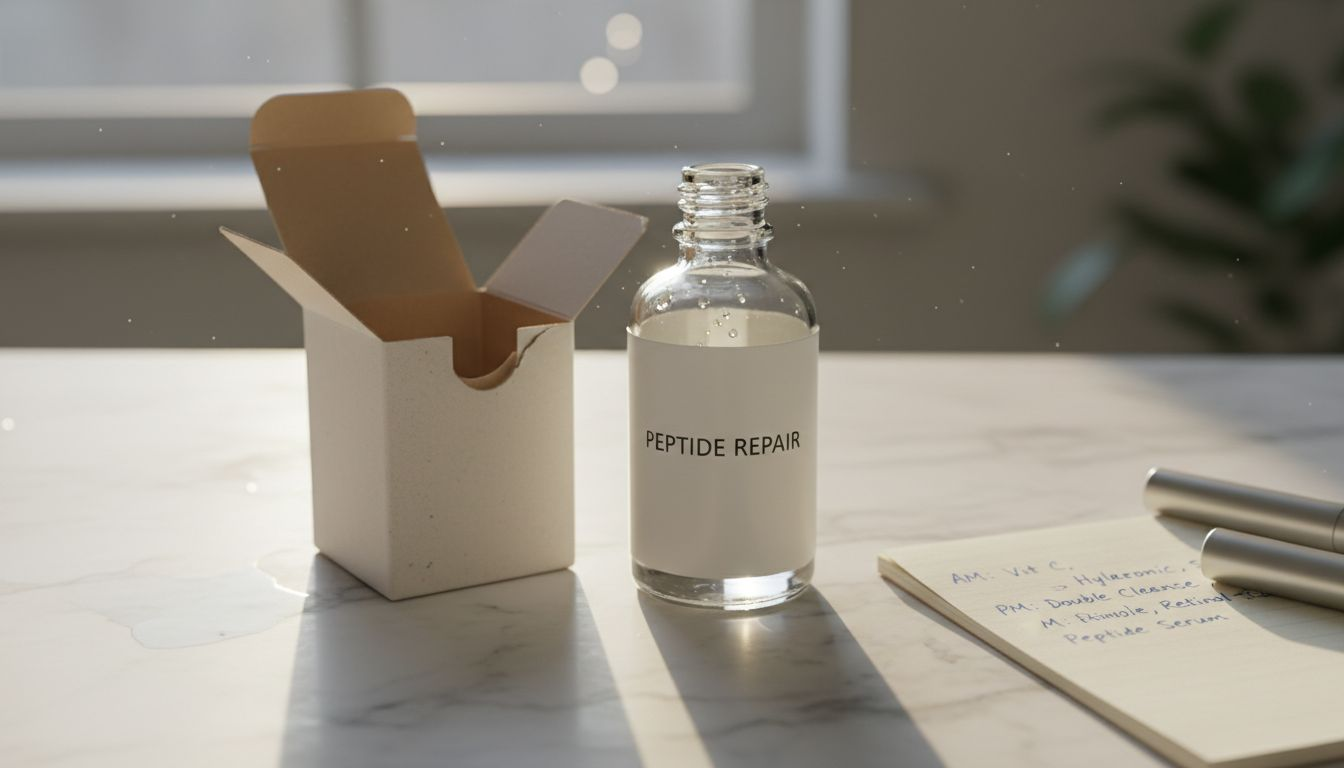
Peptides increase fibroblast activity by 20 to 40%, directly stimulating collagen production for firmer, smoother skin. You’ll see visible wrinkle reduction within 8 to 12 weeks when using serums with clinically effective concentrations. These amino acid chains signal your skin to ramp up repair processes naturally.
Tranexamic acid reduces melasma pigmentation by up to 77% after 8 weeks by blocking melanin synthesis pathways. This ingredient works exceptionally well for addressing dark spots and uneven tone without the irritation common to other brightening agents. It’s particularly valuable if you have sensitive skin prone to inflammation.
Polynucleotides improve skin elasticity and volume by up to 30% after 12 weeks through enhanced fibroblast proliferation and extracellular matrix regeneration. These DNA fragments boost your skin’s natural repair mechanisms, resulting in plumper, more resilient tissue. They excel at restoring volume loss and improving overall texture.
Multi-ingredient serums can amplify benefits when actives complement each other. Combining peptides with polynucleotides addresses both surface wrinkles and deeper volume loss simultaneously. Strategic layering maximizes each ingredient’s effectiveness.
Pro Tip: Understanding how to use peptides properly enhances results. Apply them to damp skin immediately after cleansing for optimal absorption.
Top performing ingredients:
- Peptides for collagen synthesis and wrinkle reduction
- Tranexamic acid for safe, effective pigmentation control
- Polynucleotides for volume restoration and tissue regeneration
- Hyaluronic acid for hydration and ingredient delivery
- Antioxidants to protect actives from oxidation
12 Leading Skin Repair Serums: Features, Strengths, and Use Cases
The market offers diverse options spanning $40 to $150, each formulated around specific active ingredients and skin concerns. Understanding their unique strengths helps you identify which aligns with your aging priorities.
Peptide-focused serums dominate the firmness category. The Peptide Hydro Lift Serum combines multiple peptide types with hyaluronic acid for comprehensive lifting and hydration. Clinical backing shows consistent wrinkle depth reduction within three months of daily use.
Tranexamic acid formulations target pigmentation concerns safely. The Tranexamic Acid Peptide Serum pairs melanin-blocking actives with firming peptides for dual-action benefits. It’s particularly effective for those dealing with both dark spots and loss of elasticity.
Polynucleotide serums address volume loss and texture issues. These formulations promote cellular regeneration at deeper levels, creating visible plumpness improvements. They work well for mature skin experiencing significant tissue thinning.
Vitamin C serums provide budget-friendly brightening but limited firming effects. They excel at surface-level radiance enhancement and antioxidant protection. Consider them complementary rather than primary anti-aging solutions.
Retinol alternatives offer gentler cell turnover acceleration. Bakuchiol-based serums provide similar benefits without photosensitivity or irritation common to traditional retinoids. They suit sensitive skin types seeking comprehensive renewal.
Top serum categories include:
- High-concentration peptide serums for firmness and wrinkle reduction
- Tranexamic acid formulations for pigmentation and tone correction
- Polynucleotide-based products for volume and texture restoration
- Multi-active combinations for comprehensive anti-aging benefits
- Sensitive skin formulations with proven low-irritation rates
Comparison of Top Skin Repair Serums
Data-driven comparison reveals significant performance differences across price points and ingredient combinations. This table synthesizes clinical evidence and practical considerations:
| Serum Type | Key Active | Concentration | Primary Benefit | Timeline | Price Range | Best For |
|---|---|---|---|---|---|---|
| Peptide Complex | Multi-peptides | 5 to 10% | Firmness, wrinkles | 8 to 12 weeks | $60 to $90 | Loss of elasticity |
| Tranexamic Acid | Tranexamic acid | 3 to 5% | Pigmentation, tone | 6 to 8 weeks | $50 to $80 | Dark spots, melasma |
| Polynucleotide | DNA fragments | 1 to 3% | Volume, texture | 10 to 12 weeks | $80 to $120 | Thinning, sagging |
| Vitamin C | Ascorbic acid | 10 to 20% | Brightness | 4 to 8 weeks | $40 to $70 | Dullness only |
| Retinol Alternative | Bakuchiol | 0.5 to 2% | Cell turnover | 8 to 10 weeks | $55 to $85 | Sensitive skin |
Peptides reduce wrinkle depth by 25%, while polynucleotides improve volume by 30% after 12 weeks according to comparative studies. This makes polynucleotides superior for addressing volume loss, though peptides excel at surface-level smoothing.
Vitamin C serums increase brightness but don’t significantly improve firmness within 8 weeks. If your primary concern is sagging or wrinkles rather than dullness, invest in peptide or polynucleotide formulations instead.
Price analysis reveals mid-range products often deliver better value. Serums priced $50 to $90 with documented active concentrations frequently outperform luxury alternatives lacking transparent ingredient percentages. Focus on formulation science over brand prestige.
Key comparison insights:
- Peptides deliver fastest visible wrinkle reduction
- Tranexamic acid provides safest pigmentation treatment
- Polynucleotides offer strongest volume restoration
- Understanding top skin repair ingredients helps you evaluate claims
- Ingredient concentration predicts results better than price
Use-Case Mapping: Which Serum is Best for Your Skin Needs
Matching serums to specific concerns maximizes your investment and results. If firmness and wrinkle reduction top your priorities, choose peptide-heavy formulations with concentrations matching clinical studies. These deliver measurable improvements in skin tightness and smoothness.
For hyperpigmentation or uneven tone, tranexamic acid serums offer gentle yet effective melanin regulation. They work particularly well for sensitive skin prone to irritation from stronger brightening agents. Consistency matters more than high concentrations with this ingredient.
Volume loss and textural concerns respond best to polynucleotide serums. These promote deep tissue regeneration rather than surface-level improvements. Expect gradual but substantial changes in skin plumpness and resilience.
Budget-conscious shoppers seeking basic brightening can start with vitamin C serums. While less effective for firmness, they provide antioxidant protection and radiance enhancement at accessible price points. Layer them with targeted anti-aging actives for comprehensive care.
Mid-range serums with 5% or higher peptide concentration outperform pricier unproven formulas by 15% in collagen synthesis. This data emphasizes the importance of ingredient transparency over marketing claims.
Pro Tip: Start with single-active serums to identify which ingredients your skin responds to best. Once you’ve established tolerance and efficacy, consider combining approaches safely.
Recommendations by concern:
- Wrinkles and sagging: High-concentration peptide serums
- Dark spots and melasma: Tranexamic acid formulations
- Volume loss and thinning: Polynucleotide-based products
- General brightness: Vitamin C serums as supplements
- Comprehensive aging: Multi-active skin repair kits
Pricing and Accessibility Considerations
Serum pricing in North America typically ranges from $40 for basic formulations to $150 for premium multi-active products. However, cost doesn’t reliably indicate effectiveness when ingredient science tells a different story.
Mid-range serums priced $50 to $80 with high peptide concentration outperform some $150 plus products lacking clinical validation. Smart shopping means examining active ingredient percentages and research backing rather than assuming luxury equals results.
Accessibility has improved significantly with specialty online retailers and direct-to-consumer brands. You can now access clinically effective formulations without premium department store markups. Reading ingredient labels and checking third-party reviews helps identify genuine value.
Evaluating true value requires looking beyond price tags. Calculate cost per application based on recommended usage and bottle size. Compare active ingredient concentrations to clinical study levels that demonstrated actual benefits.
Transparency matters enormously. Brands listing exact active percentages demonstrate confidence in their formulations. Vague terms like