


Top ingredients for skin rejuvenation backed by science
TL;DR:
- Proven ingredients like retinoids, niacinamide, and vitamin C offer measurable skin rejuvenation results.
- Combining actives thoughtfully and gradually minimizes irritation and enhances efficacy for sensitive skin.
- Consistent, barrier-friendly routines focused on supporting skin repair outperform aggressive, high-dose approaches.
The skincare aisle is overwhelming. Dozens of serums promise firmer, brighter, younger-looking skin, yet most people struggling with fine lines, loss of firmness, or uneven tone still feel lost when choosing what actually works. The good news is that science has narrowed the field considerably. A handful of well-researched, gentle ingredients consistently deliver real, measurable results for aging and sensitive skin. This guide breaks down exactly which actives earn their place in your routine, how they work at the cellular level, and how to combine them smartly without irritating your skin.
Table of Contents
- How to evaluate ingredients for skin rejuvenation
- Proven ingredients for youthful, resilient skin
- Comparison of top skin rejuvenation ingredients
- Choosing and combining ingredients for your best results
- The truth about skin rejuvenation: What most routines miss
- Ready for science-backed skin rejuvenation?
- Frequently asked questions
Key Takeaways
| Point | Details |
|---|---|
| Clinically proven actives | Retinoids, niacinamide, vitamin C, and peptides deliver true rejuvenation and repair. |
| Gentle combinations work best | Blending actives like niacinamide with others enhances results and reduces irritation. |
| Routine consistency is key | Visible improvements in elasticity and smoothness come from regular, informed use over 12 weeks. |
| Support the skin barrier | Hydration and antioxidants help skin tolerate powerful rejuvenating ingredients. |
How to evaluate ingredients for skin rejuvenation
Not every ingredient that trends on social media belongs in your routine. When you’re dealing with aging or sensitive skin, the stakes are higher. The wrong choice can compromise your skin barrier, trigger inflammation, or simply waste your money. Evaluating an ingredient properly means asking three questions: Is there clinical evidence behind it? Does it suit sensitive or mature skin? And does it work even better when paired with other actives?
Clinical evidence matters more than marketing claims. Look for ingredients tested in peer-reviewed studies with measurable outcomes like reduced wrinkle depth, improved elasticity, or increased collagen density. Anecdotal results and before-and-after photos are not substitutes for controlled trials.
Tolerance is equally important. Evidence on active ingredients confirms that retinoids and niacinamide are gold standards for rejuvenation, but irritation and sensitivity must be carefully considered, especially when starting out. Mature skin tends to have a thinner, more reactive barrier, so what works for a 25-year-old may not be appropriate without modification.
Finally, ingredient synergy is underrated. Combining certain actives reduces irritation while amplifying results. You can explore how skin repair ingredients interact to understand why pairing matters as much as individual ingredient choice.
Key criteria to evaluate any rejuvenating ingredient:
- Clinical backing: Peer-reviewed studies with measurable skin outcomes
- Tolerability: Safety profile for sensitive, mature, or reactive skin
- Barrier compatibility: Does it support or disrupt the skin barrier?
- Synergy potential: Does it work better alongside other actives?
- Cumulative benefit: Does consistent use deliver lasting improvement?
Pro Tip: Introduce one new active at a time and patch test on your inner arm for 48 hours before applying it to your face. This makes it easy to identify what your skin loves and what it doesn’t.
Setting out a framework for making informed choices, let’s examine the top science-backed ingredients in detail.
Proven ingredients for youthful, resilient skin
With clear criteria in mind, let’s explore the standout ingredients that deliver visible and lasting rejuvenation.
Retinoids remain the most studied anti-aging actives available without a prescription. They boost collagen, increase cell turnover, and reduce wrinkles by modulating gene expression in skin cells. The result is smoother texture, fewer fine lines, and a more even tone over time. The trade-off is initial irritation, which is why starting with a low concentration and building up slowly is essential.

Niacinamide (vitamin B3) is one of the most versatile ingredients in aging skincare. It improves elasticity, hydration, and barrier function with an excellent safety profile, making it particularly well-suited for sensitive skin. It also reduces redness, minimizes pore appearance, and helps fade hyperpigmentation, all without the sensitizing effects of stronger actives.
Vitamin C is a powerhouse antioxidant that does more than brighten. It upregulates pro-collagen mRNA and reduces wrinkles with visible results typically appearing within 12 weeks of consistent use. It also neutralizes free radicals generated by UV exposure, making it an excellent morning ingredient.
“The most effective anti-aging routines don’t rely on a single hero ingredient. They use complementary actives that support each other’s mechanisms while protecting the skin barrier.”
Other ingredients worth including:
- Peptides: Short chains of amino acids that signal skin cells to produce more collagen and elastin. The best peptides for skin are gentle enough for daily use and work well alongside retinoids and niacinamide.
- Hyaluronic acid: A naturally occurring molecule that holds up to 1,000 times its weight in water. Understanding why skin needs hyaluronic acid helps explain why hydration is foundational to any rejuvenation routine.
- Plant antioxidants: Polyphenols from green tea, resveratrol, and madecassoside offer antioxidant biostimulation that supports cellular repair with minimal irritation risk.
Pro Tip: Vitamin C works best in the morning under SPF. Retinoids work best at night. This simple split reduces the chance of irritation and maximizes the benefit of each active.
Comparison of top skin rejuvenation ingredients
Now that we know how each ingredient works, let’s see how they stack up against one another for key aging and sensitivity concerns.
| Ingredient | Efficacy for aging | Sensitivity risk | Key additional benefit |
|---|---|---|---|
| Retinoids | Very high | Moderate to high | Cell turnover, collagen |
| Niacinamide | High | Very low | Barrier, pigmentation |
| Vitamin C | High | Low to moderate | Antioxidant, brightness |
| Peptides | Moderate to high | Very low | Collagen signaling |
| Hyaluronic acid | Moderate | Very low | Deep hydration, plumping |
| Plant antioxidants | Moderate | Very low | Free radical defense |
The numbers behind niacinamide are particularly striking. 5% niacinamide used twice daily for 12 weeks produced a 23% reduction in fine lines, an 18% reduction in wrinkles, and a 16% improvement in skin elasticity. These are not marginal gains. They represent real, visible changes that compound with continued use.
For collagen support research, the evidence increasingly points to the value of combining topical actives with collagen-stimulating ingredients like peptides and vitamin C rather than relying on any single approach.
How to choose based on your skin’s needs:
- Sensitive or reactive skin: Start with niacinamide and hyaluronic acid before introducing retinoids
- Uneven tone or dark spots: Prioritize vitamin C in the morning, paired with niacinamide
- Loss of firmness: Focus on peptides in skin repair combined with a low-dose retinoid at night
- Overall rejuvenation: A layered routine combining niacinamide, vitamin C, peptides, and retinoids covers the most ground
- Barrier-compromised skin: Prioritize hyaluronic acid and plant antioxidants while the barrier recovers
Exploring cellular rejuvenation solutions can help you understand how these ingredients fit into a broader regenerative approach to skin health.
Choosing and combining ingredients for your best results
Understanding your options, the next step is building a personalized, effective, and gentle routine for your goals.
Layering actives correctly is not complicated, but it does require some logic. The general rule is to apply lighter, water-based products first and move toward heavier, oil-based ones. More importantly, introduce actives gradually and never overload your skin with multiple new ingredients at once.
Here’s a step-by-step approach to building your routine:
- Start with one active. Choose the ingredient most relevant to your primary concern. If firmness is the goal, begin with a peptide serum. If tone is the issue, start with vitamin C.
- Add niacinamide early. It’s gentle enough to use from day one and helps buffer the irritation of stronger actives introduced later. Retinoids paired with niacinamide are most effective because niacinamide mitigates irritation through ceramide boosting and anti-inflammatory action.
- Introduce retinoids slowly. Begin two nights per week, then increase frequency over 4 to 6 weeks as tolerance builds.
- Layer vitamin C in the morning. This keeps it separate from retinoids and maximizes its antioxidant protection during daylight hours. Vitamin C combined with niacinamide targets pigmentation effectively, while retinol paired with peptides drives collagen renewal.
- Use hyaluronic acid and peptides as your daily base. They support every other active in your routine and are safe to use every morning and evening.
Pro Tip: If your skin feels tight, flaky, or irritated, that’s a signal to pull back, not push through. Reducing frequency is always smarter than stopping entirely. Learn how peptides in skincare can help maintain barrier health even during more intensive routines.
The truth about skin rejuvenation: What most routines miss
Here’s something the skincare industry rarely says out loud: chasing the strongest actives is often the slowest path to better skin. Many people cycle through high-dose retinoids, aggressive exfoliants, and concentrated vitamin C formulas, only to end up with a compromised barrier, chronic redness, and skin that’s more reactive than when they started.
Real rejuvenation is quieter than that. It happens when you consistently support your skin’s own repair mechanisms rather than forcing change through irritation. Niacinamide paired with a low-dose retinoid, used steadily over months, outperforms a high-strength retinoid used sporadically because the skin can’t tolerate it.
The routines that actually work long-term focus as much on what they leave out as what they include. Harsh surfactants, unnecessary fragrance, and too many actives at once all undermine the barrier you’re trying to rebuild. The science-backed benefits of peptides are a good example of how gentle, targeted ingredients can deliver meaningful results without the drama of high-irritation actives.
Your skin’s needs also change over time. A routine that worked at 45 may need adjusting at 55. The best approach is one that evolves with your skin, not one locked into a fixed formula.
Ready for science-backed skin rejuvenation?
Knowing which ingredients work is the first step. Having them expertly formulated together in the right concentrations is where real results begin.
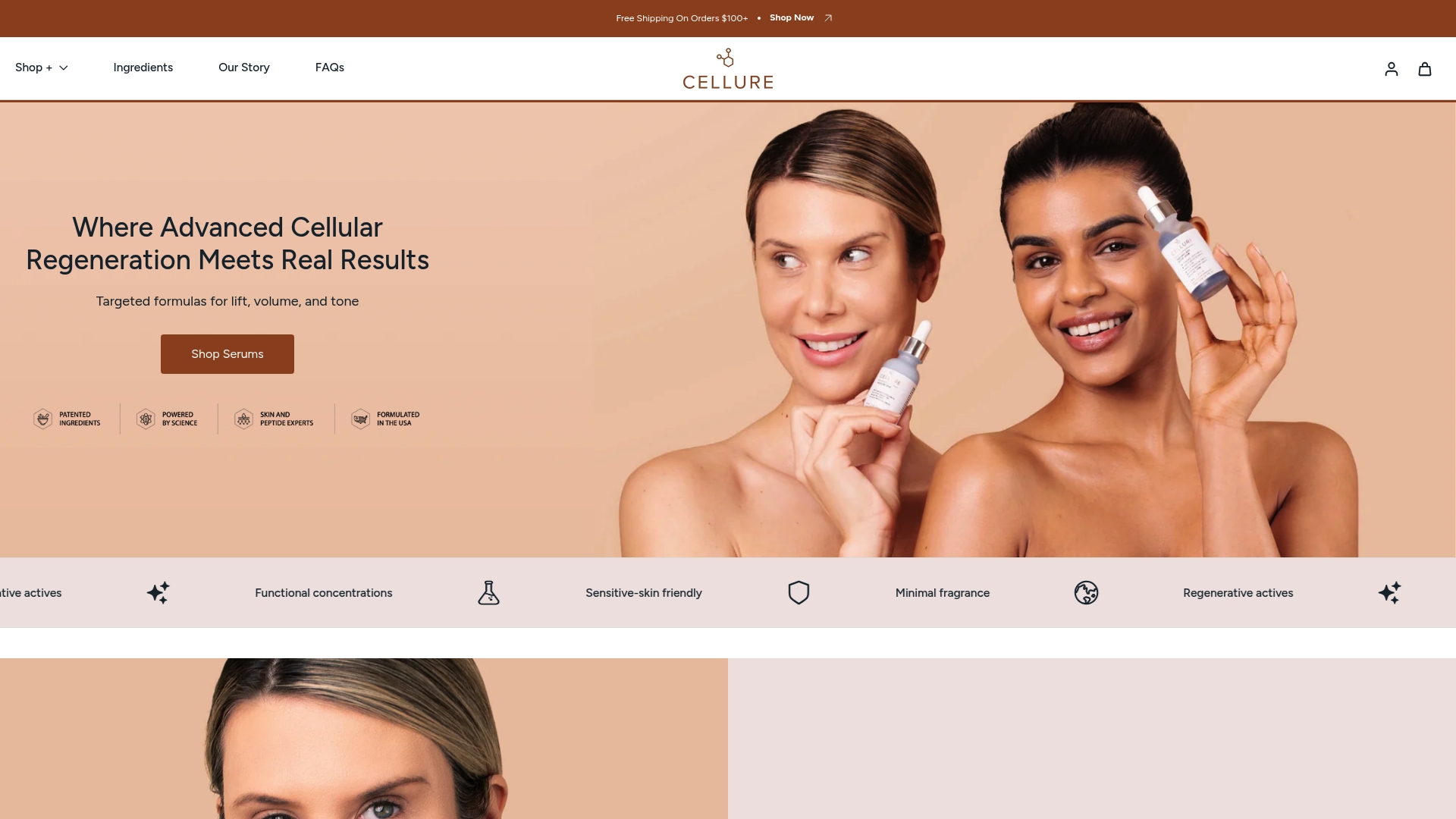
Cellure brings together the most clinically supported bioactive ingredients, including peptides, niacinamide, and cellular repair actives, into streamlined routines designed for aging and sensitive skin. The Complete Skin Repair Kit is built around the same principles covered in this guide: proven ingredients, thoughtful combinations, and formulations gentle enough for consistent, long-term use. If you’re ready to move from information to visible results, this is where to start.
Frequently asked questions
Which ingredient is best for sensitive, aging skin?
Niacinamide is safe and effective for sensitive or mature skin, offering multiple anti-aging benefits including improved barrier function, elasticity, and tone without irritation. It also pairs well with nearly every other active in a rejuvenation routine.
Can I use retinol and vitamin C together?
Yes, but layering with care reduces irritation. The most practical approach is to use vitamin C in the morning and retinol at night, keeping them on separate schedules while still gaining the benefits of both.
How long before I see results from rejuvenating ingredients?
Dermal improvements after 12 weeks are well-documented for both vitamin C and niacinamide. Most people notice meaningful changes in skin texture and tone between 8 and 12 weeks of consistent daily use.
Are there gentle alternatives to retinol for rejuvenation?
Peptides and plant antioxidants like green tea polyphenols and madecassoside offer meaningful cellular repair benefits with a much lower risk of irritation, making them excellent starting points or long-term complements to a retinoid routine.