


Why peptides in skincare? Science-backed benefits 2026
You’ve probably heard that retinol is the gold standard for fighting wrinkles, but here’s what most people don’t know: peptides outperform retinol in clinical trials for wrinkle reduction while causing significantly less irritation. For adults experiencing signs of aging, peptides offer a gentler, scientifically validated pathway to firmer, more youthful skin through cellular regeneration. This guide reveals how peptides work at the molecular level and why they’ve become the most exciting anti-aging ingredient for 2026.
Table of Contents
- What Are Peptides And How Do They Work In Skincare?
- Clinical Evidence: Peptides Effectiveness Versus Retinol And Other Actives
- Challenges And Innovations In Peptide Delivery For Skin Absorption
- How To Use Peptides In Your Skincare Routine For Best Results
- Explore Advanced Peptide Skincare Solutions With Cellure
- Frequently Asked Questions About Peptides In Skincare
Key takeaways
| Point | Details |
|---|---|
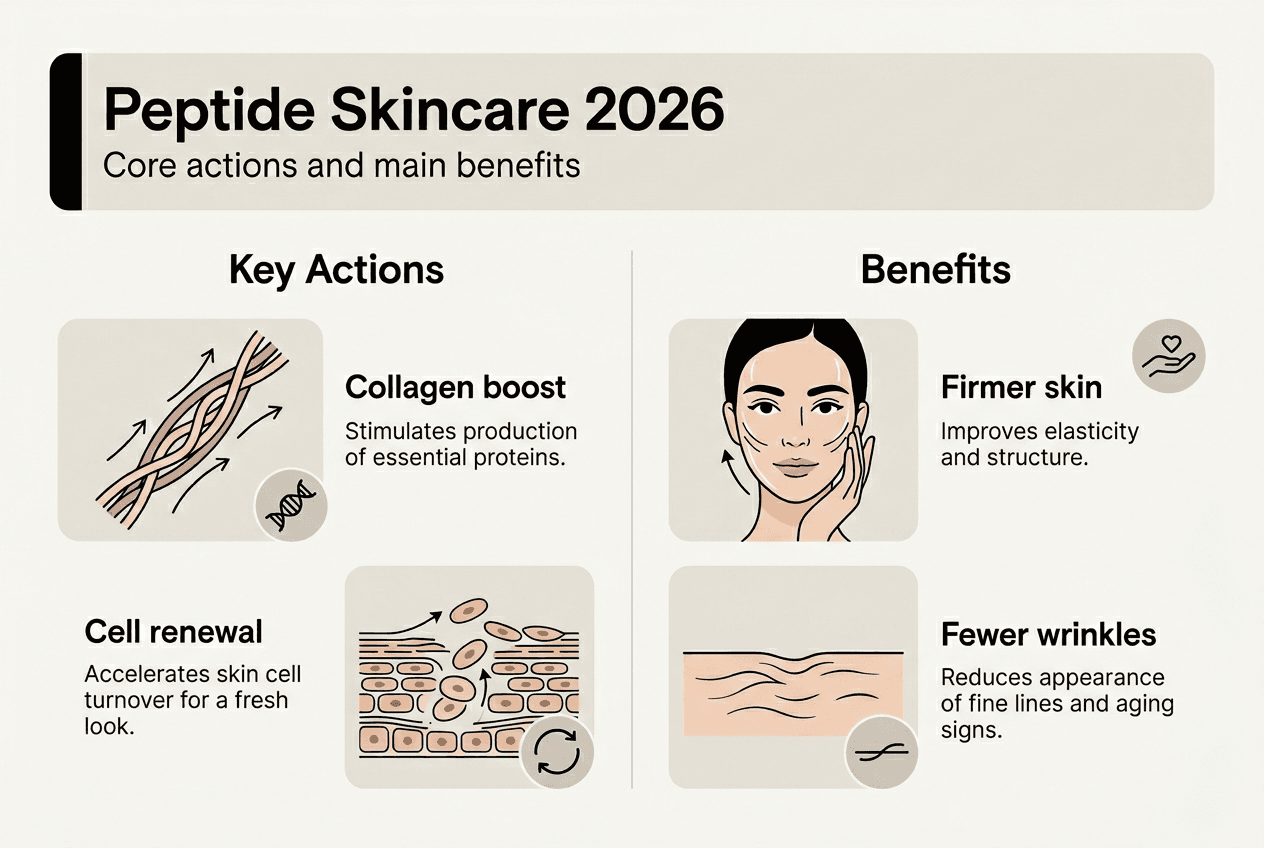
| Peptides stimulate regeneration | These amino acid chains signal skin cells to produce collagen, elastin, and hyaluronic acid for visible firmness improvements. |
| Clinical superiority proven | Studies show peptides reduce wrinkles more effectively than retinol with minimal irritation, ideal for sensitive aging skin. |
| Delivery technology matters | Advanced systems like nanoencapsulation and microneedles overcome peptides’ natural penetration barriers for maximum efficacy. |
| Synergistic combinations work best | Pairing peptides with antioxidants and low-dose retinol enhances anti-aging results through complementary cellular pathways. |
What are peptides and how do they work in skincare?
Peptides are short chains of amino acids that function as biological messengers in your skin. Unlike moisturizers that sit on the surface or acids that exfoliate, peptides penetrate deeper to communicate directly with skin cells, instructing them to ramp up production of youth-maintaining proteins. Think of them as text messages to your fibroblasts, the cells responsible for creating the structural framework that keeps skin firm and smooth.
Skincare formulations use several distinct peptide types with specific functions. Signal peptides activate fibroblasts to synthesize collagen and elastin, the proteins that provide skin structure and elasticity. Neurotransmitter peptides work differently by temporarily relaxing facial muscles, mimicking botulinum toxin effects to smooth expression lines. Carrier peptides deliver trace minerals like copper and manganese that serve as cofactors in enzymatic skin repair processes. Each type targets aging through a unique mechanism, which is why advanced formulations often combine multiple peptide varieties.
The magic happens at the cellular level. When peptides stimulate collagen, elastin, and hyaluronic acid production, they essentially trick aging skin cells into behaving younger. A 45-year-old’s fibroblasts naturally slow down protein synthesis, but peptide signals can reactivate dormant cellular machinery. This regeneration addresses multiple aging concerns simultaneously: sagging from collagen loss, fine lines from reduced elastin, and dehydration from depleted hyaluronic acid reserves.
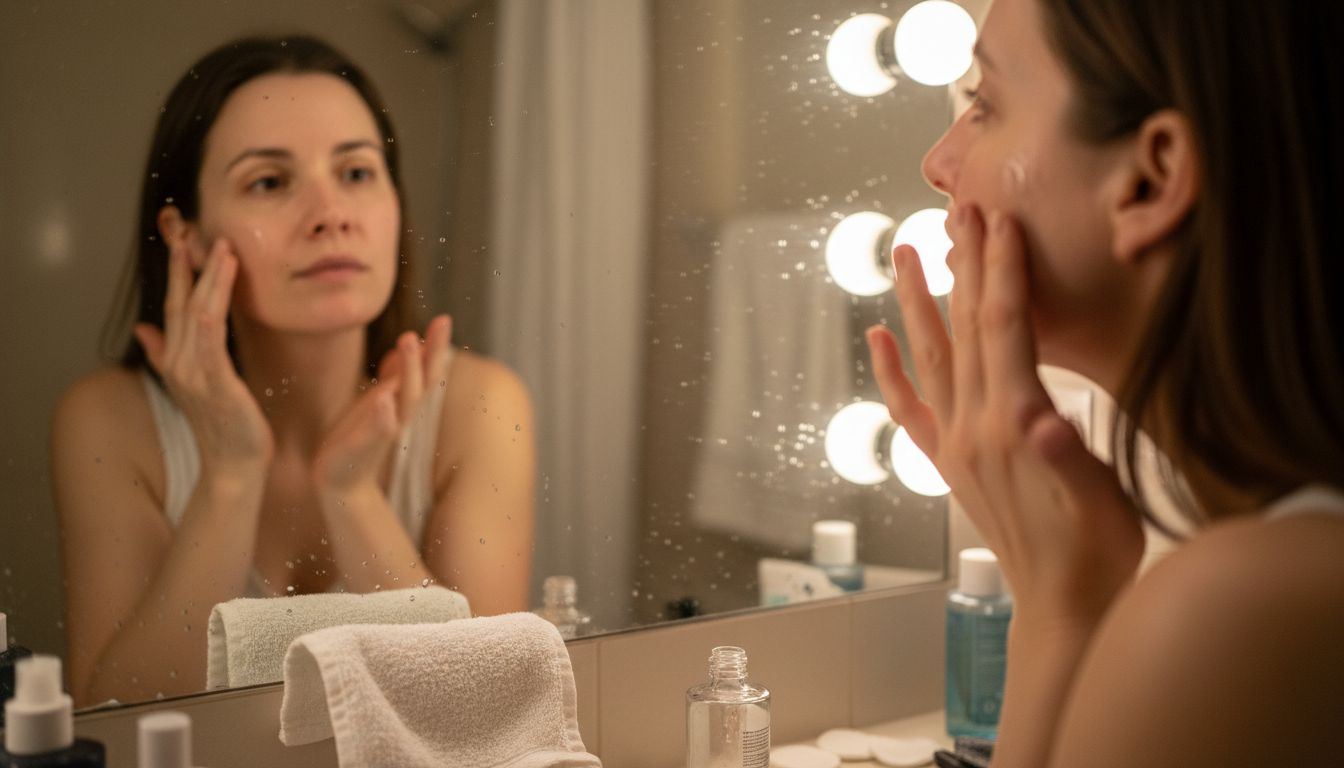
Size determines everything in peptide effectiveness. Oligopeptides under 500 Daltons penetrate the epidermis to reach living skin layers where they can influence cell behavior. Larger peptides struggle to cross the stratum corneum barrier, rendering them cosmetically elegant but biologically inactive. This molecular weight threshold explains why not all peptide products deliver results, even when ingredient lists look impressive. The most effective formulations use precisely sized peptides engineered for optimal skin penetration.
For adults 30 to 60 experiencing visible aging, peptides address the root causes rather than masking symptoms. They don’t just fill wrinkles temporarily or create an optical blur effect. Instead, they stimulate genuine structural improvements by enhancing the skin’s natural regenerative capacity. This approach aligns perfectly with the top benefits peptides offer for skin in 2026, making them particularly valuable for those seeking long-term rejuvenation rather than quick cosmetic fixes.
Clinical evidence: peptides effectiveness versus retinol and other actives
The peptide versus retinol debate ended decisively in a 2025 randomized controlled trial. Researchers compared cyclized hexapeptide-9 against retinol for crow’s feet, measuring wrinkle number, surface area, and skin roughness over 56 days. The peptide group showed superior improvements across all metrics, with participants experiencing significantly fewer side effects. This wasn’t a marginal difference but a clear demonstration that peptides can outperform the long-reigning champion of anti-aging ingredients.
What makes this finding revolutionary is the safety profile. Peptides cause less irritation than retinol while delivering comparable or better results, solving the dilemma faced by millions with sensitive skin. Retinol’s effectiveness comes with a cost: redness, peeling, and photosensitivity that many adults over 30 find intolerable. Peptides bypass these issues entirely because they work through cellular signaling rather than forced cell turnover, making them ideal for those who abandoned retinol due to irritation.
The most exciting discovery involves synergy. Combining peptides with retinol enhances skin remodeling beyond what either ingredient achieves alone. Pea peptides upregulate collagen and elastin gene expression through one pathway while retinol accelerates cell renewal through another, creating a multiplicative effect. This combination strategy allows you to use lower retinol concentrations, minimizing irritation while maximizing anti-aging benefits through complementary mechanisms.
Here’s how peptides stack up against traditional actives:
| Factor | Peptides | Retinol |
|---|---|---|
| Wrinkle reduction | Superior in head-to-head trials | Effective but slower onset |
| Irritation risk | Minimal to none | Moderate to high |
| Sensitive skin suitability | Excellent | Poor to moderate |
| Long-term tolerance | Sustained effectiveness | May require breaks |
| Combination potential | Enhances other actives | Limited by irritation |
Pro Tip: When selecting peptide skincare, prioritize products tested in published clinical trials rather than relying on manufacturer claims alone. Look for specific peptide names and study references in product descriptions, which indicate genuine scientific backing rather than marketing hype.
This evidence base transforms peptides from trendy ingredients into legitimate effective anti-aging serums backed by rigorous research. For adults seeking proven solutions without gambling on irritation, the data clearly favors peptide formulations. The clinical superiority isn’t just about wrinkle depth but encompasses the complete aging picture: texture, firmness, and overall skin quality improvements that matter in real-world appearance. Understanding these peptide benefits for skin in 2026 helps you make informed choices based on science rather than skincare mythology.
Challenges and innovations in peptide delivery for skin absorption
Peptides face a fundamental problem: they’re designed to work inside cells, but your skin evolved specifically to keep foreign molecules out. These water-loving compounds struggle to penetrate the lipid-rich stratum corneum, the skin’s outermost protective barrier. Even worse, 23 to 36% of topical peptides degrade before reaching target cells, broken down by peptidase enzymes naturally present in skin. This degradation issue explains why early peptide products often disappointed despite promising laboratory results.
The skincare industry responded with sophisticated delivery technologies that fundamentally changed peptide effectiveness. Nano-systems like liposomes and niosomes encapsulate peptides in microscopic spheres that fuse with skin cell membranes, delivering cargo directly into cells. Microneedles create temporary microchannels in the stratum corneum, allowing peptides to bypass the barrier entirely. Iontophoresis uses gentle electrical currents to drive charged peptides deeper into tissue. Each technology addresses the penetration challenge from a different angle, dramatically improving bioavailability.
Molecular engineering offers another solution. Cyclization, the process of connecting a peptide’s ends to form a ring structure, provides dual benefits: enhanced stability against enzymatic degradation and improved membrane permeability. Cyclization and nanoencapsulation are critical for translating laboratory peptide activity into visible skin improvements. These modifications don’t change the peptide’s biological message but ensure it reaches its cellular destination intact and active.
To maximize peptide bioavailability in your skincare routine:
- Choose products explicitly mentioning delivery technology in ingredient descriptions or marketing materials.
- Look for cyclized peptides identified by names like “cyclized hexapeptide” rather than standard linear sequences.
- Apply peptide serums to slightly damp skin, which temporarily increases stratum corneum permeability.
- Use occlusive moisturizers after peptide application to prevent transepidermal water loss that can carry peptides outward.
- Consider professional treatments like microneedling to create enhanced absorption windows for at-home peptide products.
Pro Tip: Investigate ingredient labels for terms like “liposomal,” “encapsulated,” or “nano-peptide,” which indicate advanced delivery systems. Generic peptide listings without delivery technology mentions often signal less sophisticated formulations with limited penetration capability.
The delivery innovation gap separates products that work from those that merely sound scientific. Without proper penetration enhancement, even the most elegantly designed peptide remains trapped on the skin surface, unable to signal the cellular changes that produce visible anti-aging effects. This is why using peptides for skin effectively requires understanding not just which peptides are included but how they’re delivered. For adults with sensitive skin seeking gentle yet effective solutions, choosing formulations with proven delivery technology becomes even more critical, as these best practices for sensitive skin ensure results without compromising skin barrier integrity.
How to use peptides in your skincare routine for best results
Timing and layering determine whether peptides reach their cellular targets or get diluted and wasted. Apply peptide serums immediately after cleansing while skin remains slightly damp, which temporarily increases permeability. The water content helps peptides penetrate before your skin’s natural barrier function fully reestablishes. Follow with a moisturizer containing occlusives like ceramides or squalane to seal peptides in and prevent them from evaporating with transepidermal water loss.
The real magic happens when you combine peptides strategically with complementary actives. Peptides paired with retinol and antioxidants deliver superior rejuvenation through multiple pathways simultaneously. Antioxidants like vitamin C neutralize free radicals that damage collagen while peptides signal new collagen production, creating a protect-and-rebuild approach. Low-concentration retinol formulations (0.25 to 0.5%) combined with peptides give you cell turnover benefits without the irritation that typically accompanies higher retinol doses.
For adults 30 to 60 managing aging skin, a strategic daily routine looks like this:
- Morning: Gentle cleanser, peptide serum, antioxidant serum (vitamin C or E), moisturizer with SPF 30 or higher.
- Evening: Oil-based cleanser to remove sunscreen, water-based cleanser, peptide serum, alternating nights of low-dose retinol, hydrating moisturizer.
- Weekly: Gentle exfoliation once or twice to remove dead cells that block peptide penetration.
- Ongoing: Consistent sunscreen use to prevent UV damage that degrades newly synthesized collagen.
Pro Tip: Start with peptide application every other night for two weeks, monitoring for any sensitivity before advancing to twice-daily use. This gradual introduction helps you identify any formulation incompatibilities without overwhelming your skin, particularly important for those with reactive or sensitive complexions.
Adults 30 to 60 should prioritize formulas with documented penetration enhancers and gentle profiles that won’t compromise barrier function. Avoid combining peptides with high-strength acids or aggressive exfoliants in the same application, as these can degrade peptides before they penetrate. Instead, use exfoliating products in the morning and reserve peptide application for evening when skin enters its natural repair phase.
The key to success lies in consistency rather than complexity. A simple routine with quality peptide formulations outperforms elaborate multi-step regimens using inferior products. Focus on using peptides for skin improvement through regular application rather than sporadic intensive treatments. For those with sensitivity concerns, gentle serums for sensitive skin provide the cellular signaling benefits without triggering inflammatory responses. Consider comprehensive approaches like skin repair kits for aging skin that coordinate multiple products for synergistic effects, ensuring each component enhances rather than interferes with peptide activity.
Explore advanced peptide skincare solutions with Cellure
Now that you understand how peptides work at the cellular level and why delivery technology matters, you’re ready to experience formulations designed specifically for these scientific principles. Cellure specializes in peptide-based skincare engineered for adults 30 to 60 seeking visible anti-aging results without irritation or complicated routines.
Our flagship Complete Skin Repair Kit combines multiple peptide types with advanced delivery systems for comprehensive cellular regeneration. The Tranexamic Acid Peptide Serum pairs signal peptides with brightening actives to address both structural aging and pigmentation concerns simultaneously. Every formulation undergoes stability testing to ensure peptides remain active throughout the product lifecycle, not just at manufacturing.
What sets Cellure apart:
- Gentle formulations suitable for sensitive aging skin without compromising effectiveness
- Enhanced penetration through proven delivery technologies, not just ingredient lists
- Visible wrinkle reduction backed by the same peptide science discussed in clinical trials
Explore our complete range of advanced cellular regeneration solutions designed to translate peptide science into your daily skincare reality.
Frequently asked questions about peptides in skincare
Are peptides safe for all skin types including sensitive skin?
Yes, peptides are generally safe and well-tolerated across all skin types, including sensitive and reactive skin. Unlike retinol or acids that work through controlled irritation, peptides function as biological messengers that enhance natural cellular processes without disrupting the skin barrier. Clinical trials consistently show minimal side effects, making peptides an excellent choice for adults who experienced irritation from traditional anti-aging ingredients.
How do peptides differ from retinol in fighting wrinkles?
Peptides signal skin cells to increase collagen and elastin production through cellular communication, while retinol accelerates cell turnover by forcing faster skin renewal. This fundamental difference means peptides work with your skin’s natural processes rather than overriding them, resulting in comparable anti-aging benefits with significantly less irritation. Recent studies show certain peptides actually outperform retinol in wrinkle reduction while maintaining superior tolerability.
How often should I apply peptide serums for best results?
Most adults see optimal results with twice-daily peptide application, once in the morning and once at night after cleansing. However, if you have particularly sensitive skin or are new to peptides, start with once-daily evening application for two weeks before increasing frequency. Consistency matters more than intensity, so regular daily use of properly formulated products delivers better long-term results than sporadic intensive treatments.
What should I look for when choosing a peptide skincare product?
Prioritize products featuring peptides proven in published clinical studies rather than proprietary blends with undisclosed concentrations. Look for delivery technology indicators like “liposomal,” “encapsulated,” or “cyclized” in product descriptions, which signal advanced penetration systems. Check that formulations include peptides early in the ingredient list, suggesting meaningful concentrations rather than trace amounts added for marketing purposes. For guidance on effective selection, review how to use peptides effectively.
Can I use peptides if I have sensitive skin or rosacea?
Absolutely, peptides are among the gentlest anti-aging ingredients available and particularly suitable for sensitive skin conditions like rosacea. Their mechanism of action doesn’t involve barrier disruption or inflammatory responses, making them safer than alternatives like retinol or strong acids. Many dermatologists specifically recommend peptides for patients who cannot tolerate traditional anti-aging actives. For comprehensive guidance, explore anti-aging tips for sensitive skin that emphasize gentle yet effective approaches.
How long does it take to see results from peptide skincare?
Most users notice initial improvements in skin texture and hydration within 2 to 4 weeks of consistent peptide use. Visible wrinkle reduction and firmness improvements typically become apparent after 8 to 12 weeks, as this timeframe allows for meaningful collagen and elastin synthesis. Clinical trials measuring peptide effectiveness generally run 56 days or longer because genuine structural improvements require time for cellular regeneration, unlike temporary plumping effects from hyaluronic acid that appear immediately.
Recommended
Share