


Top benefits of peptides for skin in 2026
Aging skin presents a persistent challenge for adults seeking effective, scientifically validated solutions. As collagen production naturally declines with age, wrinkles deepen, firmness diminishes, and skin texture becomes uneven. Peptides have emerged as a powerful class of bioactive ingredients that address multiple aging concerns through cellular regeneration. These short chains of amino acids signal your skin to boost collagen synthesis, improve elasticity, and reduce visible signs of aging. This article explores the key benefits of peptides supported by clinical research, helping you make informed decisions about incorporating these regenerative compounds into your skincare routine.
Table of Contents
- How To Evaluate Peptides For Skin Benefits
- Top Peptides And Their Skin Benefits
- Peptides In Advanced Skin Treatments And Recovery
- Comparing Peptide Types: Which Delivers The Best Skin Benefits?
- Explore Advanced Cellular Regeneration With Cellure
- Frequently Asked Questions
Key takeaways
| Point | Details |
|---|---|
| Wrinkle reduction | Peptides like Matrixyl stimulate collagen production to visibly reduce fine lines and wrinkles |
| Improved firmness | GHK-Cu increases collagen synthesis by 70%, enhancing skin density and structural support |
| Enhanced elasticity | Neurotransmitter-inhibiting peptides like Argireline relax facial muscles to smooth expression lines |
| Accelerated healing | Clinical peptides reduce inflammation and speed recovery after skin treatments like microneedling |
| Evidence-based results | Randomized controlled trials demonstrate measurable improvements in skin texture and appearance |
How to evaluate peptides for skin benefits
Understanding which peptides deliver genuine results requires a framework grounded in scientific evidence. Not all peptide products offer equal effectiveness, and marketing claims often outpace clinical validation. You need clear criteria to separate scientifically supported options from overhyped formulations.
Peptides fall into four functional categories: signal peptides that trigger collagen synthesis, neurotransmitter inhibitors that reduce muscle contractions, carrier peptides that transport minerals, and enzyme inhibitors that slow collagen breakdown. Each type targets specific aging mechanisms, so matching peptide function to your skin concerns is essential. The efficacy of cosmetic peptides depends on both the specific peptide and the quality of clinical evidence supporting its use.
When evaluating peptide products, prioritize those backed by randomized, double-blind, placebo-controlled studies. These trials provide the strongest evidence of effectiveness by eliminating bias and isolating peptide effects from other variables. Check product labels for peptide concentration, as insufficient amounts won’t deliver promised benefits. Quality formulations stabilize peptides to maintain potency and ensure skin penetration.
Beware of vague marketing language that promises dramatic results without citing specific research. Effective peptides target measurable outcomes: increased collagen density, improved elasticity scores, or reduced wrinkle depth. Look for products that specify peptide types and concentrations rather than hiding behind proprietary blends. Understanding how to use peptides for skin naturally helps you integrate these compounds effectively into your routine.
Pro Tip: Start with peptides like GHK-Cu and Matrixyl, which have multiple published studies demonstrating wrinkle reduction and firmness improvements. These compounds offer the most robust clinical evidence for anti-aging effects.
Key evaluation criteria include:
- Peptide type and targeted mechanism of action
- Quality of clinical trials supporting efficacy claims
- Concentration levels sufficient for biological activity
- Formulation stability and skin penetration enhancers
- Specific, measurable outcomes reported in studies
Top peptides and their skin benefits
Three peptides stand out for their proven anti-aging effects: Matrixyl, GHK-Cu, and Argireline. Each targets different aspects of skin aging through distinct biological mechanisms, making them complementary options for comprehensive skin regeneration.
Matrixyl stimulates collagen I and III synthesis, the structural proteins that maintain skin firmness and elasticity. Clinical trials show Matrixyl reduces wrinkle depth by up to 45% after 8 weeks of daily application. This signal peptide mimics damaged collagen fragments, triggering your skin’s natural repair response to produce fresh collagen and elastin fibers. The result is visibly smoother skin with improved texture and reduced fine lines.
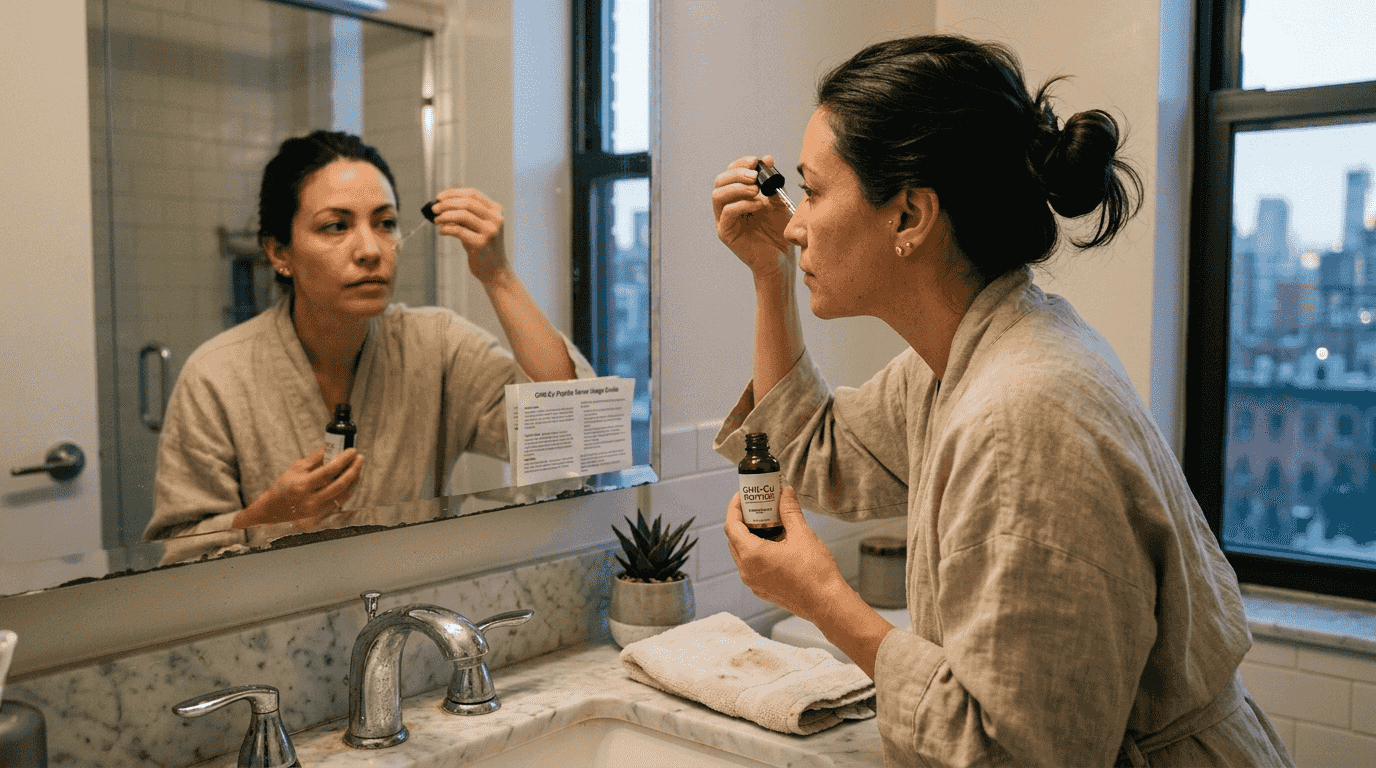
GHK-Cu, a copper peptide, delivers even more impressive results. Studies demonstrate GHK-Cu boosts collagen synthesis by 70%, significantly improving skin density and firmness. This carrier peptide transports copper ions essential for collagen maturation and antioxidant enzyme function. Beyond collagen production, GHK-Cu reduces inflammation and accelerates wound healing, making it valuable for aging skin prone to sensitivity. Understanding why target cellular repair for firmer skin with peptides reveals how these compounds work at the cellular level.
Argireline, also known as Acetyl Hexapeptide-8, takes a different approach by improving skin elasticity through reduced muscle contractions. This neurotransmitter-inhibiting peptide works similarly to botulinum toxin but with a gentler, topical application. By limiting repetitive facial movements that create expression lines, Argireline smooths forehead wrinkles and crow’s feet without injections. Clinical data shows a 30% reduction in wrinkle depth after consistent use.
| Peptide | Mechanism | Primary Benefit | Clinical Outcome |
|---|---|---|---|
| Matrixyl | Collagen signal | Wrinkle reduction | 45% decrease in wrinkle depth |
| GHK-Cu | Copper carrier | Firmness boost | 70% increase in collagen synthesis |
| Argireline | Neurotransmitter inhibitor | Expression line smoothing | 30% reduction in dynamic wrinkles |
Pro Tip: Combine signal peptides like Matrixyl with carrier peptides like GHK-Cu for synergistic effects. This pairing addresses both collagen production and structural support, delivering more comprehensive anti-aging results than single peptides alone.
Exploring ingredients for skin regeneration helps you understand how peptides fit within broader skincare strategies. These compounds work best when integrated with complementary actives that support cellular renewal and barrier function.
Peptides in advanced skin treatments and recovery
Peptides extend beyond daily skincare into clinical dermatology, where they accelerate healing and reduce side effects from procedures. Radiofrequency microneedling (RFMN) has become a popular treatment for wrinkles and scars, but the controlled skin damage it creates requires careful post-procedure care.
RFMN works by creating microscopic channels in skin while delivering radiofrequency energy to deeper layers. This dual action induces ECM protein generation, diminishing wrinkles and scars through enhanced collagen and elastin production. However, the procedure causes temporary inflammation, redness, and edema that can last several days, limiting patient satisfaction.
Q-peptide, an Angiopoietin-1 derived compound, addresses these recovery challenges. A randomized, double-blind clinical trial found topical Angiopoietin-1 derived peptide improves healing and reduces side effects after RFMN. Patients applying Q-peptide hydrogel experienced significantly faster resolution of redness and swelling compared to standard post-procedure care.
Clinical measurements showed a 2-fold reduction in inflammatory markers and edema scores on Q-peptide treated skin, with patients reporting higher satisfaction and comfort during the recovery period.
These findings highlight peptides’ role in supporting skin’s natural repair mechanisms after controlled injury. The compounds don’t just mask symptoms but actively modulate inflammation and promote tissue regeneration. Learning about top skin repair ingredients provides context for how peptides complement other recovery-focused compounds.
Key benefits of peptides in procedural recovery:
- Reduced inflammation and inflammatory cytokine expression
- Faster resolution of post-procedure redness and swelling
- Improved patient comfort and treatment satisfaction
- Enhanced tissue regeneration and wound closure
- Lower risk of prolonged healing complications
Comparing peptide types: which delivers the best skin benefits?
Understanding functional peptide categories helps you match specific compounds to your primary skin concerns. While all peptides are short amino acid chains, their mechanisms and outcomes differ significantly based on their biological targets.
Categorizing peptides into functional groups helps understand mechanisms and evidence levels. Signal peptides like Matrixyl and palmitoyl pentapeptide communicate with skin cells to increase collagen and elastin production. These compounds effectively address wrinkles and loss of firmness, with strong clinical evidence supporting their use.
Neurotransmitter-inhibiting peptides such as Argireline reduce muscle contractions that cause expression lines. They offer a non-invasive alternative to injectable treatments, though their effects are generally milder and require consistent application. Clinical evidence for this category is moderate, with some well-designed studies showing measurable improvements.
Carrier peptides like GHK-Cu transport essential minerals and trace elements that support enzymatic processes in collagen synthesis and antioxidant defense. They excel at improving overall skin health and firmness, backed by robust clinical data demonstrating significant increases in collagen production. Enzyme-inhibiting peptides work by slowing the breakdown of structural proteins, preserving existing collagen and elastin.
| Peptide Type | Mechanism | Primary Skin Benefits | Evidence Strength |
|---|---|---|---|
| Signal | Stimulate collagen/elastin synthesis | Wrinkle reduction, firmness | Strong (multiple RCTs) |
| Neurotransmitter inhibitor | Reduce muscle contractions | Expression line smoothing | Moderate (some RCTs) |
| Carrier | Transport minerals for enzymatic function | Overall firmness, antioxidant support | Strong (multiple RCTs) |
| Enzyme inhibitor | Slow collagen breakdown | Preserve existing structure | Limited (fewer studies) |
Matching peptide types to specific concerns:
- For deep wrinkles and loss of firmness: signal and carrier peptides
- For expression lines and forehead wrinkles: neurotransmitter inhibitors
- For inflammation and sensitivity: carrier peptides with anti-inflammatory effects
- For comprehensive anti-aging: combination of signal and carrier peptides
The cellular repair skincare guide offers additional strategies for integrating peptides with other regenerative ingredients. Most effective skincare routines layer multiple peptide types to address aging through complementary pathways.
Explore advanced cellular regeneration with Cellure
Now that you understand how peptides target specific aging mechanisms, you can make informed choices about products that deliver real results. Cellure specializes in scientifically formulated skincare that harnesses peptides and other bioactive compounds for cellular skin regeneration.
Our advanced cellular regeneration approach combines clinically supported peptides with complementary ingredients like polynucleotides and tranexamic acid. Each product targets specific concerns such as wrinkles, loss of firmness, and uneven tone through evidence-based formulations designed for all skin types. Discover how using peptides for skin naturally integrates into your daily routine with our comprehensive guides. The peptide hydro lift serum exemplifies this approach, delivering concentrated peptides in a formulation optimized for skin penetration and stability.
Frequently asked questions
What are peptides and how do they benefit aging skin?
Peptides are short chains of amino acids that act as cellular messengers in your skin. They signal fibroblasts to produce more collagen and elastin, the structural proteins that maintain firmness and elasticity. This increased production helps reduce wrinkles, improve skin texture, and restore a more youthful appearance through natural regeneration processes.
Which peptides have the strongest scientific evidence for anti-aging effects?
Matrixyl and GHK-Cu have the most robust clinical evidence, with multiple randomized controlled trials demonstrating significant wrinkle reduction and firmness improvements. Matrixyl reduces wrinkle depth by up to 45%, while GHK-Cu increases collagen synthesis by 70%. Look for products citing specific clinical trials rather than vague effectiveness claims.
Can peptides be used with other skincare treatments safely?
Yes, peptides complement many skincare treatments and procedures effectively. Q-peptide has been clinically proven to support healing after radiofrequency microneedling by reducing inflammation and accelerating tissue repair. Topical peptides generally work well with retinoids, antioxidants, and other anti-aging ingredients when applied in the correct order.
How long does it take to see results from peptide skincare products?
Most clinical studies show measurable improvements within 8 to 12 weeks of consistent daily application. Some users notice subtle changes in skin texture and hydration within 4 weeks, but significant wrinkle reduction and firmness gains typically require 2 to 3 months. Peptide concentration, formulation quality, and application frequency all impact the speed and magnitude of results.