


Advantages of tranexamic acid for aging skin in 2026
Aging skin often battles stubborn pigmentation and uneven tone that resist conventional treatments. Tranexamic acid has emerged as a powerful solution backed by clinical research, offering targeted benefits for hyperpigmentation without harsh side effects. This article explores the key advantages of tranexamic acid based on current science, helping you understand how it fits safely and effectively into your skincare routine for visible results.
Table of Contents
- Evaluating Tranexamic Acid For Aging Skin Pigmentation
- Top Benefits Of Tranexamic Acid In Skin Care For Pigmentation
- Comparing Oral And Topical Tranexamic Acid: Pros And Cons
- When And How To Incorporate Tranexamic Acid Safely Into Your Routine
- Optimize Your Skin Care With Cellure’s Tranexamic Acid Solutions
- Frequently Asked Questions
Key takeaways
| Point | Details |
|---|---|
| Proven pigmentation reduction | Tranexamic acid effectively reduces hyperpigmentation and evens skin tone through melanin inhibition. |
| Well tolerated formulations | Generally safe with minimal side effects when introduced gradually and used correctly. |
| Flexible application options | Available in both oral and topical forms to suit different preferences and skin sensitivities. |
| Limited long-term data | Emerging safety research requires monitoring, especially for extended use beyond 12 weeks. |
| Personalized response rates | Effectiveness varies by skin type and ethnic background, requiring tailored approaches. |
Evaluating tranexamic acid for aging skin pigmentation
When choosing tranexamic acid for pigmentation issues, understanding key evaluation criteria helps you make informed decisions. Efficacy in reducing visible dark spots and uneven tone stands as the primary consideration, as you want measurable improvement in skin brightness within reasonable timeframes. Safety profiles matter equally, since aging skin can be sensitive and prone to irritation from active ingredients.
Formulation options provide flexibility based on your lifestyle and compliance preferences. Topical serums offer localized treatment with direct application to problem areas, while oral supplements deliver systemic effects throughout the body. Your skin type, ethnic background, and genetic factors influence how well you respond to treatment, making personalized approaches essential for optimal results.
Research gaps in long-term safety data require attention. The absence of comprehensive long-term safety data and the inadequate representation of varied communities in clinical studies necessitate monitoring your skin’s response carefully over extended use periods. You should track changes every four weeks and consult professionals if unexpected reactions occur.
Consider these evaluation points:
- Proven efficacy through clinical studies showing melanin reduction
- Safety record with documented side effects and contraindications
- Delivery method matching your routine and compliance patterns
- Compatibility with existing skincare products and treatments
- Monitoring requirements for safe long-term use
Pro Tip: Document your skin with photos before starting tranexamic acid treatment and every month afterward to track subtle improvements you might otherwise miss in daily mirror checks.
Understanding the tranexamic acid hyperpigmentation guide helps establish realistic expectations for your treatment timeline and results.
Top benefits of tranexamic acid in skin care for pigmentation
Transexamic acid delivers multiple advantages that make it particularly valuable for aging skin struggling with pigmentation issues. It works by reducing melanin synthesis at the cellular level, interrupting the biochemical pathways that create excess pigment in dark spots and patches. This mechanism provides effective fading of hyperpigmentation while maintaining your skin’s natural protective functions.
Skin brightness and tone uniformity improve noticeably within two to three months of consistent use. You’ll see a more youthful, radiant appearance as uneven areas blend with surrounding skin. The ingredient also reduces inflammation that contributes to post-inflammatory hyperpigmentation, addressing both existing spots and preventing new ones from forming.
Compatibility with other anti-aging ingredients creates synergistic benefits when formulated correctly. Tranexamic acid pairs well with peptides, antioxidants, and gentle exfoliants, enhancing overall cellular repair without overwhelming sensitive skin. TA is generally well tolerated, although some adverse events were reported, making it suitable for most skin types when introduced gradually.
Key benefits include:
- Melanin synthesis inhibition for targeted pigmentation reduction
- Enhanced skin radiance and uniform tone distribution
- Anti-inflammatory effects preventing future discoloration
- Synergistic action with complementary skincare ingredients
- Minimal irritation risk compared to stronger depigmenting agents
The multi-functional properties of tranexamic acid address several aging concerns simultaneously, making it an efficient addition to streamlined routines. You gain pigmentation improvement while supporting overall skin health through reduced inflammation and enhanced cellular function. Learning about tranexamic acid aging skin benefits reveals additional advantages for mature complexions beyond simple spot fading.
Comparing oral and topical tranexamic acid: pros and cons
Choosing between oral and topical tranexamic acid depends on your specific needs, tolerance levels, and lifestyle factors. Each delivery method offers distinct advantages and limitations that affect treatment outcomes and user experience.
Oral tranexamic acid provides systemic effects throughout your body, potentially addressing pigmentation in multiple areas simultaneously. It requires less frequent application than topical products, typically one or two daily doses. However, oral tranexamic acid, despite causing GI disturbances, showed better patient compliance due to simpler routines compared to multi-step topical regimens. Gastrointestinal side effects like nausea and digestive discomfort occur in some users, requiring discontinuation or dose adjustment.

Topical formulations deliver tranexamic acid directly to problem areas with minimal systemic absorption, reducing internal side effect risks. You control exactly where the ingredient applies, targeting specific dark spots or patches. Localized treatment suits sensitive individuals who want pigmentation improvement without oral medication concerns.
| Feature | Oral Tranexamic Acid | Topical Tranexamic Acid |
|---|---|---|
| Application | 1-2 daily doses | Once or twice daily to affected areas |
| Systemic effects | Full body coverage | Localized to application sites |
| Side effects | GI disturbances possible | Minimal, occasional mild irritation |
| Compliance | Higher due to simplicity | Lower with multi-step routines |
| Professional oversight | Recommended before starting | Optional for most users |
Consider these factors when choosing:
- Extent of pigmentation (widespread vs localized spots)
- Tolerance for potential gastrointestinal effects
- Willingness to maintain consistent topical application
- Existing health conditions affecting medication choices
- Budget considerations for ongoing treatment costs
Pro Tip: If you have widespread pigmentation across face and body, oral tranexamic acid offers more comprehensive coverage, while topical works better for isolated problem areas you can target precisely.
Safety profiles differ between routes, with topical generally considered lower risk for systemic complications. Consult healthcare professionals before starting oral tranexamic acid, especially if you have clotting disorders or take medications affecting blood coagulation. Understanding best practices sensitive skin helps you introduce either form safely into your regimen.
When and how to incorporate tranexamic acid safely into your routine
Safe integration of tranexamic acid requires methodical introduction and careful monitoring throughout treatment. Starting correctly minimizes adverse reactions while maximizing benefits for your aging skin.
Begin with patch testing to detect potential sensitivity before full-face application. Apply a small amount to your inner forearm for 24 hours, watching for redness, itching, or irritation. This simple step prevents widespread reactions if your skin doesn’t tolerate the ingredient well.
Follow this introduction sequence:
- Patch test for 24 hours on a small skin area
- Apply to one small facial area for three days
- Expand to half your face for one week if no irritation occurs
- Progress to full application if tolerance continues
- Monitor skin response weekly for the first month
Gradual introduction allows your skin to adapt while you observe individual reactions. Use complementary gentle products to avoid overwhelming your skin barrier. Avoid combining tranexamic acid with strong exfoliants or retinoids initially, adding those back slowly after establishing tolerance.
Consult a dermatologist before using oral tranexamic acid, as professional guidance ensures appropriate dosing and monitoring. Medical oversight becomes particularly important if you have bleeding disorders, history of blood clots, or take anticoagulant medications.
Track these indicators:
- Pigmentation changes with monthly comparison photos
- Side effects including redness, dryness, or digestive issues
- Skin texture and overall radiance improvements
- Any unexpected reactions requiring professional evaluation
Future research should emphasize longitudinal follow-up, genetic predispositions, and ethnic-specific responses to optimize tranexamic acid’s therapeutic benefits in pigmentation management. This evolving knowledge base means staying informed about new recommendations as research advances.
Pro Tip: Keep a simple journal noting application dates, amounts used, and any skin changes you observe to identify patterns and optimize your treatment approach over time.
Exploring the sensitive skin serum guide provides additional strategies for incorporating active ingredients without triggering sensitivity reactions.
Optimize your skin care with Cellure’s tranexamic acid solutions
Ready to address stubborn pigmentation with science-backed formulations designed for aging skin? Cellure offers targeted solutions that harness tranexamic acid’s proven benefits within comprehensive cellular repair systems.
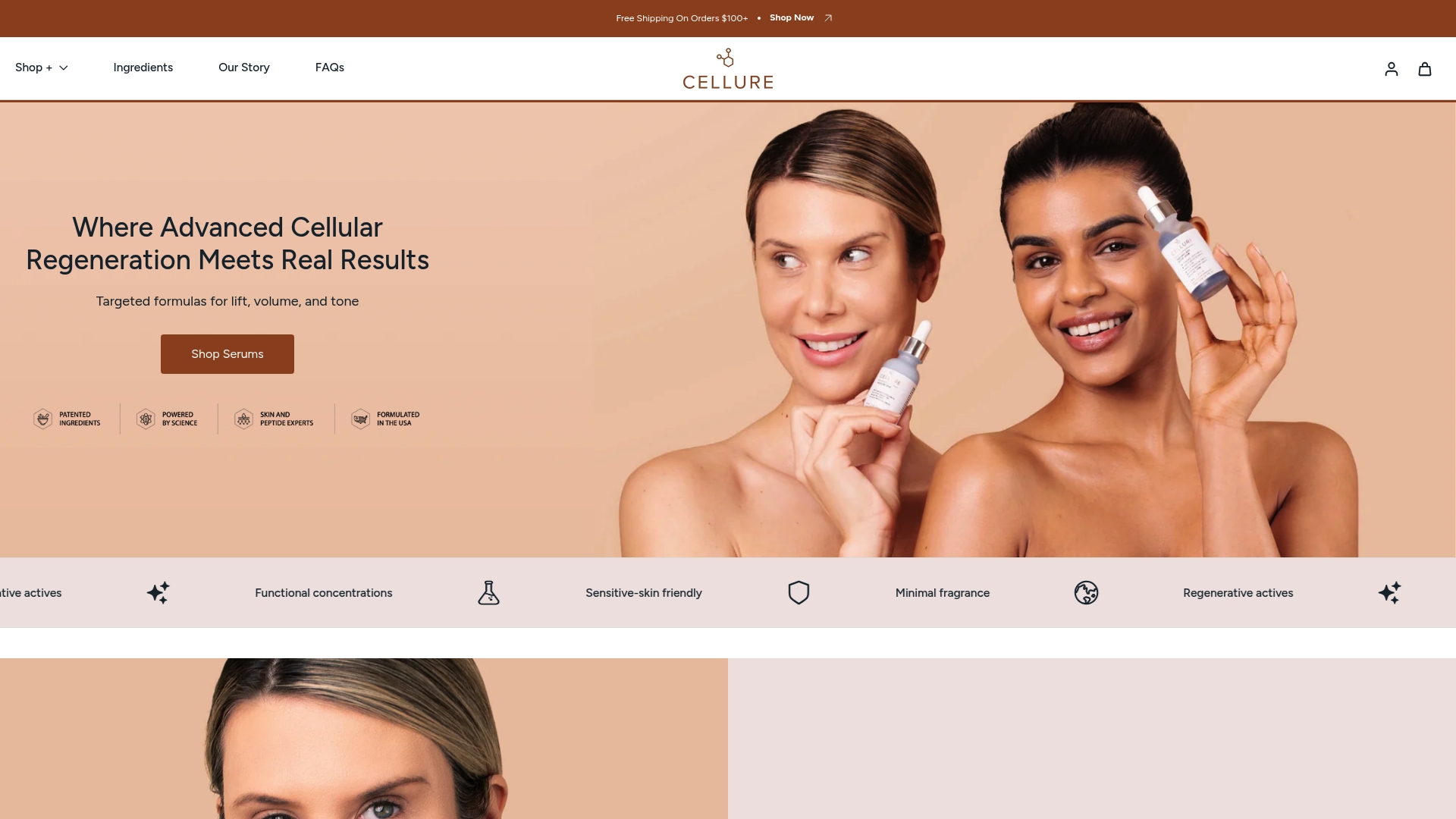
The tranexamic acid peptide serum combines tranexamic acid with synergistic peptides for dual-action pigmentation reduction and collagen support. This advanced formula delivers ingredients at optimal concentrations for visible tone improvement without irritation. For comprehensive skin renewal, the complete skin repair kit integrates tranexamic acid with complementary bioactive ingredients addressing firmness, volume, and radiance simultaneously.
Cellure’s formulations leverage advanced cellular regeneration technology tailored specifically for sensitive, mature skin requiring gentle yet effective treatment. Each product undergoes rigorous testing to ensure compatibility and results, giving you confidence in your pigmentation management approach. Discover personalized skincare solutions backed by regenerative science and clinical evidence today.
Frequently asked questions
Is tranexamic acid safe for sensitive skin?
Transexamic acid is generally safe for sensitive skin when introduced gradually with proper precautions. TA is generally well tolerated, although some adverse events were reported in clinical studies. Patch testing before full application helps identify individual sensitivities. Starting with lower concentrations and building tolerance over several weeks minimizes irritation risk. Consulting the sensitive skin serum guide provides additional strategies for safe ingredient introduction.
How long does it take to see results from tranexamic acid?
Visible skin tone improvement typically appears within 8 to 12 weeks of consistent tranexamic acid use. Some users notice subtle brightness changes around week four, while significant pigmentation fading becomes apparent after three months. Patience and adherence to your application schedule improve outcome reliability. Individual factors like pigmentation severity, skin type, and formulation strength affect timeline variations.
Can I use tranexamic acid with other anti-aging ingredients?
Transexamic acid pairs effectively with ingredients like peptides, antioxidants, and hyaluronic acid for enhanced skin repair benefits. Combining complementary actives creates synergistic effects that address multiple aging concerns simultaneously. Avoid mixing with strong acids or retinoids initially until your skin builds tolerance. Learning about top skin repair ingredients helps you create balanced, effective combinations.
Are there differences in tranexamic acid effectiveness based on skin type or ethnicity?
Effectiveness can vary across different skin types and ethnic backgrounds due to genetic and physiological differences. Future research should emphasize longitudinal follow-up, genetic predispositions, and ethnic-specific responses to optimize tranexamic acid’s therapeutic benefits. Darker skin tones may experience different response rates and timelines compared to lighter complexions. Personalized approaches considering individual factors yield better outcomes. Exploring how to use peptides for skin naturally reveals additional considerations for tailoring treatments to your unique skin characteristics.