


Tranexamic acid for aging skin: science-backed benefits
Many assume tranexamic acid simply bleaches skin like harsh chemicals. In reality, this compound works through sophisticated cellular pathways to calm inflammation and regulate pigment production without aggressive bleaching. Originally a blood clotting medication, tranexamic acid now offers Adults in the U.S. experiencing signs of aging a scientifically validated approach to address uneven tone, dark spots, and texture concerns. This article explains the precise mechanisms, clinical evidence, and practical use of tranexamic acid for rejuvenating aging skin.
Table of Contents
- Introduction To Tranexamic Acid In Dermatology
- Mechanism Of Tranexamic Acid In Skin Pigmentation And Aging
- Clinical Evidence For Use In Hyperpigmentation And Inflammation
- Anti-Inflammatory Benefits Of Tranexamic Acid In Skin
- Common Misconceptions And Clarifications About Tranexamic Acid
- Comparison With Other Skin Brightening And Anti-Aging Agents
- Formulation Challenges And Delivery Methods
- Practical Use Guidelines And Expected Results
- Explore Effective Tranexamic Acid Skincare Solutions
- Frequently Asked Questions
Key takeaways
| Point | Details |
|---|---|
| Reduces hyperpigmentation | Tranexamic acid inhibits inflammatory pathways that trigger excess melanin production in aging skin. |
| Dual action benefits | It simultaneously reduces inflammation and redness while improving skin barrier function. |
| Safe topical application | Consistent use over 6 to 12 weeks delivers visible results with minimal irritation risk. |
| Not a bleaching agent | TXA modulates melanin indirectly by blocking inflammatory signals, not destroying pigment cells. |
| Enhanced results | Combining tranexamic acid with sun protection and compatible skincare ingredients boosts effectiveness. |
Introduction to tranexamic acid in dermatology
Tranexamic acid entered medicine as a medication preventing excessive bleeding during surgery and managing heavy menstrual cycles. Researchers later discovered it possessed unexpected properties affecting skin pigmentation and inflammation. This revelation sparked interest in dermatology for addressing common aging concerns like uneven skin tone, hyperpigmentation, and inflammation-related texture issues.
The compound gained traction as studies revealed its ability to modulate cellular processes driving visible skin aging. Unlike conventional bleaching agents, tranexamic acid works through multiple pathways to improve skin appearance. It targets both the inflammatory cascade and pigment production mechanisms simultaneously.
Key benefits include:
- Inhibition of inflammatory mediators that stimulate melanocytes
- Reduction of abnormal blood vessel formation causing redness
- Improvement of skin barrier function through cellular regulation
- Safe profile for long-term topical application
Dermatologists now recognize tranexamic acid as a valuable option for patients seeking more about tranexamic acid and its role in comprehensive anti-aging skincare. The compound addresses multiple aging concerns through one ingredient, making it efficient for those wanting streamlined routines. Its growing popularity reflects both clinical validation and real-world results reported by users addressing visible signs of aging.
Mechanism of tranexamic acid in skin pigmentation and aging
Understanding how tranexamic acid functions at the cellular level reveals why it delivers consistent results for aging skin concerns. The compound operates through a specific biochemical pathway that ultimately reduces both pigmentation and inflammation.
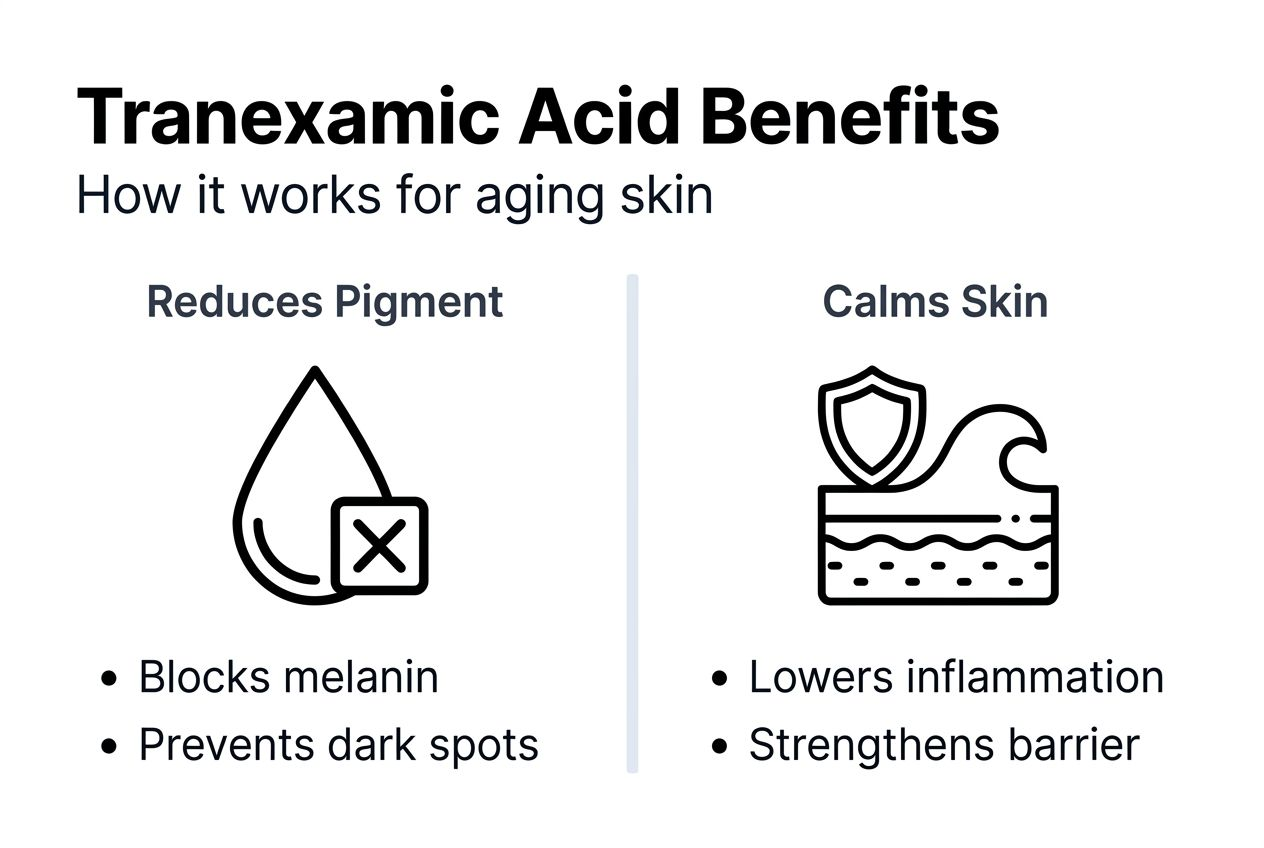
Tranexamic acid inhibits plasminogen activation within keratinocytes, the predominant cells in the skin’s outer layer. Plasminogen normally converts to plasmin, an enzyme that triggers release of inflammatory substances like prostaglandins and arachidonic acid. These inflammatory mediators signal melanocytes to produce excess melanin, leading to dark spots and uneven tone characteristic of aging skin.
By blocking this conversion, tranexamic acid interrupts the inflammatory cascade before it stimulates melanocyte overactivity. This prevents UV-induced melanin synthesis indirectly, helping reduce formation of new dark spots while existing pigmentation gradually fades through natural skin turnover.
The mechanism targets both sides of the pigmentation problem:
- Reduces inflammatory signals that tell melanocytes to produce more pigment
- Decreases prostaglandin production that amplifies melanin synthesis
- Prevents UV damage from triggering excessive pigmentation responses
- Supports healthy skin cell turnover for gradual tone improvement
This dual action explains why tranexamic acid works effectively for various pigmentation concerns beyond simple sun damage. It addresses the root inflammatory processes affecting uneven skin tone mechanisms rather than just masking discoloration. The compound’s ability to modulate cellular signaling makes it particularly valuable for aging skin, where chronic low-grade inflammation contributes to multiple visible concerns.
Pro Tip: Tranexamic acid works best when inflammation is controlled, so pairing it with gentle, non-irritating skincare products maximizes its pigment-regulating benefits without triggering counterproductive inflammatory responses.
Clinical evidence for use in hyperpigmentation and inflammation
Multiple controlled studies validate tranexamic acid’s effectiveness for reducing visible pigmentation and inflammatory skin conditions. Clinical trials demonstrate significant reduction of melasma and hyperpigmentation with both topical and oral formulations within 6 to 12 weeks of consistent use.
Researchers have documented improvements across various pigmentation disorders. Melasma, post-inflammatory hyperpigmentation, and age-related dark spots all respond positively to tranexamic acid treatment. The compound shows particular promise for stubborn pigmentation that resists other interventions.
| Study Type | Duration | Key Findings |
|---|---|---|
| Topical TXA for melasma | 8-12 weeks | Significant pigment reduction, improved skin brightness |
| Oral TXA supplementation | 6-8 weeks | Decreased melanin index, reduced dark spot intensity |
| Combined TXA with azelaic acid | 6 weeks | Enhanced brightness, texture improvement, reduced hyperpigmentation |
| TXA for rosacea inflammation | 4-8 weeks | Decreased redness, improved barrier function, reduced inflammatory markers |
Recent research highlights synergistic benefits when combining tranexamic acid with complementary agents. An innovative peeling system combining TXA with azelaic acid demonstrated improvements in dark spots, overall brightness, and skin texture. This combination approach addresses multiple aging concerns simultaneously.
Beyond pigmentation, studies confirm tranexamic acid reduces inflammation in conditions like rosacea. Participants showed decreased vascular markers and improved skin barrier measurements. These findings support tranexamic acid’s role in comprehensive aging skin management.
Key clinical outcomes include:
- Measurable reduction in melanin index scores
- Decreased intensity of existing dark spots
- Improved overall skin brightness and evenness
- Reduced inflammatory markers in skin biopsies
- Enhanced barrier function measurements
The consistency of positive results across multiple study designs strengthens confidence in clinical benefits of tranexamic acid for aging skin. The 6 to 12 week timeline for visible improvement helps set realistic expectations for those incorporating this ingredient into their skincare routines.
Anti-inflammatory benefits of tranexamic acid in skin
Beyond pigmentation control, tranexamic acid delivers significant anti-inflammatory effects that improve overall skin quality. These benefits address the chronic inflammation underlying many visible aging concerns.

Tranexamic acid reduces vascular endothelial growth factor expression and inflammatory cell markers in conditions like rosacea. VEGF promotes abnormal blood vessel growth contributing to persistent redness and visible capillaries. By limiting VEGF activity, tranexamic acid helps calm reactive, inflamed skin.
The compound also decreases infiltration of inflammatory cells into skin tissue. This reduction in cellular inflammation translates to less redness, irritation, and sensitivity. Users often report their skin feels calmer and more resilient with consistent tranexamic acid use.
Transexamic acid improves barrier function through multiple mechanisms:
- Inhibits serine protease activity that degrades barrier proteins
- Reduces calcium influx in keratinocytes that disrupts cell cohesion
- Decreases inflammatory mediators that compromise barrier integrity
- Supports healthy lipid production for improved moisture retention
These barrier improvements help aging skin better withstand environmental stressors and maintain hydration. A stronger barrier also reduces susceptibility to irritation from other active ingredients, making tranexamic acid a valuable addition to comprehensive anti-aging regimens.
The anti-inflammatory effects complement pigmentation benefits by addressing the underlying processes driving multiple aging concerns. Chronic inflammation accelerates collagen breakdown, impairs healing, and perpetuates uneven tone. Controlling this inflammation supports healthier skin function overall.
Pro Tip: For those with sensitive aging skin, tranexamic acid’s anti-inflammatory properties make it gentler than many traditional brightening agents while still delivering visible results.
Common misconceptions and clarifications about tranexamic acid
Several misunderstandings about tranexamic acid’s function and safety circulate among skincare enthusiasts. Clearing these misconceptions helps users make informed decisions about incorporating this ingredient.
Many people mistakenly believe tranexamic acid bleaches skin like hydroquinone or other harsh agents. Tranexamic acid does not bleach skin directly but instead inhibits inflammatory processes driving melanin production. It modulates cellular signaling rather than destroying pigment cells, making it fundamentally different from traditional bleaching compounds.
Another common confusion involves delivery methods. Some assume tranexamic acid only works when taken orally as a supplement. In reality, topical formulations deliver effective results for most users without systemic exposure. Topical application targets skin directly while avoiding potential systemic side effects.
Key clarifications include:
- TXA requires consistent use over weeks for results, it provides no instant fix
- The ingredient works through inflammation reduction, not aggressive pigment destruction
- Topical formulations are effective and preferred for localized skin concerns
- Safety concerns are often exaggerated; proper use yields a favorable risk profile
- Results depend on consistent application and realistic timeframe expectations
The misconception about instant results leads to premature discontinuation. Tranexamic acid needs 6 to 12 weeks of regular use to demonstrate visible improvements. Users expecting overnight transformation may abandon the ingredient before it reaches full effectiveness.
Safety fears sometimes stem from confusing topical dermatologic use with high-dose medical applications. When used appropriately in skincare formulations, tranexamic acid demonstrates excellent tolerability. Most users experience no adverse effects beyond occasional mild irritation during initial use.
Understanding tranexamic acid accurately helps set appropriate expectations and supports successful long-term use for aging skin concerns.
Comparison with other skin brightening and anti-aging agents
Placing tranexamic acid in context with established brightening ingredients reveals its unique advantages for aging skin. Each compound works through different mechanisms with varying benefits and limitations.
Hydroquinone directly inhibits tyrosinase, the enzyme responsible for melanin synthesis. While effective for pigmentation, it can cause irritation and lacks anti-inflammatory benefits. Some users develop sensitization or paradoxical darkening with prolonged use. Hydroquinone addresses pigmentation but not the inflammatory component of aging skin concerns.
Vitamin C provides antioxidant protection and mild brightening through multiple pathways. It reduces oxidative stress and gently inhibits melanin formation. However, vitamin C formulations can be unstable and less potent for severe pigmentation. The ingredient excels at prevention and maintenance rather than treating established dark spots.
Retinoids accelerate skin cell turnover, gradually pushing pigmented cells to the surface for shedding. They improve both pigmentation and texture through enhanced renewal. The tradeoff involves significant irritation potential, especially for sensitive aging skin. Many users struggle with retinoid tolerance despite their proven benefits.
| Ingredient | Primary Mechanism | Pigment Reduction | Anti-Inflammatory | Irritation Risk |
|---|---|---|---|---|
| Tranexamic Acid | Inhibits plasminogen activation | Moderate to High | High | Low |
| Hydroquinone | Inhibits tyrosinase enzyme | High | Low | Moderate to High |
| Vitamin C | Antioxidant, mild tyrosinase inhibition | Low to Moderate | Moderate | Low to Moderate |
| Retinoids | Accelerates cell turnover | Moderate | Moderate | High |
Tranexamic acid uniquely combines anti-inflammatory and pigment reduction mechanisms unlike these alternatives. This dual action addresses both pigmentation and the underlying inflammation driving texture concerns. The favorable tolerability profile makes it accessible for those unable to tolerate more irritating options.
Pro Tip: Many dermatologists recommend layering tranexamic acid with complementary brightening ingredients like niacinamide or gentle vitamin C derivatives for synergistic benefits without excessive irritation.
Formulation challenges and delivery methods
Transexamic acid’s chemical properties create specific challenges for topical skincare formulations. Understanding these obstacles and solutions helps explain differences in product effectiveness.
The compound is highly water-soluble, making penetration through skin’s lipid-rich barrier difficult. This hydrophilic nature limits absorption when tranexamic acid is simply dissolved in water-based serums. Formulators must employ strategies to enhance delivery for meaningful results.
Combining TXA with penetration enhancers and complementary acids boosts delivery and clinical outcomes. Azelaic acid, for example, not only provides additional brightening benefits but also improves tranexamic acid penetration. This synergy explains why combination formulations often outperform single-ingredient products.
Several delivery approaches exist:
- Topical serums with penetration enhancers for daily home use
- Professional peeling systems combining multiple active ingredients
- Oral supplementation for systemic effects in severe cases
- Intradermal injection for targeted treatment of specific lesions
For most aging skin concerns, topical application provides the optimal balance of effectiveness and safety. Advanced formulations overcome absorption challenges while maintaining gentleness suitable for regular use.
Ingredient combinations address multiple skin aging mechanisms simultaneously. Pairing tranexamic acid with peptides, antioxidants, or gentle acids creates comprehensive tranexamic acid formulations targeting tone, texture, and barrier health. These multi-functional products streamline routines while delivering superior results.
Formulation stability also requires careful attention. Tranexamic acid remains stable across a range of pH levels, but packaging must protect against oxidation and contamination. Quality formulations use airless pumps or opaque containers to preserve potency throughout product lifespan.
Practical use guidelines and expected results
Successful tranexamic acid use requires understanding proper application, realistic timelines, and strategies for maximizing benefits while minimizing risks.
Most users see noticeable improvement after 6 to 12 weeks of consistent application. This timeline reflects the gradual nature of cellular changes and skin turnover. Patience during the initial weeks is essential, as premature discontinuation prevents achieving full benefits.
Follow these steps for optimal results:
- Cleanse skin thoroughly to remove barriers to absorption
- Apply tranexamic acid serum to slightly damp skin for better penetration
- Use once or twice daily as product directions specify
- Follow with moisturizer to support barrier function
- Apply broad-spectrum sunscreen every morning without exception
- Monitor skin response and adjust frequency if irritation occurs
Sun protection is non-negotiable when using tranexamic acid or any brightening ingredient. UV exposure triggers the inflammatory pathways tranexamic acid suppresses, undermining treatment effectiveness. Sunscreen also prevents formation of new dark spots while existing pigmentation fades.
Watch for signs of irritation including persistent redness, stinging, or increased sensitivity. While rare with tranexamic acid, individual reactions can occur. Discontinue use if adverse effects develop and consult a dermatologist for guidance. Most people tolerate the ingredient well with no issues.
Pro Tip: Introduce tranexamic acid gradually by using every other day initially, then increase frequency as skin adapts. This approach minimizes irritation risk while building tolerance.
Combining tranexamic acid with compatible ingredients enhances overall results. Niacinamide, peptides, gentle antioxidants, and hyaluronic acid complement tranexamic acid’s benefits without increasing irritation. Avoid combining with strong exfoliants or high-concentration retinoids initially until tolerance is established.
Realistic expectations support satisfaction with results. Tranexamic acid significantly improves tone and texture but won’t eliminate all pigmentation or reverse severe photodamage alone. It works best as part of a comprehensive routine addressing multiple aging concerns through effective tranexamic acid products and complementary ingredients.
Explore effective tranexamic acid skincare solutions
Now that you understand tranexamic acid’s science-backed benefits for aging skin, exploring targeted formulations can help you achieve visible improvements in tone and texture. Cellure specializes in advanced skincare combining tranexamic acid with complementary bioactive ingredients for comprehensive cellular repair.
The Tranexamic Acid Peptide Serum delivers concentrated tranexamic acid enhanced with peptides supporting collagen production and barrier function. This synergistic formulation addresses multiple aging concerns simultaneously, from uneven pigmentation to loss of firmness. The lightweight serum absorbs quickly, making it easy to incorporate into existing routines.
Cellure’s formulations emphasize clinical efficacy with gentle tolerability suitable for aging skin. Each product undergoes rigorous testing to ensure optimal ingredient concentrations and stability. Discover more about serums for skin health and how targeted treatments support cellular renewal.
For comprehensive guidance on achieving even, radiant skin, explore the step-by-step guide to even skin tone. This resource complements product use with practical strategies for maintaining results and preventing future pigmentation concerns.
Frequently asked questions
What is tranexamic acid and how does it improve skin tone?
Transexamic acid is a synthetic compound originally used to control bleeding that now serves as an effective skincare ingredient for aging skin concerns. It improves tone by inhibiting plasminogen activation in skin cells, which reduces inflammatory mediators that trigger excess melanin production. This mechanism addresses the root cause of uneven pigmentation rather than simply masking discoloration. Users typically observe reduced dark spots, improved brightness, and more even tone after consistent use over several weeks.
Is topical tranexamic acid safe for sensitive or aging skin?
Transexamic acid demonstrates a favorable safety profile with minimal irritation risk for most users, including those with sensitive or aging skin. The ingredient works through anti-inflammatory pathways, making it gentler than many traditional brightening agents. Patch testing before full-face application helps identify any individual sensitivities. Gradual introduction, starting with every-other-day application, further reduces risk while allowing skin to adapt. For personalized guidance on incorporating new ingredients, review sensitive skin tips.
How long does it take to see results with tranexamic acid?
Most people observe visible improvement in skin tone and texture after 6 to 12 weeks of consistent tranexamic acid use. This timeline reflects the gradual nature of cellular changes and natural skin turnover cycles. Early responders may notice subtle brightening within 4 weeks, while stubborn pigmentation requires longer treatment. Patience and adherence to daily application are essential for achieving optimal results. The tranexamic acid peptide serum provides a convenient formulation for maintaining consistent use.
Can tranexamic acid be used with other skin brightening products?
Transexamic acid combines safely with many complementary brightening ingredients, often enhancing overall effectiveness through synergistic mechanisms. Compatible pairings include vitamin C, niacinamide, azelaic acid, and gentle alpha hydroxy acids. These combinations address pigmentation through multiple pathways without excessive irritation. Start with lower concentrations when combining actives, and introduce new ingredients one at a time to monitor skin response. Consulting a dermatologist helps tailor combinations to individual skin type and specific concerns for optimal results.