


What makes serums effective for anti-aging in 2026
You’ve likely wondered if those expensive serums sitting on your bathroom shelf actually work, or if they’re just clever marketing. The truth is, many serums do deliver real anti-aging benefits, but only when formulated with specific, scientifically proven ingredients that can penetrate your skin’s protective barrier. Not all serums are created equal, and understanding what separates effective formulations from disappointing ones empowers you to make smarter choices. This guide cuts through the confusion by explaining the science behind serum effectiveness, highlighting clinically supported ingredients like PDRN and peptides, and showing you how to select and use serums that genuinely rejuvenate aging skin.
Table of Contents
- Understanding Serum Effectiveness: Science Behind Skin Absorption
- Powerful Ingredients That Make Serums Effective For Aging Skin
- How To Choose And Use Serums For Maximum Results
- Comparing Serum Types And Formulations For Anti-Aging
- Explore Cellure’s Scientifically Advanced Skin Repair Solutions
- Frequently Asked Questions About Serum Effectiveness
Key takeaways
| Point | Details |
|---|---|
| Molecular size matters | Serums with smaller molecules penetrate deeper into skin layers where cellular repair happens. |
| PDRN delivers proven results | Clinical studies show PDRN improves skin firmness by 8.67% and significantly reduces wrinkles around eyes. |
| Formulation affects absorption | Optimized pH and carrier molecules enhance how well active ingredients reach the dermis. |
| Ingredient synergy boosts effects | Combining peptides, antioxidants, and PDRN creates more powerful anti-aging outcomes than single ingredients. |
| Consistency drives visible change | Regular application over weeks produces noticeable improvements in firmness and brightness. |
Understanding serum effectiveness: science behind skin absorption
The biggest difference between serums and traditional moisturizers lies in molecular structure. Serums penetrate more effectively because their active ingredients are formulated with smaller molecules that slip past the stratum corneum, your skin’s outermost protective layer. This matters because anti-aging ingredients must reach the dermis, the deeper skin layer where collagen production and cellular repair occur, to trigger meaningful rejuvenation.
Think of your skin barrier like a security checkpoint. Large molecules in creams and lotions mostly sit on the surface, providing temporary hydration but limited structural benefits. Serums, however, use sophisticated delivery systems including optimized pH levels and carrier molecules that escort active ingredients through multiple skin layers. This targeted delivery system explains why a few drops of serum can outperform a generous dollop of cream for addressing wrinkles and firmness loss.
Not all serums achieve equal penetration, though. Formulation technology separates effective products from disappointing ones. The concentration of active ingredients, the stability of the formula, and how ingredients interact all influence whether a serum delivers on its promises or simply evaporates on your skin’s surface.
Consistent application amplifies these benefits over time. Your skin cells regenerate continuously, and regular serum use ensures a steady supply of repair-supporting ingredients reaches new cells as they form. This cumulative effect explains why patience matters when evaluating serum effectiveness.
Pro Tip: Apply serums to slightly damp skin immediately after cleansing. The moisture helps active ingredients penetrate more efficiently, maximizing absorption and effectiveness.
Key factors that determine serum penetration:
- Molecular weight of active ingredients (smaller penetrates better)
- pH balance that matches skin’s natural acidity
- Presence of penetration enhancers like hyaluronic acid
- Formulation stability that preserves ingredient potency
- Application technique and skin preparation
Powerful ingredients that make serums effective for aging skin
When it comes to reversing visible signs of aging, not all serum ingredients deliver equal results. Clinical research has identified specific bioactive compounds that genuinely stimulate cellular repair and collagen synthesis. Understanding these ingredients helps you distinguish between marketing hype and scientifically supported formulations.
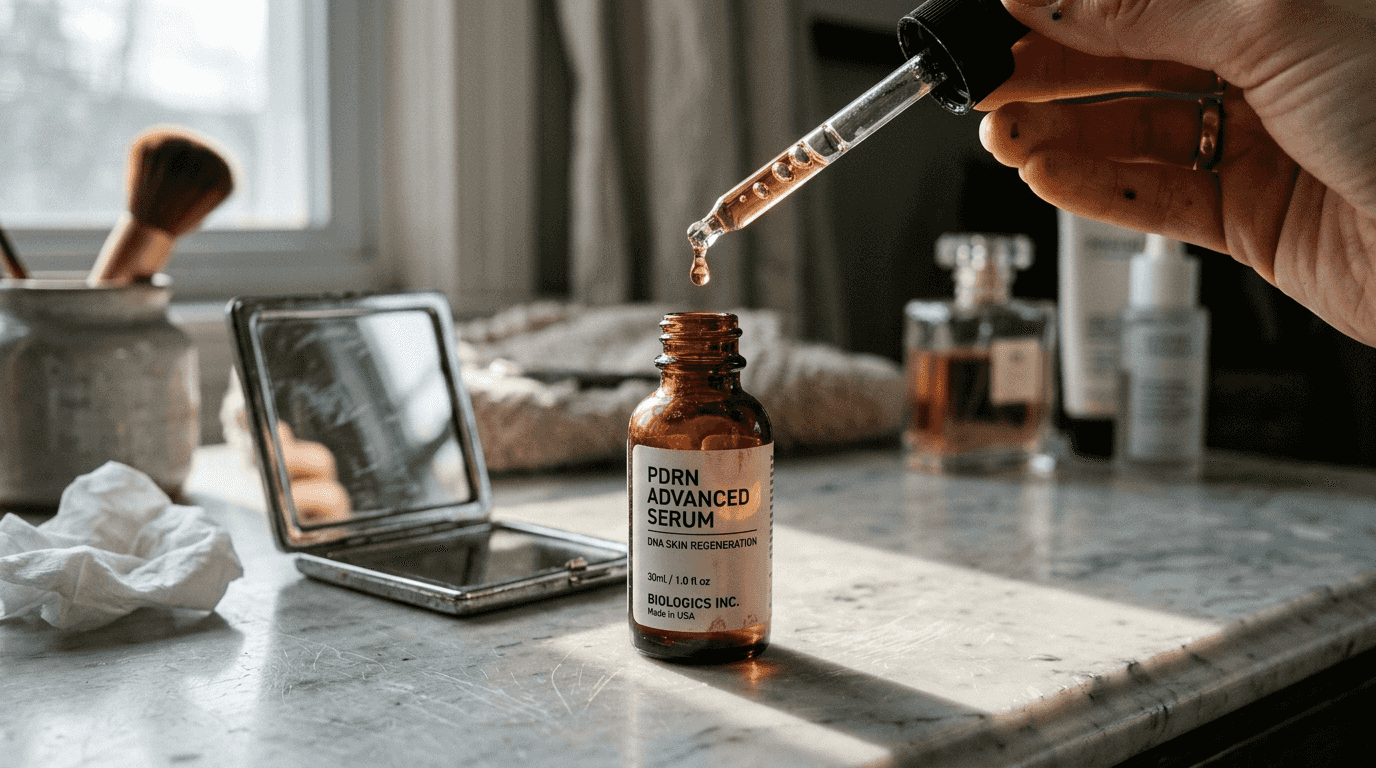
PDRN, or polydeoxyribonucleotide, stands out as one of the most impressive anti-aging ingredients backed by rigorous clinical evidence. Research demonstrates that PDRN improves periocular elasticity and firmness, increases dermal density by 8.67%, and significantly reduces wrinkles and under-eye bags while boosting skin brightness. These aren’t subtle improvements. Study participants experienced visible transformation in the delicate eye area, historically one of the most challenging regions to treat effectively.
Peptides represent another category of proven performers. These short chains of amino acids act as cellular messengers, signaling your skin to ramp up collagen production. As you age, collagen synthesis naturally declines, leading to sagging and wrinkle formation. Peptides essentially trick your skin into behaving younger by mimicking the signals that prompt repair processes.
Here’s how key anti-aging ingredients compare:
| Ingredient | Primary Mechanism | Proven Effects | Best For |
|---|---|---|---|
| PDRN | Stimulates cell regeneration and tissue repair | Increases firmness 8.67%, reduces wrinkles, brightens skin | Eye area, overall rejuvenation |
| Peptides | Signals collagen and elastin production | Improves skin thickness and elasticity | Fine lines, loss of firmness |
| Tranexamic Acid | Inhibits melanin production, strengthens barrier | Reduces hyperpigmentation, evens tone | Dark spots, uneven complexion |
| Retinol | Accelerates cell turnover, boosts collagen | Smooths texture, fades lines | Texture issues, moderate aging |
| Vitamin C | Antioxidant protection, collagen cofactor | Brightens, protects from damage | Dullness, prevention |
Lesser-known but highly effective ingredients deserve attention too. Niacinamide strengthens your skin barrier while reducing inflammation. Hyaluronic acid, though primarily known for hydration, also supports wound healing and tissue repair when formulated at the right molecular weights.
The real magic happens when ingredients work synergistically. A serum combining PDRN with peptides and antioxidants delivers more comprehensive benefits than any single ingredient alone. This is why understanding top skin repair ingredients and how they interact matters when evaluating products.
Pro Tip: Look for serums listing active ingredients in the first five components on the label. This indicates meaningful concentrations rather than token amounts added for marketing purposes.
Key considerations for ingredient effectiveness:
- Concentration levels (higher isn’t always better; some ingredients work optimally at specific percentages)
- Ingredient stability in formulation (some compounds degrade quickly when exposed to light or air)
- Complementary ingredients that enhance absorption
- Absence of irritants that could compromise skin barrier
How to choose and use serums for maximum results
Selecting an effective serum requires more than reading ingredient lists. You need to match formulation to your specific concerns while understanding how to apply products for optimal absorption. Even the most scientifically advanced serum underperforms if used incorrectly.
Follow this application sequence for best results:
- Cleanse thoroughly to remove makeup, oil, and debris that block penetration
- Apply toner or essence if using (optional but can prep skin)
- Dispense 2-3 drops of serum onto fingertips
- Gently press and pat serum into skin rather than rubbing
- Wait 30-60 seconds for absorption before applying moisturizer
- Follow with sunscreen in morning routines
The pressing motion matters more than you might think. Rubbing creates friction that can irritate skin and actually reduces absorption efficiency. Gentle patting helps active ingredients sink in while stimulating microcirculation.
When choosing serums, prioritize these factors over packaging or price:
- Evidence-based ingredients at effective concentrations
- Formulations designed for your skin type (oily, dry, combination, sensitive)
- Transparent labeling that lists exact ingredients and percentages
- Proper packaging that protects light-sensitive ingredients (opaque or dark bottles)
- Brand reputation for scientific rigor rather than marketing claims
Common mistakes sabotage serum effectiveness. Using too much product wastes money without improving results, since skin can only absorb a finite amount. Layering incompatible ingredients, like retinol with vitamin C in the same routine, can cause irritation or reduce efficacy. Skipping moisturizer after serum application allows active ingredients to evaporate before fully penetrating.
Regular use of formulated serums leads to noticeable improvement in skin firmness and brightness, but only with consistency. Visible results typically emerge after 4-8 weeks of daily application. Your skin needs time to respond to cellular signals and rebuild structural proteins.
Combining multiple serums can amplify benefits when done strategically. Apply thinnest consistency first, progressing to thicker formulations. For example, a lightweight PDRN serum followed by a peptide serum, then moisturizer. This layering approach ensures each product absorbs properly without creating a barrier that blocks subsequent applications.
Pro Tip: Store serums in a cool, dark place away from bathroom humidity. Heat and moisture degrade active ingredients, reducing potency over time. Some advanced formulations benefit from refrigeration.
For sensitive skin specifically, following best practices prevents irritation while still achieving anti-aging results. Start with lower concentrations, introduce one new product at a time, and always patch test before full-face application.
Comparing serum types and formulations for anti-aging
The serum market offers bewildering variety, from simple hydrating formulas to complex multi-ingredient treatments. Understanding how different serum types compare helps you select products aligned with your primary skin concerns and aging patterns.
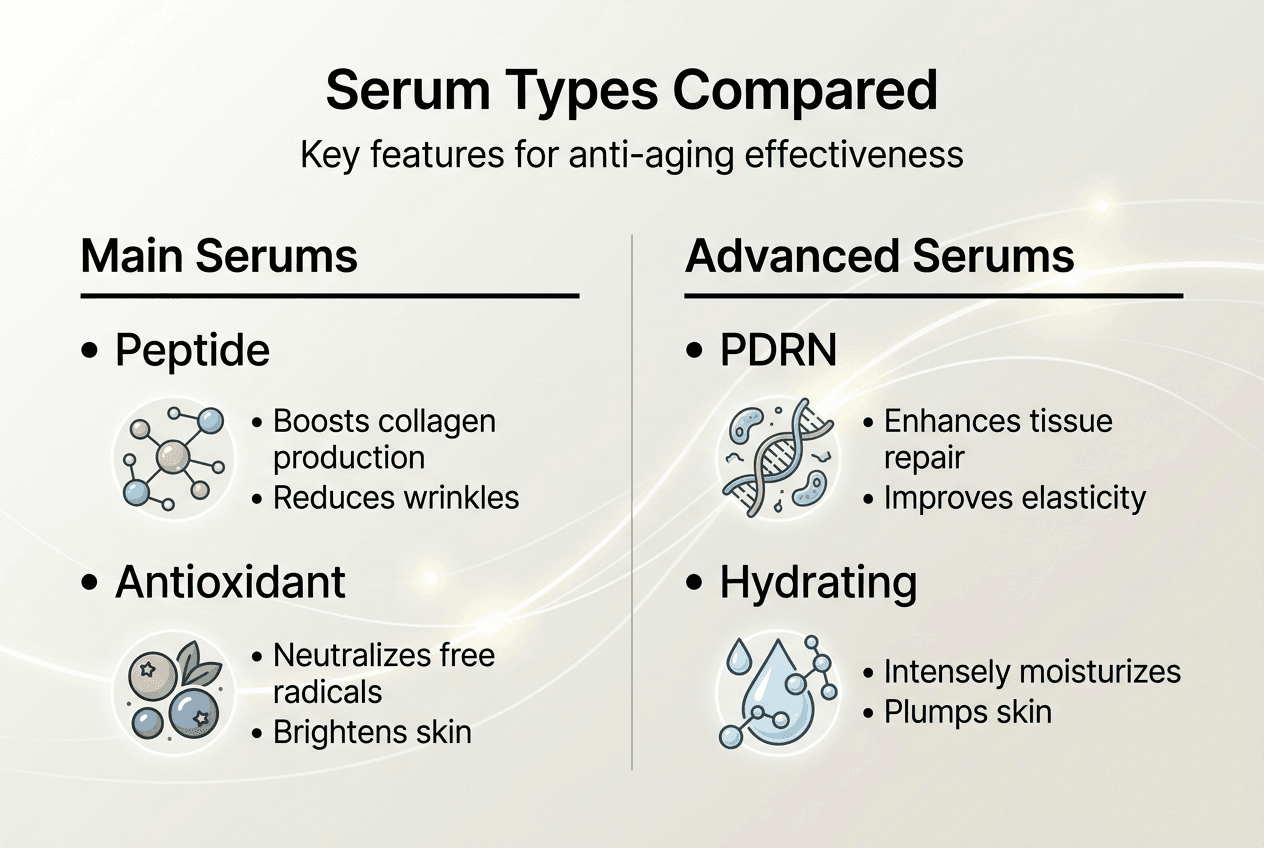
Peptide serums focus specifically on stimulating collagen and elastin production. They work slowly but deliver cumulative benefits, making them ideal for addressing loss of firmness and deepening wrinkles. These formulations typically feel lightweight and absorb quickly, making them suitable for layering under other products. However, peptide serums alone may not address pigmentation or provide significant antioxidant protection.
Antioxidant serums, featuring ingredients like vitamin C, vitamin E, and ferulic acid, primarily defend against environmental damage while providing some brightening effects. They excel at prevention, protecting existing collagen from degradation caused by UV exposure and pollution. The limitation? Antioxidants don’t actively stimulate new collagen synthesis or repair existing damage as effectively as peptides or PDRN.
Hydrating serums built around hyaluronic acid and glycerin plump skin by attracting moisture, temporarily smoothing fine lines. They’re excellent for dehydrated skin but offer minimal structural repair. Think of them as supportive players rather than star performers in an anti-aging routine.
PDRN-infused formulas represent the most advanced category, directly stimulating cellular regeneration and tissue repair at the dermal level. Advanced serums with peptides, tranexamic acid, and PDRN outperform basic formulations for cellular regeneration and skin brightening. These comprehensive treatments address multiple aging mechanisms simultaneously.
Here’s how major serum categories stack up:
| Serum Type | Primary Benefits | Limitations | Best Candidates |
|---|---|---|---|
| Peptide | Stimulates collagen, improves firmness | Slow results, limited brightening | Loss of elasticity, sagging |
| Antioxidant | Protects from damage, brightens | Minimal structural repair | Prevention, environmental exposure |
| Hydrating | Plumps skin, smooths surface lines | Temporary effects only | Dehydration, surface dryness |
| PDRN-infused | Regenerates cells, repairs tissue | Higher cost, requires consistency | Comprehensive aging concerns |
| Retinol | Accelerates turnover, boosts collagen | Can irritate, sun sensitivity | Texture issues, moderate aging |
Formulation stability significantly impacts real-world effectiveness. Vitamin C serums, for example, oxidize rapidly when exposed to air and light, turning brown and losing potency. Look for stabilized forms like ascorbic acid derivatives or packaging that minimizes air exposure.
Texture and user experience matter too. A scientifically perfect serum that feels sticky or takes forever to absorb often gets abandoned before delivering results. The best formulation balances efficacy with pleasant sensory properties that encourage consistent use.
Factors for matching serum to your needs:
- Primary concern (wrinkles, firmness, pigmentation, texture)
- Skin sensitivity level and reactive tendencies
- Current routine complexity (some serums work better solo, others layer well)
- Budget and willingness to invest in premium ingredients
- Patience level (some ingredients work faster than others)
Don’t fall for marketing claims about “instant results” or “miracle ingredients.” Genuine skin repair happens gradually as cells regenerate and structural proteins rebuild. Scientific efficacy trumps compelling advertising every time.
Explore Cellure’s scientifically advanced skin repair solutions
Now that you understand what separates effective serums from empty promises, you’re ready to explore formulations that embody these scientific principles. Cellure specializes in advanced skincare built on clinically supported ingredients like PDRN, peptides, and tranexamic acid, each chosen for proven cellular repair benefits rather than marketing appeal.
The Complete Skin Repair Kit offers a comprehensive approach, combining multiple targeted serums that work synergistically for visible rejuvenation. For specific concerns, the Tranexamic Acid Peptide Serum addresses uneven tone and loss of firmness simultaneously, while the Peptide Hydro Lift Serum focuses on deep hydration paired with collagen stimulation.
Pro Tip: When combining multiple serums, apply the most treatment-focused product first (like PDRN or peptide formulas), followed by supportive serums (hydrating or antioxidant). This layering strategy ensures your most potent ingredients penetrate effectively.
Each Cellure formulation reflects the evidence-based approach discussed throughout this guide, giving you confidence that your skincare investment delivers genuine cellular-level benefits.
Frequently asked questions about serum effectiveness
How does molecular size impact serum effectiveness?
Smaller molecules in serums penetrate the skin barrier more easily, reaching the dermis where repair occurs. This facilitates better absorption and efficacy of active ingredients. Larger molecules in traditional creams mostly remain on the surface, providing temporary benefits without triggering deeper cellular changes.
Can serums improve under-eye wrinkles?
Clinical evidence supports noticeable reduction in under-eye wrinkles with certain serums. PDRN specifically reduces periocular wrinkles and under-eye bags while improving elasticity in this delicate area. The key is choosing formulations designed for the thin, sensitive skin around eyes rather than generic face serums.
What are the best ingredients for skin firmness?
Peptides stimulate collagen production, directly improving firmness over time. PDRN enhances dermal density and accelerates repair processes. Tranexamic acid brightens while supporting overall skin integrity. Combining these ingredients in a single formulation or layered routine delivers more comprehensive firming results than any single ingredient alone.
How often should I apply an anti-aging serum?
Apply serums once or twice daily as product directions specify for optimal results. Morning application protects skin throughout the day, while evening application supports overnight repair processes. Consistency over weeks to months is essential, as visible improvements emerge gradually as skin cells regenerate and structural proteins rebuild.
Are serums safe for sensitive skin?
Look for serums specifically designed for sensitive skin or formulated with gentle, non-irritating ingredients. Patch test any new product on your inner arm before applying to your face. Following best practices for sensitive skin minimizes irritation while still achieving meaningful anti-aging results through carefully selected, clinically supported ingredients.