


Best peptides for skin in 2026: science-backed picks
Choosing effective peptides for aging skin can feel overwhelming with countless products claiming miraculous results. Adults aged 30 to 55 face a marketplace flooded with options, making it difficult to identify which peptides genuinely address wrinkles, firmness loss, volume depletion, and uneven tone. This article cuts through the confusion by presenting a science-based framework for evaluating peptides, highlighting clinically proven options like Matrixyl 3000, GHK-Cu, and oral collagen peptides, and offering practical comparisons to help you make informed decisions for your skincare routine.
Table of Contents
- How To Choose The Best Peptides For Skin: Criteria That Matter
- Top Peptides For Skin Firmness And Wrinkle Reduction: Signal And Carrier Peptides
- Supporting Peptides For Elasticity, Hydration, And Tone: Enzyme Inhibitors, Neurotransmitter Inhibitors, And Biomimetic Peptides
- Oral Collagen Peptides: Boosting Skin Volume And Wrinkle Reduction From Within
- Comparing The Best Peptides For Skin: Performance, Benefits, And Usage
- Explore Cellure’s Advanced Peptide Skincare Solutions
- Frequently Asked Questions
Key takeaways
| Point | Details |
|---|---|
| Signal peptides lead firmness gains | Matrixyl 3000 delivers 15-25% firmness improvement and reduces wrinkle depth significantly. |
| GHK-Cu offers broad benefits | This carrier peptide boosts collagen synthesis, improves tone, and controls inflammation effectively. |
| Enzyme and neurotransmitter inhibitors support elasticity | These peptides enhance hydration, relax muscles, and improve skin texture with clinical backing. |
| Oral collagen peptides work systemically | Daily intake reduces eye wrinkle volume by 20% and increases skin thickness from within. |
| Pea and biomimetic peptides improve texture | Pea peptides double hydration and triple elasticity, while tripeptide-29 boosts softness by 72.5%. |
How to choose the best peptides for skin: criteria that matter
Selecting the right peptide requires understanding how these molecules function and what evidence supports their claims. Peptides classified by mechanism include signal peptides that stimulate collagen production, carrier peptides that deliver trace elements like copper, neurotransmitter inhibitors that relax facial muscles, and enzyme inhibitors that prevent collagen breakdown. Each type addresses aging through distinct pathways, so matching the peptide mechanism to your specific skin concern is essential.
Clinical evidence separates effective peptides from marketing hype. Look for peptides backed by randomized controlled trials or meta-analyses showing measurable improvements in wrinkle depth, firmness, or hydration. Topical serums remain the preferred delivery method because they concentrate active ingredients directly on skin, though penetration challenges exist. Nano-formulations and advanced delivery systems help peptides cross the skin barrier more effectively, enhancing their bioavailability and results.
Consistency matters more than quick fixes. Most peptide studies demonstrate visible benefits after 8 to 12 weeks of daily use, with continued improvement over longer periods. Combining peptides with hydrating ingredients like hyaluronic acid and antioxidants such as vitamin C amplifies their effectiveness by creating an optimal environment for skin repair and protecting newly formed collagen from oxidative damage.
Pro Tip: Start with one or two peptide types targeting your primary concern, then gradually introduce additional peptides to avoid overwhelming your skin and to clearly identify which ingredients deliver results for you.
Understanding science-backed peptide benefits helps you evaluate product claims critically and invest in formulations that genuinely support cellular skin renewal rather than relying on superficial marketing promises.
Top peptides for skin firmness and wrinkle reduction: signal and carrier peptides
Signal peptides like Matrixyl 3000 stand out as powerhouse ingredients for addressing firmness loss and wrinkle formation. This complex combines palmitoyl tripeptide-1 and palmitoyl tetrapeptide-7, which work synergistically to trigger fibroblast activity and boost collagen and elastin synthesis. Clinical data show 15-25% improvement in skin firmness alongside significant reductions in wrinkle depth after 12 weeks of consistent topical application.
Matrixyl 3000 mimics damaged collagen fragments, essentially tricking your skin into ramping up repair processes. This mechanism makes it particularly effective for mature skin that has slowed its natural regeneration cycle. Users typically notice smoother texture within six weeks, with more pronounced lifting effects emerging around the three-month mark.
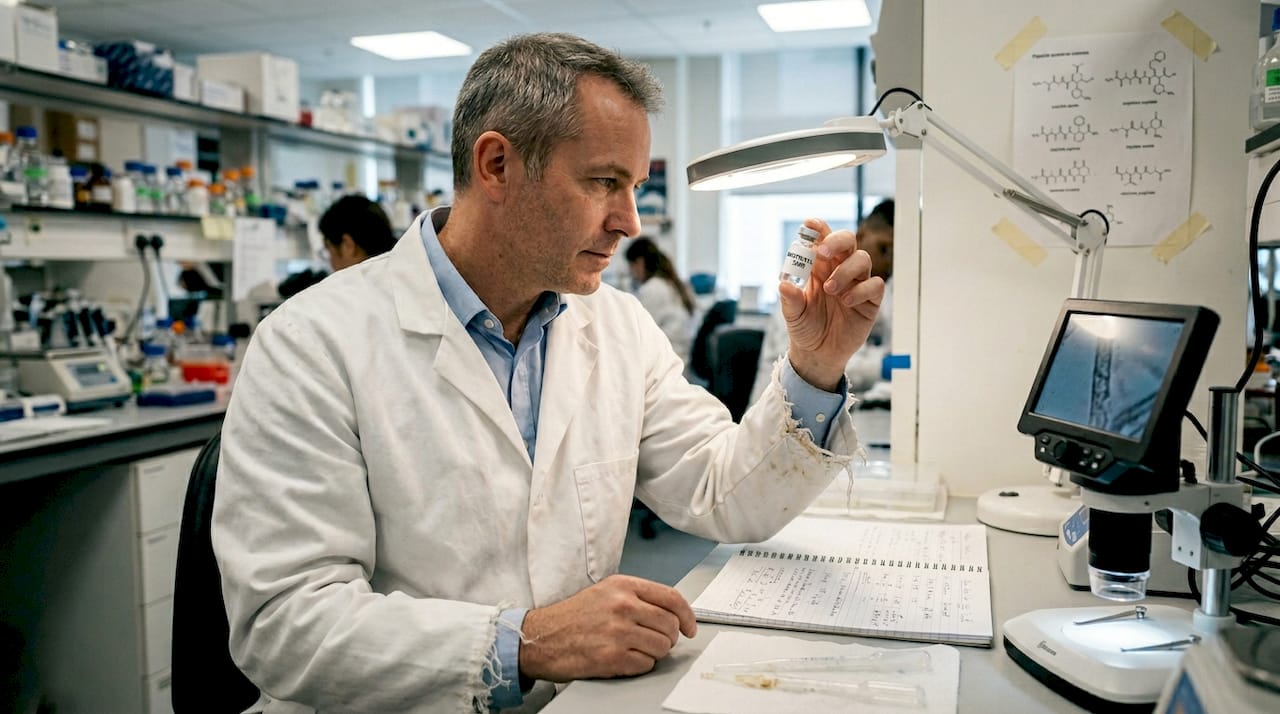
GHK-Cu represents another category of high-performing peptides through its role as a copper carrier. Copper ions aid collagen I/III synthesis, increase skin thickness, and provide anti-inflammatory benefits that calm irritation while promoting regeneration. This tripeptide complex demonstrates broad-spectrum benefits including improved wound healing, enhanced skin remodeling, and reduction of fine lines through multiple biological pathways.
Both peptides favor gentleness over aggression, making them ideal for sensitive and aging skin that cannot tolerate retinoids or strong acids. They work without causing the redness, peeling, or photosensitivity associated with more aggressive anti-aging treatments. For optimal results, apply peptide serums to clean, slightly damp skin twice daily, allowing full absorption before layering additional products.
“Signal peptides like Matrixyl 3000 and carrier peptides like GHK-Cu offer clinically proven pathways to firmer, smoother skin without the irritation profile of traditional anti-aging actives, making them essential tools for adults seeking gentle yet effective rejuvenation.”
Explore top peptides benefits 2026 to understand how different peptide families complement each other in comprehensive anti-aging routines, and learn practical strategies for using peptides to restore firmness through evidence-based application techniques.
Supporting peptides for elasticity, hydration, and tone: enzyme inhibitors, neurotransmitter inhibitors, and biomimetic peptides
Beyond firmness and wrinkles, several peptide classes target elasticity, hydration, and skin tone uniformity through specialized mechanisms. Enzyme inhibitor peptides prevent matrix metalloproteinases from degrading existing collagen and elastin, essentially protecting the structural proteins you already have while signal peptides build new ones. This dual approach maximizes firmness gains and prevents further deterioration.
Neurotransmitter inhibitors like Argireline and SNAP-8 work by reducing acetylcholine release at neuromuscular junctions, creating a mild muscle-relaxing effect similar to injectable treatments but applied topically. This mechanism supports elasticity and hydration by preventing repetitive muscle contractions that create expression lines, while simultaneously improving skin’s ability to retain moisture. These peptides prove particularly effective around the eyes and forehead where dynamic wrinkles form.
Pea peptides extracted from yellow peas deliver remarkable hydration and elasticity benefits. Clinical trials show hydration increased 2x and elasticity improved 3x in adults aged 35 to 70 after eight weeks of daily topical use. This plant-derived peptide also enhances tone uniformity by supporting even melanin distribution and reducing the appearance of age spots through its antioxidant properties.
Tripeptide-29 represents a newer biomimetic peptide that dramatically transforms skin texture and moisture retention. Studies demonstrate hydration improvements of +72.5% and significant wrinkle volume reduction in women aged 36 to 65 after just four weeks. This peptide mimics natural skin repair signals, triggering comprehensive regeneration that addresses multiple aging markers simultaneously.
Pro Tip: Layer peptides strategically by applying thinner, water-based peptide serums first, followed by richer formulations, to ensure each ingredient penetrates effectively without creating a barrier that blocks subsequent products.
| Peptide Type | Primary Benefit | Application Frequency | Visible Results Timeline |
|---|---|---|---|
| Enzyme inhibitors | Collagen protection | Twice daily | 6-8 weeks |
| Argireline/SNAP-8 | Expression line reduction | Once or twice daily | 4-6 weeks |
| Pea peptide | Hydration and elasticity | Twice daily | 8 weeks |
| Tripeptide-29 | Texture and moisture | Once daily | 4 weeks |
Combining these peptides in serums creates layered benefits that address aging comprehensively rather than targeting isolated concerns. Discover more about top skin repair ingredients and how they work synergistically to restore youthful skin characteristics through cellular-level interventions.
Oral collagen peptides: boosting skin volume and wrinkle reduction from within
While topical peptides work on the skin surface, oral bioactive collagen peptides like VERISOL offer a complementary approach by enhancing skin quality systemically. These hydrolyzed collagen fragments are absorbed through the digestive system and distributed throughout the body, where they stimulate fibroblasts to increase collagen and elastin production from within.
Clinical trials demonstrate 20% reduction in eye wrinkle volume after just eight weeks of daily intake at 2.5 grams. The same studies show increased procollagen I production, the precursor to mature collagen that provides structural support and plumpness. This internal boost translates to measurably thicker skin with improved resilience and reduced sagging.
Oral peptides work through a fascinating mechanism where small collagen fragments signal your body that collagen breakdown is occurring, triggering compensatory production to replace what appears to be lost. This biological hack leverages your body’s natural repair systems rather than forcing external changes, resulting in sustainable improvements that persist with continued supplementation.
The systemic nature of oral peptides means benefits extend beyond facial skin to include improved nail strength, hair quality, and joint health. For adults aged 30 to 55 experiencing multiple signs of aging, this whole-body approach offers efficiency and convenience. Oral peptides support topical routines by working internally while serums address surface concerns, creating comprehensive anti-aging coverage.
Safety profiles for oral collagen peptides are excellent, with minimal side effects reported across numerous studies. They integrate easily into daily routines, typically mixed into morning coffee, smoothies, or water. Most users notice initial improvements in skin hydration within two to four weeks, with structural changes like reduced wrinkles emerging around eight weeks.
“Combining oral and topical peptides creates a powerful inside-out approach to skin aging, addressing volume loss and structural decline systemically while simultaneously improving surface texture and firmness through direct application.”
Consider exploring collagen peptide supplements that complement your topical peptide routine, ensuring you address aging through multiple pathways for maximum visible improvement and long-term skin health.
Comparing the best peptides for skin: performance, benefits, and usage
Understanding how different peptides compare helps you select the right combination for your specific skin concerns and lifestyle preferences. The following comparison synthesizes clinical evidence, application methods, and targeted benefits to guide your decision-making process.
| Peptide | Mechanism | Key Benefits | Application | Clinical Support | Best For |
|---|---|---|---|---|---|
| Matrixyl 3000 | Signal peptide | 15-25% firmness gain, wrinkle reduction | Topical serum, twice daily | Strong RCT evidence | Wrinkles and sagging |
| GHK-Cu | Copper carrier | Collagen synthesis, thickness, inflammation control | Topical serum, once or twice daily | Multiple clinical trials | Overall rejuvenation |
| Enzyme inhibitors | MMP prevention | Collagen protection, firmness maintenance | Topical serum, twice daily | Meta-analysis support | Preventing further loss |
| Argireline | Neurotransmitter inhibitor | Expression line reduction, elasticity | Topical serum, once daily | Clinical evidence | Dynamic wrinkles |
| Pea peptide | Plant-derived signal | 2x hydration, 3x elasticity, tone | Topical serum, twice daily | RCT data | Dryness and texture |
| Tripeptide-29 | Biomimetic signal | 72.5% hydration boost, softness | Topical serum, once daily | Recent clinical study | Rapid texture improvement |
| Oral collagen | Systemic stimulation | 20% wrinkle reduction, volume, thickness | Oral supplement, daily | Multiple RCTs | Internal support |
This comparison reveals that no single peptide addresses all aging concerns equally. Matrixyl 3000 and GHK-Cu provide the strongest evidence for firmness and wrinkle reduction, making them foundational choices. Pea peptides and tripeptide-29 excel at hydration and texture, ideal for dry or rough skin. Oral collagen offers systemic support that topical products cannot replicate, particularly for volume loss and overall skin thickness.
Combination strategies typically yield superior results compared to single-peptide approaches. A morning routine might include a signal peptide like Matrixyl 3000 followed by a hydrating pea peptide serum, while evening application could feature GHK-Cu and an enzyme inhibitor to maximize overnight repair processes. Oral collagen taken daily provides continuous internal support regardless of topical routine variations.
Learn more about serum effectiveness factors including peptide concentration, delivery systems, and complementary ingredients that enhance peptide performance and accelerate visible results through optimized formulation science.
Explore Cellure’s advanced peptide skincare solutions
Cellure translates the peptide science discussed throughout this article into precisely formulated products designed for visible results. The complete skin repair kit combines multiple peptide types with complementary bioactives, addressing firmness, volume, tone, and hydration through a comprehensive system backed by clinical research. Each product leverages advanced delivery technology to ensure peptides penetrate effectively and reach target cells where they trigger regeneration.
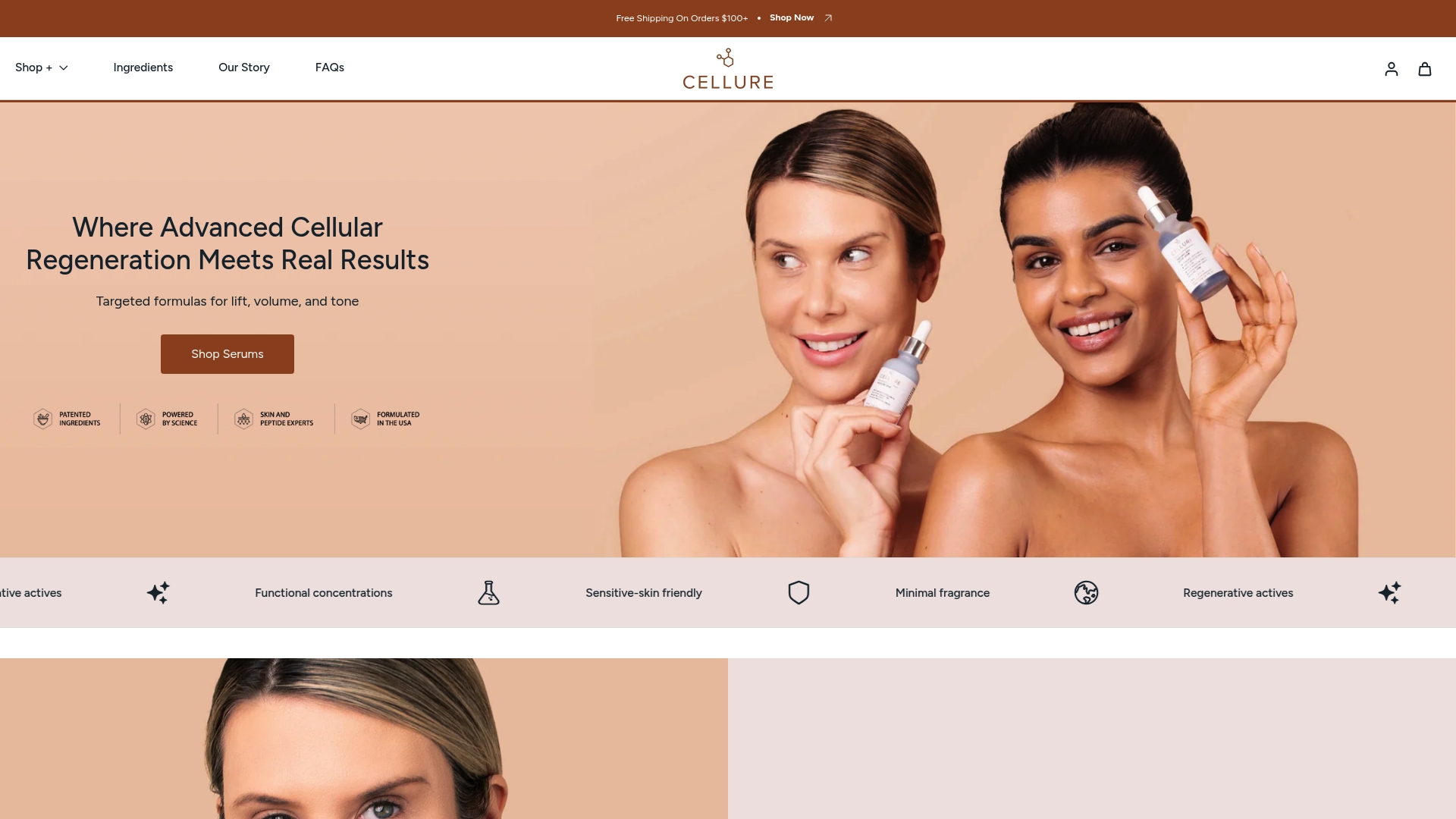
The tranexamic acid peptide serum pairs signal peptides with brightening actives, targeting both structural aging and pigmentation concerns in one elegant formulation. This combination proves particularly effective for adults aged 30 to 55 experiencing multiple aging markers simultaneously. Cellure’s formulations reflect the evidence-based approach outlined here, prioritizing ingredients with robust clinical support and avoiding trendy but unproven additions. Explore Cellure skincare solutions to find peptide-powered products that align with your specific aging concerns and deliver the cellular regeneration your skin needs for lasting improvement.
Frequently asked questions
What are peptides and how do they benefit aging skin?
Peptides are short chains of amino acids that serve as signaling molecules, instructing skin cells to perform specific functions like producing collagen, increasing hydration, or reducing inflammation. When applied topically or taken orally, peptides trigger skin repair processes that naturally decline with age, resulting in firmer texture, reduced wrinkles, improved tone uniformity, and enhanced moisture retention. Different peptide types target specific aging mechanisms, allowing customized treatment approaches based on individual skin concerns and goals.
How long does it take peptides to show visible results on skin?
Peptides generally require consistent use for 8 to 12 weeks before visible improvements become apparent, though some users notice initial texture changes within 4 to 6 weeks. Clinical trials demonstrate significant reductions in wrinkles and improved firmness after 12 weeks of daily application. Longer use enhances effectiveness as peptides work cumulatively, with benefits continuing to build over months of consistent application. Patience and adherence to twice-daily routines maximize results and ensure you experience the full potential of peptide technology.
Are peptides suitable for sensitive skin and how do they compare to retinoids?
Peptides cause significantly less irritation than retinoids and are recommended for sensitive skin types that cannot tolerate stronger actives. While retinoids deliver powerful anti-aging effects, they often cause dryness, redness, peeling, and photosensitivity that limit their use for many adults. Peptides provide gentler rejuvenation without these side effects, making them ideal for year-round use and for individuals with reactive or compromised skin barriers. Both ingredients can be used together strategically, with peptides applied in the morning and retinoids at night, though starting with peptides alone allows sensitive skin to build tolerance.
Can oral collagen peptides replace topical peptide skincare?
Oral collagen peptides and topical peptides serve complementary rather than interchangeable roles in anti-aging routines. Oral bioactive peptides enhance volume and firmness systemically by stimulating internal collagen production throughout the body, while topical peptides directly improve surface firmness, texture, and tone through localized cellular signaling. Combining both approaches delivers comprehensive benefits that address aging from multiple angles, with oral supplementation supporting structural improvements and topical application targeting specific surface concerns like wrinkles and uneven pigmentation for optimal visible results.
Recommended
Share