


How peptides work in skincare: science-backed guide
Many people believe peptides deliver overnight transformations, erasing wrinkles like magic. The truth is more nuanced and scientifically grounded. Peptides are bioactive molecules that gradually support skin repair through specific cellular pathways, not instant miracles. Understanding how different peptide types function, how they penetrate skin barriers, and what clinical evidence actually shows empowers you to make smarter skincare choices. This guide breaks down peptide mechanisms, delivery challenges, realistic outcomes, and practical application strategies to help you harness their science-backed benefits of peptides for healthier, more youthful skin.
Table of Contents
- Key takeaways
- Understanding peptide types and their biological roles in skin repair
- Challenges and innovations in peptide delivery for effective skincare
- Scientific evidence and clinical results: what peptides realistically do for aging skin
- Optimizing your peptide skincare routine: expert tips and best practices
- Discover premium peptide skincare solutions at Cellure
- Frequently asked questions
Key Takeaways
| Point | Details |
|---|---|
| Peptide pathways | Different peptides work by signaling collagen production or by inhibiting nerve signals to reduce wrinkle formation. |
| Delivery barriers | Topical peptides must reach target cells by crossing the skin barrier and resisting enzymatic degradation to be effective. |
| Clinical timeline | Clinical studies show gradual improvements over weeks rather than instant changes. |
| Peptide combinations | For best results use formulations that target multiple pathways by combining signaling peptides with neurotransmitter inhibitors. |
Understanding peptide types and their biological roles in skin repair
Peptides are short chains of amino acids that act as cellular messengers in your skin. Two main categories dominate anti-aging skincare: signal peptides and neurotransmitter inhibitors. Each works through distinct biological mechanisms to address different aging concerns.
Signal peptides mimic growth factors your skin naturally produces. When applied topically, they bind to fibroblast receptors and trigger specific responses. Matrixyl and GHK-Cu activate fibroblasts to boost collagen and elastin via protein kinase C pathways, essentially telling your cells to ramp up production of structural proteins that decline with age. Think of them as foremen directing a construction crew to rebuild weakening scaffolding. This process unfolds gradually as fibroblasts receive repeated signals over weeks of consistent application.
Neurotransmitter inhibiting peptides take a different approach entirely. Argireline reduces muscle contractions by blocking acetylcholine release via SNARE complex inhibition, preventing the nerve signals that cause repetitive facial movements. When you smile or frown thousands of times daily, those contractions etch lines into your skin. By gently reducing muscle activity in targeted areas, these peptides help prevent new wrinkles from forming while allowing existing expression lines to soften. The effect resembles a topical alternative to neurotoxin injections, though far milder and localized to the application site.
Key peptides you’ll encounter include Matrixyl (palmitoyl pentapeptide-4), which specifically targets collagen synthesis, and copper peptide GHK-Cu, known for wound healing and antioxidant properties. Argireline (acetyl hexapeptide-8) leads neurotransmitter inhibitors. Each targets specific aging pathways, which is why premium formulations often combine multiple peptides.
The biological pathways involved are sophisticated. Protein kinase C activation triggers a cascade of cellular events that ultimately increase collagen gene expression. SNARE complex inhibition prevents vesicles containing acetylcholine from fusing with nerve cell membranes, blocking the chemical signal that tells muscles to contract. These aren’t surface-level cosmetic tricks but fundamental cellular processes.
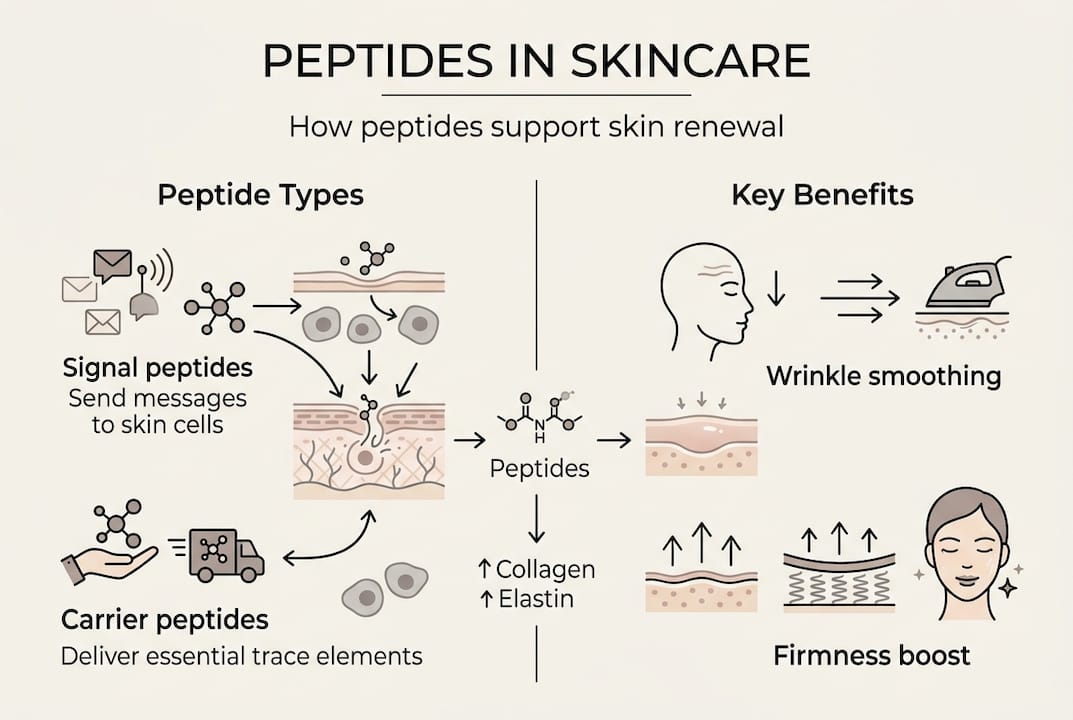
Pro Tip: Choosing formulas with peptides targeting multiple pathways maximizes anti-aging benefits. A serum combining signal peptides for collagen production with neurotransmitter inhibitors for wrinkle prevention addresses aging from complementary angles, delivering more comprehensive results than single-peptide products.
Challenges and innovations in peptide delivery for effective skincare
Even the most potent peptide does nothing if it can’t reach target cells. Your skin evolved as a barrier, not a gateway, creating significant obstacles for topical peptide absorption.
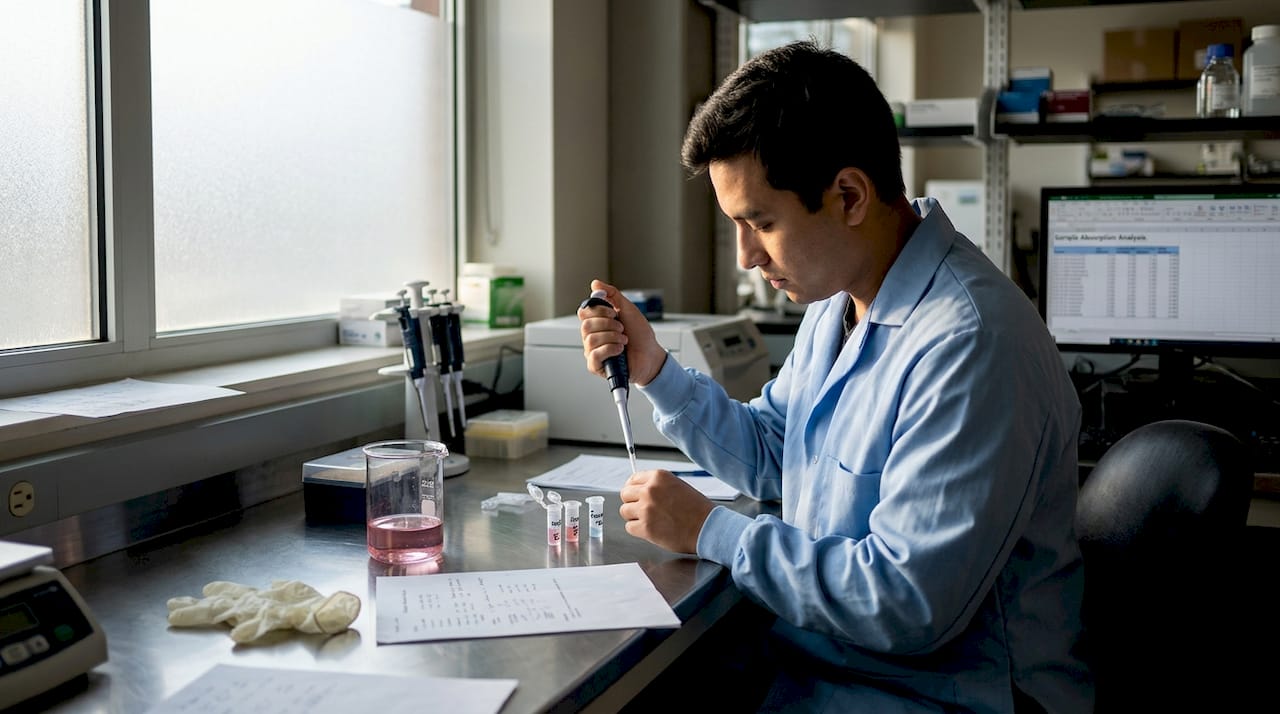
Peptides face poor penetration due to hydrophilicity, size, and enzymatic degradation, limiting their ability to cross the stratum corneum. Most peptides are water-loving molecules ranging from 500 to 3000 Daltons, too large and polar to slip through the lipid-rich outer skin layer. Once they do penetrate, peptidase enzymes lurking in deeper skin layers can break them down before they reach fibroblasts. This triple threat of size, charge, and instability means poorly formulated peptide products may deliver little active ingredient to where it’s needed.
Advanced delivery technologies solve these problems through several approaches:
- Lipidation attaches fatty acid chains to peptides, making them lipophilic enough to penetrate lipid barriers while maintaining biological activity
- Nanocarriers like liposomes and ethosomes encapsulate peptides in tiny vesicles that fuse with skin cells, delivering cargo directly inside
- Microneedling creates temporary microchannels that bypass the stratum corneum entirely, boosting absorption dramatically
- Chemical penetration enhancers temporarily disrupt lipid organization, creating pathways for peptides to pass through
Delivery enhancements include lipidation, nanocarriers, microneedling, and chemical enhancers, each offering measurable absorption improvements:
| Delivery Method | Absorption Increase | Mechanism |
|---|---|---|
| Lipidation | 3-5x | Fatty acid modification enhances lipid solubility |
| Liposomes | 4-8x | Vesicles fuse with cell membranes |
| Ethosomes | 6-12x | Ethanol-containing vesicles penetrate deeper |
| Microneedling | 2-22x | Physical channels bypass barrier |
| Chemical enhancers | 2-4x | Temporary lipid disruption |
To maximize absorption when applying peptide products at home:
- Cleanse thoroughly to remove oils and debris that block penetration
- Apply peptide serum to slightly damp skin, which enhances hydration and penetration
- Use gentle pressing motions rather than rubbing, allowing product to sink in
- Wait 2-3 minutes before layering other products to prevent dilution
- Follow with an occlusive moisturizer to prevent transepidermal water loss
Premium advanced peptide delivery systems incorporate multiple enhancement technologies. Look for products mentioning liposomal encapsulation or palmitoylated peptides, which signal sophisticated formulation approaches. The difference between a basic peptide cream and an advanced delivery formula can mean 5-10 times more active ingredient reaching target cells.
Pro Tip: Avoid combining peptides with low pH actives like vitamin C or AHAs in the same application. Acidic environments can destabilize certain peptides and reduce their efficacy. Apply peptides first, wait 10 minutes, then follow with acids, or use them at different times of day to preserve stability and maximize results from both ingredient types.
Mastering peptide serum application techniques transforms theoretical benefits into visible improvements.
Scientific evidence and clinical results: what peptides realistically do for aging skin
Marketing claims promise dramatic transformations, but what does peer-reviewed research actually demonstrate about peptide efficacy?
Clinical trials provide the most reliable evidence. CHP-9 reduced crow’s feet wrinkle metrics versus retinol in a 56-day randomized controlled trial, showing statistically significant improvements in wrinkle depth and skin texture. Participants using the peptide formula experienced comparable wrinkle reduction to retinol users but with notably less irritation and redness. This represents meaningful progress, though improvements were gradual and modest rather than dramatic overnight changes.
A comprehensive meta-analysis of 16 RCTs confirmed signal peptides as most effective for wrinkle reduction, though with modest effect sizes averaging 10-25% improvement in objective wrinkle measurements. That means if you start with a wrinkle depth of 100 microns, expect it to reduce to 75-90 microns after 8-12 weeks of consistent use. Visible to trained observers and measurement tools, but not the erasure some marketing suggests.
Comparing peptides to established anti-aging ingredients provides context:
| Factor | Peptides | Retinol | Vitamin C |
|---|---|---|---|
| Wrinkle reduction | 10-25% over 8-12 weeks | 20-40% over 12-16 weeks | 15-30% over 8-12 weeks |
| Irritation risk | Low to minimal | Moderate to high | Low to moderate |
| Collagen stimulation | Moderate, gradual | Strong, faster | Moderate, antioxidant pathway |
| Skin barrier support | Excellent | Can compromise | Neutral to positive |
| Best for | Sensitive skin, gentle maintenance | Aggressive anti-aging | Brightening plus anti-aging |
Dr. Leslie Baumann, a leading dermatology researcher, explains the realistic role of peptides:
Peptides are excellent supporting actors in anti-aging skincare, not leading heroes. They provide measurable benefits with minimal irritation, making them ideal for sensitive skin or as adjuncts to more aggressive treatments. Expecting them to replace retinoids sets unrealistic expectations, but incorporating them strategically enhances overall results.
The evidence reveals important gaps between hype and reality. Many studies are manufacturer-funded with small sample sizes. Peptide concentrations and delivery systems vary wildly between products, making it hard to predict real-world results from clinical data. Some heavily marketed peptides have minimal independent research supporting their claims.
Realistic expectations matter. Peptides won’t erase deep wrinkles or reverse decades of sun damage. They can gradually improve skin texture, reduce fine lines, boost hydration, and support barrier function. Think of them as preventive maintenance and gentle enhancement rather than dramatic correction. For top peptide ingredients for aging skin, focus on those with published human trials showing measurable outcomes.
The clinically proven peptide benefits center on gradual improvements in firmness, hydration, and fine line appearance over consistent use periods of 2-3 months. Patience and realistic goals lead to satisfaction rather than disappointment.
Optimizing your peptide skincare routine: expert tips and best practices
Knowing peptide science means little without practical application strategies. Here’s how to incorporate peptides effectively into your daily routine.
Layering order and timing significantly impact results:
- Cleanse with a gentle, pH-balanced cleanser to prepare skin without stripping
- Apply any toners or essences to balance pH and boost hydration
- Use peptide serum on slightly damp skin while pores are receptive
- Wait 2-3 minutes for peptides to absorb before adding other actives
- Layer retinol or acids if using, allowing another wait period
- Seal everything with moisturizer to lock in actives and support barrier function
- Finish morning routines with broad-spectrum SPF to protect peptide-stimulated collagen
Multi-peptide formulations targeting various aging pathways deliver superior results compared to single-peptide products. Experts recommend palmitoylated signal peptides combined with neurotransmitter inhibitors in lipidated formulations for comprehensive anti-aging benefits. This approach addresses collagen loss, expression wrinkles, and barrier dysfunction simultaneously rather than tackling just one concern.
Key do’s and don’ts for peptide success:
- Do apply peptides twice daily for consistent cellular signaling
- Do store peptide products in cool, dark places to maintain stability
- Do give formulas at least 8 weeks before judging effectiveness
- Don’t mix peptides with copper-binding ingredients like vitamin C in the same step
- Don’t apply peptides immediately after exfoliating acids without a wait period
- Don’t expect instant results or dramatic transformations from topical peptides alone
Combining using peptides for firmness and hydration with complementary ingredients amplifies benefits. Hyaluronic acid boosts the hydration peptides help skin retain. Niacinamide supports barrier function that allows peptides to work more effectively. Antioxidants protect the collagen peptides help produce from oxidative damage.
Pro Tip: Consider professional microneedling treatments quarterly if you have persistent aging concerns. Clinical microneedling creates controlled injury that triggers natural repair responses while dramatically boosting peptide absorption. The combination of enhanced delivery and wound-healing activation can accelerate visible improvements beyond what topical application alone achieves.
Understanding peptides role in skin repair helps you recognize why patience matters. Collagen synthesis and cellular turnover operate on weeks-long timelines, not overnight. Consistent daily application over months allows peptides to exert their gradual, cumulative effects on skin structure and function.
Discover premium peptide skincare solutions at Cellure
Now that you understand peptide mechanisms, delivery challenges, and realistic expectations, you’re ready to experience their benefits through scientifically formulated products.
Cellure specializes in advanced peptide formulations utilizing lipidation, nanocarrier technology, and multi-peptide blends targeting complementary aging pathways. Our serums combine signal peptides for collagen stimulation with neurotransmitter inhibitors for wrinkle prevention, all in delivery systems designed to overcome skin barrier challenges.
The Complete Skin Repair Kit pairs our flagship peptide serum with complementary actives for comprehensive cellular regeneration. For targeted brightening alongside anti-aging, our Tranexamic acid peptide serum combines melanin-regulating tranexamic acid with firming peptides. Every formula reflects our commitment to clinically supported ingredients and results-driven concentrations.
Explore Cellure advanced cellular regeneration solutions to transform peptide knowledge into visible skin improvements backed by regenerative science.
Frequently asked questions
How do peptides differ from retinol in anti-aging skincare?
Peptides work gradually by signaling fibroblasts to produce more collagen and elastin, offering gentle improvements with minimal irritation over 8-12 weeks. Retinol accelerates cell turnover and collagen synthesis more aggressively, delivering faster visible changes but causing dryness, redness, and sensitivity in many users. When properly layered, peptides and retinol complement each other by addressing aging through different mechanisms while peptides help soothe irritation retinol may cause.
Can peptides penetrate the skin deeply enough to be effective?
Peptides naturally face penetration barriers due to their molecular size and water-loving nature, which limits absorption through the lipid-rich outer skin layer. Advanced delivery methods like lipidation (attaching fatty acids), nanocarrier encapsulation, and microneedling overcome these obstacles by increasing absorption 2-22 times compared to basic formulations. Regular application of well-formulated peptide products with proven delivery technologies ensures enough active ingredient reaches target fibroblasts to trigger measurable anti-aging responses.
How long does it take to see visible results from peptide skincare?
Clinical trials consistently show gradual improvements emerging over 8-12 weeks of twice-daily application, with peptides supporting increased firmness, enhanced hydration, and reduced fine line appearance. Collagen synthesis and cellular turnover operate on weeks-long timelines, so expecting overnight transformations leads to disappointment. Consistent use for at least two months allows peptides to exert their cumulative effects on skin structure, with continued improvements possible over 4-6 months of sustained application.
Are expensive peptide serums worth the investment compared to budget options?
Premium peptide formulations justify higher costs through sophisticated delivery systems, clinically effective concentrations, and multi-peptide blends targeting complementary pathways. Budget products often contain insufficient peptide concentrations or lack delivery enhancements, meaning little active ingredient reaches target cells despite label claims. Investing in scientifically formulated peptide serums with proven delivery technologies like liposomal encapsulation or palmitoylation ensures you receive therapeutic benefits rather than paying for ineffective formulas that sit on skin’s surface.