


Best practices for cellular repair to rejuvenate aging skin
If you’ve noticed your skin losing firmness, developing fine lines, or showing uneven tone despite your best efforts, you’re experiencing the visible effects of cellular aging. For adults in their 30s through 50s, skin changes aren’t just surface level, they stem from deeper cellular damage and senescence that conventional moisturizers can’t address. The good news? Scientifically backed cellular repair practices can target the root causes of aging skin, restoring vitality at the cellular level. This guide walks you through proven best practices, from foundational ingredients to cutting-edge technologies, so you can make informed decisions about rejuvenating your skin effectively.
Table of Contents
- Key takeaways
- How to evaluate effective cellular repair skincare
- Topical ingredients proven for cellular repair and rejuvenation
- Emerging cellular repair enhancers: sirtuin activators and peptide technologies
- Comparing cellular repair practices: synergy, risks, and tailored routines
- Enhance your cellular repair with Cellure skincare
- Frequently asked questions
Key Takeaways
| Point | Details |
|---|---|
| Cellular aging drivers | Cellular senescence driven by DNA damage, oxidative stress, and UV exposure accelerates aging and inflammation. |
| Retinoids boost collagen | Retinoids stimulate collagen production and normalize cell turnover, helping reduce wrinkles when started at low concentrations and gradually increased in frequency as the skin adapts. |
| Antioxidants and hydrators | Vitamin C and niacinamide help neutralize oxidative stress while hyaluronic acid aids ECM repair and hydration. |
| Combination actives work best | Using products that address senescent cells, ECM repair, oxidative stress, and inflammation yields greater measurable skin improvements over months. |
How to evaluate effective cellular repair skincare
Understanding what drives skin aging at the cellular level helps you choose products that actually work. Cellular senescence, triggered by stressors like DNA damage, oxidative stress, and UV exposure, is a key driver of skin aging in adults 30-55, leading to inflammation and wrinkles. When cells become senescent, they stop dividing but don’t die. Instead, they release inflammatory molecules called the senescence-associated secretory phenotype (SASP), which accelerates aging in surrounding tissue.
Key cellular stressors causing senescence include:
- Ultraviolet radiation damaging DNA and generating reactive oxygen species
- Chronic oxidative stress from environmental pollutants and metabolic processes
- Telomere shortening with each cell division
- Mitochondrial dysfunction reducing cellular energy production
These stressors lead to visible consequences. SASP factors break down the extracellular matrix (ECM), the structural scaffold of collagen and elastin that keeps skin firm. Collagen production declines approximately 1% per year after age 30, while existing fibers fragment and lose organization. Chronic low-grade inflammation perpetuates damage, creating a cycle of accelerated aging that manifests as wrinkles, sagging, and uneven texture.
When evaluating skincare for cellular repair, look for products that address multiple mechanisms. Effective formulations should target senescent cell accumulation, support ECM regeneration, neutralize oxidative stress, and reduce chronic inflammation. Clinical evidence matters, look for ingredients with published studies demonstrating measurable improvements in biomarkers like collagen density, skin thickness, or wrinkle depth. Products combining complementary actives often outperform single-ingredient approaches because cellular aging involves multiple interconnected pathways.
For a deeper dive into how cellular mechanisms drive skin rejuvenation, explore our cellular repair 2026 guide youthful skin resource.
Topical ingredients proven for cellular repair and rejuvenation
Once you understand the cellular targets, you can select ingredients with proven mechanisms. Topical retinoids stimulate collagen, normalize cell turnover, reduce wrinkles but can irritate; antioxidants (vitamin C, niacinamide) scavenge ROS and reduce inflammation; AHAs exfoliate while hyaluronic acid hydrates and supports ECM. Each ingredient class addresses different aspects of cellular aging.
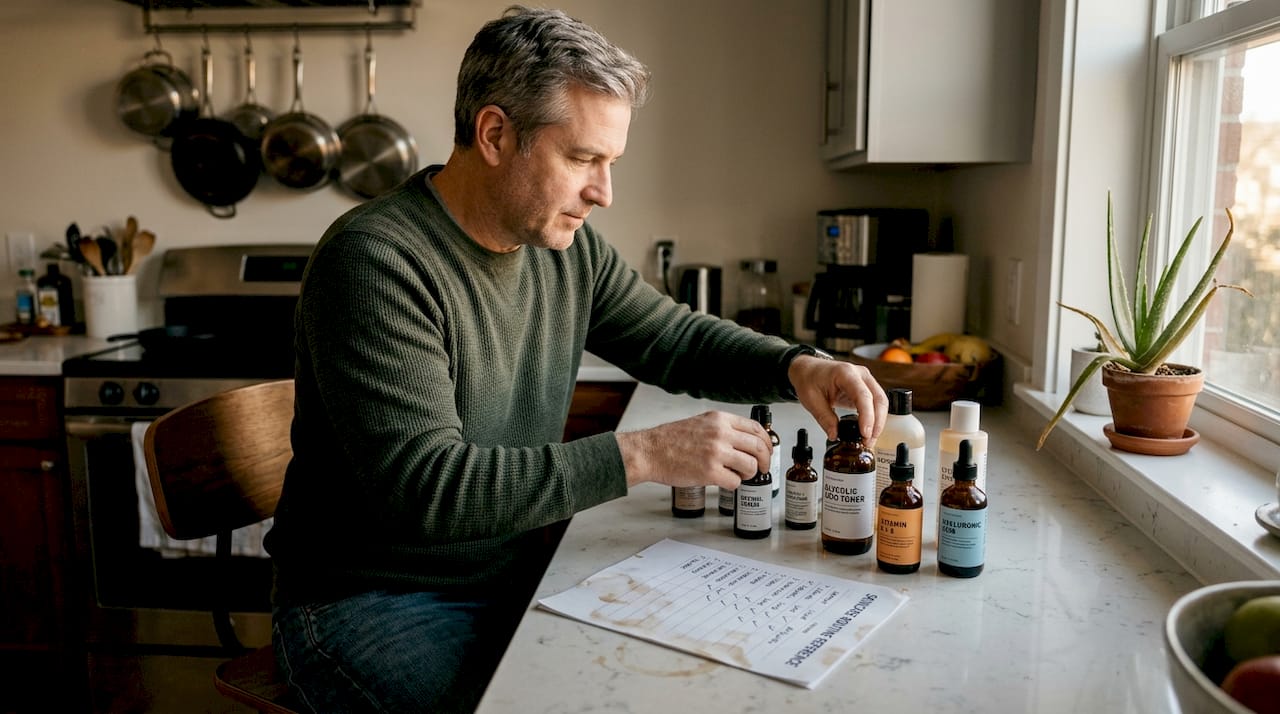
Retinoids (retinol, retinaldehyde, prescription tretinoin) remain the gold standard for cellular repair. They bind to nuclear receptors that regulate gene expression, upregulating collagen synthesis and normalizing keratinocyte turnover. This accelerates the shedding of damaged surface cells while stimulating fresh, healthy cells beneath. Start with low concentrations (0.25-0.5% retinol) two to three times weekly, gradually increasing frequency as your skin adapts. Buffer irritation by applying over moisturizer initially, then progressing to bare skin as tolerance builds.
Antioxidants provide complementary protection and repair:
- Vitamin C (L-ascorbic acid) neutralizes free radicals, boosts collagen synthesis, and inhibits melanin production for brighter tone
- Niacinamide (vitamin B3) strengthens the skin barrier, reduces inflammation, and improves texture without irritation
- Vitamin E works synergistically with vitamin C to enhance photoprotection and stabilize cell membranes
Alpha hydroxy acids (glycolic, lactic) exfoliate dead cells, improving product penetration and stimulating dermal renewal. They also increase hyaluronic acid and collagen in the dermis. Use 5-10% AHA products two to three times weekly, always followed by broad-spectrum SPF during the day.
Hyaluronic acid (HA) is a humectant that holds up to 1,000 times its weight in water. Beyond hydration, HA supports ECM structure and signals fibroblasts to produce more collagen. Look for formulations with multiple molecular weights, low-weight HA penetrates deeper while high-weight HA forms a protective film on the surface.
To maximize ingredient synergy and minimize irritation, follow this application sequence:
- Cleanse thoroughly to remove barriers to absorption
- Apply water-based serums (vitamin C, niacinamide, HA) on damp skin
- Wait 10-15 minutes, then apply retinoid if using in the same routine
- Seal with moisturizer containing ceramides and peptides
- Always finish morning routines with SPF 50+ broad-spectrum sunscreen
Learn more about the science behind these actives in our guide on cellular repair how it works. For product selection advice, see what makes serums effective anti-aging. If you have reactive skin, check our sensitive skin serum guide gentle cellular repair for tailored recommendations.
Emerging cellular repair enhancers: sirtuin activators and peptide technologies
Beyond conventional actives, emerging ingredients target cellular aging at even deeper levels. Sirtuin activators extend cellular lifespan, reduce senescence, and regimens produced an average 4-year perceived age reversal in 12 weeks. These results represent a significant advancement in topical anti-aging technology.
Sirtuins are a family of proteins that regulate cellular health, DNA repair, and longevity. They decline with age, contributing to senescence and metabolic dysfunction. Topical sirtuin activators (resveratrol, pterostilbene, NAD+ precursors) can reactivate these pathways, extending the functional lifespan of skin cells. In clinical trials, participants using sirtuin-targeting regimens showed measurable improvements in wrinkle depth, skin elasticity, and overall facial age appearance compared to controls.
Peptide technologies offer another avenue for cellular enhancement:
- Signal peptides (palmitoyl pentapeptide-4) instruct fibroblasts to increase collagen and elastin production
- Carrier peptides (copper peptides) deliver trace elements needed for enzymatic wound healing and tissue remodeling
- Neurotransmitter-inhibiting peptides (acetyl hexapeptide-8) reduce expression lines by limiting muscle contraction signals
- Enzyme-inhibiting peptides protect existing collagen from degradation
These synthetic fragments mimic natural signaling molecules, triggering specific cellular responses without the irritation risk of retinoids. They work particularly well in combination with antioxidants and hydrators, creating multi-pathway repair systems.
Pro Tip: When introducing emerging actives like sirtuin boosters or advanced peptides, start by adding them to your established routine one at a time. Use them consistently for at least 8 weeks before evaluating results, as cellular changes take time to manifest visibly. Pair with diligent sun protection, UV exposure rapidly degrades the cellular improvements these ingredients promote.
For a complete workflow integrating these advanced actives, visit our cellular repair workflow youthful skin guide. You can also explore detailed anti-aging ingredients explanation for broader context on how these molecules function.
Comparing cellular repair practices: synergy, risks, and tailored routines
Not all cellular repair approaches suit every skin type equally. Twice-daily topicals plus SPF50+, combining retinoids, antioxidants, and hyaluronic acid shows synergy; sensitive skin benefits from low-dose retinoids buffered with niacinamide; phototypes III-IV need post-procedure care to avoid complications. Understanding these nuances helps you build an effective, personalized routine.
| Ingredient Category | Efficacy for Cellular Repair | Common Risks | Best For |
|---|---|---|---|
| Retinoids | High (collagen boost, cell turnover) | Irritation, dryness, photosensitivity | Normal to oily skin, tolerance builders |
| Antioxidants (C, niacinamide) | Moderate to high (ROS neutralization, barrier support) | Minimal (occasional sensitivity to vitamin C) | All skin types, especially sensitive |
| Sirtuin activators | High (longevity pathways, senescence reduction) | Very low (well-tolerated) | Aging-focused routines, all types |
| Peptides | Moderate (targeted signaling) | Very low (rare allergic reactions) | Sensitive skin, retinoid intolerant |
| AHAs + HA | Moderate (exfoliation, hydration, penetration) | Irritation if overused, sun sensitivity | Normal to dry, not extremely sensitive |
Tailoring your routine requires honest assessment of your skin’s current state:
- If you have sensitive or reactive skin, prioritize niacinamide, peptides, and low-dose retinol (0.25%) applied over moisturizer
- Oily or resilient skin can tolerate higher retinoid concentrations (0.5-1%) and daily AHA use
- Fitzpatrick phototypes III-VI should use gentler exfoliation and emphasize barrier repair to prevent post-inflammatory hyperpigmentation
- Rosacea-prone individuals benefit from sirtuin activators and antioxidants while avoiding strong retinoids and acids
Consistency matters more than product quantity. A simple routine applied religiously outperforms an elaborate regimen used sporadically. Cellular repair accumulates over months, missing applications breaks the regenerative momentum. Always pair active ingredients with broad-spectrum SPF 50+ during the day, UV exposure undoes cellular repair faster than any product can rebuild it.
Pro Tip: Introduce new actives gradually by using them every third night for two weeks, then every other night for two weeks, before progressing to nightly use. This titration minimizes irritation while allowing your skin’s tolerance to build naturally. If redness or flaking occurs, scale back frequency rather than abandoning the ingredient entirely.
“The most effective anti-aging regimens combine multiple mechanisms, retinoids for cell turnover, antioxidants for protection, hydrators for barrier support, and emerging actives like peptides or sirtuin boosters for targeted enhancement. This synergistic approach addresses cellular aging from every angle, producing results no single ingredient can achieve alone.” – Board-certified dermatologist consensus on comprehensive skincare protocols
For sensitive skin-specific strategies, explore our best practices for sensitive skin gentle anti aging tips to refine your approach further.
Enhance your cellular repair with Cellure skincare
Now that you understand the science behind effective cellular repair, it’s time to experience these principles in action. Cellure specializes in advanced formulations that combine clinically validated bioactive ingredients, peptides, antioxidants, and regenerative compounds, to target skin aging at the cellular level. Our products are designed for adults seeking visible rejuvenation through evidence-based skincare.
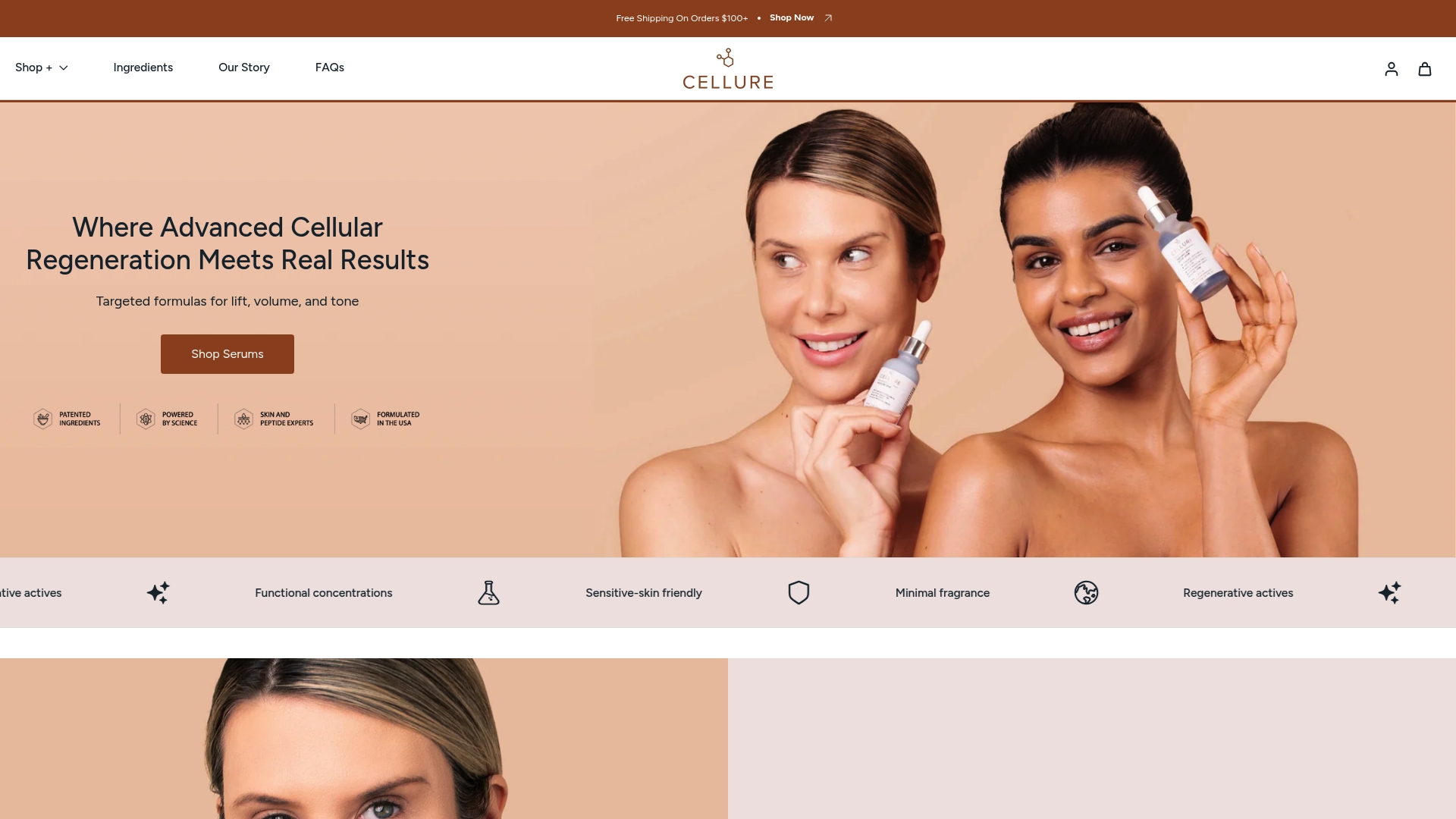
The Complete Skin Repair Kit delivers a synergistic system of serums and treatments formulated to address multiple aging pathways simultaneously. For targeted enhancement, our Tranexamic Acid Peptide Serum combines brightening and collagen-boosting actives in a gentle, results-driven formula suitable for all skin types. Discover how Cellure’s regenerative science can help you achieve firmer, more youthful skin through consistent cellular repair.
Frequently asked questions
What causes cellular damage leading to skin aging?
Cellular damage accumulates from UV radiation, oxidative stress, environmental pollutants, and natural metabolic processes. These stressors cause DNA damage, mitochondrial dysfunction, and telomere shortening, triggering cells to enter senescence. Senescent cells release inflammatory molecules (SASP) that break down collagen and elastin, creating visible signs of aging like wrinkles and sagging.
How long does it take to see results from cellular repair skincare?
Timelines vary by ingredient and individual factors. Hydration improvements from hyaluronic acid appear within days, while texture refinement from AHAs takes 4-6 weeks. Retinoid-driven collagen increases become visible at 8-12 weeks, with continued improvement up to 6 months. Sirtuin activators show measurable age reversal around 12 weeks with consistent use. Patience and consistency are essential for cellular-level changes to manifest.
Can sensitive skin benefit from these cellular repair practices?
Absolutely. Sensitive skin benefits from gentler formulations and slower introduction schedules. Start with low-dose retinoids (0.25%) buffered over moisturizer, niacinamide for barrier support, and peptides for collagen signaling without irritation. Avoid high-concentration AHAs initially, focusing instead on hydrators and antioxidants. Gradually build tolerance over months, and always prioritize sun protection to prevent inflammation that exacerbates sensitivity.
Are sirtuin activators safe for all skin types?
Yes, sirtuin activators like resveratrol and NAD+ precursors are generally well-tolerated across all skin types with minimal irritation risk. They work through cellular longevity pathways rather than exfoliation or strong receptor binding, making them suitable even for sensitive or reactive skin. Clinical studies show excellent safety profiles with consistent use. As with any new ingredient, patch test first and introduce gradually to ensure your skin responds positively.
Recommended
- Master the cellular repair workflow for youthful skin – Cellure
- Cellular Repair Skincare 2026: 30% Firmer Skin Guide – Cellure
- Why cellular repair matters for youthful skin in 2026 – Cellure
- What is cellular repair? A 2026 guide to youthful skin – Cellure
- Facial Rejuvenation Process 2026 for Natural Results