


What is cellular repair? A 2026 guide to youthful skin
Many believe a single miracle cream can erase years of aging overnight. The truth is far different: visible improvements typically appear after 8 to 12 weeks of regular use. Cellular repair is a gradual biological process that renews damaged skin cells over time. This guide explains the science behind cellular repair, identifies ingredients that support it, and offers practical steps to build a routine that delivers lasting skin health and rejuvenation.
Table of Contents
- Understanding Cellular Repair: Foundations
- The Science Of Cellular Repair In Skin Aging
- Key Ingredients And Their Role In Cellular Repair
- Common Misconceptions About Cellular Repair
- Practical Approaches To Support Cellular Repair
- Tailoring Skincare For Effective Cellular Repair
- Market Trends And Consumer Preferences
- Discover Advanced Cellular Repair Solutions With Cellure
Key takeaways
| Point | Details |
|---|---|
| Cellular repair definition | Renewal of damaged skin cells through natural biological processes critical for maintaining skin integrity and appearance. |
| Aging impacts repair capacity | Mitochondrial decline, cellular senescence, and oxidative stress reduce skin’s ability to repair, causing wrinkles and dullness. |
| Clinically proven ingredients | Bioactive peptides, polynucleotides, and antioxidants support collagen synthesis, reduce inflammation, and enhance mitochondrial function. |
| Realistic timelines matter | Visible results require 8 to 12 weeks of consistent use; quick fixes are unsupported by science. |
| Personalization enhances outcomes | Tailoring ingredient selection to genetic factors, lifestyle, and aging signs maximizes cellular repair effectiveness. |
Understanding cellular repair: foundations
Cellular repair in skin involves natural renewal processes where damaged skin cells are replaced by new, healthy cells, critical for maintaining skin integrity and appearance. This process is distinct from overall skin regeneration, which includes tissue and structural repair across multiple layers. The epidermis naturally turns over approximately every 28 days in young adults, but this cycle slows significantly with age.
When cellular repair capacity declines, visible signs of aging emerge. Dull texture, loss of firmness, and uneven tone result from reduced cell renewal and accumulation of damaged cells. The skin’s barrier weakens, making it more vulnerable to environmental stressors. Understanding this foundation helps you recognize why cellular repair matters for maintaining youthful skin.
Key factors influencing cellular repair include:
- Natural epidermal turnover rate, which decreases by about 10% each decade after age 30
- Mitochondrial energy production that fuels repair mechanisms
- Protein synthesis capacity required to build new cellular structures
- Antioxidant defenses protecting cells from oxidative damage
- Barrier function maintaining optimal hydration and protection
Grasping cellular repair how it works at this foundational level sets the stage for choosing effective skincare. The epidermis, dermis, and hypodermis each play distinct roles, but the epidermis is where visible cellular repair primarily occurs. Supporting these natural cycles with targeted ingredients accelerates renewal and minimizes aging signs. Learn more about cellular regeneration basics to deepen your understanding.
The science of cellular repair in skin aging
Aging impairs cellular repair through several interconnected biological mechanisms. Mitochondria, the energy factories of cells, become less efficient over time. Biomimetic peptides reduce oxidative stress markers by 35% and increase mitochondrial efficiency by 20% in laboratory studies, demonstrating how targeted ingredients can restore energy production. Without adequate cellular energy, repair processes slow dramatically.
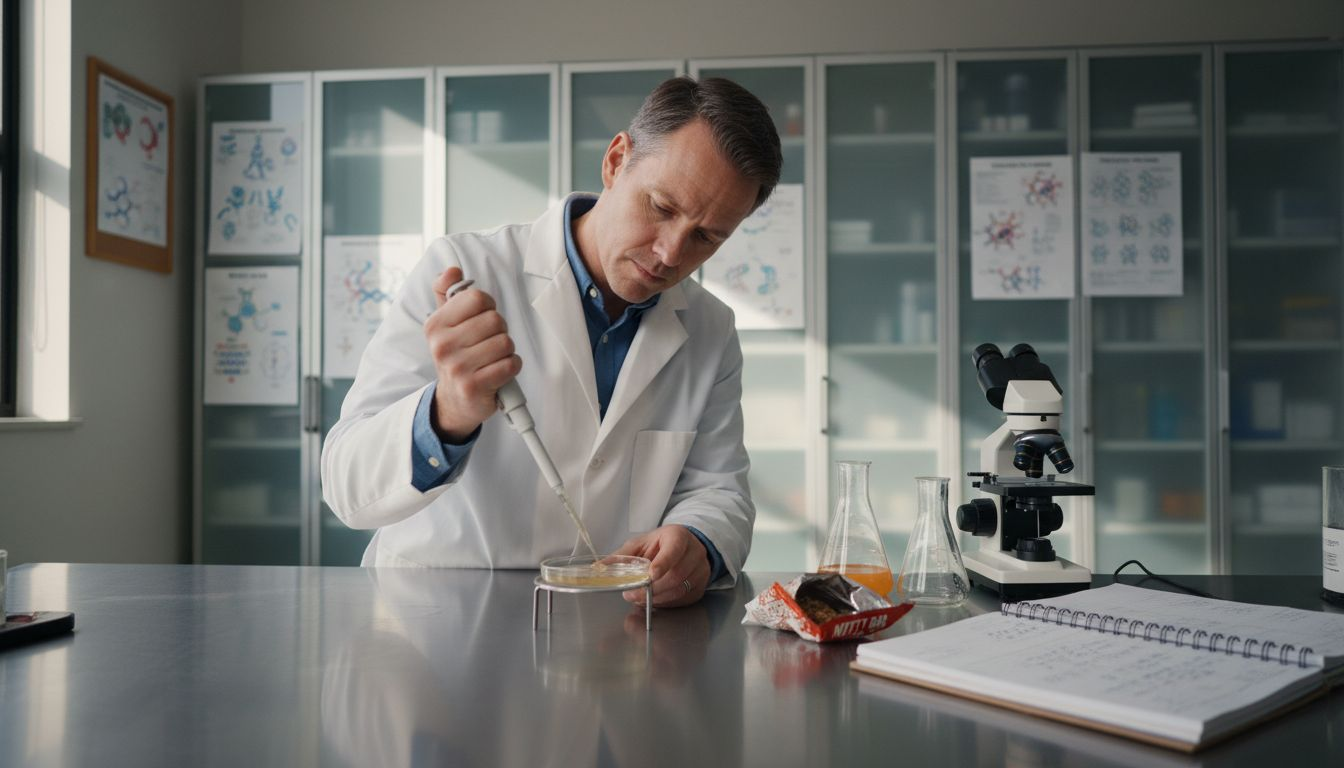
Cellular senescence, where cells stop dividing but remain metabolically active, contributes significantly to wrinkles and texture changes. These senescent cells secrete inflammatory molecules that damage surrounding healthy cells, creating a cycle of degradation. Epigenetic factors, such as DNA methylation patterns, also influence repair capacity by controlling which genes are expressed. Environmental exposures like UV radiation and pollution accelerate these epigenetic changes.
Oxidative stress and chronic inflammation are major drivers of impaired cellular repair. Free radicals damage cellular components including DNA, proteins, and lipids. When antioxidant defenses weaken, this damage accumulates faster than cells can repair it. Inflammatory signaling disrupts normal repair cascades and breaks down collagen and elastin fibers essential for firmness.
Key mechanisms affecting cellular repair:
- Mitochondrial dysfunction reducing ATP production needed for repair processes
- Accumulation of senescent cells secreting inflammatory cytokines
- Epigenetic modifications altering gene expression patterns
- Oxidative damage overwhelming antioxidant defense systems
- Chronic low-grade inflammation disrupting repair signaling pathways
Pro Tip: Support mitochondrial health by incorporating peptides specifically designed to enhance cellular energy production. This foundational step amplifies the effectiveness of other repair ingredients in your routine.
Understanding why cellular repair matters becomes clearer when you see these mechanisms in action. Targeting mitochondrial function and reducing oxidative stress creates an environment where cells can repair efficiently. Explore why target cellular repair with peptides to see how specific ingredients address these biological challenges. Research on the mitochondrial role in skin aging continues to reveal new strategies for maintaining youthful skin.
Key ingredients and their role in cellular repair
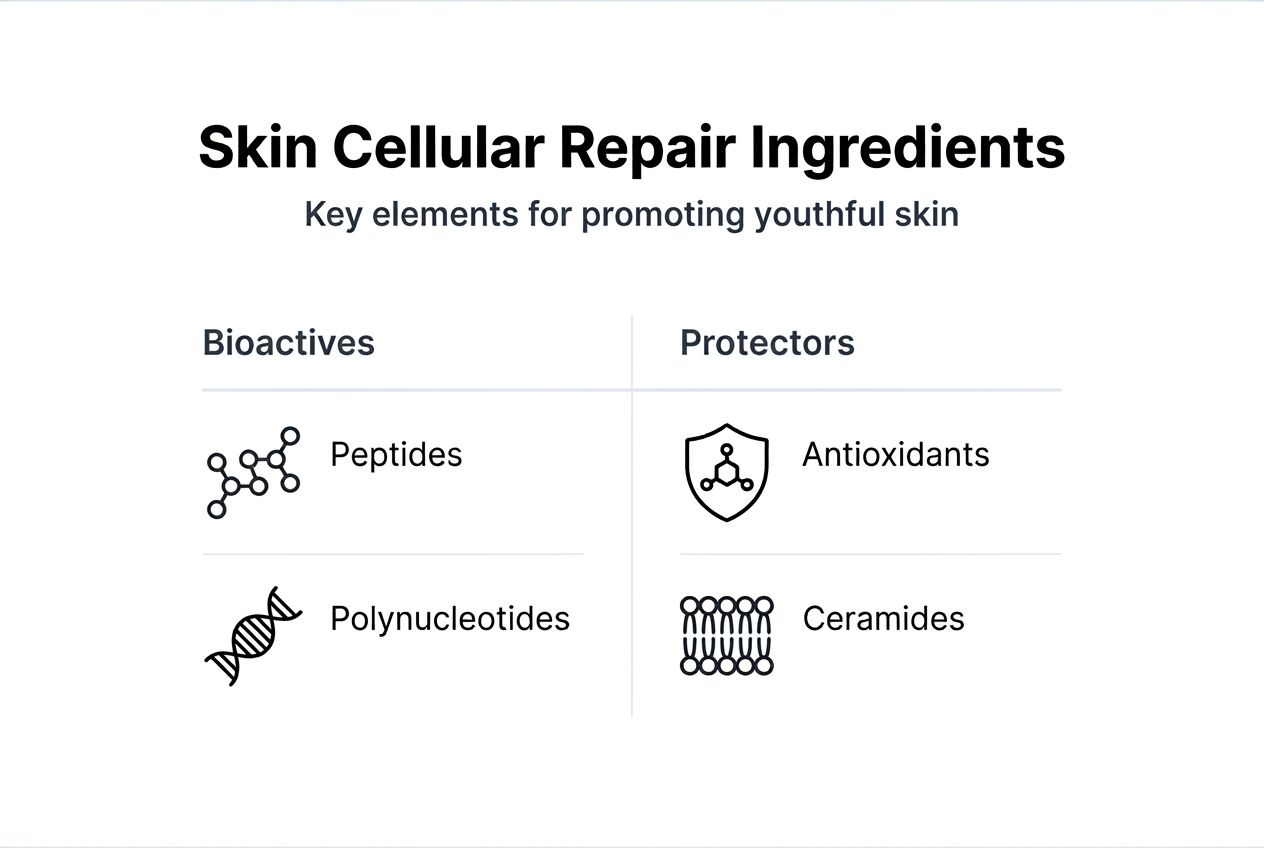
Bioactive peptides are short chains of amino acids that signal skin cells to produce more collagen and elastin. Bioactive peptides stimulate collagen synthesis and improve skin elasticity by up to 15% over 12 weeks in clinical studies. They work by mimicking natural signaling molecules that activate fibroblasts, the cells responsible for producing structural proteins. This makes peptides essential for restoring firmness and reducing fine lines.
Polynucleotides are fragments of DNA or RNA that promote tissue repair through multiple pathways. Polynucleotides increase collagen density by 20% after 8 weeks and enhance angiogenesis, the formation of new blood vessels that deliver nutrients to skin cells. They also facilitate cell migration and reduce inflammation, making them powerful allies in cellular repair. These molecules work at a deeper level than many topical ingredients.
Antioxidants protect mitochondria from oxidative damage and improve overall repair capacity. Vitamins C and E, coenzyme Q10, and resveratrol neutralize free radicals before they can harm cellular structures. By preserving mitochondrial function, antioxidants ensure cells have the energy needed for repair. They also help maintain the skin barrier, preventing moisture loss and environmental damage.
| Ingredient | Primary Action | Key Benefits |
|---|---|---|
| Bioactive Peptides | Signal collagen and elastin production | Improved firmness, reduced fine lines, enhanced elasticity |
| Polynucleotides | Promote angiogenesis and cell migration | Increased collagen density, reduced inflammation, accelerated healing |
| Antioxidants | Neutralize free radicals and protect mitochondria | Enhanced energy production, barrier protection, reduced oxidative stress |
Benefits these ingredients provide to aging skin:
- Stimulation of collagen and elastin synthesis for structural support
- Protection of cellular DNA and proteins from oxidative damage
- Reduction of inflammatory signaling that accelerates aging
- Enhancement of skin barrier function and hydration retention
- Acceleration of natural repair cycles for faster visible improvements
Discover more about top skin repair ingredients to understand how each component contributes to cellular health. Review clinical peptide studies for detailed evidence of efficacy. Research on polynucleotides for skin repair reveals their unique regenerative properties that complement other active ingredients.
Common misconceptions about cellular repair
The biggest myth surrounding cellular repair is that a single product can instantly reverse aging. No single product can instantly reverse aging; visible improvements generally require 8 to 12 weeks of consistent use. This misconception leads many to abandon effective products prematurely because they expect overnight transformation. Understanding realistic timelines prevents frustration and supports better skincare decisions.
Another widespread misunderstanding is confusing cellular repair with full skin regeneration. Cellular repair focuses on renewing individual damaged cells within the epidermis. Skin regeneration is a broader process involving tissue restructuring, collagen remodeling, and barrier restoration across multiple skin layers. While related, these processes operate on different timelines and require different approaches.
Expecting quick fixes can actually harm your skin routine adherence. When products don’t deliver immediate results, people often switch to new formulas before giving current ones time to work. This prevents your skin from experiencing the cumulative benefits of consistent ingredient use. Patience and realistic expectations are essential for achieving lasting improvements.
Common false beliefs versus reality:
- Myth: One miracle ingredient reverses all aging signs. Reality: Effective repair requires multiple complementary ingredients working together over time.
- Myth: Expensive products work faster than affordable options. Reality: Ingredient quality and concentration matter more than price; consistency beats cost.
- Myth: Visible peeling or irritation means the product is working. Reality: Healthy cellular repair should be gentle; excessive irritation disrupts the barrier and slows repair.
- Myth: Older skin cannot benefit from cellular repair. Reality: Skin retains repair capacity at all ages; targeted ingredients support renewal regardless of age.
- Myth: Natural aging cannot be influenced by skincare. Reality: While genetics play a role, environmental protection and active ingredients significantly slow visible aging.
Understand that cellular repair is a marathon, not a sprint. Your skin’s natural renewal cycle takes weeks, and rebuilding collagen and elastin requires sustained support. Learn about cellular repair misconceptions to avoid common pitfalls and set yourself up for success with evidence based skincare.
Practical approaches to support cellular repair
Building an effective cellular repair routine requires a systematic approach. Follow these steps to optimize your skin’s renewal capacity:
- Identify your specific skin needs by assessing visible aging signs such as fine lines, loss of firmness, dullness, or uneven tone.
- Select core ingredients targeting those concerns: peptides for firmness, polynucleotides for deep repair, antioxidants for protection.
- Alternate stimulation and recovery phases by using active ingredients several times weekly while supporting barrier repair on other days.
- Monitor progress through photos and texture assessments every four weeks to track gradual improvements.
- Adjust your routine based on skin response, increasing active use if tolerated well or scaling back if irritation occurs.
Emphasizing barrier supportive ingredients alongside actives creates an environment where repair thrives. Ceramides, niacinamide, and hyaluronic acid maintain hydration and reduce sensitivity when using potent ingredients like retinol. This balanced approach prevents the inflammation that can derail cellular repair.
Pro Tip: Avoid continuous daily exfoliation, which strips away cells faster than they can regenerate. Balance stimulation from actives with recovery periods using gentle, hydrating products to optimize long-term repair outcomes.
Consistent, long-term adherence is non-negotiable for visible benefits. Skipping applications or frequently switching products interrupts the cumulative effects that drive cellular repair. Your skin needs repeated exposure to active ingredients for cellular signaling pathways to activate fully. Consider individual skin sensitivity when building your routine and adjust concentrations or frequency accordingly.
Explore a gentle cellular repair guide if you have reactive skin. For comprehensive solutions, visit advanced cellular regeneration resources to find products designed for sustained repair without irritation.
Tailoring skincare for effective cellular repair
Genetic and lifestyle factors significantly affect your skin’s repair capacity. Some individuals naturally produce more collagen or have stronger antioxidant defenses, while others face accelerated aging due to genetics, sun exposure, smoking, or stress. Understanding your unique profile helps you select ingredients that address your specific vulnerabilities and maximize cellular repair effectiveness.
Choosing ingredients suited to your skin profile involves assessing both visible signs and underlying sensitivities. Dry, mature skin benefits from rich peptide formulas combined with barrier repair ingredients. Oily or acne prone skin requires lighter textures with anti-inflammatory polynucleotides. Sensitive skin thrives with minimal ingredient lists focused on gentle, proven actives.
| Skin Type/Concern | Recommended Repair Approach | Key Ingredients |
|---|---|---|
| Dry, mature skin | Rich peptide serums with barrier support | Peptides, ceramides, hyaluronic acid |
| Oily, resilient skin | Lightweight polynucleotide formulas with antioxidants | Polynucleotides, niacinamide, vitamin C |
| Sensitive, reactive skin | Gentle antioxidant and barrier repair focus | Antioxidants, centella asiatica, minimal actives |
| Combination skin with aging signs | Targeted zone treatment with balanced hydration | Peptides for firmness zones, antioxidants overall |
Data driven personalization and comprehensive skincare kits streamline the process of matching products to your needs. Kits designed around cellular repair principles ensure ingredient compatibility and eliminate guesswork. They provide a complete routine addressing cleansing, treatment, and protection in one coordinated system.
Factors to consider when personalizing your routine:
- Sun exposure history and current UV protection habits
- Hormonal influences such as menopause or thyroid conditions
- Stress levels and sleep quality affecting cortisol and repair cycles
- Dietary habits providing or lacking skin supporting nutrients
- Previous skincare reactions indicating sensitivities or allergies
Learn more through a comprehensive cellular repair skincare 2026 guide that breaks down personalization strategies. Explore skin repair kits for aging skin to see how curated product combinations deliver superior results compared to individual product selection.
Market trends and consumer preferences
The skincare industry in 2026 reflects growing consumer demand for clean, barrier supportive formulations that prioritize long term skin health. Shoppers increasingly scrutinize ingredient lists, favoring products free from potential irritants and backed by clinical evidence. This shift has pushed brands to emphasize transparency and scientific validation in their marketing and formulation processes.
Consumers prefer realistic promises over exaggerated claims of instant transformation. The days of miracle cream hype are fading as educated buyers recognize that effective cellular repair takes time and consistency. Brands that communicate honest timelines and set appropriate expectations build stronger trust and customer loyalty. This transparency aligns with the broader movement toward authenticity in wellness and personal care.
There is a noticeable shift toward slow, sustainable results rather than quick fixes. People are willing to invest in routines that deliver gradual, lasting improvements instead of temporary cosmetic effects. This patience reflects a deeper understanding of skin biology and the recognition that cellular repair cannot be rushed without risking barrier damage or sensitivity.
Current market priorities include:
- Clean formulations with minimal unnecessary additives and proven active ingredients
- Transparent ingredient labeling with clear explanations of each component’s role
- Bioscience driven product development using peptides, polynucleotides, and advanced antioxidants
- Personalized skincare solutions tailored to individual aging patterns and skin types
- Sustainable packaging and ethical sourcing aligned with environmental values
The rising popularity of cellular repair focused regimens signals a maturation of the skincare market. Consumers are moving beyond surface level hydration and seeking products that address aging at its biological roots. This trend supports innovation in peptide technology, polynucleotide applications, and mitochondrial support ingredients that deliver measurable improvements in skin structure and function.
Discover advanced cellular repair solutions with Cellure
Now that you understand the science of cellular repair, you can make informed choices about products that truly support your skin’s renewal. Cellure’s Complete Skin Repair Kit embodies the principles discussed throughout this guide, combining bioactive peptides, polynucleotides, and antioxidants in clinically backed formulations.
Each product in the kit targets specific cellular repair mechanisms: lifting serums enhance firmness through collagen stimulation, volumizing formulas restore density, and calming treatments reduce inflammation that disrupts renewal. These solutions are designed for all skin types and integrate seamlessly into consistent routines that deliver visible results over 8 to 12 weeks. Explore Cellure’s advanced cellular regeneration offerings to find personalized support for your skin’s unique repair journey and achieve lasting skin health.
FAQ
What is the difference between cellular repair and skin regeneration?
Cellular repair is the renewal of individual damaged skin cells through natural biological processes. Skin regeneration encompasses broader tissue and structural repair across multiple skin layers, including collagen remodeling and barrier restoration. Cellular repair supports the foundation for overall skin regeneration by ensuring healthy cell turnover.
How long does it take to see results from cellular repair skincare?
Visible improvements usually appear after 8 to 12 weeks of consistent use, aligning with natural skin renewal cycles. Results depend on ingredient quality, concentration, and your skin’s baseline condition. Patience and adherence are key; premature product switching prevents you from experiencing cumulative benefits.
Can I use cellular repair products on sensitive skin?
Yes, opt for gentle formulas featuring polynucleotides and antioxidants that support repair without causing irritation. Start with lower concentrations and gradually increase frequency as your skin adapts. Patch test new products and consult a sensitive cellular repair guide for personalized recommendations.
What ingredients should I look for to promote cellular repair?
Look for bioactive peptides, polynucleotides, and antioxidants backed by clinical studies demonstrating efficacy. These ingredients support collagen synthesis, reduce inflammation, and enhance mitochondrial function for comprehensive cellular renewal. Review top skin repair ingredients to understand each component’s specific role in your routine.
Recommended
Share