


Skin Renewal Checklist: Essential Steps for Visible Results
TL;DR:
- After 30, a curated skin renewal routine based on evidence is more effective and less overwhelming than adding excessive products.
- A layered checklist should focus on daily basics, targeted nightly actives, and optional boosters, with proper sequencing and patience for results.
After 30, the skincare aisle stops feeling like an opportunity and starts feeling like a test you didn’t study for. Serums, acids, peptides, retinols, toners, essences — the options multiply while your skin’s tolerance for trial and error shrinks. What most adults in this stage actually need isn’t more products; it’s a smarter, curated checklist built on evidence, not trends. This guide breaks down exactly what belongs in a science-backed skin renewal routine for adults over 30, from the non-negotiable daily basics to advanced actives and targeted boosters that genuinely move the needle on firmness and tone.
Table of Contents
- How to create your skin renewal checklist
- Essential steps: The daily basics
- Nightly renewal: The role of retinoids and key actives
- Support actives: Vitamin C, niacinamide, and advanced boosters
- Checklist comparison: What works best for your skin?
- Why less can be more: A dermatologist’s view
- Renew your skin with science-backed solutions
- Frequently asked questions
Key Takeaways
| Point | Details |
|---|---|
| Keep it simple | A few proven basics and actives are more effective than a complex routine for mature skin. |
| Prioritize sunscreen | Daily broad-spectrum SPF is essential to prevent further aging and support all renewal efforts. |
| Retinoids matter most | Nightly retinoid use is the central renewal step for reducing fine lines and improving tone after 30. |
| Support, don’t overload | Add vitamin C and niacinamide for barrier and tone—but only one booster at a time for best results. |
| Tailor your checklist | Customize your routine based on your main skin concerns and tolerance for new ingredients. |
How to create your skin renewal checklist
A good renewal checklist isn’t just a list of products. It’s a framework that reflects how skin actually changes after 30: slower cell turnover, a more reactive barrier, declining collagen production, and increasing vulnerability to environmental damage. Every item on your checklist needs to earn its place.
The smartest approach is to organize your checklist in layers. Start with what every adult skin needs daily, then move to nightly actives that accelerate renewal, and finally consider optional boosters based on your specific goals. This layered structure keeps things from getting overwhelming, and it mirrors how the science-backed renewal steps that dermatologists actually recommend are typically sequenced.
A practical 30+ renewal checklist covers three daily basics (cleanse, moisturize, broad-spectrum sunscreen), targeted nightly renewal actives, and optional non-retinoid tools for texture and pigmentation. That’s a three-tier system you can build on without tipping into product overload.
Here’s how to structure that checklist:
- Daily basics: Cleanse, moisturize, and protect with broad-spectrum SPF every morning.
- Nightly renewal actives: Introduce retinoids or alternative renewal actives after your evening cleanse.
- Targeted boosters: Add vitamin C, niacinamide, or AHA/glycolic acid selectively, based on your primary skin concern.
- Assessment phase: Spend four to six weeks with each new addition before stacking more products.
“Sequencing your checklist thoughtfully isn’t just about results, it’s about protecting skin integrity over the long term. The best routine is one you can actually maintain.”
Before adding anything new, it’s worth understanding what skin renewal means at a biological level, because that knowledge shapes which ingredients genuinely make a difference. For a broader look at building professional-level habits into your daily routine, professional skincare tips from esthetician training programs offer practical insight into sequencing and ingredient compatibility.
Essential steps: The daily basics
With a checklist structure in mind, let’s look at the indispensable daily basics for maintaining and renewing adult skin. These three steps aren’t glamorous, but they form the foundation that makes everything else work. Skip them, and your serums and actives are building on unstable ground.

Step 1: Cleanse
Cleansing isn’t just about removing makeup. It clears pollution, oxidative debris, and the excess sebum that accumulates overnight or throughout the day. For adults over 30, a gentle, pH-balanced cleanser is the right tool — something that removes impurities without stripping the lipid barrier that already becomes more fragile with age. Foaming cleansers with sulfates can over-strip, leaving skin reactive and dry. Cream or gel formulas tend to be far kinder.
Step 2: Moisturize
Moisturizing locks in hydration and supports the skin barrier’s structural integrity. After 30, transepidermal water loss (the process by which skin loses moisture to the environment) accelerates, and a good moisturizer physically limits that loss. Look for ingredients like ceramides, hyaluronic acid, and glycerin. These work together to keep skin plump, resilient, and primed to absorb actives more effectively. Applying moisturizer to slightly damp skin gives you a meaningful hydration boost.
Step 3: Broad-spectrum sunscreen
This step carries more weight than any serum you’ll ever buy. Clean, moisturize, and protect with sunscreen are highlighted as critical for every adult routine because UV exposure is the single largest driver of visible aging. Photoaging accounts for the majority of wrinkles, dark spots, and collagen breakdown seen in adult skin. Daily SPF 30 or higher prevents that ongoing damage from compounding, which means your renewal actives aren’t fighting an uphill battle every single day.
For your morning routine, apply cleanser, then moisturizer, then SPF as the final step. In the evening, skip sunscreen and replace it with your nightly renewal active. Follow the skin renewal tips that work with your skin’s natural cycle rather than against it.
Statistic callout: Research consistently shows that daily SPF use over 12 weeks produces measurable improvements in skin tone, surface texture, and pigment irregularities, even without any other actives in the routine.
Pro Tip: In the morning, layer a vitamin C serum between your moisturizer and sunscreen. Vitamin C neutralizes free radicals that SPF alone can’t stop, and together they create a stronger shield against oxidative stress and UV-triggered pigment changes.
Nightly renewal: The role of retinoids and key actives
Once your basics are established, evening is the time to focus on renewal. Let’s see which actives deliver real results for mature skin. The most important point: nighttime is when skin enters its natural repair cycle, and the right actives can work in sync with that process.
Retinoids: Still the gold standard
Retinoids consistently outperform nearly every other ingredient for visible photoaging outcomes, including fine lines, wrinkles, and dark spots. They work by binding to nuclear receptors in skin cells, accelerating cell turnover, and stimulating collagen synthesis at a structural level. No other over-the-counter ingredient has this depth of research behind it for adults over 30.
The challenge is tolerance. Retinoids, especially stronger formulas, can cause dryness, redness, and flaking during the first several weeks of use. The solution isn’t to avoid them; it’s to introduce them intelligently. To explore the science of renewal actives in more depth, understanding how retinoids interact with your barrier helps you set realistic expectations.
Here’s how to build tolerance safely:
- Start with a pea-sized amount applied to dry skin two nights per week.
- Apply moisturizer after the retinoid to buffer irritation, not before.
- Increase frequency gradually to every other night, then nightly over eight to twelve weeks.
- Avoid using retinoids on nights when you’ve also applied AHA or other acids.
- Always use SPF the following morning, without exception.
Supporting actives that work well alongside retinoids include niacinamide (applied separately) and peptides, which support the firmer skin outcomes most adults over 30 are targeting.
| Active | Primary benefit | When to use | Pair with |
|---|---|---|---|
| Retinoid | Cell turnover, collagen | Night only | Moisturizer, SPF next morning |
| Niacinamide | Barrier, tone | Morning or night | Most actives |
| Vitamin C | Antioxidant, brightening | Morning | SPF |
| AHA/glycolic | Exfoliation, texture | Night, alternate with retinoid | Not retinoid same night |
| Peptides | Firmness, repair | Morning or night | Most actives |
Support actives: Vitamin C, niacinamide, and advanced boosters
Beyond the core and nightly elements, let’s look at actives that support and amplify results while protecting your skin’s resilience. These aren’t essential in the way sunscreen is, but they move the needle meaningfully when sequenced correctly.
Vitamin C
Vitamin C (ascorbic acid in its active form) is the most well-studied topical antioxidant in skincare. Applied in the morning, it neutralizes reactive oxygen species (unstable molecules that break down collagen and trigger pigmentation). It also plays a direct role in collagen synthesis, making it both a protective and a corrective ingredient. Look for stabilized formulas with concentrations between 10 and 20 percent for a good balance of efficacy and tolerability.
Niacinamide
Niacinamide strengthens the barrier and improves skin tone, while vitamin C provides antioxidant protection that supports a brighter, more even appearance. Niacinamide is also one of the most versatile actives in any renewal routine: it reduces the appearance of pores, calms redness, and minimizes the look of post-inflammatory pigmentation. It works in both morning and evening routines and is compatible with almost every other ingredient, including retinoids.
AHA and glycolic acid
Alpha hydroxy acids exfoliate at the surface level, loosening the bonds between dead skin cells and encouraging faster turnover. This makes them excellent for improving texture, dullness, and mild discoloration. However, they increase photosensitivity, which means strict SPF use the morning after is mandatory. Alternate glycolic acid nights with retinoid nights rather than stacking them.
Peptides
Peptides are short chains of amino acids that signal the skin to produce more collagen and elastin. They don’t work as dramatically or rapidly as retinoids, but they’re far better tolerated and fit seamlessly into any part of your routine. To understand how top skin ingredients like peptides deliver structural benefits, look for formulas that combine multiple signal peptides with barrier-supporting actives. For practical guidance on applying all of this to real rejuvenation outcomes, exploring formulations that target collagen density is worthwhile.
Pro Tip: Add only one new booster at a time, and allow four to six weeks before introducing the next one. This isn’t about being cautious for caution’s sake — it’s about actually knowing which ingredient is delivering results and which one, if any, is causing irritation.
| Ingredient | Key benefit | Sensitivity level | Best for |
|---|---|---|---|
| Vitamin C (10-20%) | Brightening, antioxidant | Moderate | Dullness, UV protection |
| Niacinamide (5-10%) | Barrier, tone, redness | Very low | Sensitive skin, all concerns |
| Glycolic acid (5-10%) | Texture, exfoliation | Moderate to high | Rough texture, dullness |
| Peptides | Firmness, collagen support | Very low | Firmness, repair |
Checklist comparison: What works best for your skin?
Now that you know the options, let’s stack them up side-by-side so you can tailor your checklist with confidence. Not every adult over 30 has the same starting point, and a renewal checklist should reflect your actual skin goals, not a generic template.
Ingredient simplicity is emphasized repeatedly in research as a way to reduce irritation and improve long-term adherence. More isn’t better. Better is better. For skin regeneration tips matched to your specific skin type, tailoring your checklist prevents the plateau that comes from using too many actives at once.
| Checklist tier | Components | Best for | Complexity |
|---|---|---|---|
| Essentials only | Cleanse, moisturize, SPF | Sensitive skin, beginners | Low |
| Essentials + retinoid | Add nightly retinoid | Fine lines, collagen loss | Moderate |
| Full active stack | Add vitamin C, niacinamide, AHA, peptides | Multiple concerns, experienced users | High |
Scenario-based recommendations:
- Targeting dark spots and uneven tone: Prioritize daily vitamin C in the morning, consistent SPF, and introduce a retinoid at night two to three times per week. Consider niacinamide as an evening support active.
- Increasing firmness and volume loss: Focus on retinoids at night plus a peptide-rich serum morning and evening. Keep the routine simple to allow these two actives to do their work over time.
- Restoring glow and surface texture: Introduce a low-concentration glycolic acid two nights per week, alternating with retinoid nights. Vitamin C in the morning amplifies the brightening effect.
- Sensitive or reactive skin: Stick to the essentials tier for the first four to six weeks. Introduce niacinamide as the first active, then reassess before adding anything else.
Why less can be more: A dermatologist’s view
With your optimal checklist in hand, let’s step back and consider the reality of sticking to a routine long term. The skincare industry has a financial incentive to sell you more. That’s not cynical; it’s just true. And it creates a cultural pressure to constantly add new steps, new products, and new “game-changing” actives to your shelf.
But here’s what the research actually shows: complexity can overwhelm sensitive and aged barriers, triggering inflammation, disrupting the microbiome, and undermining the results you’re actually trying to achieve. We consistently see this pattern in practice. Adults who come in with ten-step routines often have more reactive, sensitized skin than those maintaining a focused four-step approach.
The adults who see the most sustainable improvements are typically those who commit to the basics religiously, introduce one active at a time, and give each ingredient a genuine four-to-eight-week assessment window before deciding it’s working or not. That kind of patience feels counterintuitive in a culture of instant results, but it’s exactly what skin renewal matters for over the long term.
There’s also an underappreciated point about adherence. A five-product routine you can sustain every single day outperforms a twelve-product routine you abandon after three weeks. That’s not a metaphor. It’s the practical reality of how topical ingredients work: their benefits accumulate with consistent exposure, and interrupting that exposure resets the clock. That’s why understanding why skin rejuvenation matters as a long-term commitment, rather than a quick fix, changes how you approach your checklist entirely.
The simplest, most evidence-aligned checklist you’ll actually follow is always the best one.
Renew your skin with science-backed solutions
Building a renewal checklist is the right first step. Filling it with formulas that actually deliver on the science is where Cellure comes in. Our products are built around the same bioactive principles covered in this guide: peptides for structural firmness, tranexamic acid for tone and pigmentation, and regenerative ingredients designed to work with adult skin’s biology rather than against it.
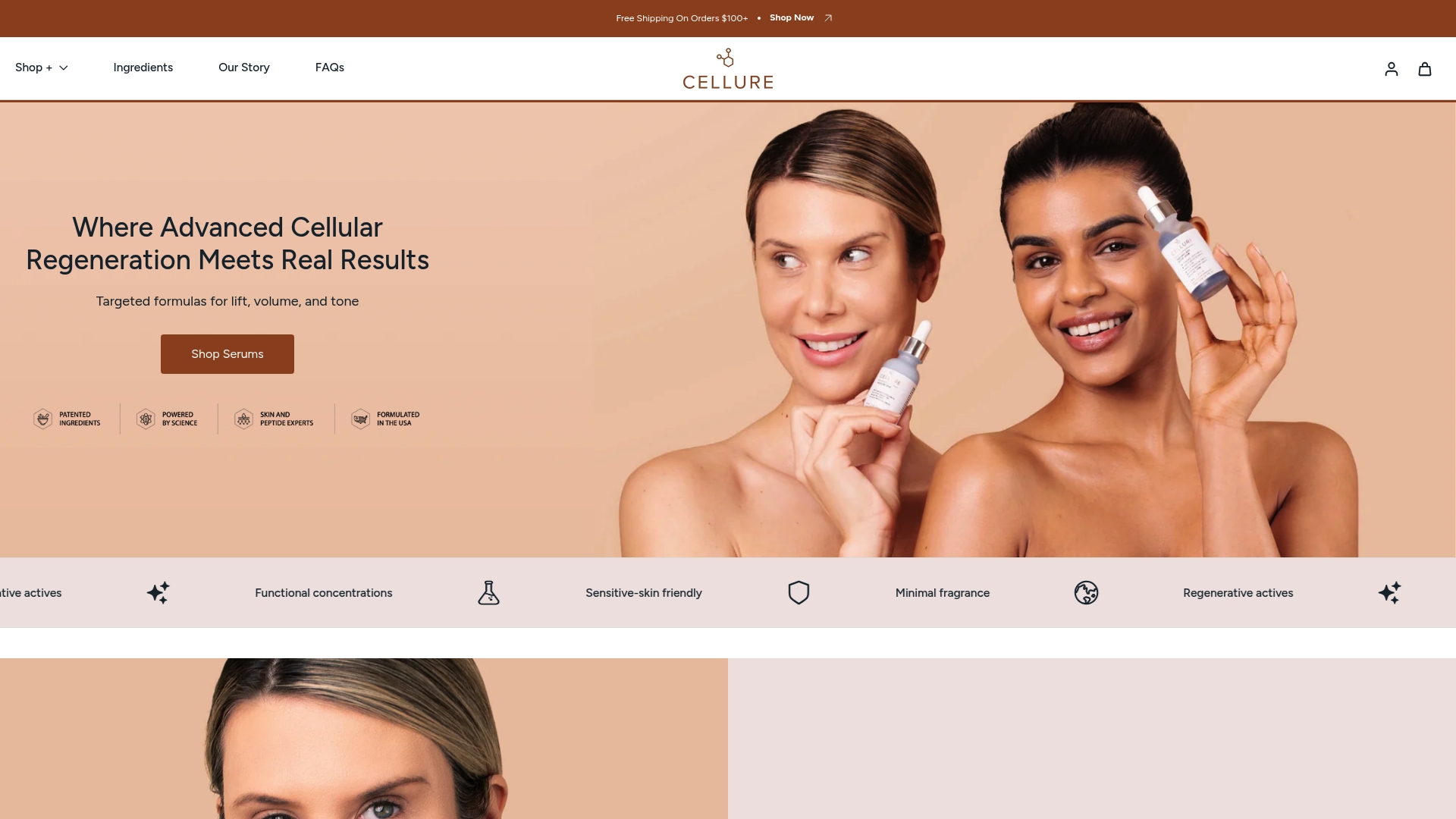
If your checklist includes nightly renewal actives and targeted treatment for pigmentation and firmness, the Tranexamic Acid Peptide Serum and the Complete Skin Repair Kit are built precisely for that layer of your routine. Both are formulated with sensitive, mature skin in mind and backed by clinical ingredient research. Explore the full range of advanced regeneration solutions on the Cellure website, and browse the blog for in-depth ingredient guides that make every step of your checklist more effective.
Frequently asked questions
Why is daily sunscreen critical for skin renewal over 30?
Daily sunscreen prevents ongoing photoaging, which is the leading cause of dark spots, collagen loss, and texture changes. Without it, every renewal active you apply is working against continued UV damage.
How do I add retinoids to my routine without irritation?
Start with a pea-sized amount two nights per week, apply moisturizer after to reduce friction on the barrier, and increase frequency slowly over eight to twelve weeks. Retinoids reward patience more than any other active in a renewal checklist.
What’s the difference between vitamin C and niacinamide?
Vitamin C is a morning antioxidant that brightens and supports collagen, while niacinamide strengthens the barrier and helps even skin tone throughout the day or night. Both serve distinct roles and work well together in a layered routine.
How soon should I expect visible results from a renewal checklist?
Most people notice smoother texture and a brighter complexion within four to eight weeks of consistent use, but deeper changes in firmness and pigmentation typically take three to six months to fully develop.
Can I use AHA and retinol on the same night?
Alternating these actives on separate nights is the safer and more effective approach, particularly for adults over 30 whose barrier is more sensitive to the combined exfoliating and renewal pressure of both.
Recommended
- Cellular skin renewal guide: science-backed steps for youthful skin – Cellure
- How to repair aging skin: evidence-based steps for results – Cellure
- Top skin renewal tips for 2026: Science-backed rejuvenation – Cellure
- Why Skin Renewal Matters: Restore Youthful, Resilient Skin – Cellure
- Victory Serums Pathway - 12 Weeks to Scalp Health
Share