


6 Evidence-backed advantages of cellular rejuvenation for skin
TL;DR:
- Cellular rejuvenation targets the biological drivers of skin aging, providing measurable improvements in elasticity, hydration, and structure. It works at a cellular level by reducing senescent cells, stimulating collagen production, and restoring skin barrier integrity, unlike surface-only treatments. This non-invasive approach offers safe, evidence-based results suitable for various ages, emphasizing prevention and long-term skin health.
The anti-aging market is flooded with options, and that volume creates a real problem: most people can’t tell the difference between sophisticated science and beautifully packaged wishful thinking. Cellular rejuvenation cuts through that noise by working at the biological level, targeting the root mechanisms that make skin look older rather than simply layering over them. If you’ve grown skeptical of serums that promise the world and deliver little, this article will give you a clear, evidence-grounded picture of what cellular rejuvenation can actually deliver and what the science says about each advantage.
Table of Contents
- What makes cellular rejuvenation unique?
- Advantage #1: Real, measurable skin improvements
- Advantage #2: Targeting root causes of aging
- Advantage #3: Non-invasive, low-risk methods with proven results
- Advantage #4: Enhanced hydration, elasticity, and skin barrier health
- Who benefits most from cellular rejuvenation?
- Why most anti-aging promises fall short—and why cellular rejuvenation is different
- Ready to experience the benefits? Explore evidence-based solutions
- Frequently asked questions
Key Takeaways
| Point | Details |
|---|---|
| Clinically proven benefits | Cellular rejuvenation shows measurable improvements in elasticity, hydration, and wrinkle reduction. |
| Targets aging at the source | These therapies address biological aging mechanisms for more lasting results. |
| Safe and non-invasive | Most methods show minimal risk and are well-tolerated for adults. |
| Fits various skin needs | Works for prevention in younger adults and visible improvement in mature skin. |
| Science, not hype | Backed by clinical studies—not just marketing claims—cellular rejuvenation sets a new standard in skin care. |
What makes cellular rejuvenation unique?
Most anti-aging products work at the surface. They smooth, hydrate, or temporarily plump the top layers of skin without influencing what’s happening underneath at a cellular level. Cellular rejuvenation takes a fundamentally different approach.
Cellular rejuvenation basics involve targeting the biological drivers of visible aging, including cellular senescence (when aging cells stop dividing but stay active and disruptive), extracellular matrix (ECM) breakdown, and weakening of the dermal-epidermal junction (DEJ). Research confirms that cellular rejuvenation improves biological drivers of visible aging rather than only changing surface texture.
What separates true cellular rejuvenation from standard skincare:
- It reduces the number of senescent cells causing chronic low-grade inflammation
- It stimulates fibroblast activity, the cells responsible for producing collagen and elastin
- It restores barrier integrity at a structural level
- It influences gene expression and signaling pathways tied to skin repair
The non-invasive skin longevity frameworks that are gaining traction in clinical dermatology specifically emphasize reducing cellular senescence and improving skin barrier, ECM, and DEJ function rather than only masking surface aging signs. That distinction matters.
“Not every product that markets itself as ‘regenerative’ qualifies as cellular rejuvenation. The defining feature is measurable influence on biological aging processes, not just aesthetic changes.”
Ingredients and techniques that qualify include exosome-based topicals, growth factor formulations, polynucleotide therapies, and advanced peptide systems. Even topics like sea moss and skin health are being studied for their role in supporting skin barrier biology. The bar for true cellular rejuvenation is biological impact, not cosmetic change.
Pro Tip: When evaluating any anti-aging product, ask whether the clinical evidence shows changes in biomarkers (collagen synthesis, elasticity measurements, TEWL) rather than just subjective “glow” ratings. That’s how you separate science from marketing.
Advantage #1: Real, measurable skin improvements
Now that you know what cellular rejuvenation is, let’s look at the evidence for how well it actually works. The data here is not anecdotal. It comes from controlled clinical studies with measurable outcomes.
A systematic review of 19 studies examining EV (extracellular vesicle) and conditioned media therapies found remarkable results across multiple skin parameters. The numbers are worth examining closely.
| Outcome measure | Improvement observed | Side effects |
|---|---|---|
| Skin elasticity | ~27% increase | None serious |
| Wrinkle depth/count | Greater than 10% reduction | Mild, transient only |
| Hydration | Greater than 20% increase | None serious |
| Pigmentation evenness | Significant improvement | None serious |
These are not marginal gains. A 27% improvement in skin elasticity is the kind of result that shows up visually and stays visible over time. More importantly, these changes reflect structural improvements in the skin rather than the surface smoothing you get from a filler or a moisturizing cream.
Key outcomes reported across cellular rejuvenation studies:
- Increased firmness and resilience, particularly in the mid-face and jaw area
- Improved moisture retention that persists beyond the application window
- Reduction in fine lines and deeper wrinkles in photodamaged skin
- More even skin tone through reduced melanin clustering
- Improved texture without abrasive treatment
Exploring cellular renewal steps grounded in this evidence gives you a practical framework to apply these findings to your actual routine. The research base is growing fast, and the results are increasingly reproducible across populations and skin types.
Advantage #2: Targeting root causes of aging
While measurable results are important, understanding how these strategies work is key to appreciating their advantage. Surface improvements are nice. Biological restoration is something else entirely.
Aging skin isn’t just thinner or drier. It’s biologically compromised. Senescent cells accumulate over time and release a cocktail of inflammatory signals called the SASP (senescence-associated secretory phenotype). This persistent low-grade inflammation damages surrounding healthy cells, disrupts collagen architecture, and progressively weakens barrier function. Cellular rejuvenation strategies specifically target this process.
Here’s how the mechanism plays out in practice:
- Senescent cell reduction: Therapies that clear or suppress senescent cells remove a major source of chronic skin inflammation, allowing healthy cells to function more effectively.
- Fibroblast stimulation: Studies show that EVs change fibroblast behavior and boost regenerative biomarker activity in aging skin models, directly triggering new collagen and elastin production.
- Keratinocyte support: Keratinocytes (the cells that make up most of the outer skin layer) also respond to EV-based signals, accelerating turnover and improving barrier quality.
- Inflammatory marker reduction: Topical platelet-exosome treatments reduce senescence markers and SASP activity, directly lowering the inflammatory burden on aging skin.
This is fundamentally different from retinol, for example. Retinol speeds up surface cell turnover. Cellular rejuvenation changes how the underlying cellular machinery operates. The best practices for cellular repair reflect this deeper understanding, prioritizing interventions that generate lasting biological change.
Understanding why cellular repair matters for youthful skin also reframes how you think about your routine. You’re not just feeding your skin. You’re actively working to restore its biological operating system.
Pro Tip: Combining a peptide-based serum with a polynucleotide treatment targets both the signaling and structural repair pathways simultaneously, which is more effective than using either modality alone.
Advantage #3: Non-invasive, low-risk methods with proven results
Alongside efficacy, safety and recoverability matter. Many adults in their 40s and 50s are drawn to cellular rejuvenation precisely because they want real results without surgery, needles, or significant downtime.
“The most appealing aspect of emerging cellular rejuvenation protocols isn’t just that they work. It’s that they work without forcing you to schedule a week of recovery.”
Fractional microneedle radiofrequency (MNRF) and skin longevity frameworks showed improved outcomes with no serious adverse effects and only transient mild reactions, such as temporary redness or minor swelling that resolves within 24 to 48 hours.
Compare the leading non-invasive options:
| Method | Efficacy level | Risk profile | Downtime |
|---|---|---|---|
| EV/exosome topicals | Moderate to high | Very low | None |
| Topical platelet extracts | Moderate to high | Very low | None |
| MNRF (microneedle RF) | High | Low | 24–48 hours mild redness |
| Polynucleotide serums | Moderate | Very low | None |
| Partial reprogramming | Experimental | Higher/unknown | Variable |
It’s worth noting that partial reprogramming can theoretically rejuvenate cells but carries more risk and unknowns compared to non-invasive methods. For most adults, the evidence-supported topical and energy-based approaches offer the best balance of efficacy and safety. The cellular repair workflow walks through how these methods layer together for maximum impact.
Research in adjacent fields like peptide research in aesthetics also supports the safety profile of bioactive topical approaches, reinforcing that science-backed formulations don’t require compromising comfort or safety.
What to expect with non-invasive cellular rejuvenation:
- No surgical risks, anesthesia, or long recovery windows
- Results build progressively over 8 to 12 weeks of consistent use
- Formulations suitable for sensitive skin types with appropriate clinical guidance
- Minimal lifestyle disruption while still achieving measurable change
Advantage #4: Enhanced hydration, elasticity, and skin barrier health
All these advantages come together most clearly in how cellular rejuvenation treats three interconnected functions: hydration, elasticity, and barrier integrity. These aren’t separate benefits. They’re linked outcomes of restored cellular function.

A 400-participant program studying non-invasive skin longevity protocols produced striking data. Participants experienced a 20–40% reduction in TEWL (transepidermal water loss), an approximately 80% increase in skin hydration, a roughly 5% increase in skin thickness, and improved DEJ quality in 83% of participants compared to only 17% in controls.
TEWL (transepidermal water loss) is a clinical measure of how much moisture escapes through the skin barrier. Reducing it means your skin holds onto hydration more effectively, which translates into plumper, more resilient skin throughout the day without relying on heavy emollients.
The cascade of benefits from improved barrier function:
- Hydration retention: Skin stays moisturized longer because the barrier seals more effectively
- Elasticity improvements: Better-hydrated skin rebounds more readily from expressions and movement, smoothing the appearance of dynamic lines
- Reduced sensitivity: A stronger barrier means fewer inflammatory triggers from environmental stressors
- Skin thickness: Increased dermal thickness contributes to visible volumization, particularly in areas prone to hollowing
This is especially important for adults in their 40s and 50s, when natural ceramide production declines and barrier integrity weakens. The firmer skin guide built around this science offers practical steps to reinforce all three functions through a targeted routine.
A stronger barrier also means your other skincare actives work better. When TEWL is high, the skin is essentially in crisis mode, and absorptive capacity is impaired. Fix the barrier first, and everything else you apply becomes more effective.
Who benefits most from cellular rejuvenation?
Since cellular rejuvenation isn’t one-size-fits-all, it’s worth exploring who is most likely to see the greatest improvements.
The honest answer: people with more pronounced signs of aging and a higher baseline load of senescent cells tend to see the most dramatic measurable changes. Research shows that larger reductions in senescence activity occur in people with higher baseline senescence markers. If your skin already shows significant firmness loss, uneven tone, or persistent dryness, there’s more biological room for improvement.
That said, younger adults in their 30s benefit substantially from cellular rejuvenation for a different reason: prevention. Cellular rejuvenation used early can maintain a healthier baseline and slow the accumulation of senescent cells before they become a dominant force in your skin’s aging trajectory.
Who sees the strongest results, by profile:
- Adults 45 and older with visible firmness loss: The contrast between before and after is most dramatic in those with meaningful baseline aging.
- Anyone with sun-damaged or stressed skin: Photodamage accelerates cellular senescence; treating that biology directly produces faster results.
- Adults in their 30s using it preventively: Results are subtler but cumulative, building a more resilient skin foundation for the decades ahead.
- People with sensitive or reactive skin: Non-invasive cellular approaches often outperform harsher alternatives because they work with the skin’s biology rather than forcing a stress response.
There is documented individual variability in rejuvenation biology, especially comparing mid-life and older age groups, so expectations should be calibrated to your own skin’s starting point. The 2026 skin renewal tips resource helps you identify where your skin currently sits and which cellular rejuvenation strategies are most appropriate for your specific profile.
Pro Tip: Baseline photography under consistent lighting every four weeks is the most objective way to track cellular rejuvenation progress, since improvements often happen gradually enough that you won’t notice them day to day.
Why most anti-aging promises fall short—and why cellular rejuvenation is different
Here’s an uncomfortable truth about the anti-aging industry: most products fail not because the brand is dishonest, but because the underlying science is shallow. Surface moisturization, temporary plumping, and exfoliation all have value, but none of them change how your cells behave. That’s the difference that actually matters over time.
We’ve watched the research on cellular rejuvenation evolve from niche bioscience to a legitimate clinical framework, and what’s striking is that the evidence isn’t just promising. It’s statistically robust and increasingly reproducible. That’s rare in aesthetics, where placebo effects are notoriously high and study design is often weak.
The limitations are real: standardization across cellular rejuvenation products is still inconsistent, long-term data beyond 12 to 24 months is still accumulating, and not everything marketed as “cellular” meets the biological bar. Healthy skepticism is appropriate. But the separation between old-generation surface treatments and new-generation cellular therapies is now wide enough to see clearly in the data.
What gives us genuine confidence is that this isn’t one study or one ingredient. It’s a convergence: EVs, peptides, polynucleotides, exosomes, and longevity protocols are all pointing in the same direction, and the mechanism makes biological sense. Understanding why target cellular repair delivers measurable improvements in firmness explains why peptide-driven cellular strategies are becoming the standard of care in evidence-based aesthetics.
The bottom line: if your skincare ambition is to genuinely slow visible aging rather than temporarily conceal it, cellular rejuvenation is not a trend. It’s the most scientifically grounded approach currently available outside a clinic.
Ready to experience the benefits? Explore evidence-based solutions
The evidence is clear, and the next logical step is putting it to work in your own routine. Cellure formulates its products around the exact bioactive ingredients that power the clinical results described in this article, including peptides, polynucleotides, and tranexamic acid, in concentrations that are designed to influence cellular behavior, not just sit on the skin’s surface.
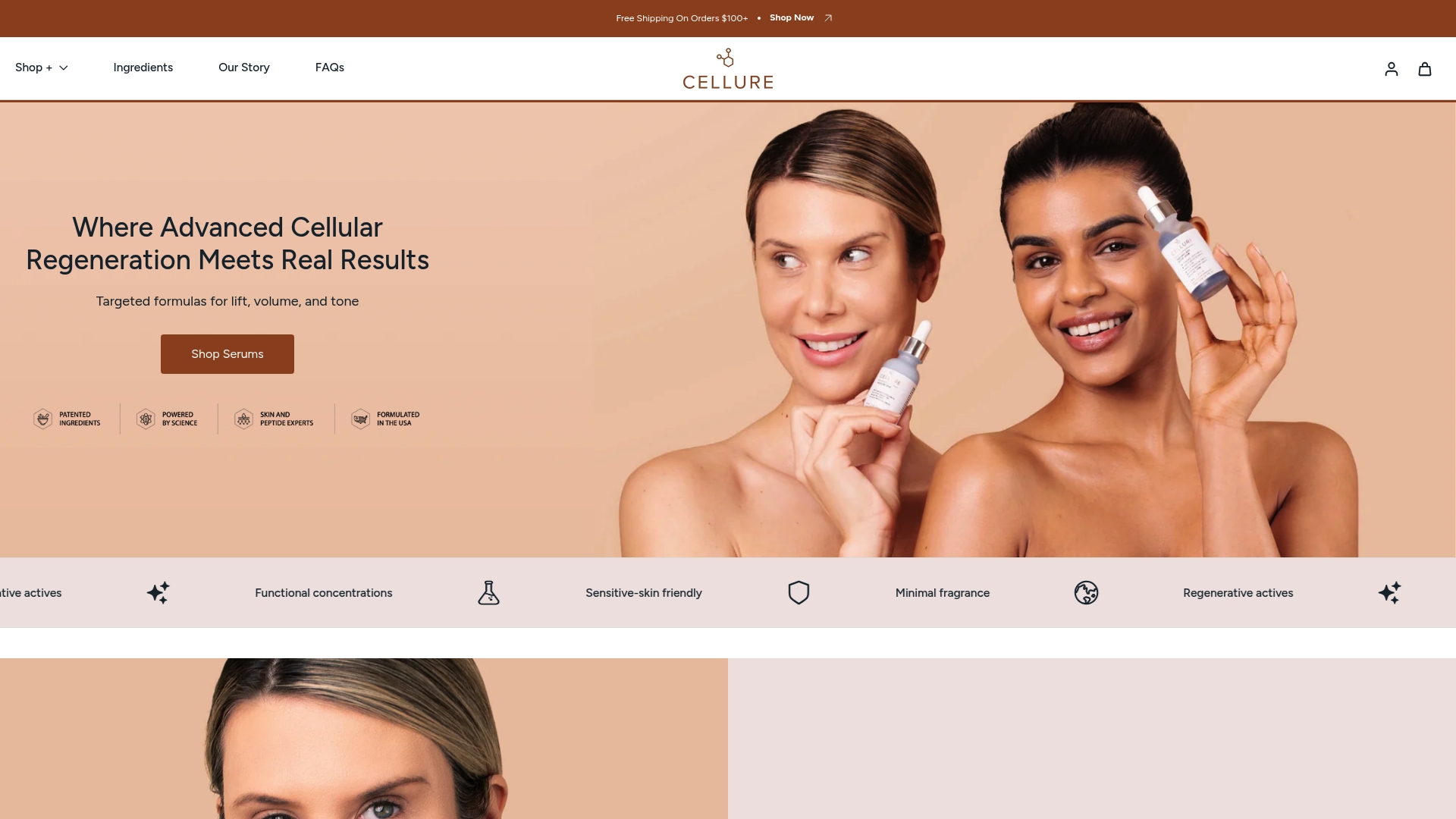
If you’re ready to take a targeted approach, the complete skin repair kit brings together multiple cellular repair pathways in one cohesive system. For those focused specifically on brightening and tone correction alongside cellular renewal, the tranexamic acid peptide serum delivers dual-action results. Browse the full range of advanced cellular regeneration options to find the right starting point for your skin’s needs. Every product is backed by the science this article has covered, and formulated for real, measurable results.
Frequently asked questions
How quickly can I see results from cellular rejuvenation treatments?
Most clinical studies report visible changes in 8 to 12 weeks, though subtle improvements in texture may appear earlier. Research documenting decreased senescence markers after 12 weeks of twice-daily topical human platelet extract suggests that consistent, twice-daily use is the key variable for seeing meaningful results within that timeframe.
Are cellular rejuvenation therapies safe for sensitive skin?
Non-invasive cellular rejuvenation methods are well tolerated, with research showing only transient minor reactions such as temporary redness and no serious adverse events. Sensitive skin types generally respond well to EV-based and peptide-driven formulations because they support rather than disrupt the skin’s barrier.
Can these methods address fine lines, wrinkles, and pigmentation all at once?
Yes. Clinical data confirms that EV approaches improved wrinkles, elasticity, hydration, and pigmentation simultaneously, because these outcomes are biologically connected through the same cellular repair pathways.
Is cellular rejuvenation suitable for use in your 30s or only later in life?
Benefits occur at any adult age. Those with pronounced aging signs may see greater visible improvement, but the heterogeneous effects across individuals based on baseline senescent cell burden means that younger users with lower initial burden benefit more through prevention and maintenance rather than dramatic reversal.