


Unlock firm, radiant skin with regenerative science
Your skin loses firmness and tone over time, but most anti-aging products miss the core science of regeneration. Many formulas rely on surface-level hydration or exfoliation without addressing cellular aging mechanisms. This guide reveals evidence-based regenerative skincare solutions grounded in the latest dermatology research. You’ll discover how emerging therapies like exosomes and PDRN restore collagen, reduce inflammation, and rebuild your skin’s structural foundation. We’ll explain the biology behind aging, explore clinically validated ingredients, and show you how to integrate regenerative skincare into your daily routine for lasting firmness, improved tone, and healthier skin.
Table of Contents
- Key takeaways
- Understanding regenerative skincare: science and mechanisms
- Emerging actives and their evidence-backed benefits
- Advances and challenges in regenerative skincare formulations
- Integrating regenerative skincare into your routine for lasting results
- Explore advanced regenerative skincare with Cellure
- Frequently asked questions
Key Takeaways
| Point | Details |
|---|---|
| Cellular repair focus | Regenerative skincare targets cellular repair to improve firmness, tone, and hydration. |
| Exosome and PDRN evidence | Emerging therapies like exosomes and PDRN rebuild collagen and elastin while reducing inflammation. |
| Key actives | Clinical evidence supports peptides, Centella asiatica extracts, hyaluronic acid, and retinoids for hydration, collagen support, and renewed skin turnover. |
| Evidence based use | Scientific evidence guides safe and effective ingredient use instead of hype, and consistent application supports lasting results. |
Understanding regenerative skincare: science and mechanisms
Your skin ages because of cellular senescence, chronic inflammation, and extracellular matrix breakdown. Senescent cells stop dividing but remain metabolically active, secreting inflammatory molecules that damage surrounding tissue. This chronic inflammation accelerates collagen and elastin degradation, reducing firmness and elasticity. The extracellular matrix, which provides structural support, thins as you age, leading to sagging and wrinkles.
Regenerative skincare addresses these root causes by stimulating cellular repair pathways. Exosome-based therapies promote regenerative skin remodeling by targeting cellular senescence and inflammation directly. These therapies deliver bioactive molecules that signal fibroblasts to produce new collagen and elastin, rebuilding dermal density. Unlike surface treatments, regenerative approaches work at the cellular level to restore your skin’s structural foundation.
Key mechanisms include:
- Activating fibroblast growth factors to stimulate collagen synthesis
- Reducing oxidative stress and inflammatory cytokines that degrade ECM
- Promoting cell turnover and removing senescent cells
- Enhancing hydration and barrier function for improved resilience
Gentle formulations minimize irritation while supporting natural repair processes. Harsh treatments can trigger inflammation, counteracting regenerative benefits. Understanding cellular repair importance helps you choose products that work with your skin’s biology rather than against it.
Pro Tip: Look for products combining multiple regenerative actives to address aging from several angles simultaneously, maximizing cellular repair efficiency.
Emerging actives and their evidence-backed benefits
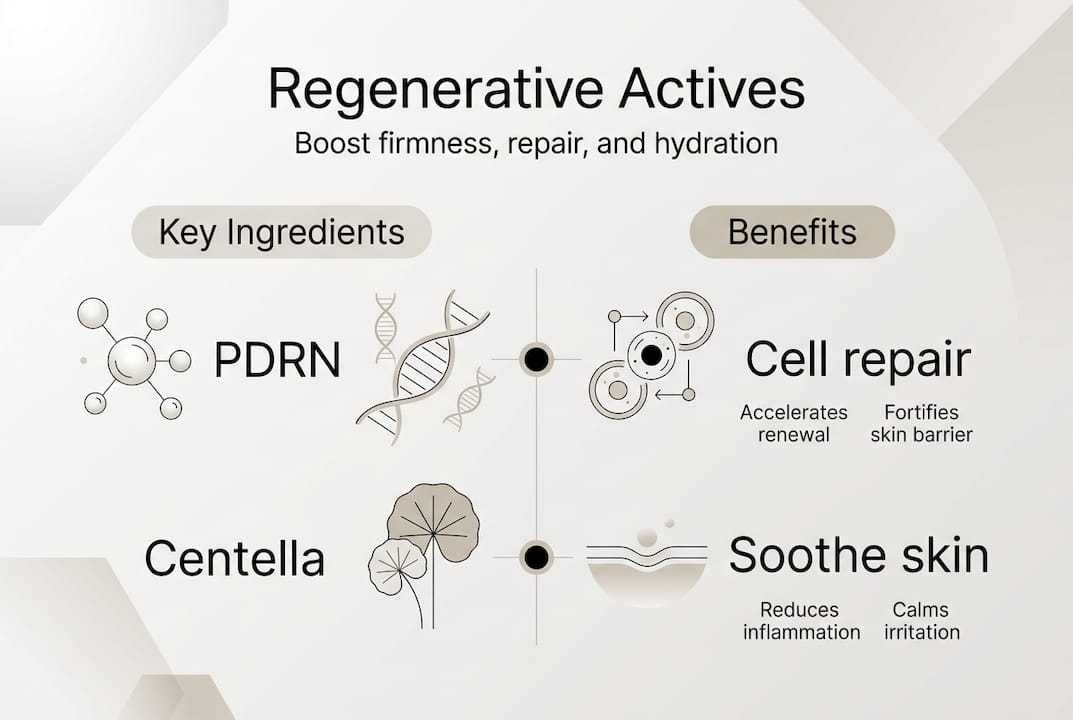
Clinically validated ingredients drive effective regenerative skincare. PDRN, or polydeoxyribonucleotide, stands out for its ability to activate key pathways that rebuild collagen and elastin. PDRN modulates fibroblasts and improves ECM, leading to measurable reductions in wrinkle depth and improved skin elasticity. This ingredient works by binding to adenosine receptors, triggering cellular repair cascades.
Centella asiatica extracts offer powerful anti-inflammatory and antioxidant effects. Centella asiatica triterpenoids stimulate collagen synthesis while reducing oxidative stress that accelerates aging. Studies show this plant extract improves hydration, reduces redness, and supports wound healing. Its gentle nature makes it suitable for sensitive skin types seeking regeneration without irritation.
Hyaluronic acid remains essential for hydration and plumpness. Oral sodium hyaluronate enhances hydration, elasticity and skin thickness in adults, demonstrating that both topical and internal approaches boost skin moisture. Topical hyaluronate binds water in the epidermis, while oral forms support dermal hydration from within.
Retinoids regulate cellular repair pathways through retinoic acid receptors. Retinoids promote re-epithelialization and scarless regeneration via RAR nuclear receptors, making them powerful tools for skin renewal. They increase cell turnover, fade pigmentation, and stimulate collagen production. Start with low concentrations to build tolerance.
| Active Ingredient | Primary Mechanism | Clinical Benefit | Recommended Use |
|---|---|---|---|
| PDRN | Adenosine receptor activation | Collagen/elastin rebuilding, wrinkle reduction | Twice daily serums |
| Centella asiatica | Anti-inflammatory, antioxidant | Hydration, redness reduction, wound healing | Morning and evening |
| Hyaluronic acid | Water binding, dermal hydration | Plumpness, moisture retention | Topical and oral |
| Retinoids | RAR receptor signaling | Cell turnover, collagen synthesis, pigmentation fade | Evening application |
| Peptides | Growth factor signaling | Firmness, barrier repair | Daily serums |
Combining these actives addresses multiple aging dimensions simultaneously. Tranexamic acid benefits include brightening and reducing inflammation, complementing regenerative ingredients. The benefits of peptides extend to barrier repair and firmness enhancement. Understanding the science of peptides helps you select formulations that deliver measurable results.
Pro Tip: Introduce one new regenerative active at a time to monitor your skin’s response and identify which ingredients deliver the best results for your specific concerns.
Advances and challenges in regenerative skincare formulations
Modern formulation techniques enhance regenerative skincare effectiveness but face practical hurdles. Exosome therapies require enhanced delivery methods like microneedling for optimal penetration. Exosomes combined with microneedling show sustained improvements in pores, erythema, and pigmentation over 21 months. Without proper delivery, these large molecules struggle to penetrate the stratum corneum effectively.
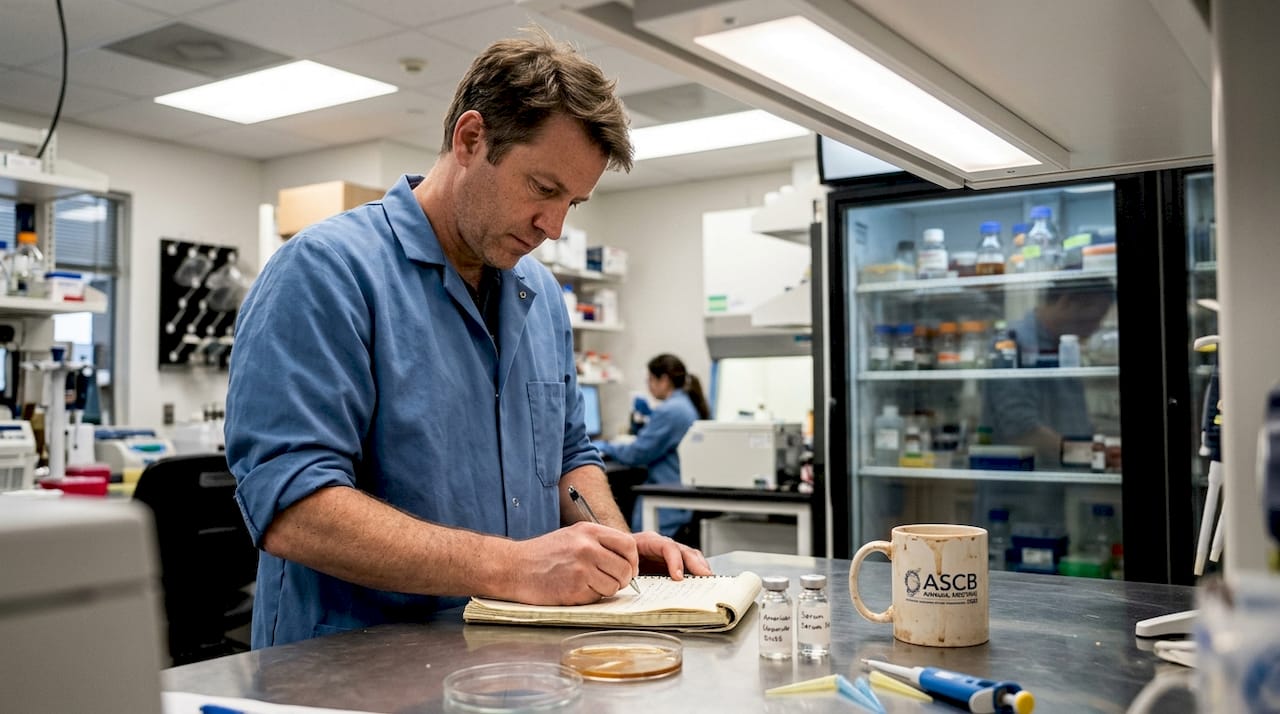
Laser-treated skin benefits significantly from regenerative actives that accelerate healing. Post-laser regenerative skincare accelerates healing and hydration while reducing erythema and downtime. Formulations containing ectoin and Eperua falcata support barrier repair immediately after procedures, making professional treatments more comfortable and effective.
Plant-derived exosomes offer safety advantages over cell-derived versions but need further research. Plant-derived exosomes avoid contamination risks associated with human or animal cell cultures, but their ability to transfer functional benefits to human skin requires more clinical validation. Early studies show promise, yet consumers should approach claims cautiously.
Regulatory ambiguities create confusion around product claims. Regulatory challenges in regenerative dermatology affect how brands communicate benefits, leading to inconsistent messaging. Some jurisdictions classify regenerative products as cosmetics, while others consider them medical devices or biologics, complicating consumer trust.
Key considerations when evaluating formulations:
- Look for peer-reviewed clinical studies supporting specific ingredient claims
- Verify delivery systems enhance penetration for larger molecules
- Check concentration levels match those used in published research
- Prioritize brands transparent about ingredient sourcing and testing
- Be skeptical of dramatic before-after claims without study citations
| Formulation Type | Delivery Method | Efficacy Evidence | Regulatory Status | Consumer Access |
|---|---|---|---|---|
| Exosome serums | Topical with microneedling | Strong for combined approach | Varies by region | Professional + retail |
| Post-laser care | Topical application | Clinical validation for healing | Cosmetic/medical device | Professional |
| Plant exosomes | Topical application | Emerging research | Cosmetic | Retail |
| Peptide serums | Topical application | Robust clinical data | Cosmetic | Retail |
Understanding these advances helps you navigate the cellular repair skincare guide landscape effectively. The cellular repair workflow integrates these innovations into practical routines. Consumers should demand transparency and scientific backing to avoid hype-driven products that underdeliver.
Integrating regenerative skincare into your routine for lasting results
Building an effective regenerative skincare routine requires strategic layering and patience. Start with these evidence-based steps:
- Cleanse gently to remove impurities without stripping your skin’s natural barrier. Harsh cleansers trigger inflammation that counteracts regenerative benefits.
- Apply hydration-focused serums containing hyaluronic acid immediately after cleansing to lock in moisture and prepare skin for active ingredients.
- Layer peptides, plant extracts, and PDRN serums twice daily, allowing each to absorb before applying the next. These actives work synergistically to stimulate cellular repair.
- Incorporate retinoids cautiously in the evening, starting with low concentrations two to three times weekly. Gradually increase frequency as your skin builds tolerance.
- Protect with broad-spectrum SPF 30 or higher every morning. UV exposure degrades collagen and reverses regenerative progress.
- Consider oral supplements like hyaluronic acid or plant saponins to support skin health from within, complementing topical treatments.
Consistency matters more than perfection. Astragalus membranaceus and Centella asiatica saponins improve brightness, moisture, elasticity, pore size, and collagen over 4 to 12 weeks with regular use. Missing occasional applications won’t derail progress, but sporadic use prevents your skin from accumulating regenerative benefits.
Expect visible improvements gradually. Initial hydration and glow appear within days, but structural changes like increased firmness and reduced wrinkles take weeks to months. Cellular repair operates on biological timelines that can’t be rushed. Track progress with photos taken in consistent lighting every two weeks.
Combining topical and oral supplements may enhance outcomes. Oral hyaluronate supports dermal hydration while topical peptides target surface repair. This inside-out approach addresses aging from multiple angles simultaneously. The complete skin repair kit offers a curated selection of complementary products designed to work together. Understanding the cellular repair workflow helps you sequence products for maximum absorption and efficacy.
Pro Tip: Apply regenerative serums to slightly damp skin immediately after cleansing to enhance penetration and boost hydration, maximizing active ingredient delivery to deeper skin layers.
Explore advanced regenerative skincare with Cellure
You’ve learned how regenerative science restores firmness, tone, and hydration at the cellular level. Now it’s time to experience these benefits firsthand. Cellure offers products combining peptides, plant extracts, and advanced actives in formulations designed for gentle yet effective cellular repair. Our kits and serums are tailored for aging and sensitive skin, backed by the latest regenerative skincare science you’ve just explored.
The complete skin repair kit provides everything you need to start your regenerative journey, while the tranexamic acid peptide serum targets specific concerns like uneven tone and inflammation. Each product is formulated to support your skin’s natural repair processes without harsh ingredients that trigger irritation. Discover how Cellure’s advanced regeneration solutions can transform your skincare routine and deliver the firm, radiant skin you deserve.
Frequently asked questions
What is regenerative skincare science?
Regenerative skincare science focuses on stimulating cellular repair mechanisms to reverse aging signs at their source. It targets cellular senescence, inflammation, and extracellular matrix degradation using bioactive ingredients like peptides, PDRN, and plant extracts. Unlike surface treatments that provide temporary improvements, regenerative approaches rebuild collagen, elastin, and dermal density for lasting firmness and tone. This science-backed method addresses the biological causes of aging rather than masking symptoms.
How do key ingredients stimulate skin repair?
Key ingredients activate specific cellular pathways to promote regeneration. PDRN binds to adenosine receptors, triggering fibroblast activity and collagen synthesis. Peptides signal growth factors that stimulate ECM production and barrier repair. Centella asiatica reduces inflammatory cytokines while boosting antioxidant defenses. Retinoids activate RAR nuclear receptors, increasing cell turnover and scarless regeneration. Each ingredient works through distinct mechanisms that complement each other when combined in formulations. Understanding targeting cellular repair helps you select products with the right active combinations.
Are exosome-based skincare treatments safe and effective?
Plant-derived exosomes offer safety advantages over cell-derived versions by avoiding contamination risks from human or animal cultures. However, their effectiveness in transferring functional benefits to human skin requires more clinical validation. Cell-derived exosomes show stronger evidence for remodeling effects, especially when combined with microneedling to enhance penetration. Exosomes face challenges like limited skin penetration and regulatory hurdles, but promising results justify cautious optimism. Always choose products with published clinical studies supporting their specific formulation. Explore advanced cellular regeneration options that combine multiple validated actives for comprehensive skin repair.
How long does it take to see results from regenerative skincare?
Initial improvements in hydration and glow appear within days to weeks of consistent use. Structural changes like increased firmness, reduced wrinkles, and improved elasticity take longer, typically 4 to 12 weeks depending on the active ingredients and your skin’s condition. Pore size, erythema, and pigmentation improvements were observed over 21 months with exosome therapies in clinical studies. Patience and consistency are essential because cellular repair operates on biological timelines. Track progress with regular photos to notice gradual changes that daily observation might miss.
Can oral supplements enhance topical regenerative skincare?
Yes, oral supplements work synergistically with topical treatments to support skin health from within. Oral sodium hyaluronate and plant saponins improve hydration, elasticity, and collagen over weeks in adult studies. Oral hyaluronate boosts dermal moisture while topical versions hydrate the epidermis, creating comprehensive hydration. Plant saponins from Astragalus and Centella support collagen synthesis and reduce oxidative stress systemically. Combining oral and topical approaches addresses aging from multiple angles, potentially accelerating visible improvements and supporting long-term skin health more effectively than either method alone.