


How to Target Skin Aging Signs: Your 2026 Guide
TL;DR:
- Most visible skin aging results from photoaging caused by UV exposure, which is largely preventable through daily sun protection. Consistent use of treatments like retinoids and peptides, combined with internal support from nutrition and supplements, effectively slows aging signs. Building a foundation of daily habits is essential before pursuing advanced procedures for skin firmness and texture improvement.
Targeting skin aging signs means addressing wrinkles, sagging, hyperpigmentation, and loss of elasticity through a combination of daily protection, proven topical treatments, and internal support. Photoaging causes 80–90% of visible skin changes, including deep wrinkles and uneven tone. That single fact reframes the entire conversation: most visible aging is preventable, not inevitable. Knowing how to target skin aging signs means building a strategy that works on both prevention and repair at the same time.
What are the best daily habits to prevent and reduce skin aging signs?
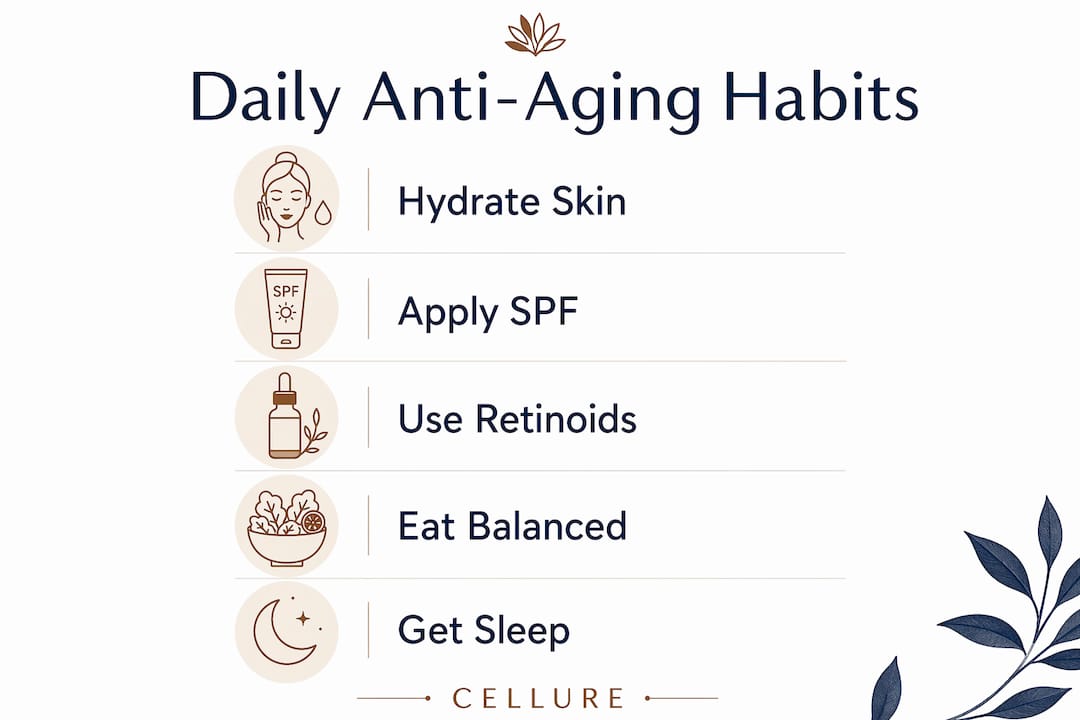
The most protective daily habit is applying a broad-spectrum SPF 30+ sunscreen every morning, without exception. Since UV exposure drives the vast majority of visible aging, skipping sunscreen on cloudy days or during winter months still accumulates damage over years. Consistent daily use is the single highest-return action you can take for your skin.
Beyond sun protection, several lifestyle factors directly influence how fast your skin ages:
- Stop smoking. Smoking damages collagen fibers and accelerates wrinkling and sagging. Quitting improves skin tone and halts further structural breakdown.
- Prioritize sleep. Skin repairs itself during deep sleep. Chronic sleep deprivation raises cortisol, which breaks down collagen.
- Exercise regularly. Physical activity improves circulation, delivering oxygen and nutrients to skin cells.
- Manage stress. Chronic inflammation driven by stress accelerates biological aging at the cellular level.
- Stay hydrated. Dehydrated skin looks duller and shows fine lines more prominently.
Balanced lifestyle choices including diet, exercise, and sleep can slow biological aging by up to a decade. That is not a minor benefit. It means the habits you build in your 30s and 40s have a measurable impact on how your skin looks in your 50s and 60s.
Pro Tip: Apply SPF as the final step in your morning routine, after moisturizer and before makeup. Reapply every two hours if you spend time outdoors.
For a structured starting point, the anti-aging checklist for adults 30+ from Cellure maps out the core habits by decade.
Which topical ingredients actually work for wrinkles and skin texture?
Retinoids are the gold standard topical treatment for aging skin. They stimulate fibroblasts and collagen production while accelerating cellular turnover to smooth texture and fade hyperpigmentation. Retinoids work best when paired with daily SPF, because UV exposure triggers MMP enzymes that break down the very collagen retinoids help build.
Topical peptides and exosomes promote structural skin repair by signaling fibroblasts to produce more collagen and elastin. Peptides are particularly useful for people whose skin is too sensitive for high-strength retinoids. They deliver measurable improvements in firmness and texture without the irritation risk.
Antioxidants like vitamin C and polyphenols neutralize free radicals generated by UV exposure and pollution. Vitamin C serums applied in the morning add a layer of protection that SPF alone does not provide. Polyphenols, found in green tea extract and resveratrol-based formulas, reduce oxidative stress that accelerates skin breakdown.
Here is how the main topical categories compare by function:
| Ingredient category | Primary benefit | Best use timing |
|---|---|---|
| Retinoids | Collagen stimulation, cell turnover | Evening |
| Peptides | Structural repair, firmness | Morning or evening |
| Vitamin C | Antioxidant protection, brightening | Morning |
| Polyphenols | Oxidative stress reduction | Morning or evening |
| Hyaluronic acid | Hydration, plumping | Morning and evening |
Professional treatments such as chemical peels, microneedling, and laser resurfacing work as adjuncts to a topical routine. They accelerate results but do not replace daily care. For a full breakdown of professional options, the skin rejuvenation treatment guide from Cellure covers what each procedure targets and when to consider it.
Pro Tip: Introduce retinoids slowly. Start two nights per week, then build to nightly use over six to eight weeks. This reduces the risk of redness and peeling.
For a deeper look at which ingredients have the strongest clinical backing, the anti-aging ingredients list from Cellure is a useful reference.
How do nutritional supplements improve skin hydration and reduce wrinkles?
Oral supplements work from the inside out, supporting the skin’s structural proteins and moisture barrier in ways that topical products cannot fully replicate. The evidence base has grown considerably in recent years.
Trans-resveratrol and piceatannol show significant improvements in wrinkle severity and skin hydration after eight weeks of supplementation in adults over 40. These are plant-derived polyphenols that activate cellular repair pathways and reduce inflammation. The results from randomized, double-blind trials make them among the better-supported oral options currently available.
Key supplements with evidence for skin aging support include:
- Collagen peptides. Oral collagen hydrolysates increase skin elasticity and hydration by providing the amino acid building blocks for dermal collagen synthesis.
- Hyaluronic acid. Oral hyaluronic acid improves skin moisture and reduces the appearance of fine lines.
- Trans-resveratrol and piceatannol. Both reduce wrinkle depth and improve hydration, with effects visible within eight weeks.
- Vitamin C. Required for collagen synthesis; deficiency directly impairs skin repair.
- Omega-3 fatty acids. Support the skin’s lipid barrier and reduce inflammatory aging processes.
Oral antioxidants complement topical regimes rather than replace them. Think of them as reinforcing the same biological pathways from a different direction. For guidance on which foods support skin health at the dietary level, nutrition-focused resources offer practical meal-based approaches.
By your 40s, combined correction and preservation strategies using both topicals and internal support become necessary to address collagen loss and dermal thinning. Supplements alone will not reverse established aging, but they meaningfully slow the rate of decline when used consistently.
What are practical steps to improve skin elasticity and address sagging?
Skin elasticity is the skin’s ability to snap back after being stretched or compressed. It declines with age as collagen and elastin fibers break down and are not replaced at the same rate.
A simple self-assessment called the pinch test helps guide treatment choices. Pinch the skin on the back of your hand and release it. Skin that snaps back quickly benefits most from prevention-focused care. Skin that rebounds slowly signals collagen loss and calls for active stimulating treatments.
Follow these steps to address sagging and improve firmness:
- Use retinoids consistently. Retinoids remain the most evidence-backed topical for rebuilding collagen density in the dermis.
- Add peptide-based serums. Peptides signal fibroblasts to produce new structural proteins without the irritation risk of high-strength retinoids.
- Consider radiofrequency microneedling. This professional treatment delivers heat energy into the dermis, triggering collagen remodeling at a depth topical products cannot reach.
- Explore focused ultrasound treatments. Devices using high-intensity focused ultrasound target the deeper structural layers of the skin to lift and tighten.
- Adjust your routine for hormonal changes. Menopause accelerates collagen loss significantly.
Menopause causes approximately 30% collagen loss in the first five years after estrogen decline begins. This is the single most rapid period of structural skin change most women experience. Adjusting your skincare routine before and during this transition, not after, produces the best outcomes.
Surgical options such as facelifts or thread lifts become relevant when skin laxity is severe and non-invasive treatments no longer produce adequate results. A board-certified dermatologist or plastic surgeon can assess whether you are at that threshold.
Key Takeaways
Targeting skin aging signs requires consistent daily sun protection, evidence-based topical ingredients like retinoids and peptides, and internal support through nutrition and supplements.
| Point | Details |
|---|---|
| Daily SPF is non-negotiable | UV exposure drives 80–90% of visible aging; daily broad-spectrum SPF 30+ is the highest-return habit. |
| Retinoids lead topical treatments | Retinoids stimulate collagen and cell turnover; always pair them with daily sunscreen. |
| Peptides support repair | Topical peptides promote collagen synthesis and suit sensitive skin that cannot tolerate retinoids. |
| Supplements reinforce topicals | Trans-resveratrol and collagen peptides improve hydration and wrinkle depth from the inside out. |
| Elasticity assessment guides treatment | The pinch test distinguishes prevention-focused care from active collagen-stimulating treatment needs. |
What I’ve learned about anti-aging routines that most articles get wrong
The biggest mistake I see is treating anti-aging as a product problem rather than a consistency problem. People invest in high-quality serums and then skip SPF three days a week. That single gap undoes a meaningful portion of the repair work happening overnight. The science is clear: UV exposure is the dominant driver of visible aging, and no topical treatment fully compensates for unprotected sun exposure.
The second mistake is expecting fast results from the right ingredients. Retinoids take 12 weeks to show measurable collagen improvement. Peptides work on a similar timeline. Adults in their 40s and 50s often abandon a routine after six weeks because they do not see dramatic change. The biology simply does not move that fast. Consistency over months is what produces visible results, not intensity over weeks.
The third thing most articles underplay is the internal side of skin aging. Topical routines get all the attention, but collagen synthesis requires adequate vitamin C, protein, and hydration from the inside. A person eating a nutrient-poor diet and sleeping five hours a night will not get the same results from a premium serum as someone who addresses both sides of the equation. Longevity research consistently shows that small, consistent lifestyle optimizations produce measurable biological benefits. Skin aging is no exception.
My honest recommendation: build the boring foundation first. Daily SPF, a retinoid or peptide serum, adequate sleep, and a diet with enough protein and antioxidants. Get that locked in before adding anything else. The advanced treatments work better on a well-maintained baseline.
— Sara
Cellure’s Complete Skin Repair Kit: targeted support in one routine
Addressing wrinkles, sagging, and uneven tone across multiple fronts requires ingredients that work together, not in isolation.
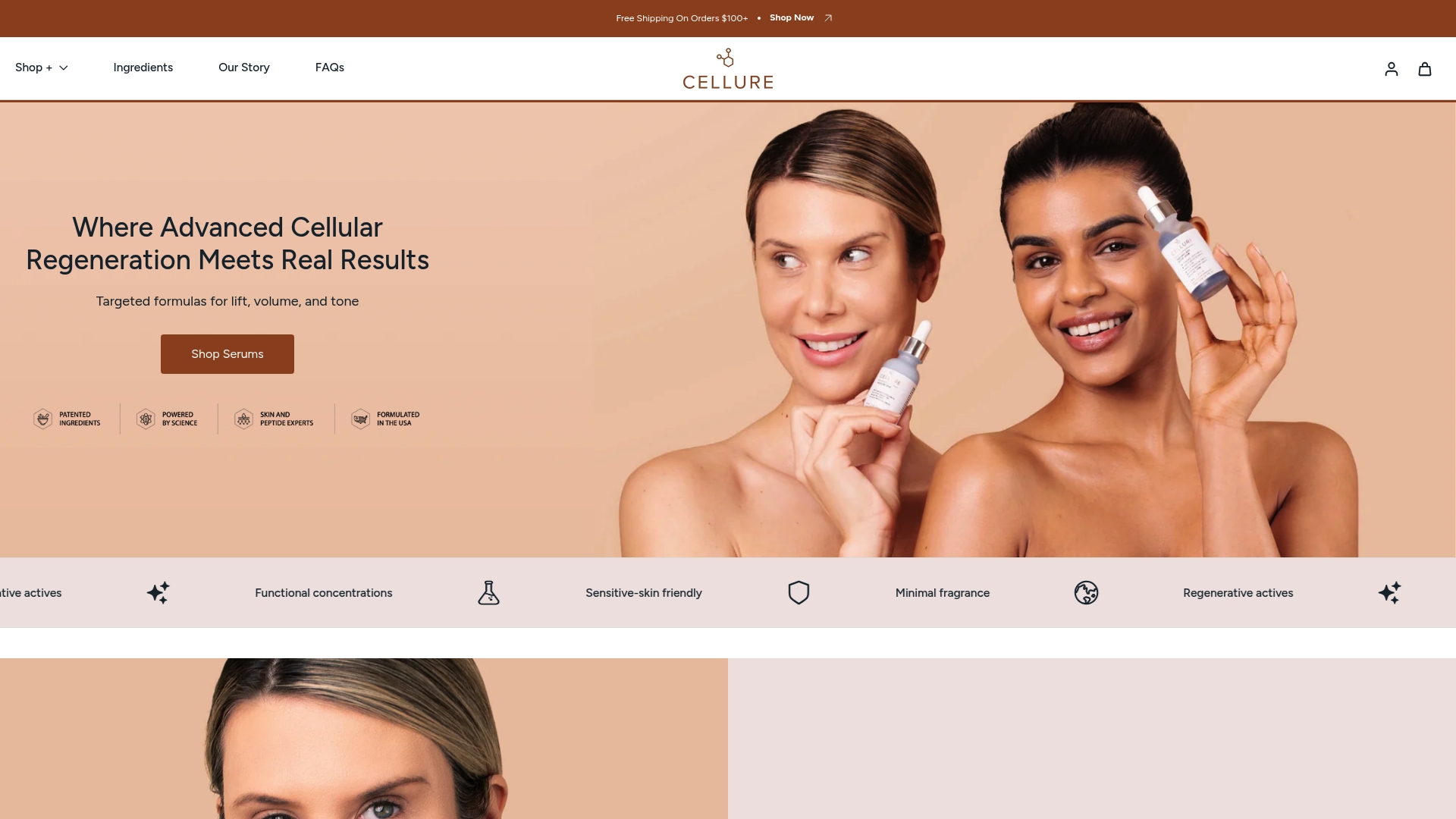
The Complete Skin Repair Kit from Cellure brings together peptides, antioxidants, and bioactive compounds formulated to support collagen repair, hydration, and skin firmness in a single coordinated routine. Each product in the kit targets a specific layer of the aging process, from surface texture to deeper structural support. The formulations are designed for all skin types, including sensitive skin that reacts to high-strength actives. If you are ready to move from individual products to a complete repair protocol, this kit is a practical starting point.
FAQ
What causes the most visible skin aging?
UV-driven photoaging accounts for 80–90% of visible skin changes, including wrinkles, hyperpigmentation, and skin laxity. Daily broad-spectrum sunscreen is the most effective single preventive measure.
When should I start an anti-aging skincare routine?
The best time to start is your 30s, when collagen production begins to slow and early fine lines appear. Prevention is significantly easier than correction, so earlier action produces better long-term outcomes.
Do oral supplements actually improve skin aging signs?
Yes. Randomized controlled trials show that trans-resveratrol and piceatannol improve wrinkle severity and skin hydration after eight weeks. Collagen peptides and oral hyaluronic acid also have clinical support for elasticity and moisture improvements.
How do I know if my skin needs elasticity treatment?
Use the pinch test: pinch the skin on the back of your hand and release it. Slow rebound signals collagen loss and indicates that active collagen-stimulating treatments, such as retinoids or radiofrequency microneedling, are appropriate.
Can peptides replace retinoids in a skincare routine?
Peptides and retinoids work through different mechanisms and complement each other well. Peptides are a strong alternative for people who cannot tolerate retinoids, but they do not replicate the full range of retinoid effects on cell turnover and collagen remodeling.