


Anti-Aging Checklist for Adults 30 and Over
TL;DR:
- An anti-aging routine for adults over 30 must include daily SPF, retinoids, and moisturizers to address photoaging and intrinsic aging. Consistent use and proper sequencing of these steps, along with healthy lifestyle habits, lead to visible skin improvements over time. Supplements like collagen peptides may further enhance results after establishing foundational skincare.
An anti-aging checklist is a practical set of evidence-backed skincare and lifestyle steps designed to maintain youthful skin and slow visible aging in adults over 30. The most effective approach combines daily broad-spectrum sunscreen, retinoids, and consistent moisturizing as your non-negotiable foundation. From there, antioxidant serums, peptides, and targeted lifestyle habits build on that base to deliver real, lasting results. This guide gives you every step, in the right order, with realistic timelines.
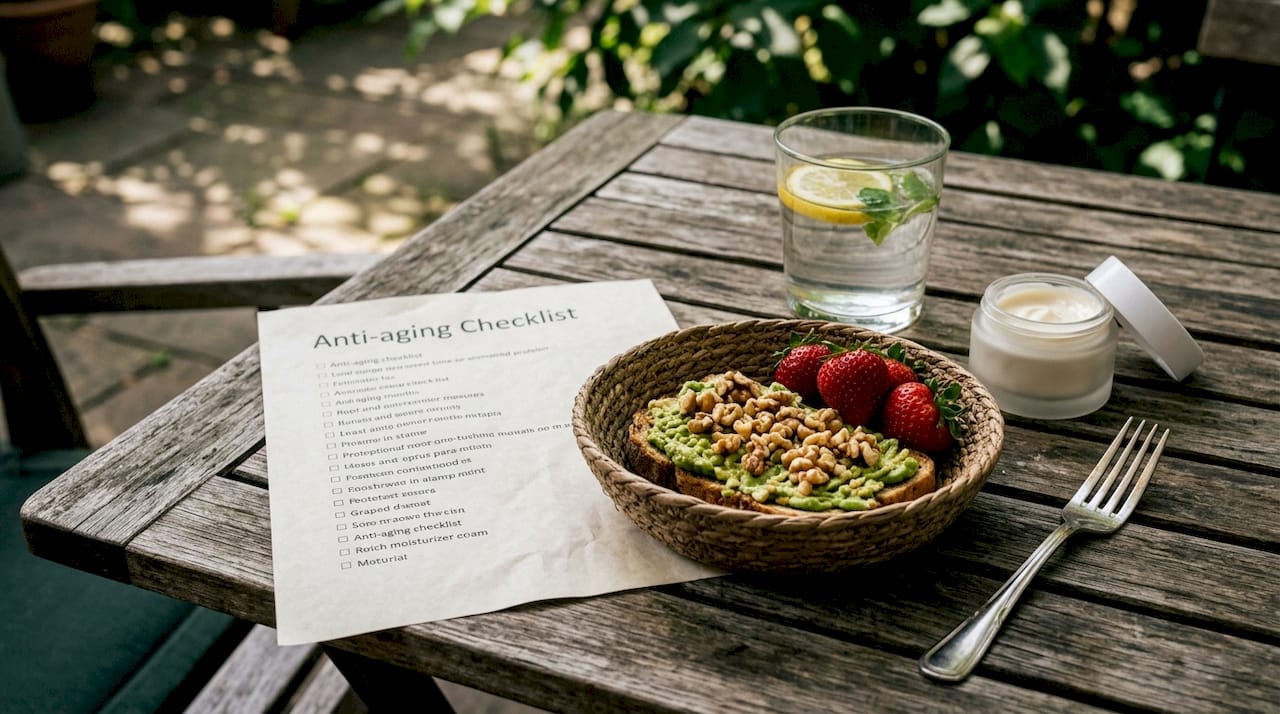
1. What belongs on an anti-aging checklist?
The core of any anti-aging checklist is UV protection, retinoid use, and moisturizing. These three steps address the two main causes of visible skin aging: intrinsic aging, which is driven by genetics and time, and photoaging, which is caused by cumulative UV exposure. Sunscreen prevents extrinsic UV damage. Retinoids repair existing damage at the cellular level. Moisturizers support the skin barrier and make active ingredients easier to tolerate.
Separating these two aging pathways matters because it clarifies your priorities. Sunscreen is your best preventive measure against photoaging. Lifestyle changes like quitting smoking target other extrinsic contributors. Together, they cover the full picture.
2. Daily broad-spectrum sunscreen (SPF 30 or higher)
Sunscreen is the single most effective age-defying strategy available without a prescription. SPF 30 blocks roughly 97% of UVB rays, while SPF 50 blocks roughly 98%. That one-percent difference sounds small, but consistent daily use of either is what prevents the collagen breakdown and uneven tone that define photoaged skin.
Application matters as much as SPF number. Apply sunscreen every morning as the last step in your routine, and reapply every 2 hours when outdoors, after swimming, or after sweating. Most adults apply far less than the tested amount, which cuts effective protection significantly.
- Use a broad-spectrum formula that covers both UVA and UVB rays
- Apply to face, neck, and the backs of your hands
- Choose a mineral (zinc oxide, titanium dioxide) or chemical formula based on your skin type
- Reapply midday with a powder or spray SPF if you wear makeup
Pro Tip: Set a phone alarm for midday reapplication on days you spend more than two hours outside. Consistency here compounds over years.
3. Retinoids: the most proven topical anti-aging ingredient
Retinoids are vitamin A derivatives that increase collagen production and reduce wrinkles and sunspots with consistent use. Prescription tretinoin delivers the strongest results. Over-the-counter retinol is slower but effective for most adults starting out. Both require patience and sun protection because they increase photosensitivity.
Starting too aggressively is the most common mistake. Redness, peeling, and irritation push people to quit before they see results. The fix is simple: apply retinol two to three nights per week at first, then increase frequency over four to six weeks as your skin adjusts. Buffering with a moisturizer before or after application reduces irritation without reducing efficacy.
- Start with a low-concentration OTC retinol (0.025% to 0.05%)
- Apply at night to clean, dry skin
- Use a pea-sized amount for the entire face
- Always follow with SPF the next morning
Pro Tip: Apply your moisturizer first on the nights you use retinol. This “sandwich” method cuts irritation dramatically and keeps most people consistent.
4. Moisturizing for barrier support and smoother skin
Moisturizers do not prevent wrinkles, but they support barrier function and improve skin appearance, which makes active ingredients like retinoids easier to tolerate. A well-hydrated skin barrier also reflects light more evenly, which makes fine lines look less pronounced immediately. That is not a long-term fix, but it matters for daily confidence.
Look for moisturizers that contain humectants like hyaluronic acid or glycerin, which draw water into the skin, alongside occlusives like squalane or shea butter, which seal it in. Cellure’s skincare guide for aging skin explains how layering these ingredients correctly maximizes their effect. Apply moisturizer morning and night, always before sunscreen in the morning.
Understanding why hydration matters after 30 is useful context here. Skin produces less natural oil and retains less water as you age, which makes external moisturizing more important with each decade.
5. Lifestyle habits that slow skin aging
Smoking accelerates skin aging by damaging skin fibers and causing wrinkles. Nicotine reduces blood flow to the skin, and the repetitive muscle movements of smoking deepen lines around the mouth. Quitting improves skin tone and slows further deterioration. No topical product compensates for active smoking.
Beyond smoking, four habits make a measurable difference:
- Hydration: Drinking adequate water supports skin health from within and complements topical moisturizers
- Diet: Foods rich in antioxidants, such as berries, leafy greens, and fatty fish, reduce inflammation that accelerates aging
- Sun avoidance: Sunscreen is not enough on its own. Wear wide-brim hats and UV-protective clothing during peak sun hours
- Sleep: Skin repairs itself during sleep. Chronic sleep deprivation raises cortisol, which breaks down collagen over time
Pro Tip: Swap one processed-food meal per week for a meal built around salmon, walnuts, or avocado. These foods deliver omega-3 fatty acids that directly support skin elasticity.
6. Optional treatments and supplements that enhance results
Once your foundational routine is consistent, targeted additions can accelerate visible improvement. The most evidence-supported options are vitamin C serum, peptides, niacinamide, and oral collagen peptides.
| Ingredient | Form | Primary Benefit | Timeline |
|---|---|---|---|
| Vitamin C | Topical serum | Brightening, antioxidant protection | 4–8 weeks |
| Retinol | Topical | Wrinkle reduction, collagen boost | 8–12 weeks |
| Peptides | Topical serum | Firmness, barrier support | 8–12 weeks |
| Niacinamide | Topical | Even tone, pore appearance | 4–8 weeks |
| Collagen peptides | Oral supplement | Elasticity, hydration, wrinkle depth | 12 weeks |
A 12-week clinical trial found that bioactive collagen peptide supplements at doses of 2.5 g/day and 10 g/day significantly reduced wrinkle count and length while improving elasticity and hydration. Statistical significance reached p<0.0002 for wrinkle reduction. That level of evidence is rare for an oral supplement.
Cellure’s guide to science-backed peptides for skin covers the latest clinical data on topical peptide formulations. Peptides and niacinamide layer well together and do not cause the irritation that retinoids sometimes trigger, making them good additions for sensitive skin types.
- Do not add all of these at once. Introduce one new product every two to four weeks
- Vitamin C serum goes on clean skin in the morning, before moisturizer and sunscreen
- Niacinamide pairs well with most actives and can be used morning or night
7. How to build and maintain a consistent anti-aging routine
The most effective skincare anti-aging guide is one you actually follow. Simple regimens improve consistency and outcomes, according to Harvard Health. Start with three products: a gentle cleanser, a moisturizer, and a broad-spectrum SPF 30+. Master that before adding anything else.
- Weeks 1–4: Cleanser, moisturizer, sunscreen every morning. Cleanser and moisturizer every night.
- Weeks 5–8: Add retinol two nights per week. Monitor for irritation.
- Weeks 9–12: Increase retinol to three to four nights per week if tolerated. Add vitamin C serum in the morning.
- Month 4 onward: Introduce peptides or niacinamide if desired. Reassess your skin every 12 weeks.
Visible improvements vary by ingredient: hyaluronic acid plumps within hours, vitamin C brightens in 4–8 weeks, and retinoids typically improve lines over 8–12 weeks with ongoing use. Set those expectations before you start so you do not abandon a working routine too early.
Pro Tip: Take a photo in the same lighting on day one and again at week 12. Skin changes slowly. Side-by-side photos reveal progress that daily mirror checks miss entirely.
Cellure’s evidence-based steps for aging skin provides a detailed framework for building tolerance to active ingredients without disrupting your routine. The skin renewal checklist from Cellure also maps out visible improvement timelines step by step.
Key takeaways
A consistent anti-aging routine built on daily SPF 30+, retinoids, and moisturizing delivers the strongest, most evidence-backed results for adults over 30.
| Point | Details |
|---|---|
| Sunscreen is non-negotiable | SPF 30+ daily blocks roughly 97% of UVB rays and prevents photoaging. |
| Retinoids require patience | Start two nights per week and build slowly to avoid irritation and quitting early. |
| Moisturizers support actives | They improve barrier function and help skin tolerate retinoids more consistently. |
| Lifestyle habits compound results | Quitting smoking, eating antioxidant-rich foods, and sleeping well slow aging from within. |
| Oral collagen peptides work | A 12-week trial showed significant wrinkle and elasticity improvements at 2.5 g/day. |
My honest take on building an anti-aging routine that lasts
After years of working with skincare formulations and reviewing clinical data, the pattern I see most often is this: people build elaborate routines before they have mastered the basics. They layer five actives in week one, experience irritation, and conclude that “nothing works for their skin.” The real problem is sequencing, not the products.
Sunscreen is the one step I would never negotiate on. The evidence from Harvard Health and Scripps Health is unambiguous. UV damage is the leading driver of visible aging, and it accumulates silently every day, even through windows, even in winter. If someone tells me they only have time for one product, it is always SPF.
What surprises most people is how much lifestyle factors matter relative to topical products. Smoking, chronic sleep deprivation, and a diet high in refined sugar each accelerate collagen breakdown in ways that no serum fully reverses. I have seen people with minimal skincare routines age better than those with expensive shelves full of products, simply because their lifestyle supported their skin from within.
The best anti-aging checklist is the one you repeat every day without thinking about it. Complexity is the enemy of consistency. Build the habit first, then add layers.
— Sara
Cellure’s Complete Skin Repair Kit for your anti-aging routine
Adults over 30 who want a structured starting point without the guesswork of building a routine from scratch have a direct option.
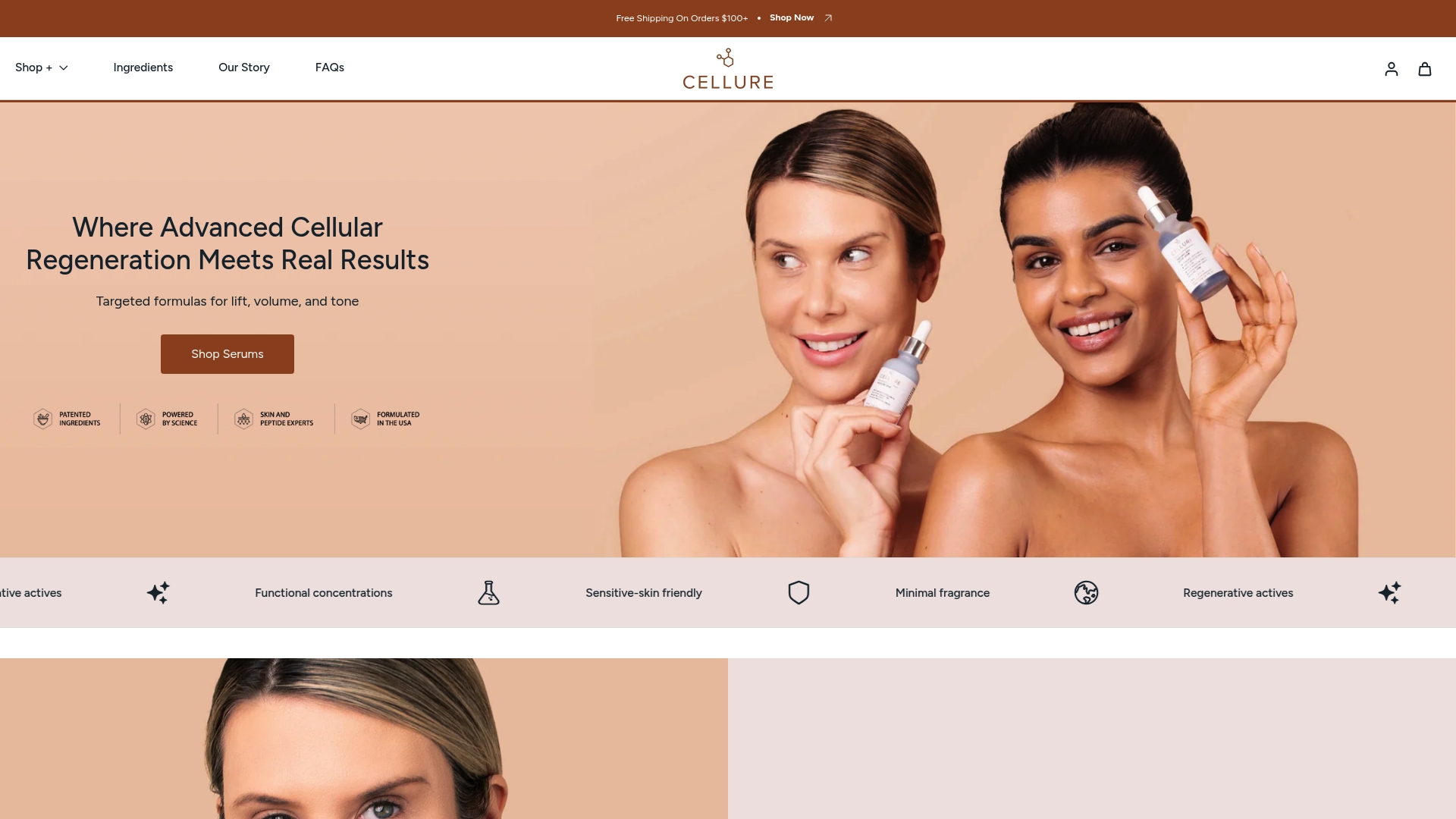
Cellure’s Complete Skin Repair Kit brings together clinically supported bioactive ingredients, including peptides and polynucleotides, formulated for cellular skin repair and rejuvenation. The kit addresses loss of firmness, uneven tone, and volume in one coordinated system. It is designed for consistent daily use and suits all skin types, including sensitive skin. For adults who want results without product overload, it is a practical, science-backed place to start.
FAQ
What is the most important step in an anti-aging routine?
Daily broad-spectrum sunscreen with SPF 30 or higher is the single most effective step. UV exposure is the leading cause of visible aging, and sunscreen prevents that damage before it accumulates.
When should you start an anti-aging skincare routine?
Starting in your early 30s gives you the best preventive advantage. Collagen production begins declining in your mid-20s, so building protective habits before visible signs appear slows the overall rate of aging.
How long does it take to see results from anti-aging products?
Results depend on the ingredient. Hyaluronic acid plumps skin within hours, vitamin C brightens in 4–8 weeks, and retinoids typically reduce fine lines over 8–12 weeks with consistent use.
Can oral collagen supplements actually reduce wrinkles?
A 12-week clinical trial found that bioactive collagen peptides at 2.5 g/day significantly reduced wrinkle count and improved skin elasticity and hydration, with results reaching statistical significance at p<0.0002.
How do you add retinol to a routine without irritation?
Start with a low-concentration retinol two nights per week and apply moisturizer before or after to buffer the skin. Increase frequency gradually over four to six weeks as your skin builds tolerance.
Recommended
Share