


Gentle skincare for aging skin: evidence-based steps
TL;DR:
- Starting with barrier repair using ceramides, hyaluronic acid, and niacinamide is essential for rejuvenating aging skin.
- Gentle actives like bakuchiol, mandelic acid, and niacinamide can improve skin without causing irritation if introduced properly.
- Sequencing, titration, and protecting the skin barrier are key to effective and irritation-free skincare routines.
Finding skincare that genuinely rejuvenates aging skin without triggering redness, tightness, or sensitivity is harder than it should be. Shelves are packed with products claiming to be “gentle,” yet many contain fragrance, harsh actives, or poorly sequenced formulas that leave mature skin worse off than before. The good news is that science has identified a clear framework for what actually works. This article walks you through the specific ingredients, routine steps, and comparison tools you need to build a gentle, effective regimen that supports real cellular renewal without compromise.
Table of Contents
- Start with a skin barrier-first mindset
- Essential gentle ingredients for sensitive, aging skin
- Sample gentle skincare routine: Step-by-step guide
- Comparing popular solutions: What works best for aging skin?
- How to pick the right solution for your skin
- Why most gentle skincare advice misses the mark: Our take
- Bring gentle skincare and science-backed rejuvenation together
- Frequently asked questions
Key Takeaways
| Point | Details |
|---|---|
| Barrier repair first | Start with ceramides, hyaluronic acid, and niacinamide to strengthen and protect aging skin. |
| Choose proven gentle actives | Select evidence-backed alternatives like bakuchiol and mandelic acid for visible results without irritation. |
| Routine matters | A carefully sequenced AM/PM routine maximizes benefits and reduces the risk of sensitivity. |
| Personalization is key | Match your regimen to your skin’s unique needs for optimal comfort and rejuvenation. |
Start with a skin barrier-first mindset
To build an effective regimen, start with the basics: what makes a product genuinely gentle for aging skin?
Aging skin loses ceramides naturally over time, which weakens the protective outer layer known as the skin barrier. When that barrier is compromised, moisture escapes faster, irritants penetrate more easily, and even mild actives can cause unexpected reactions. This is why the most effective gentle routines always begin with barrier repair, not with potent treatments.
Gentle skincare for aging skin prioritizes barrier repair with ceramides, hyaluronic acid, niacinamide, and gentle retinoid alternatives like bakuchiol to support rejuvenation without irritation. Think of barrier repair as laying a solid foundation before building anything on top. Without it, even the most carefully chosen actives will underperform or cause setbacks.
The three core barrier-supporting ingredients every aging skin routine needs:
- Ceramides: Naturally occurring lipids that fill the gaps between skin cells, preventing moisture loss and shielding against environmental stressors
- Hyaluronic acid: A humectant that pulls water into the skin from the environment, keeping surface layers plump and supple
- Niacinamide: A form of vitamin B3 that reinforces barrier function, calms inflammation, and visibly reduces signs of aging without causing sensitivity
“Think of your skin barrier as a brick wall. Ceramides are the mortar between the bricks. Without them, everything falls apart faster.”
Pro Tip: If your skin feels tight or reactive after cleansing, that’s a direct sign your barrier needs repair before you introduce any active ingredients. Start with a ceramide-rich moisturizer for two full weeks before adding anything else.
Our skin barrier repair guide breaks down exactly what a compromised barrier looks like and how to systematically restore it. For those already dealing with reactivity, the steps outlined to repair sensitive skin provide a practical recovery plan.
Essential gentle ingredients for sensitive, aging skin
With the foundation set, which ingredients actually deliver rejuvenation without stress to aging skin?
Not all “anti-aging” ingredients are created equal. Some are powerful but harsh. Others are gentle but underwhelming. The following ingredients hit the sweet spot: clinically supported efficacy with a strong tolerability profile for mature, sensitive skin.
Ceramides do more than just hydrate. Ceramides repair the skin barrier, improve hydration, and reduce fine lines in aging skin by restoring the lipid matrix that naturally depletes with age. Products containing ceramide NP, AP, and EOP together tend to outperform single-ceramide formulas.
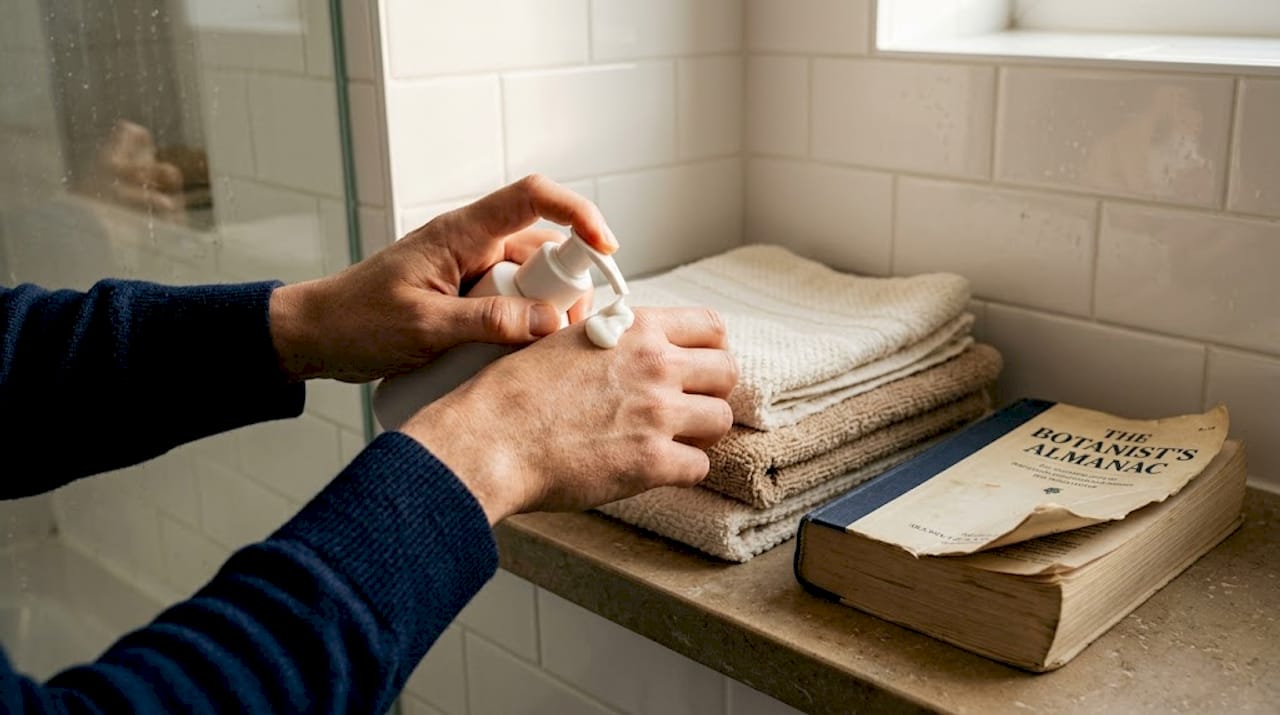
Niacinamide is one of the most versatile gentle actives available. Niacinamide at 2-5% strengthens the barrier, reduces fine lines, hyperpigmentation, and sallowness in mature skin without irritation. It also plays well with almost every other ingredient in your routine, making it an easy addition at any step.
Bakuchiol is a plant-derived compound extracted from the Psoralea corylifolia plant. It activates many of the same skin pathways as retinol but without the dryness, peeling, or photosensitivity. This makes it particularly valuable for anyone who has tried retinol and experienced irritation.
Mandelic acid is an alpha-hydroxy acid with a larger molecular structure than glycolic acid, which means it penetrates more slowly and causes far less irritation. Paired with Centella asiatica, a botanical known for its calming and wound-healing properties, this combination has shown meaningful clinical results.
| Ingredient | Primary benefit | Concentration range | Irritation risk |
|---|---|---|---|
| Ceramides | Barrier repair, hydration | Varies by formula | Very low |
| Hyaluronic acid | Deep moisture, plumping | 0.1-2% | Very low |
| Niacinamide | Tone, barrier, fine lines | 2-5% | Low |
| Bakuchiol | Retinol-like renewal | 0.5-2% | Low |
| Mandelic acid | Gentle exfoliation | 5-10% | Low to moderate |
| Centella asiatica | Calming, repair | Extract-based | Very low |
For a deeper look at how these ingredients function at the cellular level, our guide to top skin repair ingredients covers the mechanisms in plain language. If you’re specifically navigating sensitivity alongside aging, the sensitive skin serum tips article offers targeted guidance on layering these actives safely.
Sample gentle skincare routine: Step-by-step guide
Knowing which ingredients help is only half the story. Here’s how to put them together in a gentle, rejuvenating routine.
A well-sequenced routine matters more than people realize. Applying products in the wrong order reduces their effectiveness and can even cause unnecessary irritation. The following structure is built around what dermatologists consistently recommend for aging, sensitive skin.
Morning routine:
- Gentle, low-pH cleanser (fragrance-free, sulfate-free): Removes overnight buildup without stripping the barrier. Cream or gel formulas work best for aging skin.
- Hydrating serum with hyaluronic acid and niacinamide: Apply to slightly damp skin to maximize moisture absorption. Pat gently rather than rubbing.
- Barrier moisturizer with ceramides: Lock in the serum and reinforce the skin’s protective layer. Look for formulas that also include fatty acids and cholesterol for complete barrier support.
- Broad-spectrum SPF 30 or higher: UV exposure is the single biggest driver of visible aging. This step is non-negotiable, even on cloudy days or when staying indoors near windows.
Evening routine:
- Gentle cleanser: Double cleansing is optional but useful if you wear SPF or light makeup.
- Niacinamide serum or toner: Prepares skin and continues barrier support.
- Bakuchiol treatment or retinol alternative: Apply a pea-sized amount to the full face. Start with two nights per week and build up gradually.
- Rich ceramide moisturizer: Seals everything in and supports overnight repair.
Skincare after 50 experts consistently recommend this sequence: gentle cleanser, hydrating serum, barrier moisturizer, and SPF in the morning, with a bakuchiol or retinol alternative added at night. Avoiding over-exfoliation is equally important since mature skin takes longer to recover.
Pro Tip: If your skin is particularly reactive, skip the active treatment step entirely for the first two weeks. Focus only on cleansing, hydrating, and moisturizing. Introduce bakuchiol or any exfoliant only once your skin feels calm and comfortable.
Customization matters. Those with very dry skin may benefit from adding a facial oil as the final evening step. Those with uneven tone can increase niacinamide concentration gradually. Our gentle anti-aging tips resource covers these adjustments in detail, and the skin renewal steps guide explains the science behind why this sequencing accelerates cellular repair.
Comparing popular solutions: What works best for aging skin?
Having laid out the routine, consider these gentle options compared to traditional actives for mature, delicate skin.
The retinol vs. bakuchiol debate is one of the most common questions we hear. Both have merit. The choice depends on your skin’s current state, your tolerance history, and how quickly you want to see results.
| Active | Mechanism | Results timeline | Irritation risk | Best for |
|---|---|---|---|---|
| Retinol (0.025-0.1%) | Accelerates cell turnover, boosts collagen | 8-12 weeks | Moderate to high | Tolerant skin, faster results |
| Bakuchiol (0.5-2%) | Activates retinol-like pathways, antioxidant | 10-16 weeks | Low | Sensitive, reactive skin |
| Mandelic acid + Centella | Exfoliates, calms, repairs | 8-12 weeks | Low | Crepey, uneven texture |
| Niacinamide (2-5%) | Barrier support, tone correction | 4-8 weeks | Very low | All aging skin types |
The mandelic acid and Centella asiatica combination deserves special attention. A 12-week clinical study found that a cream combining these two ingredients improved crepiness, texture, and skin density safely in aging skin, with excellent tolerability throughout the trial period. This is particularly meaningful for those who have struggled with traditional exfoliants.
Key considerations when choosing between these options:
- Start with bakuchiol if you have a history of retinol sensitivity or are new to anti-aging actives
- Consider mandelic acid if crepey texture and uneven tone are your primary concerns
- Use niacinamide regardless of which active you choose, since it supports and amplifies the effects of both
- Avoid layering multiple actives in the same application until you know how your skin responds
For a complete breakdown of how these approaches address specific aging concerns, our guide to repair aging skin walks through each scenario. If you’re considering a structured approach, our overview of skin repair kits explains why curated combinations often outperform individual products.
“The biggest mistake isn’t choosing the wrong active. It’s using the right active on a compromised barrier. Fix the foundation first, and the actives will actually work.”
How to pick the right solution for your skin
With gentle routines and comparisons in hand, you’re ready to tailor your approach for maximum results and comfort.
Personalization is where gentle skincare becomes genuinely transformative. A barrier-first approach is essential for aging skin because its fragility demands hydration and repair before actives can enable real rejuvenation. Generic routines ignore this, which is why so many people cycle through products without seeing lasting change.
Use these criteria to match solutions to your specific situation:
- Primary concern is dryness and tightness: Lead with ceramides and hyaluronic acid. Add niacinamide at 2% before increasing to 5%.
- Primary concern is fine lines and firmness: Introduce bakuchiol at two nights per week after two weeks of barrier-only care.
- Primary concern is uneven tone and dark spots: Niacinamide at 5% combined with a targeted brightening serum addresses this most gently.
- Primary concern is texture and crepiness: A mandelic acid formula used once or twice weekly, followed by a rich moisturizer, produces visible improvement.
- History of reactions to actives: Spend a full month on barrier repair only before introducing anything new. Patch test every new product on the inner forearm for 48 hours.
Tracking your skin’s response seasonally is also important. Aging skin tends to become drier and more reactive in winter, which may mean stepping back on exfoliation and increasing moisturizer richness during colder months. Summer may allow for slightly more active use due to increased ambient humidity. Our even skin tone guide provides additional strategies for maintaining consistency across seasons.
Why most gentle skincare advice misses the mark: Our take
Here’s something most skincare content won’t tell you directly: the word “gentle” has been so overused by the beauty industry that it has almost lost meaning. Products labeled gentle can still contain fragrance, alcohol, or poorly tolerated preservatives. Conversely, some actives that carry a reputation for harshness, like low-dose retinol or mandelic acid, are entirely manageable when introduced correctly.
The real problem is that most advice treats gentle and effective as opposites. They are not. The issue is almost always sequencing and barrier status, not the active itself. If you apply bakuchiol to skin that is already compromised, you will get irritation. Apply it to a well-hydrated, barrier-repaired skin surface, and you get results without any reaction at all.
We’ve seen this pattern repeatedly: someone avoids all actives because they once had a bad reaction to a poorly introduced retinol. They stick to “gentle” products indefinitely and wonder why their skin isn’t changing. The barrier-first framework exists precisely to make actives accessible again, even for the most reactive skin.
The other missed point is titration. Starting at the lowest frequency, one or two nights per week, and building up over four to six weeks is not optional. It’s the difference between results and setbacks. Our sensitive skin best practices resource outlines exactly how to titrate new actives without triggering a reaction.
The takeaway: don’t let fear of actives keep you locked in a routine that only hydrates. Hydration is essential, but cellular renewal requires more. The right actives, introduced on a healthy barrier, are gentle by design.
Bring gentle skincare and science-backed rejuvenation together
You now have the framework. The next step is finding products that actually deliver on these principles without compromise.
At Cellure, every formula is built around the same barrier-first, bioactive science outlined in this article. Our Complete Skin Repair Kit combines targeted serums and barrier support into a single structured system, removing the guesswork from sequencing. For those focused on tone and cellular renewal, our tranexamic acid peptide serum delivers brightening and repair in one gentle, clinically formulated step. Explore the full range at Cellure and find the solution that fits where your skin is right now.
Frequently asked questions
What is the most important gentle skincare step for aging skin?
Prioritizing barrier repair with ceramides, hyaluronic acid, and niacinamide is essential, as barrier repair with these ingredients supports rejuvenation without irritation and prepares skin for any additional actives.
Can bakuchiol really replace retinol for sensitive, mature skin?
Bakuchiol offers retinol-like benefits with significantly less irritation and is a safer starting point for sensitive aging skin, though long-term comparative data is still developing.
How should I adjust my routine if my skin becomes irritated?
Reduce all actives immediately and return to a simple routine of gentle cleanser and ceramide moisturizer. Reintroduce products one at a time every two weeks, following the gradual reintroduction approach recommended for mature skin.
Which gentle exfoliant is best for mature skin?
Mandelic acid paired with Centella asiatica is an excellent choice. A 12-week clinical study showed this combination improved crepiness, texture, and skin density in aging skin with strong tolerability.
Is SPF still important if my routine focuses on gentle care?
Yes, absolutely. Daily SPF is essential regardless of how gentle your routine is, because UV damage accelerates collagen breakdown and actively undermines the repair work your other products are doing.
Recommended
- How to repair aging skin: evidence-based steps for results – Cellure
- Gentle skincare that actually works for sensitive, aging skin – Cellure
- Discover Why Skin Rejuvenation Matters for Aging Skin – Cellure
- 6 Best Practices for Sensitive Skin: Gentle Anti-Aging Tips – Cellure
- Essential skincare tips for radiant, natural beauty