


Anti-Aging Skincare Trends 2026: What Actually Works
TL;DR:
- In 2026, anti-aging skincare shifts toward cellular repair using technologies like exosomes, targeted antioxidants, and wearable microneedle devices.
- Foundational practices such as retinol, broad-spectrum SPF, and barrier support remain essential for effective long-term skin health.
Anti-aging skincare trends in 2026 are defined by one central shift: the industry has moved from masking signs of aging to actively repairing skin at the cellular level. This is regenerative dermatology applied to daily skincare, and it changes what you should be buying, layering, and expecting from your routine. The biggest breakthroughs this year include plant-derived exosomes, wearable microneedle devices, and precision-targeted antioxidant delivery systems. None of these replace retinol or SPF. What they do is work alongside proven staples to give your skin a longer, stronger biological runway. If you are between 25 and 55 and serious about maintaining youthful skin, 2026 offers more clinically supported tools than any previous year.
What are the leading anti-aging skincare innovations in 2026?
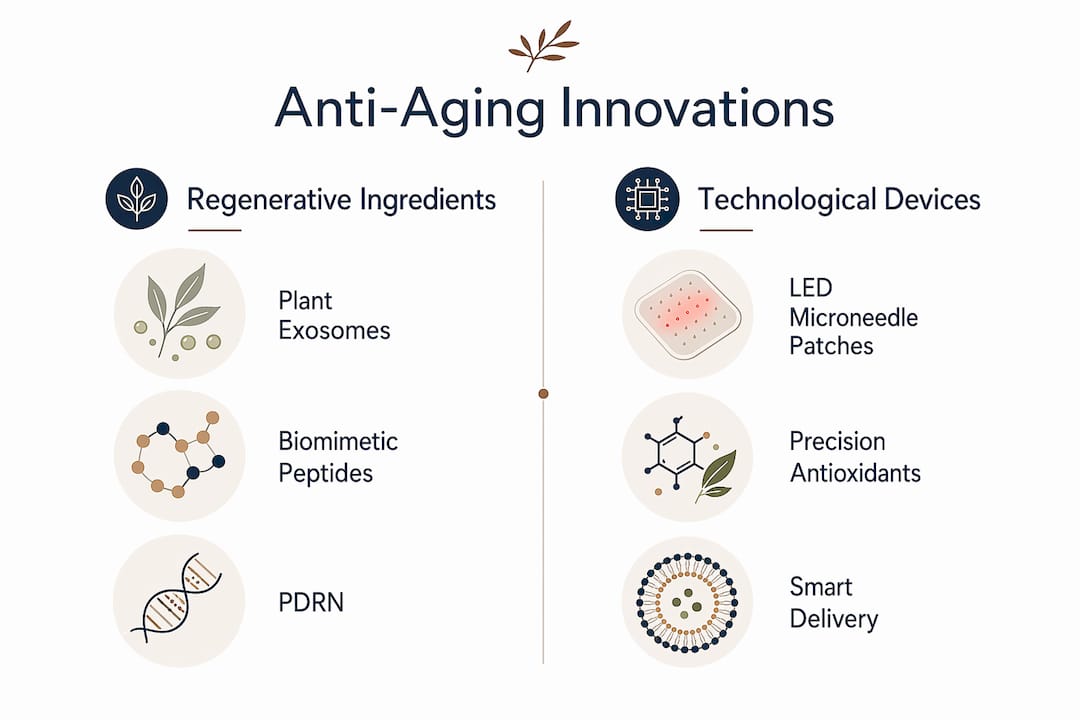
The 2026 skincare market has shifted from aggressive “anti-aging” claims toward skin longevity and resilience, and the ingredient science behind that shift is genuinely new. Three categories stand out: exosome technology, precision antioxidant delivery, and wearable phototherapy.
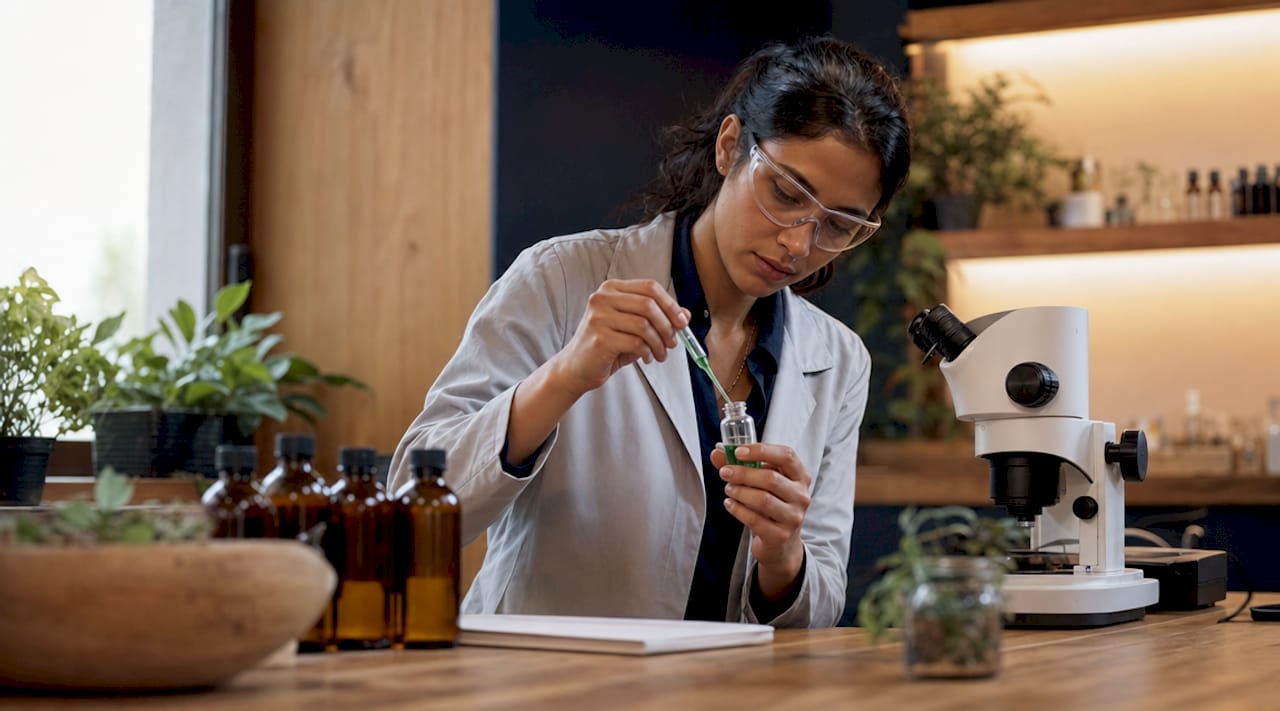
Plant-derived exosomes are the most talked-about ingredient category of the year. Symrise’s Cellexora MD reduces wrinkle length, depth, and volume within 30 days by signaling skin repair mechanisms rather than forcing surface-level change. That distinction matters because it means the ingredient works with your skin’s biology, not against it. Exosomes are nano-sized vesicles that carry repair signals between cells, and plant-derived versions have shown the ability to stimulate collagen production without the irritation associated with retinoids.
Precision antioxidant delivery is another category worth understanding. Kolmar’s TOT ingredient reduces harmful hydrogen peroxide concentration in skin by more than 40% within 30 minutes. It does this through a smart liposome delivery system that releases Vitamin E selectively at aging sites, meaning the active ingredient goes exactly where oxidative damage is occurring. This is not a broad-spectrum antioxidant serum. It is molecular targeting, and it represents a meaningful step forward in how we address oxidative stress as a driver of visible aging.
Wearable near-infrared LED photothermal microneedle patches are the most hardware-forward development. A randomized pilot trial of 20 women aged 30 to 59 showed that using these patches three times weekly improved periorbital skin roughness by 16.3% and brightness by up to 2% after four weeks. Those numbers are modest but meaningful for a non-invasive wearable device. The patches combine near-infrared light with microneedle-assisted delivery, allowing actives to penetrate deeper than topical application alone.
Here is a quick comparison of these three technologies:
| Technology | Primary mechanism | Visible result timeline |
|---|---|---|
| Plant-derived exosomes (Cellexora MD) | Cellular repair signaling | 30 days |
| Kolmar’s TOT (smart liposome) | Targeted antioxidant release | Within 30 minutes (oxidative reduction) |
| Near-infrared microneedle patches | Photothermal + active delivery | 4 weeks |
Pro Tip: If you are new to exosome or peptide-based products, check the active ingredient list before purchasing. Not all products labeled “regenerative” contain clinically tested concentrations.
Next-generation peptides are also gaining significant traction. Biomimetic peptides mimic natural skin biology to promote collagen production, elasticity, and barrier function. Unlike older peptide formulas, these are engineered to match specific receptor sites in the dermis, making them more precise and more effective at lower concentrations.
How do foundational practices still anchor your anti-aging routine?
No amount of exosome technology replaces the basics. Retinol remains the gold standard for improving skin texture and reducing fine lines, backed by decades of peer-reviewed research. The mechanism is well understood: retinol accelerates cell turnover, stimulates collagen synthesis, and fades hyperpigmentation over consistent use. The key word is consistent. Retinol works over months, not days, and skipping it in favor of newer actives is a mistake most dermatologists would caution against.
Sunscreen is equally non-negotiable. Approximately 80% of visible facial aging is attributable to UV exposure, which means daily broad-spectrum SPF 30 or higher is the single highest-return habit in any anti-aging routine. That statistic reframes sunscreen from a summer product to a year-round therapeutic tool. Skipping it even occasionally compounds cumulative UV damage that no serum can fully reverse.
Beyond retinol and SPF, here are the foundational practices that remain central to any effective 2026 routine:
- Hydration and barrier support. A compromised skin barrier accelerates water loss and makes active ingredients less effective. Ceramide-based moisturizers and hyaluronic acid serums are not optional extras. They are the infrastructure that makes everything else work.
- Gentle cleansing. Harsh toners strip vital oils and skin flora, undermining the barrier resilience that longevity skincare depends on. A pH-balanced cleanser and a microbiome-friendly toner are better choices for long-term skin health.
- Antioxidant layering. Vitamin C, niacinamide, and resveratrol remain effective daily antioxidants that neutralize free radical damage before it accumulates. They pair well with newer precision actives rather than competing with them.
Pro Tip: If you are building a routine for aging skin, layer from thinnest to thickest consistency: antioxidant serum, then peptide or exosome treatment, then moisturizer, then SPF in the morning.
What lifestyle factors shape skin aging beyond topical products?
The most underrated anti-aging trend in 2026 is not an ingredient. It is the slow aging mindset, a philosophy that treats skin health as a long-term biological investment rather than a series of corrective interventions. This shift has practical implications for how you live, not just what you apply.
Here are the lifestyle factors with the strongest evidence base for influencing skin aging:
- Sleep quality. Poor sleep significantly increases transepidermal water loss and correlates with accelerated intrinsic skin aging. Sleeping fewer than five hours weakens barrier recovery and raises biological aging scores. Seven to nine hours of quality sleep is not a wellness cliché. It is a measurable skin intervention.
- Stress management. Chronic cortisol elevation degrades collagen and impairs skin repair. Practices like meditation, exercise, and adequate rest reduce cortisol load and directly support skin resilience. The skin-stress connection is bidirectional: better skin often follows better stress management.
- Hormonal changes. Perimenopause and menopause accelerate collagen loss and reduce skin thickness. Women in this phase benefit from ingredients that specifically support structural proteins, including peptides, PDRN, and exosomes. Recognizing this hormonal driver helps explain why the same routine that worked at 35 may need adjustment at 45.
- Diet and exercise. Diets rich in polyphenols, omega-3 fatty acids, and antioxidants support skin from the inside. Regular exercise improves circulation and has been linked to better mitochondrial function in skin cells. These are not alternative medicine claims. They are supported by a growing body of dermatological research.
- Avoiding UV and tobacco exposure. Tanning and smoking are the two most documented accelerators of extrinsic skin aging. No product portfolio compensates for ongoing UV damage or the oxidative stress generated by smoking.
How to build a practical routine using 2026 skincare innovations
Building a routine around the latest anti-aging techniques does not require a 12-step regimen. It requires a clear framework: prevent, protect, and regenerate.
Here is how to structure that framework in practice:
- Morning routine. Start with a gentle cleanser, then apply a Vitamin C or niacinamide antioxidant serum. Follow with a peptide or exosome-based treatment if your skin tolerates it. Finish with a ceramide moisturizer and broad-spectrum SPF 30 or higher. This sequence addresses oxidative stress, supports structural repair, and blocks UV damage in one pass.
- Evening routine. Cleanse, then apply retinol two to three nights per week if your skin is acclimated. On non-retinol nights, use a regenerative serum containing PDRN, biomimetic peptides, or exosomes. PDRN and regenerative ingredients signal skin repair without provoking irritation, making them suitable for sensitive skin and long-term use. Finish with a barrier-supporting moisturizer.
- Weekly treatments. Wearable microneedle patches can be incorporated two to three times per week for targeted periorbital or forehead treatment. These work best on clean, product-free skin before your regular routine.
Pro Tip: When introducing new actives like exosomes or targeted peptides, check science-backed renewal tips to understand how to layer them without compromising barrier function.
Monitoring your skin’s response is as important as the products themselves. Redness, persistent tightness, or increased sensitivity are signals to reduce frequency or concentration, not push through. The slow aging philosophy applies to how you build your routine, not just what you put in it.
| Routine stage | Key actives | Frequency |
|---|---|---|
| Prevention | SPF 30+, Vitamin C, niacinamide | Daily (AM) |
| Regeneration | Retinol, PDRN, biomimetic peptides | 2-3x weekly (PM) |
| Targeted repair | Microneedle patches, exosome serums | 2-3x weekly |
| Barrier support | Ceramides, hyaluronic acid | Daily (AM and PM) |
Key takeaways
The most effective anti-aging skincare in 2026 combines precision regenerative ingredients with non-negotiable foundational practices like retinol, SPF, and barrier support.
| Point | Details |
|---|---|
| Regenerative science leads 2026 | Exosomes, PDRN, and smart delivery systems repair skin at the cellular level. |
| Sunscreen remains the top performer | UV exposure causes 80% of visible facial aging, making daily SPF non-negotiable. |
| Sleep and stress directly affect skin | Fewer than 5 hours of sleep measurably weakens barrier recovery and accelerates aging. |
| Layering strategy matters | Apply actives from thinnest to thickest: antioxidant, treatment, moisturizer, SPF. |
| Slow aging beats quick fixes | Long-term resilience outperforms aggressive correction for sustained skin health. |
Why I think the “more is more” approach to anti-aging is backfiring
I have spent years watching people add product after product to their routines, chasing every new launch, and ending up with sensitized, reactive skin that looks older than it did before they started. The irony is real. The 2026 shift toward slow aging and regenerative science is the correction the industry needed, but it only works if you actually apply the philosophy, not just the products.
What I find genuinely exciting about this year’s innovations is not the technology itself. It is that the best new ingredients, including exosomes, PDRN, and precision antioxidants, are designed to work gently over time. They do not demand that your skin perform on a deadline. That is a fundamentally different relationship with skincare, and it is one I think most people aged 25 to 55 will respond well to once they stop expecting overnight results.
My honest caution: do not abandon retinol and SPF for the newest serum. The evidence base for those two is unmatched. Build your regenerative routine on top of that foundation, not instead of it. And if a product claims to replace sunscreen or makes dramatic promises about reversing decades of aging in weeks, treat that as a red flag, not a selling point.
— Sara
Cellure’s approach to regenerative anti-aging skincare
Cellure’s Complete Skin Repair Kit is built around exactly the ingredients and principles this article covers: peptides, polynucleotides, and bioactive compounds that support cellular repair and skin resilience rather than surface-level correction. Every formulation is designed for all skin types, including sensitive skin, and the ingredient concentrations are clinically supported.
If you have been researching the best anti-aging products for 2026 and want a routine that reflects where regenerative science actually is right now, Cellure’s kits and targeted serums are worth a close look. The Cellure homepage also provides detailed ingredient breakdowns and customer results, so you can evaluate the science before you commit.
FAQ
What are the top anti-aging skincare trends in 2026?
The leading trends are plant-derived exosomes, precision antioxidant delivery systems like Kolmar’s TOT, wearable near-infrared microneedle patches, and next-generation biomimetic peptides. All are focused on cellular repair and skin longevity rather than surface correction.
Do I still need retinol if I use exosomes or PDRN?
Yes. Retinol remains the gold standard for texture improvement and fine line reduction, supported by decades of research. Exosomes and PDRN complement retinol by supporting regeneration on non-retinol nights, but they do not replace it.
How does sleep affect skin aging?
Poor sleep measurably increases transepidermal water loss and raises biological aging scores. Sleeping fewer than five hours weakens barrier recovery, making quality sleep one of the most direct non-topical interventions for skin health.
Are wearable microneedle patches safe for home use?
Clinical trial data shows near-infrared LED photothermal microneedle patches improve periorbital roughness by 16.3% after four weeks of use three times weekly, with no significant adverse effects reported in the trial population. Follow product instructions and avoid use on broken or sensitized skin.
What is the difference between regenerative and traditional anti-aging skincare?
Traditional anti-aging skincare focuses on correcting visible signs like wrinkles and discoloration after they appear. Regenerative skincare, using ingredients like PDRN, exosomes, and biomimetic peptides, signals the skin’s own repair mechanisms to rebuild structure and resilience from within.