


Types of Skin Rejuvenation: Your 2026 Treatment Guide
TL;DR:
- Choosing the right skin rejuvenation depends on your skin concerns, recovery tolerance, and goals.
- Clinical research in 2025 and 2026 shows combination treatments outperform single modalities for optimal results.
Choosing among the many types of skin rejuvenation available today is genuinely complicated. The options span everything from zero-downtime laser sessions to clinical-grade chemical peels, and the right choice depends on far more than a quick internet search. Skin rejuvenation, formally defined as any procedure or therapy that restores skin tone, texture, firmness, or radiance through biological or mechanical stimulation, now encompasses both in-office procedures and at-home topical protocols. This guide cuts through the noise with evidence from 2025 and 2026 clinical research to help you match the right treatment to your actual skin concerns, recovery tolerance, and long-term goals.
Key takeaways
| Point | Details |
|---|---|
| Treatment type shapes downtime | Ablative and invasive options deliver stronger results but require meaningful recovery, while non-invasive choices suit busy schedules. |
| Combination protocols outperform singles | Pairing modalities like laser with ultrasound produces superior collagen remodeling compared to either treatment alone. |
| Chemical peels work at multiple depths | Superficial peels refresh and brighten, while medium-depth protocols can reduce acne scars by over 20% after two sessions. |
| Consultation is non-negotiable | Skin type, phototype, and personal goals all determine which rejuvenation method is safe and appropriate for you. |
| Topical support extends results | Peri-procedural skincare using peptides, antioxidants, and moisturizers reduces adverse effects and prolongs treatment outcomes. |
1. Energy-based treatments: lasers and light modalities
Laser skin therapy remains one of the most clinically studied categories in the field. The core distinction every patient needs to understand is the difference between ablative and non-ablative approaches. Ablative lasers remove the skin’s outer layers causing more surface injury and stronger resurfacing effects, while non-ablative lasers stimulate collagen without damaging the surface, resulting in far less downtime.
Fractional lasers split the beam into thousands of microcolumns, treating a fraction of the skin surface at a time. This preserves surrounding tissue and speeds healing. The fractional Q-switched Nd:YAG 1064 nm laser is a standout example. In a recent study across 36 subjects, four treatment sessions yielded 94.4% patient satisfaction with measurable improvements in wrinkle depth, skin texture, and tone, all with zero downtime. That figure is notable because it proves that zero-downtime laser work is not a compromise. It can deliver real, measurable results when protocols are correctly calibrated.
Intense pulsed light (IPL) is a separate but related category. It uses broad-spectrum light rather than a single wavelength, making it better suited for pigmentation issues and redness than structural changes like laxity.
- Ablative CO2 and Er:YAG lasers: Maximum resurfacing, 5 to 14 days recovery, best for deep lines and moderate skin damage
- Non-ablative fractional lasers (Nd:YAG, 1550 nm): Collagen stimulation with 1 to 3 days of mild redness, well-tolerated for all schedules
- IPL: Targets pigment and vascular irregularities with minimal downtime, requires multiple sessions
- Q-switched Nd:YAG: Proven safe in darker skin phototypes III and IV with minimal downtime and wrinkle improvement, expanding options beyond lighter complexions
Pro Tip: If you have medium to deep skin tone, prioritize non-ablative fractional or Q-switched protocols. Ablative treatments carry a higher risk of post-inflammatory hyperpigmentation in phototypes III through VI, so always confirm your provider’s experience with your specific skin type before booking.
Skin rejuvenation ideally addresses multiple aging dimensions, including texture, wrinkles, and laxity, often requiring combination treatments targeting both surface and deeper skin layers for the most complete outcomes.
2. Microneedling and microcoring for collagen stimulation
Microneedling, also called collagen induction therapy, has been a clinical standard since the 1990s. It works by creating controlled micro-injuries in the skin using fine needles arranged in a roller or stamping device. Those micro-channels trigger the body’s wound healing cascade, stimulating collagen and elastin remodeling without removing skin layers.
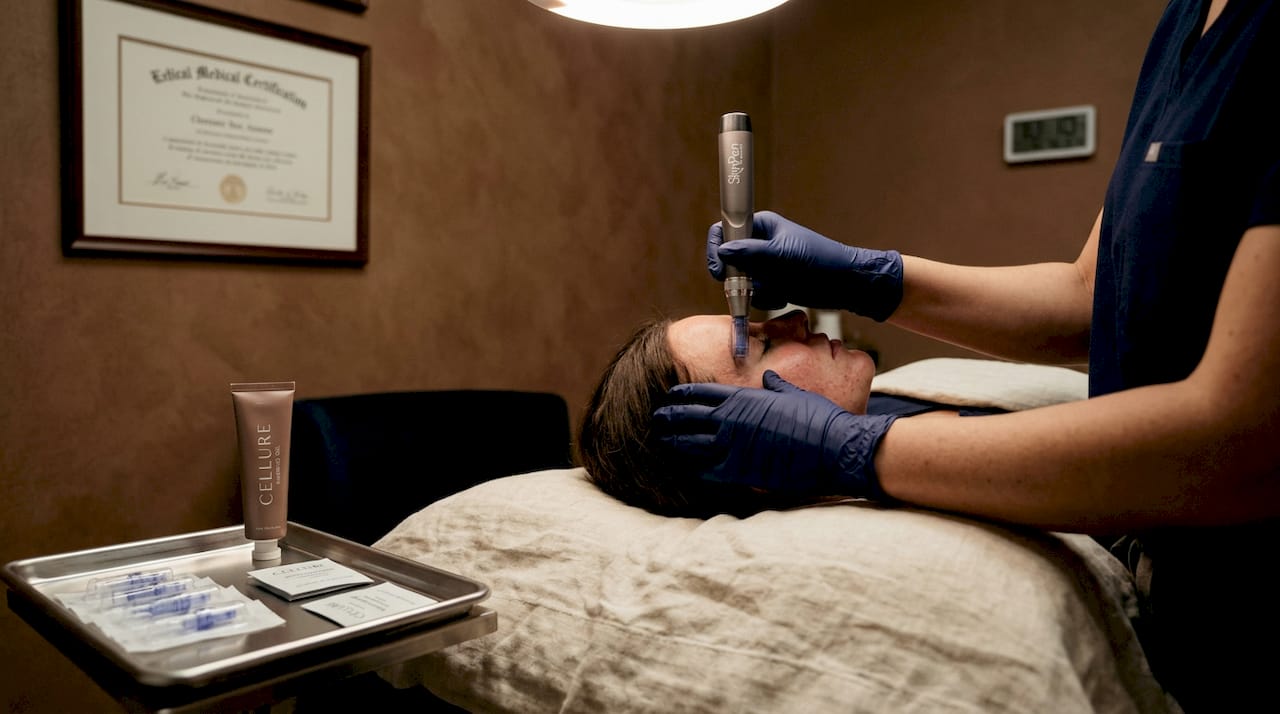
Radiofrequency (RF) microneedling advances the concept further. The needles deliver thermal energy directly into the dermis at precise depths, combining mechanical stimulation with heat-driven collagen remodeling. This makes RF microneedling particularly effective for skin laxity and textural irregularities where surface-only treatments fall short.
Microcoring is the newer entrant and the distinction matters. Where microneedling creates channels, microcoring removes full-thickness skin cores promoting regenerative healing rather than the standard wound-healing response. This difference in biological mechanism changes both the risk profile and the recovery experience.
- Standard microneedling: Effective for acne scars, enlarged pores, and mild textural irregularities; 24 to 48 hours of redness typical
- RF microneedling: Adds dermal tightening to surface benefits; ideal for laxity and deeper lines with moderate post-treatment flushing
- Microcoring: Emerging FDA-cleared option focused on skin lifting; fewer sessions needed but with more specialist availability required
- Ideal candidates: People with fair to medium skin tone experiencing acne scarring, uneven texture, or early firmness loss
Pro Tip: Skip the at-home dermaroller for anything beyond 0.2 mm needle depth. Devices that penetrate deeper without clinical sterility protocols increase infection risk and can worsen pigmentation rather than improve it. Leave deeper microneedling to licensed practitioners.
3. Chemical peel treatments: from superficial to medium depth
Chemical peels use acid formulations to remove damaged outer skin layers and accelerate cell turnover, which is the basis of their anti-aging skin procedure classification. The depth of penetration determines what they treat and how much recovery you need.
Superficial peels (typically glycolic or lactic acid at lower concentrations) address dullness, mild discoloration, and texture without any real downtime. They are the go-to for maintenance rather than transformation. Medium-depth peels go further, reaching the papillary dermis to address acne scarring, deeper pigmentation, and more pronounced skin aging.
The yellow peel is one of the most studied multimodal medium-depth peeling protocols. It combines glycolic acid, salicylic acid, retinol, azelaic acid, and additional agents in a single formulation. In a single-arm clinical trial with young adults, two sessions of the yellow peel reduced acne lesion count by 85% and scar depth by over 20%, with outcomes assessed up to two months post-treatment. That kind of improvement across two sessions is not typical of superficial peels, which speaks to the difference depth and formula complexity make.
| Peel type | Acid agents | Target concerns | Recovery time |
|---|---|---|---|
| Superficial | Glycolic, lactic, mandelic | Dullness, mild texture, early pigmentation | None to 1 day |
| Medium depth | TCA, yellow peel blend | Acne scars, moderate pigmentation, fine lines | 5 to 7 days |
| Modified Jessner’s | Resorcinol, lactic, salicylic | Mixed pigmentation, oiliness, early aging | 3 to 5 days |
- Glycolic acid peels: Best for maintenance and brightening, safe for most skin types
- Salicylic acid peels: Oil soluble, penetrates follicles, ideal for acne-prone skin
- TCA peels: Stronger resurfacing with longer recovery; effective for deeper scars and wrinkles
- Yellow peel protocols: Multi-action for moderate acne and scarring with fewer sessions required
Pro Tip: Apply a broad-spectrum SPF 50 every morning for at least four weeks following any peel. Freshly treated skin is significantly more vulnerable to UV-induced pigmentation, and skipping sun protection will undo results faster than any peel can deliver them.
4. Radiofrequency and ultrasound therapies for skin tightening
Radiofrequency (RF) and microfocused ultrasound (MFU) address a gap that lasers and peels cannot fill as effectively: structural laxity in deeper tissue. Both technologies deliver energy below the skin surface, triggering collagen production and tightening dermal and subdermal layers without breaking the skin.
RF technology heats the dermis to temperatures that denature existing collagen fibers and stimulate the production of new ones. RF skin rejuvenation reduces fine lines, wrinkles, and sagging by warming deeper layers non-invasively, with no surface damage to manage during recovery. Microfocused ultrasound targets even deeper layers, including the superficial muscular aponeurotic system (SMAS), the structural layer that surgical facelifts address. That depth is why MFU has a reputation for lifting effects that surface-only treatments cannot match.
Clinical research published in 2025 demonstrated that combining a 675 nm laser with microfocused ultrasound produced significantly greater improvements in Fitzpatrick Wrinkle Scale scores and skin laxity than either treatment used alone across 115 patients over six months.
- Best for: Sagging jawline, jowls, neck laxity, brow heaviness, and mild to moderate skin loosening
- Recovery time: Minimal. Most patients experience temporary redness or mild swelling for 24 to 48 hours
- Number of sessions: Typically one to three sessions spaced weeks apart, with results building over three to six months as new collagen forms
- Not ideal for: Severe laxity where surgical intervention would produce more predictable outcomes
5. Injectable treatments: Botox, fillers, and PRP
Injectables remain among the most popular anti-aging skin procedures worldwide because they deliver visible results with little to no downtime. They work differently from energy-based or resurfacing treatments and are often combined with them for a more complete approach to skin rejuvenation.
Botulinum toxin (Botox) temporarily relaxes the muscles responsible for dynamic wrinkles, lines that form from repeated facial expressions. Results typically last three to four months and the procedure takes under 30 minutes. Botox effectively smooths wrinkles with minimal downtime, which makes it a practical choice for people who cannot afford extended recovery.
Dermal fillers work differently. Rather than relaxing muscles, they restore or add volume in areas where fat, collagen, and bone have diminished with age. Hyaluronic acid fillers are the most common, offering temporary results that last six months to two years. Other formulations like calcium hydroxylapatite stimulate some collagen production alongside their volumizing effect.
Platelet-rich plasma (PRP) is the most biological option in this category. A small blood draw is spun to concentrate growth factors, then re-injected into the treatment area. The growth factors stimulate collagen synthesis and tissue repair over time.
- Botox: Best for forehead lines, crow’s feet, and frown lines; results visible in 3 to 7 days
- Hyaluronic acid fillers: Adds volume to cheeks, lips, and nasolabial folds; reversible with hyaluronidase if needed
- PRP: Most effective combined with microneedling or laser; outcomes take weeks to fully appear but improve skin quality at a cellular level
- Combination use: Pairing fillers with RF or laser treatments addresses both volume loss and surface texture simultaneously, which is a strategy that collagen peptide supplementation can also support from within
6. Comparing and selecting the right treatment for your skin
Matching treatment to skin concern is the step most people skip in favor of choosing whatever is trending. That approach wastes money and time.
| Treatment | Invasiveness | Downtime | Primary targets | Sessions needed |
|---|---|---|---|---|
| Ablative laser | Moderate to high | 5 to 14 days | Deep lines, scars, texture | 1 to 3 |
| Non-ablative laser | Low to moderate | 0 to 3 days | Pigmentation, early lines | 3 to 6 |
| Microneedling | Low | 1 to 2 days | Scars, pores, texture | 3 to 6 |
| Chemical peel | Low to moderate | 0 to 7 days | Tone, pigmentation, acne scars | 1 to 4 |
| RF/Ultrasound | Non-invasive | 0 to 1 day | Laxity, sagging, fine lines | 1 to 3 |
| Injectables | Minimally invasive | 0 to 2 days | Wrinkles, volume loss | Ongoing |
A few practical filters to apply before booking anything:
- If recovery time is your biggest constraint, start with non-ablative laser, RF, or injectables
- If textural scarring is the primary concern, microneedling or a medium-depth chemical peel typically delivers the most targeted results
- For laxity and sagging, RF and MFU work where resurfacing treatments have no mechanism to help
- Budget matters too. Combination protocols produce better outcomes but multiply the cost. Prioritize the treatment addressing your most significant concern first
Pro Tip: Peri-procedural skincare using moisturizers, antioxidants, and sunscreen has clinical support for reducing adverse effects after minimally invasive procedures while extending results. Ask your provider for a specific protocol to follow before and after your treatment.
My honest take on navigating skin rejuvenation in 2026
I’ve spent years reading the clinical literature on skin rejuvenation techniques and speaking with practitioners about what actually works versus what gets marketed aggressively. The pattern I keep seeing is this: people obsess over a specific device or treatment name, book it without a proper consultation, and then wonder why their results are mediocre.
The truth is, results depend far more on protocol parameters, provider skill, and how well your personal biology is matched to the treatment than on the device brand itself. Evidence shows that effective outcomes rely on precise protocol parameters and dose tuning, not just the technology category. A perfectly calibrated treatment on the right candidate will always outperform an aggressive one applied incorrectly.
What I advocate for is gradual, sustainable improvement. Combining a cellular rejuvenation approach with professional treatments is smarter than chasing maximum results in a single session. Skin changes biologically over time, and the best rejuvenation plans respect that timeline rather than fighting it.
The other thing worth saying out loud: downtime is not the enemy. Patients who avoid any treatment with more than 24 hours of recovery often plateau at results that mildly improve skin tone but never address the structural changes they actually want to fix. Sometimes the right answer involves a few days of looking worse before looking significantly better.
— Sara
Support your skin between professional treatments
The real gains from professional skin rejuvenation procedures are consolidated and extended in the days and weeks after each session. That window is where at-home skincare does some of its most important work.
Cellure’s Complete Skin Repair Kit is built around this exact principle. The kit combines peptide-rich serums, polynucleotide-based repair actives, and calming formulations designed to support your skin’s recovery at the cellular level. The formulations are gentle enough for post-procedure skin while delivering the bioactive concentration needed to reinforce collagen support and reduce uneven tone over time. For anyone working through a course of professional treatments, having a protocol that supports your skin on the off days is not optional. It’s how you protect and extend what the treatments create. You can also explore Cellure’s science-backed rejuvenation tips and the top ingredients for skin renewal to build a smarter daily routine.
FAQ
What are the main types of skin rejuvenation?
The main categories include energy-based treatments (lasers and light), microneedling and microcoring, chemical peels, radiofrequency and ultrasound therapies, and injectables like Botox, fillers, and PRP. Each targets different aging concerns at different tissue depths.
Which skin rejuvenation method has the least downtime?
Non-ablative lasers, radiofrequency treatments, and injectable procedures typically involve minimal to no recovery time, with most patients returning to normal activity within 24 hours. The fractional Q-switched Nd:YAG laser has demonstrated zero downtime with high patient satisfaction in clinical settings.
Can you combine different skin rejuvenation treatments?
Yes, and clinical evidence supports doing so. Combining a 675 nm non-ablative laser with microfocused ultrasound showed greater improvement in wrinkles and laxity than either treatment alone in a six-month study involving 115 patients.
Are chemical peels safe for aging skin?
Chemical peels are generally safe and well-tolerated when matched to your skin type and concern. Superficial peels carry minimal risk, while medium-depth protocols require careful technique and post-procedure sun protection to avoid hyperpigmentation.
How do I know which skin rejuvenation treatment is right for me?
Start with a professional consultation to assess your skin type, phototype, and primary concerns. Factors like available recovery time, budget, and whether you are targeting surface texture, pigmentation, laxity, or volume loss should all shape the treatment plan.