


Skin Rejuvenation Checklist: Your 2026 Guide
TL;DR:
- Effective skin rejuvenation involves combining professional treatments like radiofrequency microneedling and PRP with a consistent daily skincare routine that includes sun protection, vitamin C, and retinol. Proper pre- and post-treatment care, along with healthy lifestyle habits such as adequate sleep and hydration, are essential for maintaining results and minimizing risks. Gradual improvement over time with evidence-backed methods offers natural, durable skin renewal with safety prioritized through thorough medical screening.
Skin rejuvenation is defined as the process of restoring a youthful appearance through targeted treatments and daily care routines that stimulate collagen production, reduce fine lines, and improve skin texture. The clinical term for this category of care is “skin rejuvenation therapy,” and it covers everything from professional procedures to at-home maintenance. A well-structured skin rejuvenation checklist keeps you from guessing and gives you a repeatable system that actually produces results. The most proven non-invasive methods in 2026 include radiofrequency microneedling, platelet-rich plasma (PRP), retinol, and vitamin C antioxidants.
1. What are the best non-invasive skin rejuvenation treatments?
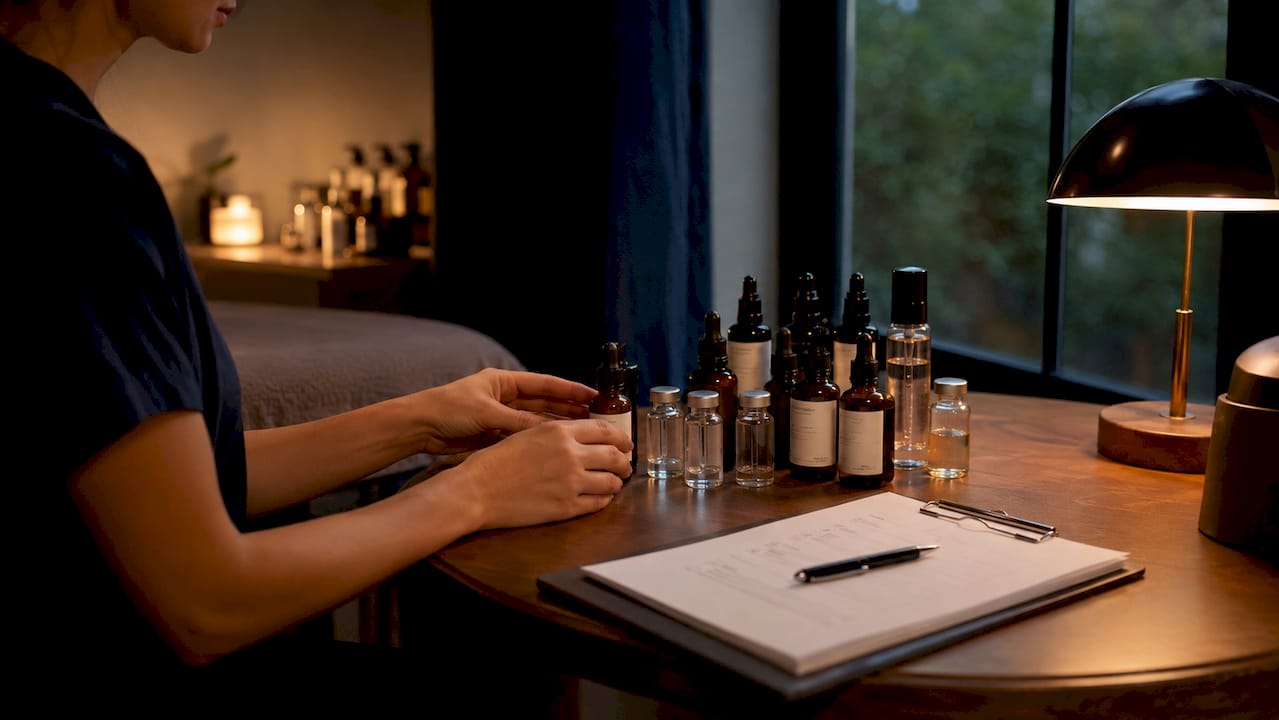
Radiofrequency microneedling (RFMN) is the most consistently effective non-invasive treatment available today. A systematic review of 20 studies involving 558 participants found patient satisfaction rates exceeding 90%, with side effects limited to temporary redness and mild swelling. That level of satisfaction is rare in aesthetic medicine and reflects how well RFMN delivers on its promise of firmer, smoother skin.
Beyond RFMN, the best skin rejuvenation methods fall into three broad categories:
- Energy-based treatments: Radiofrequency microneedling, fractional laser resurfacing, and intense pulsed light (IPL) target collagen remodeling at the dermal level.
- Surface renewal treatments: Chemical peels, microdermabrasion, and enzyme exfoliation remove dead skin layers to improve tone and texture.
- Regenerative biologics: PRP remains the most clinically validated option for long-term dermal remodeling, outperforming newer biologics like exosomes in both accessibility and evidence strength.
The table below compares the top treatments by downtime, results timeline, and longevity.
| Treatment | Downtime | Results visible | Longevity |
|---|---|---|---|
| RF microneedling | 1–3 days | 4–8 weeks | 12–24 months |
| Chemical peel | 3–7 days | 2–4 weeks | 6–12 months |
| PRP therapy | 1–2 days | 6–12 weeks | 12–18 months |
| Microdermabrasion | None | 1–2 weeks | 1–3 months |
| Fractional laser | 5–10 days | 4–8 weeks | 12–24 months |
Pro Tip: Combining RFMN with PRP in a single session produces synergistic collagen induction. Procedure-integrated applications yield superior dermal remodeling compared to either treatment alone.
Most treatments require multiple sessions spaced about a month apart, with benefits from biostimulants lasting up to two years or more. Planning your schedule in advance prevents gaps that slow your progress.
2. How to create a daily skin care routine that supports treatment results
A daily skin care routine is the foundation that makes professional treatments last longer and work harder. Without it, even the best in-office procedures fade faster than they should.
Here is a structured daily routine built around the most evidence-supported ingredients:
- Morning cleanse: Use a gentle, pH-balanced cleanser to remove overnight buildup without stripping your skin barrier.
- Vitamin C serum: Apply a vitamin C antioxidant serum in the morning to protect against UV damage and environmental pollution while supporting collagen synthesis.
- SPF 30 or higher: Apply broad-spectrum sunscreen every morning, rain or shine. UV exposure is the single largest driver of premature skin aging, and no rejuvenation treatment can outpace daily sun damage.
- Evening cleanse: Remove sunscreen, makeup, and pollutants thoroughly before applying actives.
- Low-concentration retinol: Use a 0.3% retinol formula at night to stimulate collagen production and accelerate cell turnover. Start two to three nights per week and build frequency gradually.
- Hydrating serum or moisturizer: Lock in moisture with a peptide-rich or hyaluronic acid-based formula to support the skin barrier overnight.
- Gentle exfoliation (2–3x per week): Alpha- or polyhydroxy acids remove dead skin buildup that causes dullness and blocks light reflection. Glycolic acid (AHA) and gluconolactone (PHA) are reliable options for most skin types.
Pro Tip: Never layer retinol and a high-strength AHA on the same night. Alternate them to avoid barrier disruption and unnecessary irritation. For evidence-based daily steps tailored to aging skin, Cellure’s resource library is a strong starting point.
3. What safety precautions should you follow before starting rejuvenation?
Patient selection is the most overlooked step in any skin improvement guide. Choosing the right treatment for the wrong candidate produces poor results at best and adverse reactions at worst.
Before booking any rejuvenation procedure, disclose the following to your provider:
- Autoimmune disorders (lupus, psoriasis, eczema): These conditions can trigger unpredictable inflammatory responses to energy-based treatments.
- Active rosacea or redness conditions: Many procedures worsen rosacea flares if performed during an active phase.
- Cancer treatment history: Chemotherapy and radiation alter skin integrity and immune response, making standard protocols unsafe.
- Anticoagulant medications: Blood thinners increase bruising risk significantly with any needling or injection-based treatment.
- Pregnancy or breastfeeding: Most professional rejuvenation procedures are contraindicated during these periods.
Medical history, skin type, and aesthetic goals must all factor into treatment selection to avoid adverse outcomes. A provider who skips this intake process is not one you want treating your skin.
Realistic expectations also matter. Skin rejuvenation produces gradual improvements, not overnight transformations. Patients consistently prefer natural, incremental changes over dramatic results, which is exactly why biostimulants like PRP are gaining ground despite their slower visible timeline.
4. How to prepare before and care for your skin after treatments
Pre- and post-treatment care determines how much of your treatment’s benefit you actually keep. Skipping these steps is the most common reason people are disappointed with their results.
Before your treatment:
- Stop using retinol, AHAs, BHAs, and vitamin C serums at least 3–5 days before your appointment.
- Avoid direct sun exposure for at least two weeks prior. Tanned or sunburned skin is more prone to post-treatment hyperpigmentation.
- Stay well hydrated in the days leading up to your session. Hydrated skin responds better and heals faster.
- Inform your provider of any new medications, supplements, or skin reactions since your last visit.
After your treatment:
- Gentle cleansing, consistent hydration, and strict sun protection are the three non-negotiables in the first two weeks post-treatment.
- Avoid heat exposure (saunas, hot showers, intense exercise) for 48–72 hours.
- Do not pick, scrub, or exfoliate treated skin until your provider clears you to do so.
- Redness, mild swelling, and skin flaking are normal. Persistent pain, blistering, or spreading redness are not. Contact your provider immediately if those occur.
The table below outlines a simple post-treatment recovery timeline.
| Days post-treatment | What to expect | What to do |
|---|---|---|
| Days 1–2 | Redness, warmth, mild swelling | Cool compresses, gentle cleanser, SPF |
| Days 3–5 | Skin tightness, possible flaking | Hydrating serum, no actives |
| Days 6–10 | Texture improvement begins | Resume gentle moisturizer |
| Days 11–14 | Skin normalizes | Reintroduce retinol slowly |
| Week 4+ | Visible collagen remodeling | Schedule follow-up session |
For a detailed breakdown of treatment timing and sequencing, Cellure’s 2026 guide covers each phase with clinical precision.
5. Which lifestyle habits reinforce your skin health checklist?
Lifestyle choices either accelerate or undermine every treatment and product you invest in. The science here is not subtle.
Sleep is the most underrated anti-aging tool available. Skin cell repair peaks during deep sleep, and chronic sleep deprivation raises cortisol levels that break down collagen. Seven to nine hours per night is not optional if you want your treatments to hold.
Hydration works from the inside out. Drinking adequate water maintains skin turgor and supports the barrier function that keeps actives working properly. No topical serum compensates for chronic dehydration.
Diet quality directly affects skin aging. Foods high in refined sugar trigger glycation, a process that stiffens collagen fibers and accelerates wrinkling. Antioxidant-rich foods like berries, leafy greens, and fatty fish support the same collagen pathways that your topical vitamin C targets.
Stress management belongs on every beauty treatment checklist. Elevated cortisol degrades collagen, impairs wound healing, and worsens inflammatory skin conditions. Consistent stress reduction practices, whether exercise, meditation, or structured downtime, produce measurable skin benefits over time.
Key takeaways
A consistent skin rejuvenation checklist combining professional treatments, daily actives like retinol and vitamin C, and proper pre- and post-care produces the most durable, natural-looking results.
| Point | Details |
|---|---|
| RF microneedling leads non-invasive options | Patient satisfaction exceeds 90%; pair with PRP for superior collagen results. |
| Daily actives are non-negotiable | Vitamin C in the morning and retinol at night form the backbone of any effective routine. |
| Medical disclosure protects you | Autoimmune conditions, rosacea, and anticoagulants are contraindications you must share with your provider. |
| Pre- and post-care determines outcomes | Avoiding sun before treatment and protecting skin after it are the steps most people skip. |
| Lifestyle habits compound results | Sleep, hydration, and diet quality directly affect how long your treatment results last. |
What I’ve learned about building a skin rejuvenation routine that actually lasts
The most common mistake I see is treating professional procedures and daily skincare as separate tracks. They are not. A chemical peel or RFMN session is a catalyst. Your daily routine is what sustains the result. When people skip their retinol or stop wearing SPF after a treatment, they are essentially paying for a result they will not keep.
The combination I find most compelling in 2026 is RFMN paired with PRP. The synergistic collagen induction from combining these two methods consistently outperforms either one alone. And while exosomes generate a lot of excitement, PRP remains the preferred choice for safety and proven efficacy among clinicians worldwide. I would not chase novelty over evidence.
What I also tell people is to stop expecting fast. The patients who get the best outcomes are the ones who commit to gradual improvement over six to twelve months, not the ones chasing a dramatic change from a single session. Biostimulants work slowly by design. That is not a flaw. That is how natural-looking skin renewal actually happens.
Finally, the safety checklist is not bureaucratic box-checking. It is the difference between a treatment that works and one that causes harm. If a provider does not ask about your medical history before treating you, walk out.
— Sara
Start your skin repair routine with Cellure
If you are ready to put this checklist into practice at home, Cellure’s Complete Skin Repair Kit is built for exactly this purpose. The kit combines peptide-rich serums, bioactive repair formulas, and targeted treatments designed to support collagen production, restore firmness, and improve skin tone between professional sessions. Every formula uses clinically supported ingredients like polynucleotides, tranexamic acid, and peptides, so you are not guessing at what goes on your skin. Whether you are maintaining results after a professional treatment or building your daily routine from scratch, the Complete Skin Repair Kit gives you a structured, science-backed foundation to work from.
FAQ
What is a skin rejuvenation checklist?
A skin rejuvenation checklist is a structured set of steps covering treatment selection, daily skincare habits, safety screening, and pre- and post-care protocols to restore and maintain youthful skin. It removes guesswork and keeps your routine consistent.
How often should you do skin rejuvenation treatments?
Most professional rejuvenation treatments are spaced approximately one month apart, with a typical course of three to six sessions. Results from biostimulants like PRP can last up to two years with proper maintenance.
Is radiofrequency microneedling safe?
Yes. A systematic review of 558 patients found satisfaction rates above 90% with only mild, temporary side effects like redness and swelling. It is one of the most well-tolerated energy-based treatments available.
Can you rejuvenate skin at home without professional treatments?
Home-based DIY skin treatments using retinol, vitamin C serums, and gentle acid exfoliants produce real improvements in texture and tone over time. They work best as maintenance between professional sessions rather than as a complete replacement.
Who should avoid skin rejuvenation procedures?
People with active autoimmune disorders, rosacea flares, or those undergoing cancer treatment should consult a provider before any procedure. Pregnancy, breastfeeding, and anticoagulant use are also common contraindications.