


What Is Premium Skincare and Is It Worth It?
TL;DR:
- Premium skincare is characterized by higher concentrations of proven active ingredients, sophisticated formulation technology, and clinical testing, not just a luxury price tag. It is most justified in serums and targeted treatments that require potency and stability, whereas basic moisturizers often perform well at lower costs. Building a consistent routine and focusing on key actives ensures better results than merely investing in expensive products.
Most people assume premium skincare is just expensive packaging and a luxury brand name attached to the same ingredients you’d find at the drugstore. That assumption costs people real money, in both directions. Understanding what is premium skincare, which actives actually justify the price, and how formulation science separates effective products from marketing noise gives you the power to spend smarter and see better results. This article breaks down exactly what defines premium skincare, which ingredients matter, and how to build a routine that delivers on its promises.
Table of Contents
- Key takeaways
- What is premium skincare, really?
- Key ingredients that define premium skincare
- Premium vs. regular skincare: where it actually matters
- How to choose premium skincare products wisely
- Building a routine that maximizes your results
- My honest take on premium skincare
- Cellure’s approach to premium skincare done right
- FAQ
Key takeaways
| Point | Details |
|---|---|
| Premium is defined by ingredients | Higher concentrations of proven actives like vitamin C and peptides set premium products apart from budget options. |
| Pricing tiers tell a story | Products priced $36 to $80 and above signal different formulation levels, not just brand prestige. |
| Not every category needs premium | Basic moisturizers often work just as well affordably; serums and targeted treatments are where premium earns its cost. |
| Read the ingredient list first | Active ingredients appearing in the top five to seven spots on the label signal a product that actually delivers. |
| Routine consistency wins | Even the best premium product underperforms without daily SPF, hydration, and a consistent regimen. |
What is premium skincare, really?
The word “premium” gets used so loosely in beauty marketing that it has nearly lost meaning. But there is a real definition, and it comes down to three things: price tier, ingredient concentration, and formulation quality.
From a market segmentation standpoint, pricing gives you the first clue. The beauty industry breaks down into distinct pricing tiers: premium ($36 to $40), premium prestige ($41 to $50), and luxe (above $80). These brackets are not arbitrary. They reflect the cost of sourcing higher-grade raw materials, investing in clinical testing, and developing delivery systems that actually work. The global skincare market was valued at $145.3 billion in 2020, with premium growing at a 4.8% CAGR through 2028, which tells you consumer demand for efficacy is accelerating, not slowing down.
Ingredient concentration is the second defining factor. A vitamin C serum at 5% concentration is not the same product as one formulated at 15%, even if both bottles say “brightening serum” on the label. Premium products typically use clinically supported concentrations that have been validated in research, not token amounts added just to list the ingredient.
Formulation quality ties everything together. The most potent active ingredient does nothing if it degrades before it reaches your skin. Patented delivery technologies found in premium formulas protect ingredient stability, enable deeper penetration, and maintain efficacy throughout the product’s shelf life. That level of R&D investment is a meaningful part of what you pay for.
Pro Tip: When evaluating a premium product, look beyond the brand name and ask three questions: What are the active concentrations? Is there a stabilizing delivery system? Has this undergone clinical testing? If the brand cannot answer all three, the price may not be justified.
Key ingredients that define premium skincare
The difference between a premium serum and a budget alternative usually comes down to which ingredients are present and how much of each is actually in the formula. Here are the actives that consistently appear in clinically effective, premium-tier products.
-
Vitamin C. At 10% to 20% concentration, vitamin C reduces hyperpigmentation and stimulates collagen production. Below 10%, the effect is minimal. Premium formulas use stable forms like ascorbyl glucoside or ethyl ascorbic acid to prevent oxidation, which is the most common reason cheaper vitamin C serums turn orange and stop working.
-
Retinol. One of the most researched actives in dermatology. Premium products use encapsulated or time-release retinol to reduce irritation while maintaining efficacy. Budget retinol products often skip encapsulation, which means higher irritation risk and less predictable results.
-
Peptides. Short chains of amino acids that signal skin cells to produce more collagen and elastin. The bioactive ingredients used in regenerative skincare, including peptides, work at a cellular level to support skin repair rather than just sitting on the surface.
-
Hyaluronic acid. Found at all price points, but premium formulas use multi-molecular weight versions that hydrate at different skin depths simultaneously, rather than a single molecule that only works at the surface.
-
Niacinamide. Budget products typically use 1% to 2% niacinamide, while premium formulas go up to 5%, delivering faster improvements in skin tone and barrier function. At higher concentrations, there is a greater risk of mild flushing for sensitive skin, so formulation expertise matters.
Pro Tip: Ingredients oxidize, degrade, and lose potency. If your vitamin C serum has turned yellow or orange, it has already lost much of its effectiveness. Store actives away from heat and sunlight, and always check for airtight or opaque packaging.
The reason high-end serums justify their price lies in this combination of potent actives and the sophisticated formulations that keep them stable and bioavailable long enough to work.
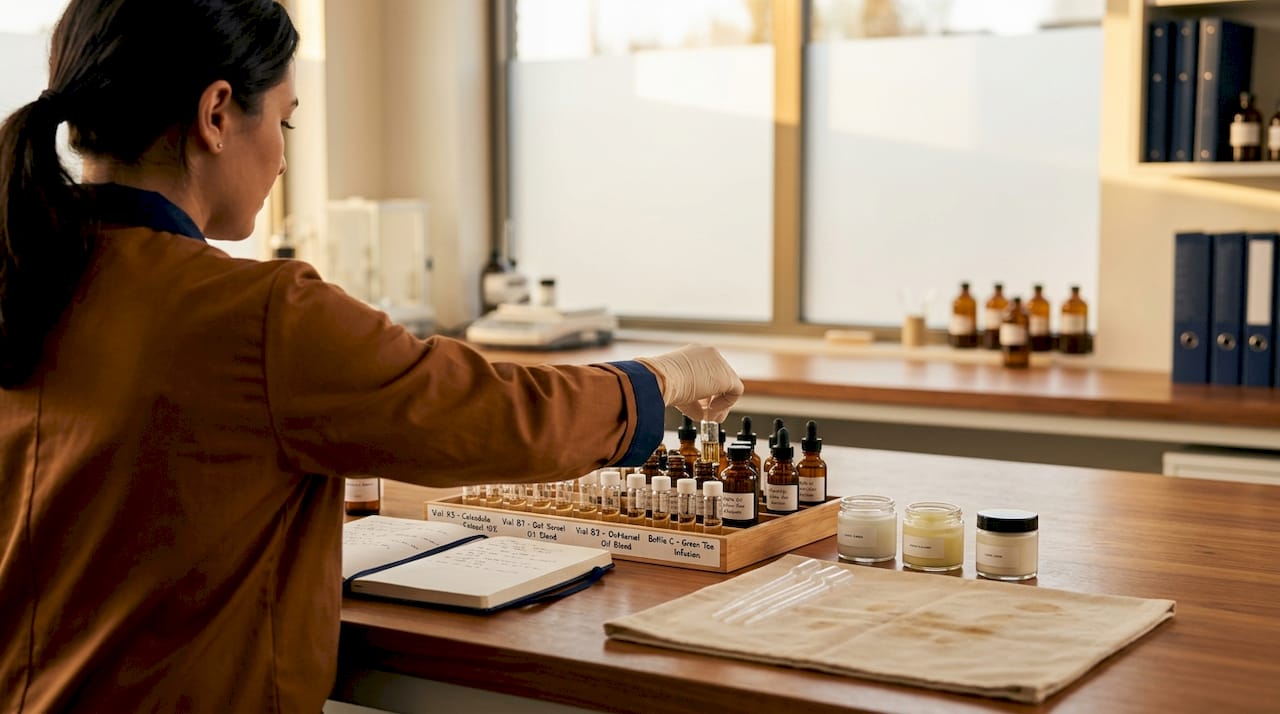
Premium vs. regular skincare: where it actually matters
Not every product category benefits equally from premium pricing. This is one of the most practical distinctions you can make, and it saves you money without sacrificing results.
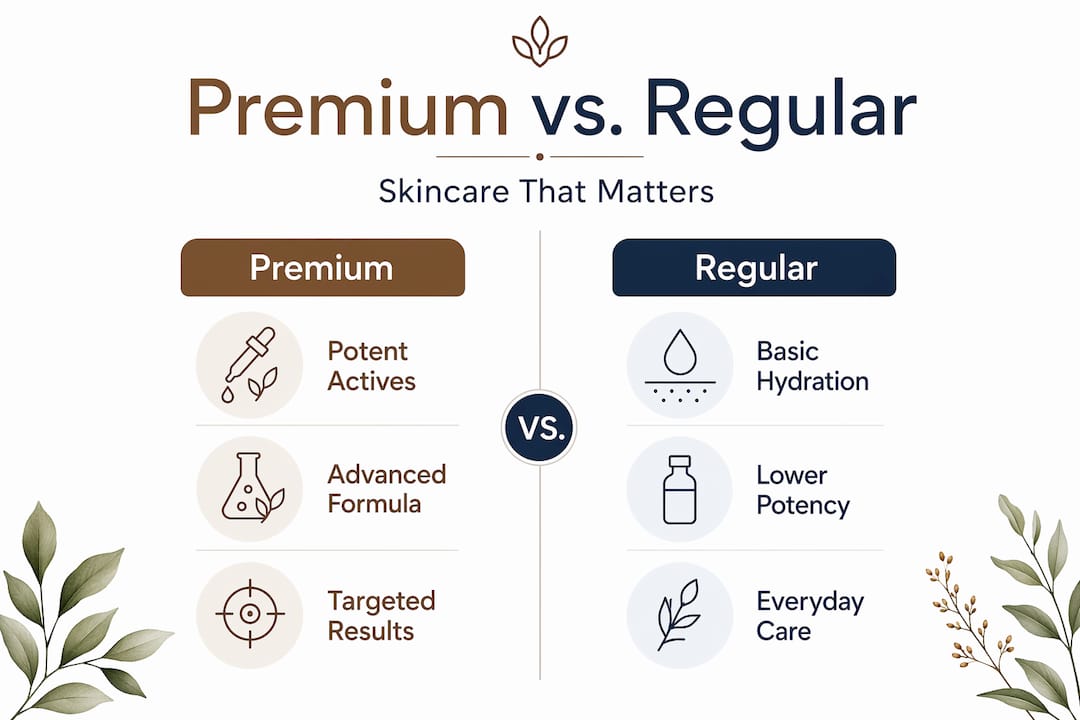
Here is a quick comparison of where premium is and is not worth the investment:
| Product category | Premium justified? | Why |
|---|---|---|
| Serums and targeted treatments | Yes | Potency, stability, and delivery technology directly impact results |
| Moisturizers with ceramides or hyaluronic acid | Sometimes | Affordable options with the right ingredients often perform comparably |
| Cleansers | Rarely | Washed off too quickly for expensive actives to penetrate |
| SPF / sunscreen | Depends | Broad-spectrum formulas matter; premium not always necessary |
| Eye creams | Sometimes | Thin skin benefits from gentle, high-quality actives |
The expert consensus is clear: basic moisturizers with hyaluronic acid or ceramides can be highly effective at lower price points, while serums are where premium pricing is most justified by superior delivery and ingredient potency.
There is also the sensory experience factor. Premium packaging creates a genuine emotional connection with the user, and daily rituals that feel pleasurable lead to better consistency. But sensory satisfaction and skin health outcomes are separate conversations. Enjoying the experience of a product is real value. Assuming that experience equals clinical efficacy is where people go wrong.
A few things to watch for when comparing products:
- Marketing language like “youth-activating” or “age-defying” means nothing without ingredient data behind it.
- Fragrance in expensive products is often added purely for the sensory experience and can trigger irritation, especially in sensitive skin types.
- The order of ingredients on a label is not arbitrary. Ingredients appear from highest to lowest concentration, so if your “peptide serum” lists peptides near the bottom, they are present in trace amounts.
How to choose premium skincare products wisely
Knowing what premium skincare means is one thing. Translating that into smart purchasing decisions is another. These steps will help you cut through marketing noise and pick products that are worth your money.
-
Read the ingredient list, not the front label. The front of the bottle is marketing. The ingredient list is science. Active ingredients should appear in the top five to seven positions on the label to be present at a meaningful concentration.
-
Look for delivery technology mentions. Terms like “encapsulated retinol,” “liposomal vitamin C,” or “time-release peptides” signal that the brand has invested in keeping actives stable and effective. These are not just buzzwords when backed by clinical trials and dermatological testing.
-
Match the product to a specific skin concern. Premium skincare is most worth it when you have a defined goal: reducing hyperpigmentation, improving firmness, or accelerating cell renewal. If you are buying premium just as a general moisturizer, you may be spending more than you need to.
-
Check for clinical study references. High-end skincare brands that invest in research will often reference clinical outcomes on their product pages, for example, “87% of users saw improved firmness in 8 weeks.” Specific, time-bound claims tied to study data are more credible than vague benefit statements.
-
Avoid the “more expensive is better” trap. Some of the most effective serums for anti-aging come from brands that prioritize ingredient quality over elaborate packaging, and they sit at the lower end of the premium tier. Price is a signal, not a guarantee.
Pro Tip: Start your premium skincare investment with one well-formulated serum targeting your primary concern. Master that product, assess your results over 8 to 12 weeks, and then build from there. Stacking five premium products at once makes it impossible to know what is actually working.
Building a routine that maximizes your results
Even the most precisely formulated premium product will underperform if your lifestyle habits undermine your skin’s ability to regenerate. This is where most people leave visible results on the table.
Dermatologists have been shifting toward what is now called longevity skin care, a philosophy centered on long-term skin resilience through consistent, research-backed habits rather than chasing quick fixes. The shift away from “anti-aging” language reflects a real change in clinical thinking. Sustainable skin health is built over years, not weeks.
Here is what a complete, results-driven approach looks like beyond the products themselves:
- Daily SPF is non-negotiable. UV exposure degrades collagen, causes hyperpigmentation, and counteracts every active ingredient you apply in the morning. Premium vitamin C and SPF together is a research-backed pairing for sun damage prevention.
- Hydration from the inside out. Drinking adequate water and supporting your skin barrier with ceramide-based moisturizers keeps cells functioning optimally. No serum compensates for chronic dehydration.
- Balanced nutrition supports your regimen. Antioxidant-rich diets reduce oxidative stress, which is one of the primary drivers of visible skin aging. Omega-3 fatty acids support barrier integrity.
- Professional treatments amplify at-home results. Effective premium regimens integrate professional in-office treatments alongside high-quality at-home products for lasting improvement. Chemical peels, microneedling, and laser treatments work in a way that topical products cannot replicate on their own.
- Consistency beats intensity. Using your serum three days a week for twelve weeks delivers better results than using it daily for two weeks and then stopping. Skin renewal cycles run on a monthly rhythm.
My honest take on premium skincare
I have reviewed hundreds of skincare products and sat through a lot of brand presentations that promise the world on the basis of one patented molecule. My experience has taught me one clear lesson: ingredient science matters far more than the brand attached to it.
The most common mistake I see is people spending $200 on a moisturizer because the brand is prestigious, while using a basic vitamin C serum with a 3% concentration that does almost nothing. The hierarchy should be flipped. Invest heavily in your actives, specifically your serums and targeted treatments, and you can often spend far less on your supporting products.
That said, I do not think luxury is meaningless. A product you genuinely love using, one that smells beautiful and feels satisfying to apply, is a product you will actually reach for every morning. Ritual adherence is real, and it matters. Just know what you are paying for.
My practical advice: spend premium on one or two products that directly target your primary concern, use good-but-affordable options for everything else, and treat consistency as the most important ingredient in your entire routine. If you approach building a skincare routine with that mindset, you will outperform most people spending twice as much with no clear strategy.
— Sara
Cellure’s approach to premium skincare done right
If the science described throughout this article sounds like exactly what you have been looking for, Cellure’s product line was built around these principles. Every formula in the Cellure range uses clinically supported bioactive ingredients at meaningful concentrations, with delivery systems designed to maintain stability and efficacy through every use.
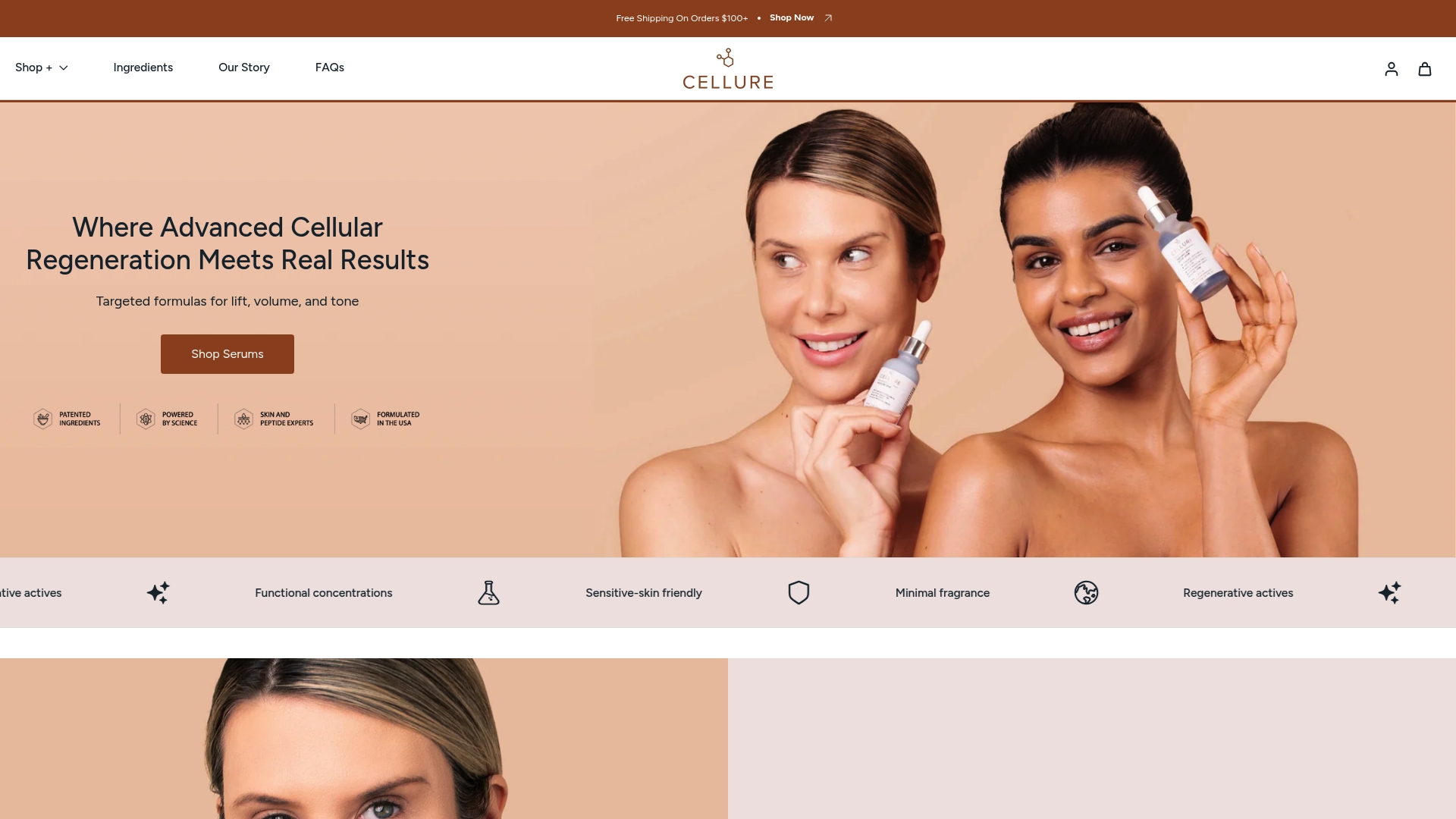
The Complete Skin Repair Kit brings together targeted serums formulated with peptides, tranexamic acid, and polynucleotides to address firmness loss, uneven tone, and cellular renewal in one regimen. It is designed for people who want a research-backed routine without having to piece together individual products and hope they are compatible. If you are ready to invest in premium skincare that is built on ingredient science rather than packaging, this is the place to start.
FAQ
What makes a skincare product truly premium?
Premium skincare is defined by higher concentrations of clinically proven actives, sophisticated formulation technology that maintains ingredient stability, and investment in clinical testing and R&D. Price alone does not make a product premium.
Is premium skincare worth the cost for everyone?
Not across every category. Serums and targeted treatments justify premium pricing through ingredient potency and delivery technology, while basic moisturizers and cleansers often perform comparably at lower price points.
Which ingredients should I look for in premium skincare?
Look for vitamin C at 10% to 20%, encapsulated retinol, multi-weight hyaluronic acid, peptides, and niacinamide at 2% to 5%. These actives have the strongest clinical support for visible skin improvement.
How do I know if an expensive product is actually effective?
Check that the key actives appear in the top five to seven ingredients on the label, look for clinical study references with specific outcome data, and verify that the formula includes a delivery or stabilization technology for sensitive actives like vitamin C or retinol.
What is the difference between premium and luxury skincare?
Premium skincare typically falls in the $36 to $50 price range and focuses on ingredient efficacy and clinical performance. Luxury or luxe skincare is priced above $80 and often adds extensive sensory, packaging, and brand prestige elements on top of the formulation quality.
Recommended
Share