


Skin Strengthening Serum: What It Is and How It Works
TL;DR:
- A skin strengthening serum is a lightweight, concentrated formula that delivers active ingredients like peptides, ceramides, and antioxidants to improve skin barrier function. Regular use enhances firmness, hydration, and reduces sensitivity over 8 to 12 weeks by promoting collagen production and preventing water loss. Proper application involves use on clean, damp skin with a small amount, tapping gently before sealing with moisturizer for best results.
A skin strengthening serum is a concentrated, lightweight formula designed to fortify the skin’s barrier, boost elasticity, and resist the visible effects of aging. Unlike a standard moisturizer, these serums deliver bioactive ingredients like peptides, ceramides, and antioxidants directly into the deeper layers of the skin. The industry term you’ll see in clinical contexts is “barrier repair serum,” though “skin strengthening serum” captures the same goal. If you’re between 25 and 55 and noticing early firmness loss or dullness, understanding what is skin strengthening serum and how it works is the most direct path to choosing something that actually delivers results.
What is a skin strengthening serum and how does it work?
A skin strengthening serum works by delivering high concentrations of active ingredients into the epidermis, where they reinforce the skin’s natural defenses and slow the structural changes that cause aging. Serums have smaller molecules than moisturizers, which allows active ingredients like peptides and ceramides to penetrate deeper skin layers and strengthen the barrier more effectively than a cream alone. That molecular advantage is what separates a serum from a lotion in terms of real biological impact.
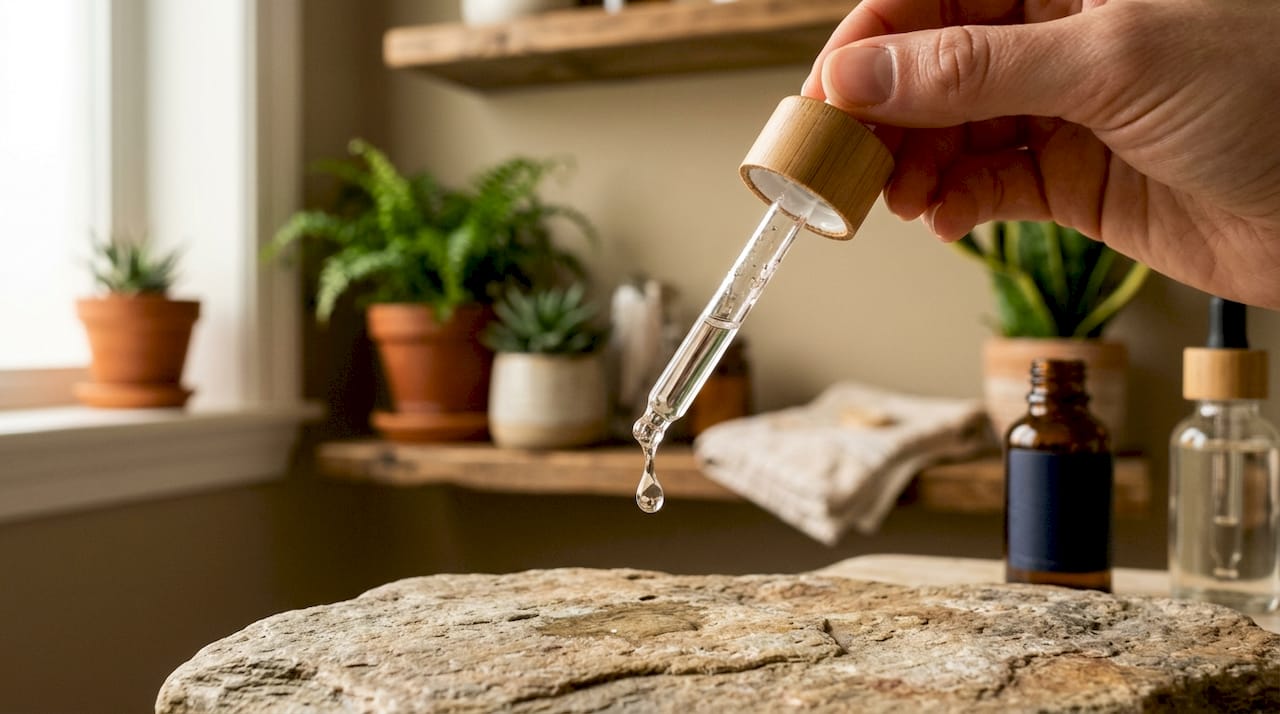
The skin barrier controls transepidermal water loss, which is the rate at which moisture escapes through the outer skin layer. A weakened barrier accelerates this loss, and the result shows up as fine lines, dullness, and increased sensitivity. Strengthening the barrier with ceramides slows collagen breakdown by locking moisture in, making barrier repair more effective for long-term elasticity than any single anti-aging ingredient used alone.
Here is what the core ingredients actually do at the skin level:
- Peptides signal fibroblast cells to produce more collagen, directly supporting firmness and repair.
- Ceramides fill the gaps between skin cells, reducing water loss and shielding against environmental stress.
- Antioxidants (vitamin C, vitamin E) neutralize free radicals from UV exposure and pollution before they degrade collagen.
- Hyaluronic acid draws water into the skin and holds it there, creating visible plumping within hours of application.
- Niacinamide calms inflammation and reinforces the lipid barrier, making it especially useful for reactive or aging skin.
Pro Tip: If you’re new to serums, start with a formula that combines ceramides and niacinamide. This pairing repairs the barrier while calming any existing sensitivity, giving other actives a better environment to work in.
What are the benefits of using a skin strengthening serum regularly?
Regular use of a skin strengthening serum produces measurable changes in skin texture, firmness, and hydration. The benefits are not cosmetic tricks. They reflect real biological changes in the skin’s structure and moisture retention capacity.
The most consistent benefits people report with sustained use include:
- Improved elasticity and firmness. Peptides stimulate collagen synthesis over time, which is the protein responsible for skin’s snap-back quality. Skin that has lost firmness due to aging or sun exposure responds well to consistent peptide exposure.
- Reduced fine lines and surface texture. Visible improvements in tone and texture typically appear within 2–4 weeks of consistent use. That timeline reflects surface-level hydration and barrier repair rather than deep structural change.
- Enhanced hydration and plumper appearance. Hyaluronic acid and ceramides work together to keep moisture inside the skin cell layers, which creates a fuller, more rested look without any cosmetic filler.
- Reduced sensitivity and redness. Niacinamide and panthenol calm the inflammatory response that comes with a compromised barrier. People with reactive skin often notice fewer flare-ups within the first month.
- Stronger defense against environmental aging. Antioxidants in the formula reduce the daily oxidative damage from UV rays and pollution that quietly degrades collagen over years.
Significant collagen and barrier structural changes require 8–12 weeks of consistent use. That timeline is not a marketing caveat. It reflects how long it takes for fibroblast activity and ceramide production to visibly shift at the cellular level. Patience is not optional here. It is the mechanism.
How to use skin strengthening serums for maximum effectiveness
Application technique determines whether a serum works or sits on top of your skin doing very little. The difference between people who see results and those who don’t often comes down to consistent, correct serum layering rather than the formula itself.
Follow this sequence every time:
- Cleanse first. Remove makeup, sunscreen, and surface debris so the serum reaches skin cells rather than sitting on a layer of residue.
- Apply to slightly damp skin. Damp skin improves absorption compared to dry skin. Apply within 30 seconds of rinsing or after a toner.
- Use 2–4 drops. That quantity covers the face and neck without waste. Using more than 4 drops causes the product to layer inefficiently, which leads to pilling under your moisturizer and reduces how much active ingredient actually absorbs.
- Tap, don’t rub. Press the serum into skin with your fingertips using a gentle tapping motion. Rubbing drags the product across the surface rather than pressing it in.
- Seal with moisturizer. Apply your moisturizer immediately after the serum while it is still slightly tacky. This locks in the actives and prevents the moisture the serum attracted from evaporating.
- Serum always before moisturizer. Applying serum after a heavy cream restricts absorption because the cream creates a physical barrier the serum cannot penetrate. Layer from thinnest to thickest texture every time.
For timing, morning application pairs well with antioxidant-rich serums that protect against daytime UV and pollution. Evening application suits peptide and ceramide formulas that support overnight repair. You can use both if the formulas are compatible, but apply them in order of texture thinness and avoid combining actives that conflict, such as vitamin C with niacinamide at high concentrations.
Pro Tip: If your serum is pilling under your moisturizer, you are either using too much product or not waiting long enough between layers. Give the serum 60 seconds to absorb before applying anything on top.
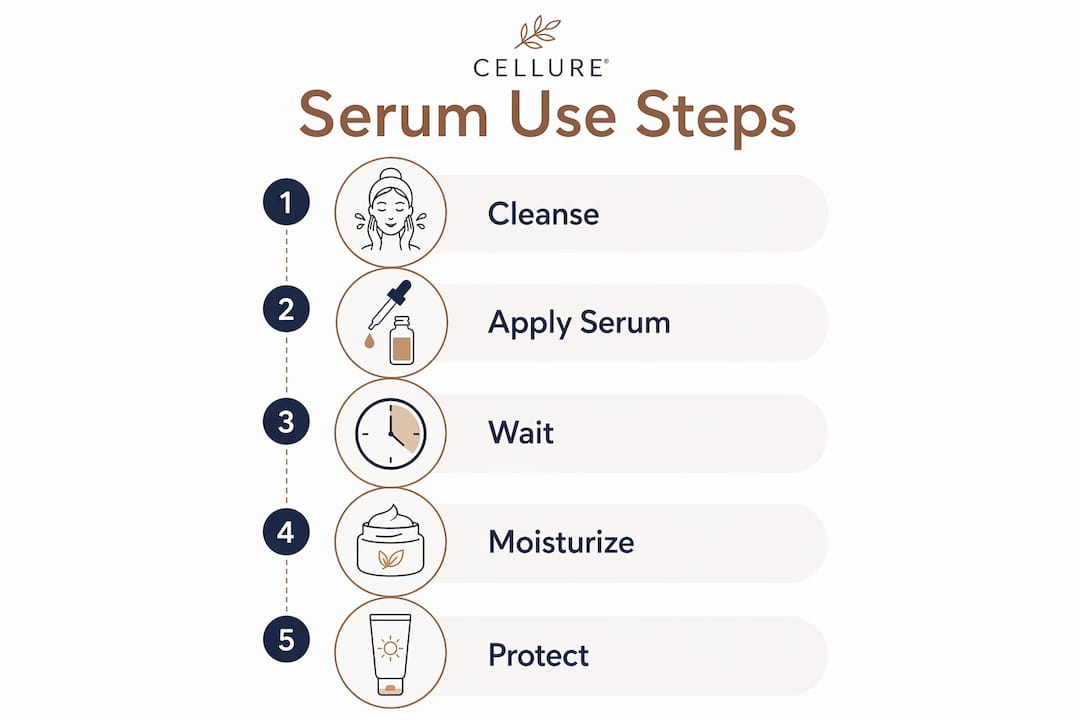
For a detailed walkthrough of the full routine, Cellure’s step-by-step application guide covers the exact sequence with timing notes.
What ingredients should you look for in a skin strengthening serum?
The ingredient list tells you more about a serum’s real potential than any marketing claim on the packaging. Not all actives are equal, and the right combination depends on your skin’s specific concerns.
| Ingredient | Primary benefit | Best for |
|---|---|---|
| Peptides | Stimulate collagen production and repair | Loss of firmness, fine lines |
| Ceramides | Reinforce the lipid barrier, reduce water loss | Dryness, sensitivity, aging |
| Niacinamide | Calm inflammation, support barrier function | Redness, reactive skin, uneven tone |
| Hyaluronic acid | Attract and retain moisture, plump skin | Dehydration, dullness, surface lines |
| Vitamin C | Neutralize free radicals, brighten tone | Sun damage, uneven pigmentation |
| Vitamin E | Protect against oxidative stress, soothe skin | Environmental aging, dry skin |
| Panthenol | Soothe and support barrier recovery | Sensitive or compromised skin |
Peptides and ceramides are the non-negotiable core of any effective skin strengthening serum. Niacinamide reduces inflammation and supports barrier function, making it one of the most versatile actives for adults dealing with both aging and sensitivity. Hyaluronic acid enhances hydration and plumps skin, but it works best when sealed in with a moisturizer rather than left exposed to dry air.
For people with sensitive or reactive skin, barrier repair serums that exclude fragrances, oils, and potential irritants are the safest starting point. Ingredients like panthenol and allantoin soothe and support recovery without triggering inflammation. Cellure’s sensitive skin serum guide breaks down which actives are safe for compromised skin and which to introduce gradually.
If you want to go deeper on one of the most studied actives in this category, the benefits of peptides for skin are well documented and worth understanding before you buy.
Key Takeaways
A skin strengthening serum works by delivering peptides, ceramides, and antioxidants into the deeper skin layers to repair the barrier, reduce water loss, and stimulate collagen over 8–12 weeks of consistent use.
| Point | Details |
|---|---|
| Serums penetrate deeper than creams | Smaller molecules carry actives past the surface layer where moisturizers stop. |
| Barrier repair is the core mechanism | Ceramides reduce transepidermal water loss, which slows collagen breakdown and fine line formation. |
| Application technique matters | Use 2–4 drops on damp skin, tap gently, and always apply before moisturizer for full absorption. |
| Results follow a two-phase timeline | Surface texture improves in 2–4 weeks; structural collagen changes take 8–12 weeks. |
| Ingredient choice should match your skin | Peptides for firmness, niacinamide for sensitivity, hyaluronic acid for hydration. |
What I’ve learned after years of watching people use serums wrong
The most common mistake I see is treating a serum like a moisturizer. People pump out too much, rub it in quickly, and then wonder why nothing changes after three weeks. The biology of skin strengthening does not work on a three-week clock for structural results. Surface hydration improves fast. Real firmness and barrier repair take longer, and that timeline is fixed by how skin cells actually regenerate.
The second mistake is ingredient chasing. People read about polynucleotides or tranexamic acid and immediately want the most complex formula available. But a serum with five well-chosen actives at effective concentrations outperforms a serum with fifteen ingredients at trace levels every time. Complexity is not the same as efficacy.
What I’ve found actually works is this: pick a formula built around ceramides and peptides, apply it correctly every single day for at least 12 weeks, and resist the urge to switch products mid-cycle. Your skin cannot show you the results of an ingredient it only received for six weeks. Consistency is the variable most people underestimate, and it is the one that costs nothing extra.
Serums are not a replacement for sunscreen, sleep, or nutrition. They are a targeted tool for one specific job: reinforcing the skin’s structure from the inside out. Used correctly, they are one of the most effective tools in a mature skincare routine. Used carelessly, they are an expensive habit with no payoff.
— Sara
Cellure’s Complete Skin Repair Kit for skin strengthening
Cellure built the Complete Skin Repair Kit specifically for people dealing with firmness loss, uneven tone, and barrier damage. The kit combines a targeted serum with complementary products, each formulated with the bioactive ingredients covered in this article: peptides for collagen support, ceramides for barrier reinforcement, and calming actives for sensitive or reactive skin.
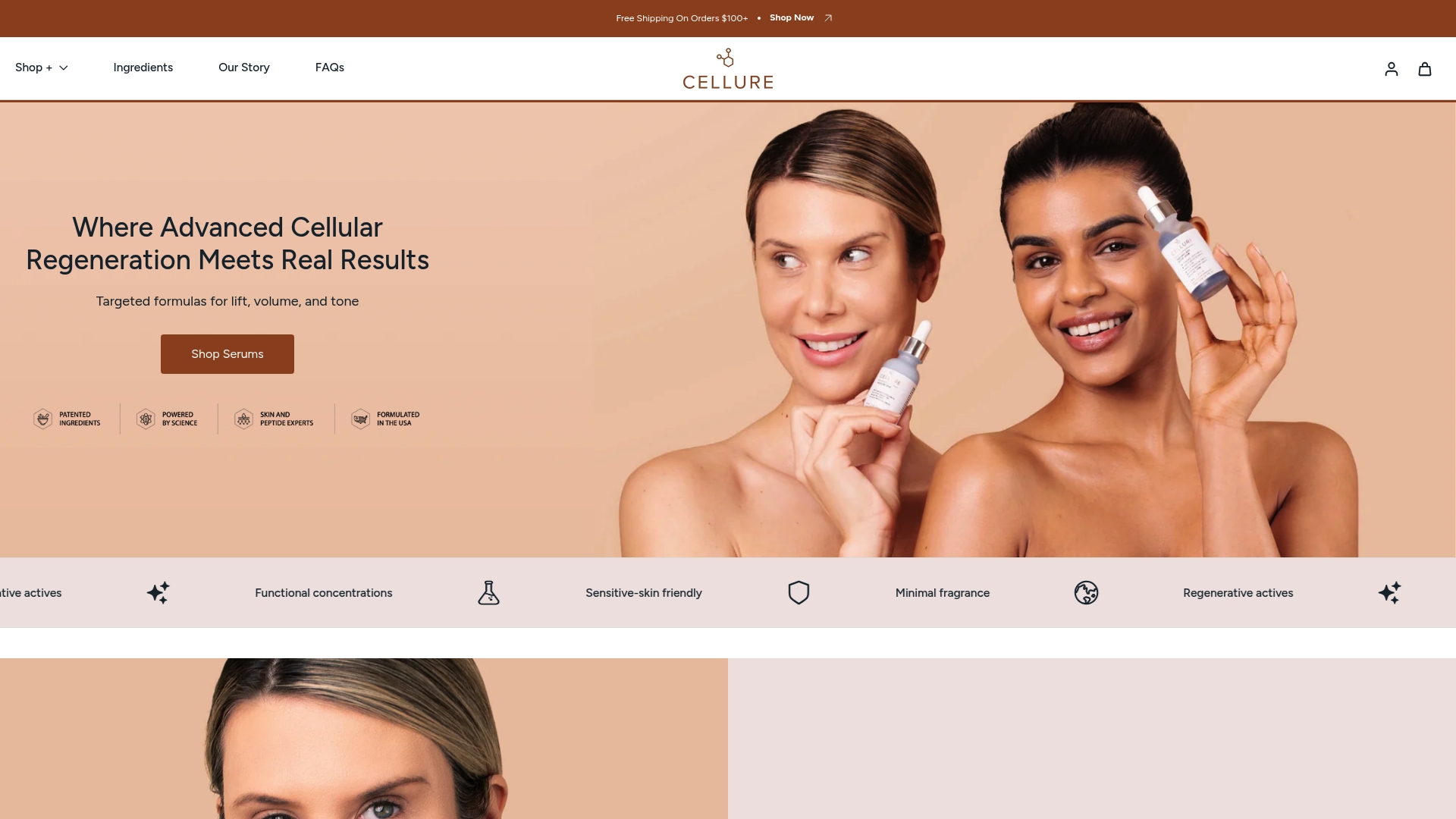
Every formula in the kit is designed for daily use and suitable for all skin types, including reactive skin that struggles with stronger actives. The science behind each ingredient is documented on the product page, so you can verify what you’re putting on your skin before you commit. If you’re ready to move from research to results, the Complete Skin Repair Kit is a practical starting point built on the same principles this article covers.
FAQ
What is a skin strengthening serum?
A skin strengthening serum is a concentrated, lightweight formula that delivers active ingredients like peptides, ceramides, and antioxidants into the skin to reinforce the barrier, improve elasticity, and reduce signs of aging.
Do skin serums really work for firming and elasticity?
Yes. Serums work because their small molecular structure allows actives to penetrate deeper than creams. Peptides stimulate collagen production and ceramides reduce water loss, both of which directly improve firmness over time.
How long does it take to see results from a skin strengthening serum?
Surface improvements in texture and hydration appear within 2–4 weeks. Structural changes to the barrier and collagen levels require 8–12 weeks of consistent daily use.
What is the correct order to apply a skin serum?
Apply serum after cleansing on slightly damp skin, before moisturizer. Layering serum after a heavy cream blocks absorption and significantly reduces its effectiveness.
Can people with sensitive skin use a skin strengthening serum?
Yes. Serums formulated without fragrances, oils, or irritants and built around ceramides, niacinamide, and panthenol are safe and beneficial for sensitive or reactive skin types.