


Evidence-Based Serums: Clinical Examples That Actually Work
TL;DR:
- Clinically validated serums use proven ingredients like niacinamide, GHK-Cu, hyaluronic acid, and retinal backed by extensive research. Combining multiple active ingredients enhances skin regeneration, hydration, pigmentation, and barrier repair more effectively than single-actives. The Cellure Complete Skin Repair Kit exemplifies this approach, targeting multiple aging pathways with transparent, clinically supported formulations.
What are the best examples of evidence-based serums?
The strongest clinically validated serums on the market today are built around four ingredients with decades of peer-reviewed research behind them: niacinamide, copper tripeptide-1 (GHK-Cu), hyaluronic acid, and retinal. These aren’t trending actives waiting for long-term data. They have it. Each one has been tested in double-blind, placebo-controlled trials, and the results hold up across multiple independent studies.
Here’s what the clinical evidence shows for each core active:
- Niacinamide: Improves barrier function, reduces pigmentation, and minimizes pore appearance. Double-blind trials confirm visible improvements in skin texture and tone with strong tolerability even for sensitive skin.
- Copper Tripeptide-1 (GHK-Cu): Backed by over 50 years of research, GHK-Cu stimulates collagen synthesis and supports wound healing. The copper ion is essential to its mechanism.
- Hyaluronic Acid: Randomized controlled trials show topical HA serums significantly improve skin hydration and, when used alongside botulinum toxin, extend wrinkle reduction for up to six months.
- Retinal: The aldehyde form of vitamin A converts to retinoic acid faster than retinol, promoting collagen and elastin production. Vehicle-controlled trials show results comparable to prescription tretinoin with less irritation.
Pro Tip: Multi-ingredient serums that combine niacinamide, GHK-Cu, and hyaluronic acid address collagen synthesis, pigmentation, and hydration simultaneously, covering more aging pathways than any single-active formula can.
The Cellure Complete Skin Repair Kit is one example of a formulation built on this multi-active principle, pairing peptides with niacinamide and polynucleotides for cellular-level repair.
Table of Contents
- How does the clinical science behind each ingredient hold up?
- Which evidence-based serums are available in the US market?
- How do you choose and use evidence-based serums effectively?
- How Cellure approaches evidence-backed serum formulation
- Key Takeaways
- Cellure’s Complete Skin Repair Kit puts clinical science to work
How does the clinical science behind each ingredient hold up?
Niacinamide: the barrier and pigmentation workhorse
Niacinamide is one of the most studied topical actives in dermatology, as detailed in this evidensbaseret guide til anti-aging og velvære. At 5%, it improves skin texture and tone within 8–12 weeks in controlled trials, and it penetrates the outer skin layer to reduce melanin transfer between cells. Compared to hydroquinone, niacinamide produces fewer side effects in melasma treatment while delivering comparable pigmentation reduction. That tolerability profile is why dermatologists recommend it across skin types, including reactive and post-procedure skin.
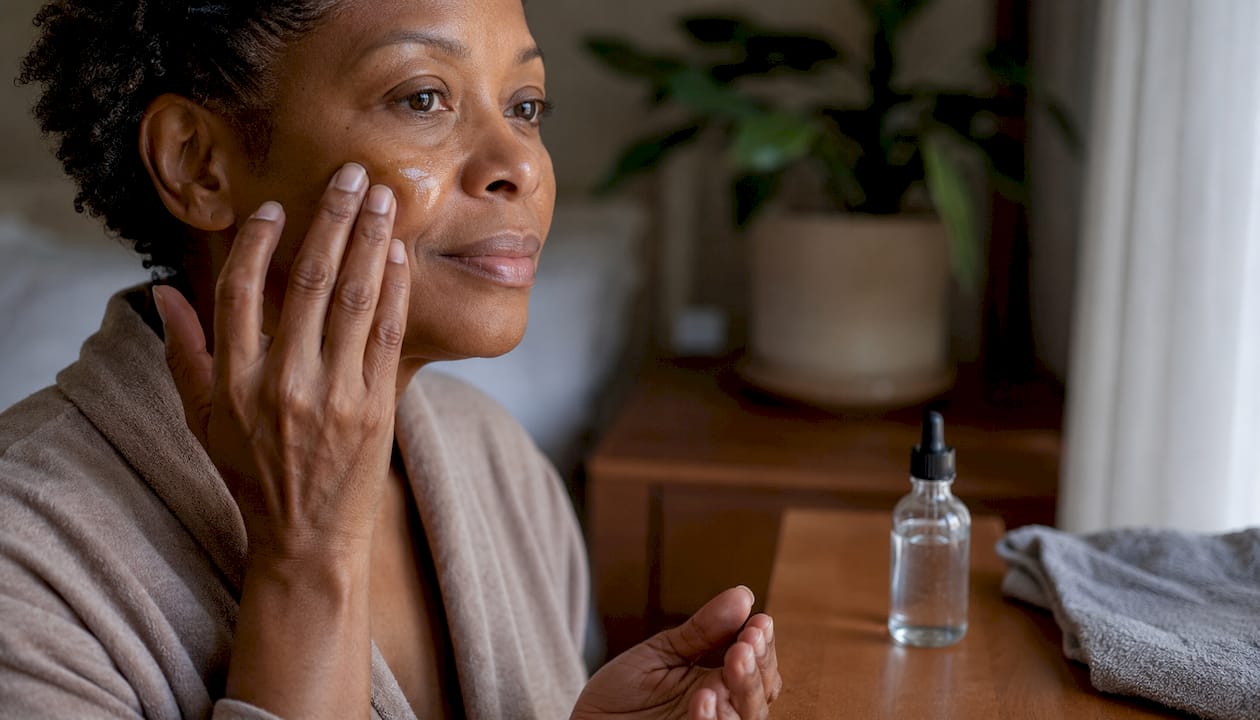
The concentration range used in clinical studies is where the evidence is strongest. Going higher doesn’t proportionally increase benefit and can cause flushing in some people. Formulation matters too: water-based serums with a slightly acidic pH tend to deliver niacinamide more effectively than heavier creams.
Copper Tripeptide-1: slow build, lasting results
GHK-Cu works differently from most anti-aging actives. Rather than exfoliating or blocking pigment transfer, it signals the skin to produce more collagen and repair damaged tissue. The copper ion is not decorative. Without it, the GHK peptide chain loses its regenerative properties entirely, which is why copper ion presence is non-negotiable for efficacy.
Dermatologists note that visible improvements from copper peptide serums typically appear after 12–16 weeks of consistent use. This is not a quick-fix ingredient. People who expect overnight results tend to abandon it before the collagen remodeling cycle completes. For long-term skin maintenance, though, the evidence is solid.
Hyaluronic acid: hydration and more
Hyaluronic acid naturally declines in the skin starting around age 25, and topical HA serums partially compensate for that loss. The clinical record here is extensive. Multiple randomized controlled trials confirm HA serums improve hydration, skin elasticity, and surface quality, and they’re well tolerated even after procedures. One RCT found that applying a HA-filler serum twice daily for 24 weeks after botulinum toxin injection extended the wrinkle-reducing effect beyond what the toxin alone achieved.
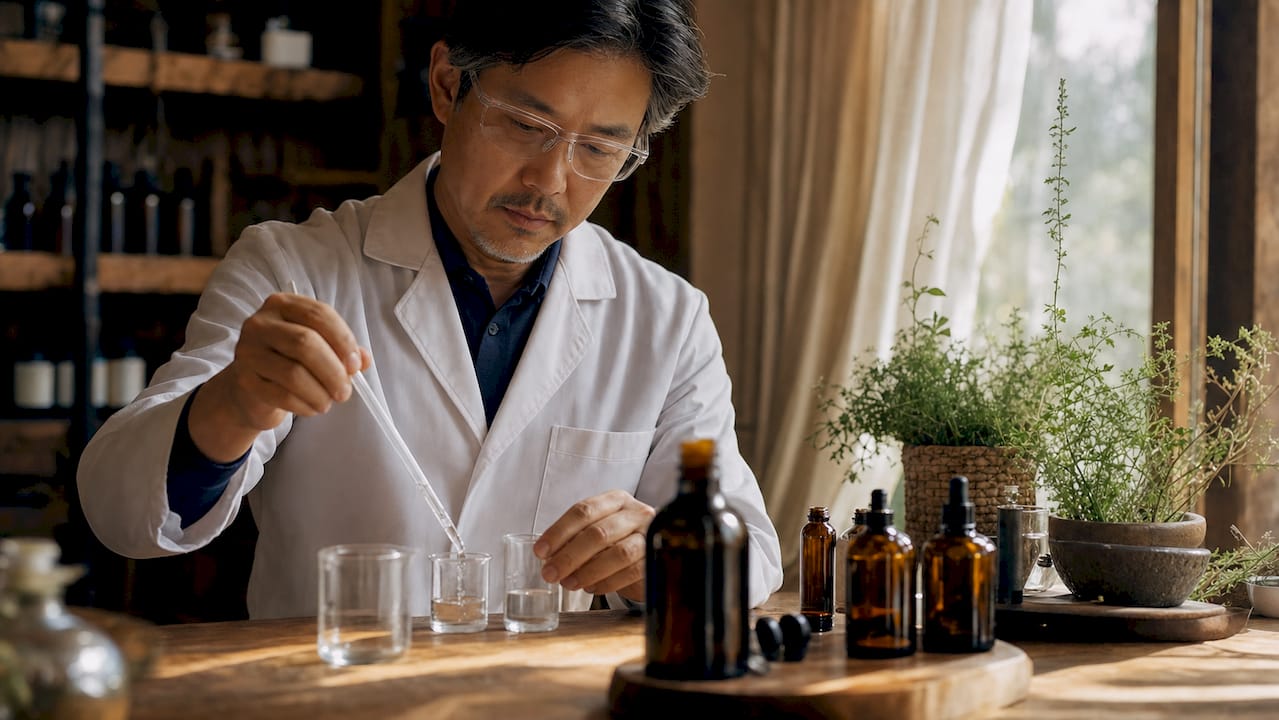
HA works across molecular weights. Low-molecular-weight HA penetrates deeper into the dermis, while high-molecular-weight HA sits on the surface and forms a moisture-retaining film. The best-formulated serums use both types.
Retinal: the underused vitamin A upgrade
Most people know retinol. Fewer use retinal, which sits one conversion step closer to retinoic acid in the vitamin A pathway. That shorter conversion means faster results and, in practice, less irritation than prescription tretinoin. Double-blind trials show retinol derivatives perform comparably to tretinoin for wrinkle depth and skin texture over 12 weeks. Retinal specifically delivers those results at lower concentrations, making it a practical choice for people who’ve struggled with retinol sensitivity.
The evidence on retinoids consistently shows collagen and elastin stimulation, accelerated cell turnover, and measurable reduction in fine line depth. Start at 0.05% and increase gradually. Nightly use is standard; daytime application without SPF protection negates most of the benefit.
| Ingredient | Clinically proven benefits | Optimal concentration | Key study type |
|---|---|---|---|
| Niacinamide | Barrier repair, pigmentation reduction, pore minimization | 2–5% | Double-blind, placebo-controlled |
| Copper Tripeptide-1 (GHK-Cu) | Collagen synthesis, wound healing, skin regeneration | 0.01–1% | Controlled clinical trials |
| Hyaluronic Acid | Hydration, elasticity, wrinkle reduction duration | Variable (multi-weight) | Randomized controlled trials |
| Retinal | Collagen/elastin production, cell turnover, fine line reduction | 0.05% | Vehicle-controlled RCTs |
Clinical note: Effective serum formulation balances active ingredient concentration for both efficacy and tolerability. Higher doses don’t always mean better results and can increase irritation without proportional benefit. Double-blind trials and clinical lab testing consistently show 5% wrinkle reduction and improved brightness for niacinamide-based serums after one month of use.
Which evidence-based serums are available in the US market?
Concrete examples of evidence-based skincare products in the US market span a range of price points and formulation approaches. The table below covers serums built around the four clinically validated actives, with the comparison columns that matter most for a purchasing decision.
| Serum type | Key active ingredient(s) | Proven clinical benefits | Suitable skin types | Price range (US) | US availability |
|---|---|---|---|---|---|
| Niacinamide serum | Niacinamide 5% | Barrier repair, tone evening, pore reduction | All, including sensitive | — | Widely available (drugstores, online) |
| Copper peptide serum | GHK-Cu 0.01–1% | Collagen synthesis, skin regeneration | Normal, dry, mature | — | Specialty retailers, online |
| Hyaluronic acid serum | Multi-weight HA | Deep and surface hydration, elasticity | All skin types | — | Widely available |
| Retinal serum | Retinal 0.05% | Fine line reduction, cell turnover | Normal to dry, not reactive | — | Specialty retailers, online |
| Multi-active repair kit | Peptides, niacinamide, polynucleotides | Collagen, hydration, brightening, barrier | All skin types | — | Online (Cellure) |
A few points worth knowing about each category:
- Niacinamide serums are the most accessible entry point. The clinical evidence at 5% is strong, the price is low, and the tolerability is high. A Good Housekeeping Beauty Lab test found a 5% reduction in wrinkle appearance and improved skin brightness within four weeks of using a niacinamide-based formula.
- Copper peptide serums require patience. The 12–16 week timeline before visible results is a real commitment, but the collagen-building mechanism is one of the few topical approaches with genuine long-term structural evidence.
- Hyaluronic acid serums are the safest bet for immediate, visible hydration improvement. They layer well under other actives and rarely cause reactions.
- Retinal serums deliver faster anti-aging results than retinol at equivalent concentrations. They’re worth the higher price for anyone who’s plateaued on retinol or wants to avoid prescription-strength irritation.
- Multi-active kits like the Cellure Complete Skin Repair Kit address multiple aging pathways at once, combining peptides, niacinamide, and polynucleotides in a single protocol.
Expert formulators consistently favor multi-peptide serums that combine copper peptides, niacinamide, and hyaluronic acid over single-ingredient products, precisely because aging involves multiple simultaneous processes.
How do you choose and use evidence-based serums effectively?
Matching serums to your skin concerns
Start with your primary concern. If uneven tone and enlarged pores are the issue, a 5% niacinamide serum is the most evidence-backed starting point. For visible fine lines and loss of firmness, retinal or a copper peptide serum addresses the structural cause. Dry or dehydrated skin responds fastest to a multi-weight hyaluronic acid serum. If you’re dealing with multiple concerns simultaneously, a multi-active serum protocol that layers complementary actives tends to outperform any single product.
Concentration matters as much as ingredient choice. A niacinamide serum at 2% will produce some benefit, but the clinical evidence clusters around 5%. A copper peptide serum needs to hit at least 0.01% GHK-Cu with confirmed copper ion content to do anything meaningful.
Application order and layering
Apply serums after cleansing and before moisturizer, on slightly damp skin when possible. Thinner, water-based serums go first; thicker, oil-based formulas go last before moisturizer. Hyaluronic acid serums work best applied to damp skin and sealed immediately with a moisturizer to prevent the HA from drawing moisture out of the skin in dry climates.
Retinal and copper peptide serums should not be used in the same routine as high-strength vitamin C (L-ascorbic acid at low pH), since the pH conflict can destabilize both actives. Use vitamin C in the morning and retinal or copper peptides at night.
Usage frequency and side effects
- Niacinamide: Twice daily, morning and evening. Side effects are rare at 5%; occasional flushing occurs at higher concentrations.
- Hyaluronic acid: Twice daily. No known irritation risk at standard concentrations.
- Copper peptide serums: Once daily, preferably at night. Avoid combining with strong acids or vitamin C on the same application.
- Retinal: Start with two to three nights per week, then increase to nightly over four to six weeks as tolerance builds. Always follow with SPF the next morning.
Pro Tip: When introducing a new active ingredient, add it to your routine one at a time and wait two weeks before adding another. This makes it much easier to identify the source if any irritation occurs.
Possible side effects worth knowing: retinal can cause dryness, peeling, and temporary redness during the adjustment period. Copper peptide serums occasionally cause mild tingling. Both are usually transient. If irritation persists beyond two weeks, reduce frequency before discontinuing entirely.
How Cellure approaches evidence-backed serum formulation
Cellure’s product line is built on the same clinical framework this article describes, but taken a step further with ingredients like polynucleotides and tranexamic acid that most standard serums don’t include. Polynucleotides, derived from salmon DNA, support cellular repair and skin regeneration at a level that peptides alone can’t reach. Tranexamic acid targets hyperpigmentation through a different pathway than niacinamide, making the two actives genuinely complementary rather than redundant.
The Cellure Complete Skin Repair Kit combines these actives into a single protocol designed for people dealing with multiple aging concerns at once. The formulation pairs GHK-Cu and niacinamide with polynucleotides, addressing collagen synthesis, pigmentation, and cellular repair simultaneously. Cellure’s approach reflects what the clinical literature consistently shows: multi-active formulations that target several aging pathways outperform single-ingredient products for most people.
Key features of Cellure’s serum formulations:
- Clinically supported peptides including GHK-Cu at efficacious concentrations
- Niacinamide for barrier repair and pigmentation control
- Polynucleotides for cellular regeneration, an ingredient class with growing clinical support
- Tranexamic acid for targeted brightening alongside niacinamide
- Gentle, pH-balanced formulas suitable for all skin types, including reactive and post-procedure skin
- No reliance on fragrance or filler actives that inflate ingredient lists without clinical backing
Cellure’s formulations are designed around the principle that skin repair happens at the cellular level. Combining peptides, polynucleotides, and niacinamide in a single protocol means addressing collagen synthesis, pigmentation, and barrier function together, rather than cycling through separate products for each concern.
Cellure also publishes detailed ingredient science and copper peptide research on its site, positioning the brand as a resource for people who want to understand what they’re applying, not just trust a label. For anyone researching anti-aging options and weighing serums against clinical procedures, that transparency is worth factoring in.
Key Takeaways
The strongest evidence-based serums combine multiple clinically validated actives at proven concentrations, addressing collagen synthesis, hydration, pigmentation, and barrier repair simultaneously rather than targeting a single concern.
| Point | Details |
|---|---|
| Four core actives dominate the evidence | Niacinamide, GHK-Cu, hyaluronic acid, and retinal each have double-blind trial support for anti-aging and skin health. |
| Concentration determines efficacy | Niacinamide works at 2–5%; GHK-Cu requires 0.01–1% with confirmed copper ion content to produce collagen benefits. |
| Copper peptides need time | Visible improvements from GHK-Cu serums typically appear after 12–16 weeks of consistent use, not days. |
| Multi-active formulas outperform single-ingredient serums | Expert formulators favor combining copper peptides, niacinamide, and hyaluronic acid for broader anti-aging coverage. |
| Cellure Complete Skin Repair Kit | Pairs GHK-Cu, niacinamide, and polynucleotides in one protocol for cellular repair, pigmentation, and collagen support. |
Cellure’s Complete Skin Repair Kit puts clinical science to work
If you’ve read this far, you already know what separates a genuinely evidence-based serum from one that just looks the part on a label. The Cellure Complete Skin Repair Kit is built for exactly this reader: someone who wants GHK-Cu, niacinamide, and polynucleotides in a single, well-formulated protocol, without having to source and layer five separate products.
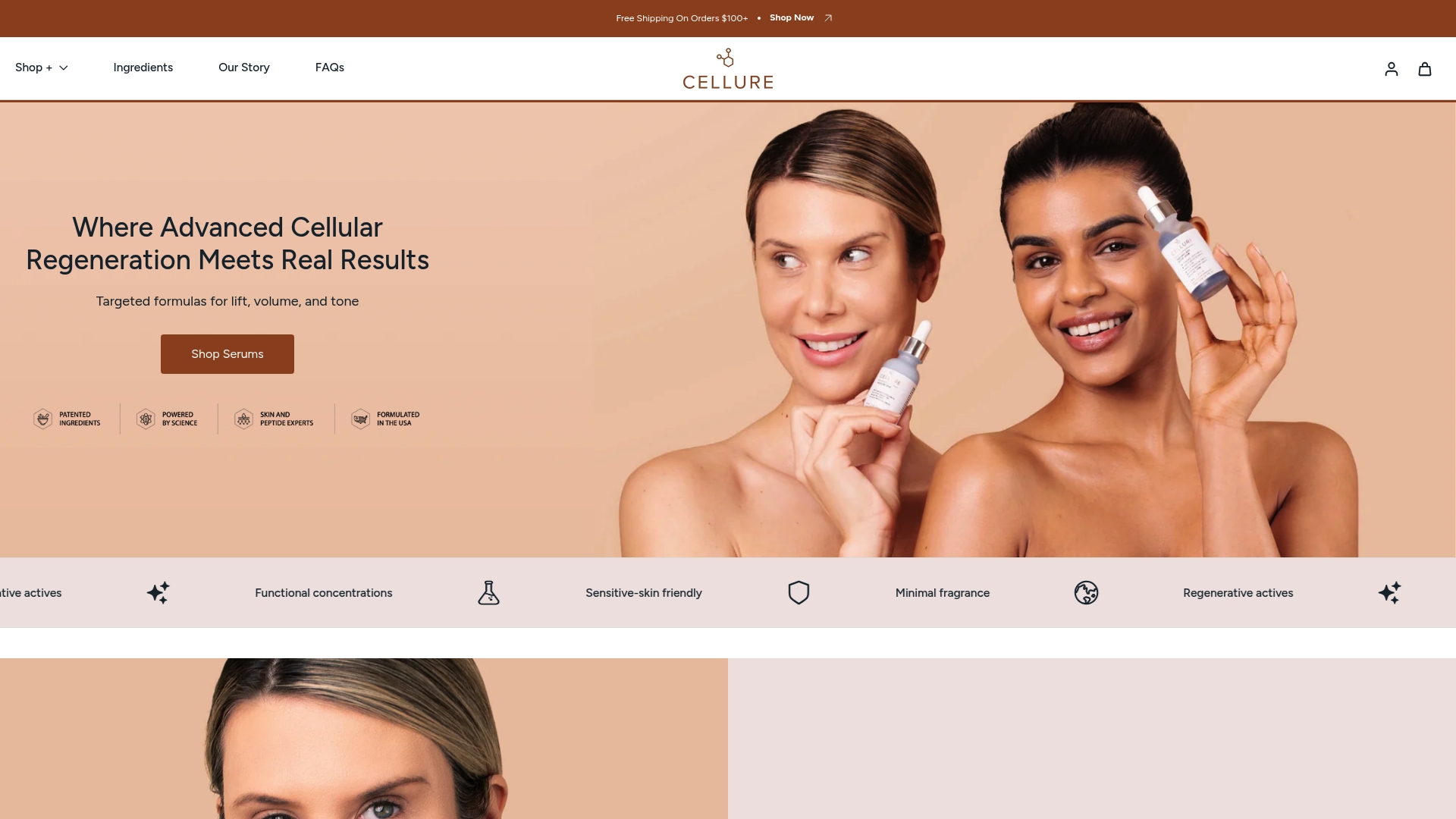
Most serums on the market address one concern. Cellure’s kit addresses the full picture: collagen synthesis, cellular regeneration, pigmentation, and barrier repair, all in a gentle formula that works for every skin type, including reactive and post-procedure skin. The ingredient list is transparent, the concentrations are clinically relevant, and the formulation skips the fragrance and filler actives that inflate other products’ ingredient decks.
You can explore the Complete Skin Repair Kit on Cellure’s site, where the ingredient science is laid out in full. If you want to understand what each active does before you commit, Cellure’s blog covers the clinical research in plain language. That’s the starting point for anyone who takes their skin seriously.