


Bioactive Skincare Workflow: Your 2026 Science Guide
TL;DR:
- A well-structured bioactive skincare workflow sequences ingredients to enhance absorption, signaling, and regeneration effectively. Proper barrier and microbiome support are essential before introducing potent actives like exosomes and PDRN. Correct sequencing maximizes results and prevents common application errors, leading to measurable skin improvement over time.
A bioactive skincare workflow is the deliberate, sequenced application of targeted biological ingredients and treatment modalities designed to stimulate cellular repair, restore barrier integrity, and promote measurable skin rejuvenation. This is not a casual layering of products. It is a structured protocol where exosomes, PDRN, peptides, and technologies like red light therapy are applied in a specific order to maximize absorption and signal amplification. The distinction between a random skincare routine and a true bioactive skincare routine is sequence logic. Get the order wrong and you neutralize the very actives you paid a premium for. Get it right and you are working with your skin’s biology rather than against it.
What is a bioactive skincare workflow and why does it matter?
A bioactive skincare workflow, known in clinical circles as a regenerative topical protocol, is built on one foundational principle: the skin must be receptive before it can be repaired. Applying a high-concentration exosome serum to a compromised barrier is like pouring water into a cracked vessel. The active ingredient never reaches its target.
The 5-pillar regenerative strategy emerging in 2026 centers on exosome serums, salmon DNA (PDRN), LED red light therapy, lipid barrier repair, and absorption sequencing. This framework prioritizes order over quantity, meaning fewer products applied correctly outperform a shelf full of actives applied randomly.
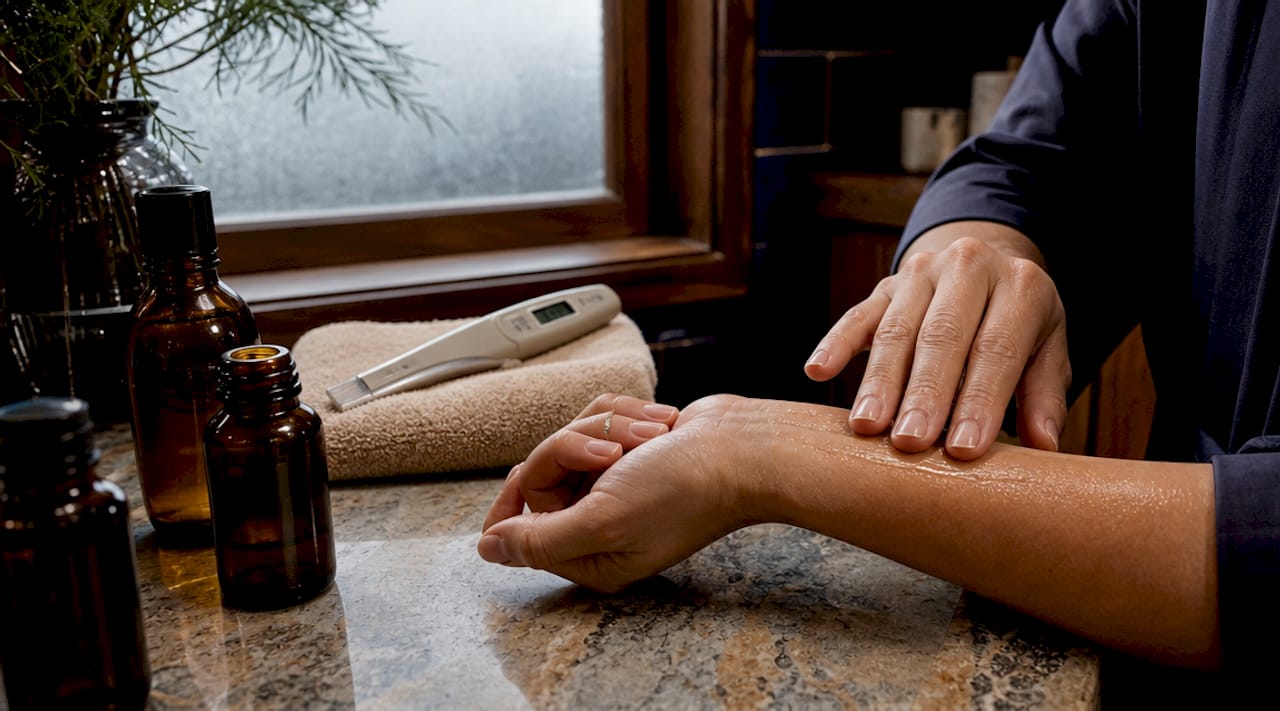
Three biological outcomes define a well-executed workflow. First, enhanced transdermal absorption through barrier priming. Second, amplified cellular signaling when actives reach viable dermal layers. Third, measurable collagen banking over weeks of consistent application. Cellure’s formulation philosophy is built around exactly this logic, combining peptides, polynucleotides, and growth factors in sequences that respect skin physiology.
Key bioactive ingredients shaping modern skincare routines
Understanding what each ingredient does biologically is the prerequisite to sequencing it correctly. These are the primary actives driving results in advanced protocols today.
-
Exosomes act as cellular messengers, carrying growth factors and signaling proteins between cells. Exosome-coated micro-needles deliver 15 million exosomes directly into pores for clinical-level regeneration, making them one of the most potent delivery vehicles currently available. Unlike retinol, exosomes stimulate collagen production without triggering the irritation cascade that compromises barrier function.
-
PDRN (polydeoxyribonucleotide), derived from salmon DNA, activates adenosine A2A receptors, reducing inflammation and accelerating DNA repair in skin cells. Clinical trials published in MDPI confirm PDRN’s efficacy in scar healing and tissue regeneration. This makes it particularly valuable in post-procedure recovery workflows and in aging skin where DNA repair capacity has declined.
-
Red light therapy at wavelengths 633nm and 830nm increases intradermal collagen density and stimulates mitochondrial ATP production. More cellular energy means faster turnover, better repair, and stronger barrier synthesis. Practitioners apply three-minute phototherapy sessions three times weekly alongside topical serums for compounding repair benefits.
-
Bioidentical lipid mimics, including ingredients like beef tallow and ceramide complexes, restore the skin’s lipid matrix. A depleted lipid matrix is the primary reason actives fail to penetrate. Repairing it is not optional. It is the first step.
-
Bioactive peptides function as signaling molecules, instructing fibroblasts to produce collagen and elastin. Peptide complexes like Matrixyl 3000 and Argireline are well-documented in the literature for their role in science-backed skin renewal.
-
Liposomal encapsulation is the delivery technology that makes many of these actives viable topically. Liposomal PDRN achieves over 90% entrapment efficiency, preserving DNA integrity and enabling deeper dermal delivery than unencapsulated formulations can reach.
Pro Tip: When selecting bioactive products, prioritize formulations that specify delivery mechanism, whether liposomal, micro-encapsulated, or vesicle-based. An active without a delivery system is often an active that stays on the surface.
How to build a step-by-step bioactive skincare routine
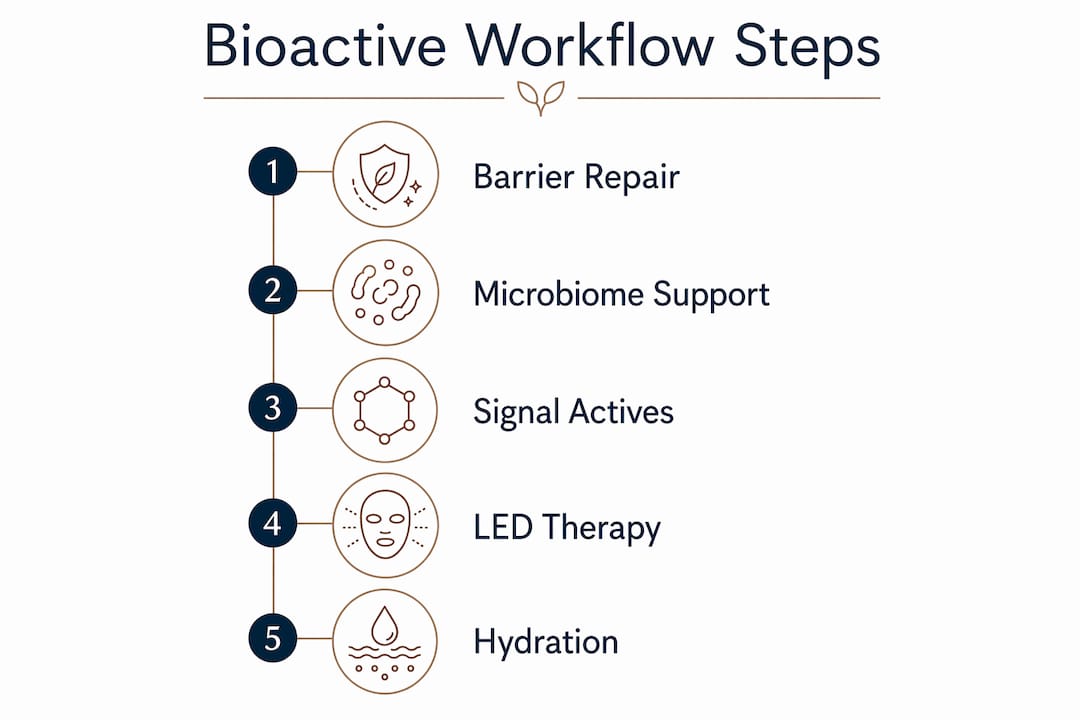
The sequencing logic follows a simple rule: prepare, signal, seal. Barrier repair comes first, cellular signaling actives come second, and occlusive sealants come last. Reversing this order blocks penetration at every stage.
Morning protocol
- Gentle, pH-balanced cleanser (pH 4.5 to 5.5). Removes overnight metabolites without stripping the acid mantle.
- PDRN toner or essence. Applied to damp skin, this primes receptors and begins the anti-inflammatory signaling cascade.
- Exosome serum. Applied immediately after the toner while skin is still slightly tacky. This is the highest-value step in the morning stack.
- Peptide moisturizer. Delivers collagen-signaling peptides while beginning to seal the surface.
- Lipid sealant (ceramide cream or tallow-based balm). Locks in the actives applied beneath it.
- Broad-spectrum SPF 50. Non-negotiable. UV exposure degrades the collagen synthesis your actives just stimulated.
Evening protocol
- Double cleanse. Oil cleanser first to dissolve SPF and sebum, then a gentle water-based cleanser.
- Red light therapy session (10 minutes). Applied before serums to prime mitochondrial activity and increase cellular receptivity. Daily 10-minute sessions charge cellular mitochondria more effectively than occasional long treatments.
- PDRN serum or ampoule. Applied to clean, slightly damp skin for maximum receptor activation.
- Exosome serum (if alternating with retinol nights). Do not apply retinol and PDRN in the same step. They compete at the receptor level and the combination increases irritation risk without adding benefit.
- Postbiotic repair cream. Feeds the microbiome while reinforcing the barrier overnight.
- Heavy occlusive moisturizer. Seals everything in for the full repair window.
| Step | Morning product type | Evening product type |
|---|---|---|
| 1. Cleanse | pH-balanced gel cleanser | Oil cleanser plus water cleanser |
| 2. Prime | PDRN toner | Red light therapy (10 min) |
| 3. Signal | Exosome serum | PDRN or exosome serum |
| 4. Repair | Peptide moisturizer | Postbiotic repair cream |
| 5. Seal | Ceramide lipid sealant | Heavy occlusive moisturizer |
| 6. Protect | SPF 50 | (none needed) |
Pro Tip: Wait 60 to 90 seconds between each serum layer. Applying the next product too quickly dilutes the previous one before it has bonded to the skin surface.
Why skin barrier and microbiome health come first
Experts consistently emphasize beginning with microbiome repair before introducing advanced bioactives. A compromised barrier does not just reduce absorption. It actively triggers inflammation that counteracts the regenerative signals you are trying to deliver.
Aging skin loses ceramides progressively, thinning the lipid matrix that holds corneocytes together. This creates microscopic channels where irritants enter and moisture exits. Applying a potent exosome serum to this environment produces inflammation, not regeneration.
“A well-balanced microbiome reduces inflammation and enhances collagen support, creating the biological foundation that makes every subsequent bioactive more effective.”
Postbiotics and prebiotics like beta-glucan and inulin replenish aging skin’s ceramides and restore the bacterial balance that regulates skin immunity. Beta-glucan specifically activates Langerhans cells, the skin’s resident immune sentinels, to reduce chronic low-grade inflammation common in mature skin. Inulin feeds Lactobacillus species on the skin surface, which produce lactic acid to maintain the acidic pH that keeps pathogenic bacteria suppressed.
The practical implication is clear. If your skin is reactive, flaking, or sensitized, spend two to four weeks on barrier-only products before introducing exosomes or PDRN. Rushing this step is the single most common reason advanced bioactives fail to deliver results. You can explore professional facial protocols that incorporate postbiotics and prebiotics as a complement to your at-home workflow.
Pro Tip: Switch to a cleanser with a pH between 4.5 and 5.5, such as those containing gluconolactone or lactic acid, before adding any new bioactive to your routine. A disrupted acid mantle is invisible to the eye but measurable in every product that follows.
Troubleshooting common bioactive skincare workflow mistakes
Even well-informed practitioners make sequencing errors that silently undermine results. These are the most consequential ones.
-
Applying occlusives before serums. A thick ceramide cream or petroleum-based balm applied before an exosome serum creates a physical barrier that prevents the active from reaching viable skin cells. Always apply serums first, occlusives last.
-
Mixing retinol and PDRN in the same step. Retinol accelerates cell turnover and temporarily disrupts the barrier. PDRN requires a stable, receptive environment to activate adenosine receptors. Applying both simultaneously reduces the efficacy of PDRN and increases the risk of irritation. Alternate them on different nights.
-
Ignoring concentration thresholds. More is not more with bioactives. Selecting actives for stability and compatibility is as important as selecting them for potency. A 10% exosome concentration in an unstable base delivers less than a 2% concentration in a properly formulated liposomal vehicle.
-
Over-exfoliating before bioactive application. Exfoliation opens the surface for penetration, but daily or aggressive exfoliation strips the barrier faster than it can regenerate. Limit chemical exfoliation to two to three times per week maximum when running an active bioactive protocol.
-
Skipping patch testing. PDRN and exosome formulations are generally well-tolerated, but peptide complexes and encapsulated actives can trigger contact reactions in sensitized skin. Apply a new product to the inner forearm for 48 hours before full-face use.
-
Inconsistent red light therapy sessions. Skipping days causes measurable drops in mitochondrial performance. The cellular repair workflow depends on consistent energy input, not sporadic high-intensity sessions.
What emerging trends are reshaping bioactive skincare workflows?
The next generation of bioactive skincare protocols moves beyond topical application into precision delivery and personalized sequencing. Several developments are worth tracking now.
-
Deformable vesicle systems like transfersomes and ethosomes are replacing standard liposomes in PDRN and nucleic acid delivery. These flexible vesicles squeeze through tight junctions in the stratum corneum, reaching the viable epidermis where standard liposomes cannot. Advanced delivery methods are redefining what topical actives can achieve without needles.
-
AI-driven personalization is entering the skincare sequencing space, with algorithms analyzing skin imaging data to recommend ingredient combinations, concentrations, and application timing specific to individual biology. This moves the workflow from generalized protocol to precision medicine.
-
Microbiome-targeted bioactives are expanding beyond prebiotics and postbiotics into bacteriophage therapies and precision probiotic strains that modulate specific inflammatory pathways. The skin microbiome is increasingly understood as a therapeutic target, not just a protective layer.
-
Peptide complexes combining signal peptides, carrier peptides, and neurotransmitter-inhibiting peptides are being formulated together to address multiple aging pathways simultaneously. Products incorporating Copper GHK, Leuphasyl, and Syn-Ake in a single serum represent this multi-target approach.
-
Internal collagen banking through dietary collagen peptides, vitamin C, and glycine supplementation is gaining clinical support as a complementary strategy to topical workflows. The skin is built from the inside out, and topical actives perform better when systemic collagen synthesis is also supported.
Key takeaways
A bioactive skincare workflow delivers results only when barrier repair, microbiome support, and active ingredient sequencing are treated as a unified, ordered system rather than independent steps.
| Point | Details |
|---|---|
| Sequence is the strategy | Apply barrier repair first, signaling actives second, and occlusives last to maximize penetration. |
| Barrier health is non-negotiable | Spend two to four weeks on ceramide and postbiotic repair before introducing exosomes or PDRN. |
| Delivery system determines efficacy | Liposomal and vesicle-encapsulated actives outperform unencapsulated versions at equivalent concentrations. |
| Consistency beats intensity | Daily 10-minute red light sessions produce better mitochondrial results than occasional long treatments. |
| Incompatible actives reduce results | Never apply retinol and PDRN in the same step. Alternate them on separate evenings. |
What I’ve learned from watching bioactive protocols evolve
I have spent years watching the skincare industry shift from hydration-first thinking to signal-based regeneration, and the change is not cosmetic. It is a genuine paradigm shift. The old model asked: how do we keep skin moist and protected? The new model asks: how do we instruct skin cells to behave younger?
What strikes me most is how often people invest in the right ingredients and still see no results. The problem is almost never the ingredient. It is the sequence. I have seen practitioners apply a $200 exosome serum directly after a thick occlusive and wonder why their skin is not responding. The biology is not complicated once you understand it. The serum never reached a living cell.
I am also cautiously optimistic about where delivery technology is heading. Liposomal encapsulation achieving over 90% entrapment efficiency is not a marginal improvement. It is the difference between a topical and a treatment. When deformable vesicles become standard in consumer formulations, the gap between clinic and home care will narrow significantly.
My honest advice is this: be patient with the barrier phase. Two weeks of gentle, microbiome-supportive products feels like doing nothing. It is actually the most important work in the entire protocol. The science behind cellular repair consistently shows that skin prepared at the barrier level responds to actives at a measurably higher rate. Rushing past this step is the most expensive mistake you can make, regardless of what you spend on the actives that follow.
— Sara
Build your bioactive protocol with Cellure
Cellure’s Complete Skin Repair Kit is designed around the exact workflow logic this article describes. It integrates peptide complexes, growth factors, and barrier-enhancing actives into a morning and evening protocol that removes the guesswork from sequencing. Every formulation in the kit is clinically supported and built for cellular-level regeneration, not surface hydration.
The kit addresses firmness loss, uneven tone, and barrier compromise through a coordinated system of serums and repair treatments. If you are ready to move from a routine to a protocol, the Complete Skin Repair Kit is the most direct path to a structured, results-driven bioactive workflow. Explore the full range of regenerative formulations at Cellure and find the protocol that fits your skin’s current needs.
FAQ
What is a bioactive skincare workflow?
A bioactive skincare workflow is a sequenced protocol of applying biologically active ingredients and treatments, such as exosomes, PDRN, and peptides, in a specific order to maximize cellular repair and absorption. Sequence logic, not product quantity, determines results.
How do exosomes differ from traditional actives like retinol?
Exosomes function as cellular messengers that stimulate collagen production without triggering the irritation and barrier disruption associated with retinol. Exosome-coated delivery systems can introduce 15 million exosomes into pores for clinical-level regeneration without compromising barrier integrity.
Can I use PDRN and retinol in the same routine?
Yes, but not in the same step or on the same night. PDRN requires a stable, receptive skin environment to activate adenosine A2A receptors effectively. Retinol temporarily disrupts the barrier, so alternating them on separate evenings produces better results with less irritation risk.
How often should I use red light therapy in a bioactive routine?
Daily 10-minute sessions are more effective than occasional longer treatments because consistent exposure steadily charges mitochondrial activity. Skipping days causes measurable drops in cellular energy output, which reduces the regenerative benefit of the topical actives applied alongside the therapy.
Why is skin barrier repair the first step in any bioactive protocol?
A compromised barrier blocks transdermal penetration and triggers inflammation that counteracts regenerative signaling. Restoring ceramides and microbiome balance with postbiotics and prebiotics like beta-glucan and inulin creates the biological foundation that makes every subsequent bioactive more effective.