


Step by Step Calming Skincare Routine for Aging Skin
TL;DR:
- A gentle 3–5 step skincare routine is the standard for calming aging, stress-sensitive skin. It includes cleansing with pH-balanced formulas, applying barrier-supporting serums on damp skin, sealing with moisturizer, and daily sunscreen for protection. The Cellure Complete Skin Repair Kit simplifies this process by combining peptides, polynucleotides, and hyaluronic acid in a gentle, fragrance-free system.
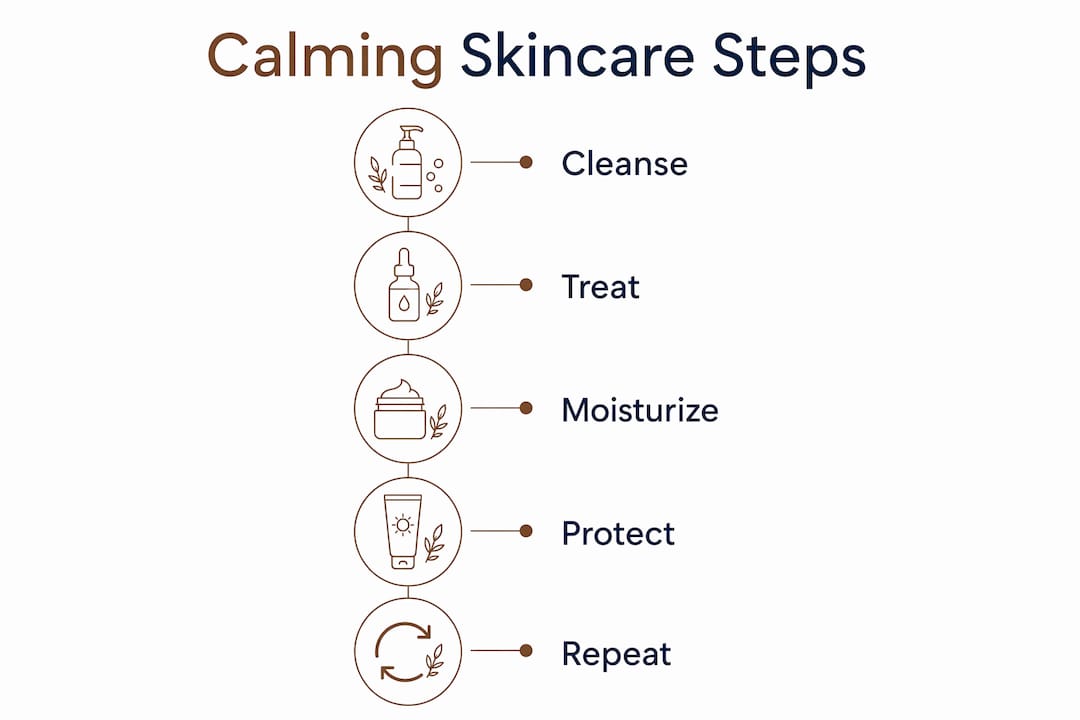
A 3–5 step calming skincare routine — cleanse, treat, moisturize, protect — is the clinical standard for aging, stress-sensitive skin. Use a sulfate-free cleanser with a pH close to that of healthy skin, follow with a barrier-supporting serum (ceramides, hyaluronic acid, or panthenol), lock in moisture, and finish mornings with a broad-spectrum mineral sunscreen. Cellure’s Complete Skin Repair Kit is formulated to slot directly into this sequence, delivering peptides, polynucleotides, and hyaluronic acid in a single curated system designed for cellular repair.
You can start in under five minutes: splash your face with lukewarm water, apply a gentle cream cleanser, pat on a hydrating serum while your skin is still slightly damp, and follow with a fragrance-free moisturizer. That is the whole morning routine when your skin is reactive. The rest of this guide explains why each step works, what to add as your barrier recovers, and how to know when you are ready.
Table of Contents
- What does a step by step calming skincare routine actually look like?
- Which ingredients actually calm and repair stressed, aging skin?
- How do you introduce new products safely and patch-test correctly?
- What weekly treatments support repair without triggering reactivity?
- Two sample AM/PM routines you can copy right now
- How long before you see results, and when should you see a dermatologist?
- How Cellure’s Complete Skin Repair Kit fits this routine
- Key Takeaways
- Why less is genuinely more for stressed, aging skin
- Cellure’s Complete Skin Repair Kit makes this routine simple
- Useful sources
What does a step by step calming skincare routine actually look like?
A 3–5 step routine built around gentle cleansing, hydrating serums, and barrier-strengthening moisturizers is the clinical standard for sensitive or stressed skin. Here is the exact sequence, with AM and PM differences called out.
Step 1: Cleanse (AM and PM)
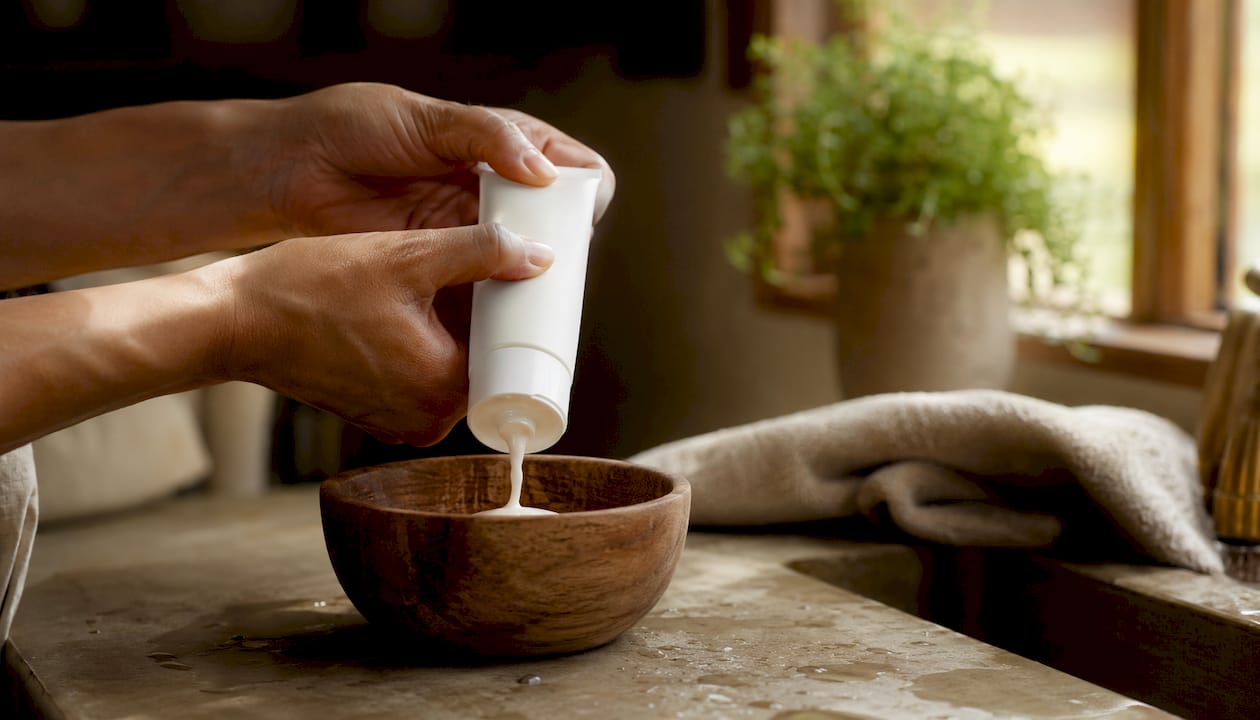
Use a sulfate-free, non-foaming cleanser with a pH near 5.0–5.5. Cream and milk formulas are ideal. In the evening, if you wear SPF or makeup, double-cleanse: a gentle oil-based first pass, then your cream cleanser. Keep water temperature below 104°F (40°C). Hot water above that threshold increases transepidermal water loss and worsens inflammation.
Step 2: Treat (AM and PM, adjusted)
Apply your treatment layer while skin is still slightly damp. Damp skin is significantly more permeable than dry skin, improving absorption, so actives absorb more efficiently. In the AM, reach for a calming or antioxidant serum — niacinamide, centella asiatica, or a peptide formula. In the PM, prioritize barrier-repair actives: ceramides, panthenol, or a polynucleotide serum. Skip retinoids, AHAs, BHAs, and high-dose vitamin C entirely during stress flare-ups.
Step 3: Moisturize (AM and PM)
Layer a fragrance-free moisturizer over your serum within 30–60 seconds of applying it. AM formulas should be lightweight enough to sit under SPF. PM formulas can be richer — a ceramide-heavy cream or one containing squalane works well for aging skin that loses lipids overnight. For barrier-repairing ingredients like ceramides and fatty acids, a slightly thicker evening texture helps seal in the treatment layer.
Step 4: Protect (AM only)
Finish every morning with a mineral sunscreen — zinc oxide or titanium dioxide, broad-spectrum, at a sufficient SPF level, fragrance-free. Chemical filters are more likely to sting reactive skin. Sunscreen is non-negotiable for aging skin: UV exposure degrades the very barrier you are trying to rebuild.
Pro Tip: Apply your serum and moisturizer within 30–60 seconds of rinsing your cleanser. That brief window of damp skin dramatically improves penetration without requiring any extra product.
Which ingredients actually calm and repair stressed, aging skin?
Ceramides rebuild the lipid matrix between skin cells, directly restoring the barrier’s ability to hold water and block irritants. Hyaluronic acid draws moisture into the epidermis from the environment and deeper skin layers. Niacinamide reduces visible redness and supports the skin’s natural lipid production. Panthenol (vitamin B5) soothes surface irritation and accelerates wound healing. Centella asiatica calms neurogenic inflammation, which is the mechanism behind stress-triggered flare-ups.
When stress triggers a breakout or flare, the right response is barrier-supportive care — not stronger actives. Cortisol-driven neurogenic inflammation is the primary mechanism, and aggressive acne actives worsen it. Ceramides and centella calm the cascade; benzoyl peroxide and high-strength retinoids amplify it.
Actives to pause during flare-ups:
- High-strength retinoids (0.5% retinol and above)
- AHAs (glycolic, lactic acid) and BHAs (salicylic acid) at treatment concentrations
- High-dose vitamin C (above 10–15%)
- Benzoyl peroxide
Safe reintroduction order (after 4–6 weeks of calm): start with low-dose niacinamide (2–5%), then azelaic acid (10%), then a low-percentage lactic acid (5%) once a week. Layer each new active over a ceramide moisturizer to buffer reactivity.
Common irritants to cut immediately: fragrance (listed as “parfum” or “fragrance”), essential oils, alcohol denat, and unnecessary botanical extracts. When barriers are severely reactive, a subtractive cleanser approach — removing every non-essential ingredient — is often the fastest path to recovery. Look for products carrying the National Eczema Association Seal if your skin is severely compromised.
For a deeper look at natural calming ingredients like centella and panthenol, independent ingredient research can help you evaluate formulas before you buy.
How do you introduce new products safely and patch-test correctly?
Add one new product at a time. Give each product a 7–14 day observation window before adding anything else. Start with a minimal-use ramp-up: apply every other day for the first week, then daily if no reaction appears.
Patch-test protocol:
- Apply a small amount to the inner forearm or behind the ear.
- Leave it on for 24 hours without washing.
- Check at 24 and 48 hours for redness, itching, or swelling.
- If clear, apply to a small area of the face (near the jawline) for 3–5 days before full-face use.
- For new sunscreens specifically, test on the inner arm for 2–3 days before applying to the face.
Warning signs that mean stop immediately:
- Persistent burning (beyond 5 minutes of application)
- Spreading rash or hives
- Blistering or peeling not caused by a known exfoliant
- Swelling around the eyes or lips
Mild barrier recovery can take a few weeks with a consistent minimal routine. Severe barrier damage may take over a month to heal fully. Transient stinging in the first 30 seconds of applying an active is not necessarily an allergy — persistent burning that does not subside is.
What weekly treatments support repair without triggering reactivity?
During a calm period, gentle weekly additions can accelerate repair without destabilizing the barrier.
The goal of weekly treatments is to support, not accelerate by force. Hydrating masks and peptide boosters add without stripping; chemical peels and physical scrubs take away what stressed skin cannot afford to lose right now.
Low-risk weekly options (once or twice a week):
- Hydrating sheet masks or overnight sleeping masks with hyaluronic acid or ceramides
- Barrier-boosting occlusives (petrolatum, squalane) applied as the final PM step
- Gentle peptide booster serums layered under moisturizer
Avoid during stress windows: chemical peels, physical scrubs, microdermabrasion, and any treatment that causes visible flaking or redness the next day.
Once your skin has been calm for 4–6 weeks, you can trial azelaic acid 10% twice a week, applied after your serum and before your moisturizer. Monitor for two weeks before increasing frequency.
Two sample AM/PM routines you can copy right now
Minimal routine (3 steps each)
AM: Gentle cream cleanser → fragrance-free ceramide moisturizer → mineral SPF 30+
PM: Gentle cream cleanser → hyaluronic acid serum (applied to damp skin) → ceramide-rich night cream
Modest routine (4–6 steps, for calmer periods)
AM:
- Gentle cream cleanser (lukewarm water, 60 seconds)
- Niacinamide or centella serum (damp skin, pat gently)
- Lightweight fragrance-free moisturizer
- Mineral SPF 50 (wait 2 minutes before makeup)
PM:
- Oil-based cleanser (if wearing SPF or makeup)
- Gentle cream cleanser
- Peptide or polynucleotide serum
- Ceramide-rich moisturizer
- Optional: squalane facial oil as final occlusive layer
Adjusting for skin type: Dry skin benefits from a richer PM moisturizer and the squalane occlusive. Oily or combination skin should keep the AM moisturizer gel-textured and skip the facial oil. For aging skin specifically, the PM peptide or polynucleotide serum is the step most worth prioritizing.
Cellure’s Complete Skin Repair Kit replaces the serum and moisturizer steps in both routines with a single curated system, so you are not guessing at ingredient compatibility.
How long before you see results, and when should you see a dermatologist?
| Timeline | What to expect |
|---|---|
| Days 1–3 | Reduced tightness and stinging; skin feels less reactive |
| Week 1–2 | Visible redness begins to calm; hydration improves |
| Weeks 2–4 | Measurable barrier improvement for mild damage |
| Up to 45 days | Full recovery for severe barrier damage |
Environmental factors that slow recovery: hot showers above 104°F, poor sleep (under 7 hours), chronic dehydration, and daily pollution exposure without antioxidant protection. Each of these independently elevates cortisol or increases transepidermal water loss.
See a dermatologist or clinician if you experience:
- A rash that spreads beyond the original irritated area
- Severe pain or burning that persists after removing the product
- Systemic symptoms: fever, swollen lymph nodes, difficulty breathing
- Suspected infection: warmth, pus, crusting
How Cellure’s Complete Skin Repair Kit fits this routine
The Complete Skin Repair Kit from Cellure is designed to cover the treatment and moisturizing steps of this calming routine in one system. Its formulas include peptides for firmness support, polynucleotides (PDRN) for cellular repair signaling, and hyaluronic acid for deep hydration — all in fragrance-free, gentle bases suited to reactive and aging skin.
How kit components slot into the routine:
- Treatment step (AM and PM): The peptide or polynucleotide serum replaces a standalone hydrating serum, applied to damp skin after cleansing.
- Moisturizing step: The kit’s barrier-repair moisturizer follows the serum, locking in actives without occlusive heaviness.
- Reintroduction note: If your skin is currently in a flare, start with the moisturizer alone for the first week, then add the serum once your barrier has stabilized.
Pro Tip: When using the Complete Skin Repair Kit during recovery, apply the serum component every other day for the first week. Once your skin tolerates it without stinging, move to daily use.
Key Takeaways
A consistent, minimal calming routine — cleanse, treat, moisturize, protect — is the most evidence-supported approach for aging, stress-sensitive skin, with measurable barrier improvement typically appearing within 2–4 weeks. For sensitive or stressed skin, a 3–5 step routine centered around gentle cleansing, hydrating serums, and barrier-strengthening moisturizers is recommended.
| Point | Details |
|---|---|
| Routine order | Always follow cleanse → treat → moisturize → protect (SPF in AM only). |
| Top calming ingredients | Ceramides, hyaluronic acid, niacinamide, panthenol, and centella asiatica support barrier repair. |
| Pause strong actives | Skip retinoids, AHAs, BHAs, and high-dose vitamin C during flare-ups; reintroduce slowly after 4–6 weeks of calm. |
| Timeline expectations | Mild barrier damage recovers in 2–4 weeks; severe cases may take up to 45 days with a consistent routine. |
| Cellure’s kit | The Complete Skin Repair Kit covers the treat and moisturize steps with peptides, PDRN, and hyaluronic acid in fragrance-free formulas. |
Why less is genuinely more for stressed, aging skin
The conventional wisdom in skincare pushes complexity: layer more actives, rotate more products, chase the newest ingredient. For aging, stress-sensitive skin, that approach is counterproductive. Psychodermatology research links psychological stress directly to measurable skin barrier disruption through the brain-skin axis. A short, predictable routine does two things at once: it gives the barrier consistent repair signals and it gives the nervous system a low-stimulation ritual that supports self-regulation.
What practitioners observe repeatedly is that patients who simplify see faster recovery than those who keep adding products. Switching products during the 2–6 week repair window often triggers more reactivity, not less. The ritual itself — a deliberate, consistent sequence practiced daily — has measurable behavioral benefits beyond the ingredients. The skin does not need more. It needs the same right things, every day, without interruption.
Cellure’s Complete Skin Repair Kit makes this routine simple
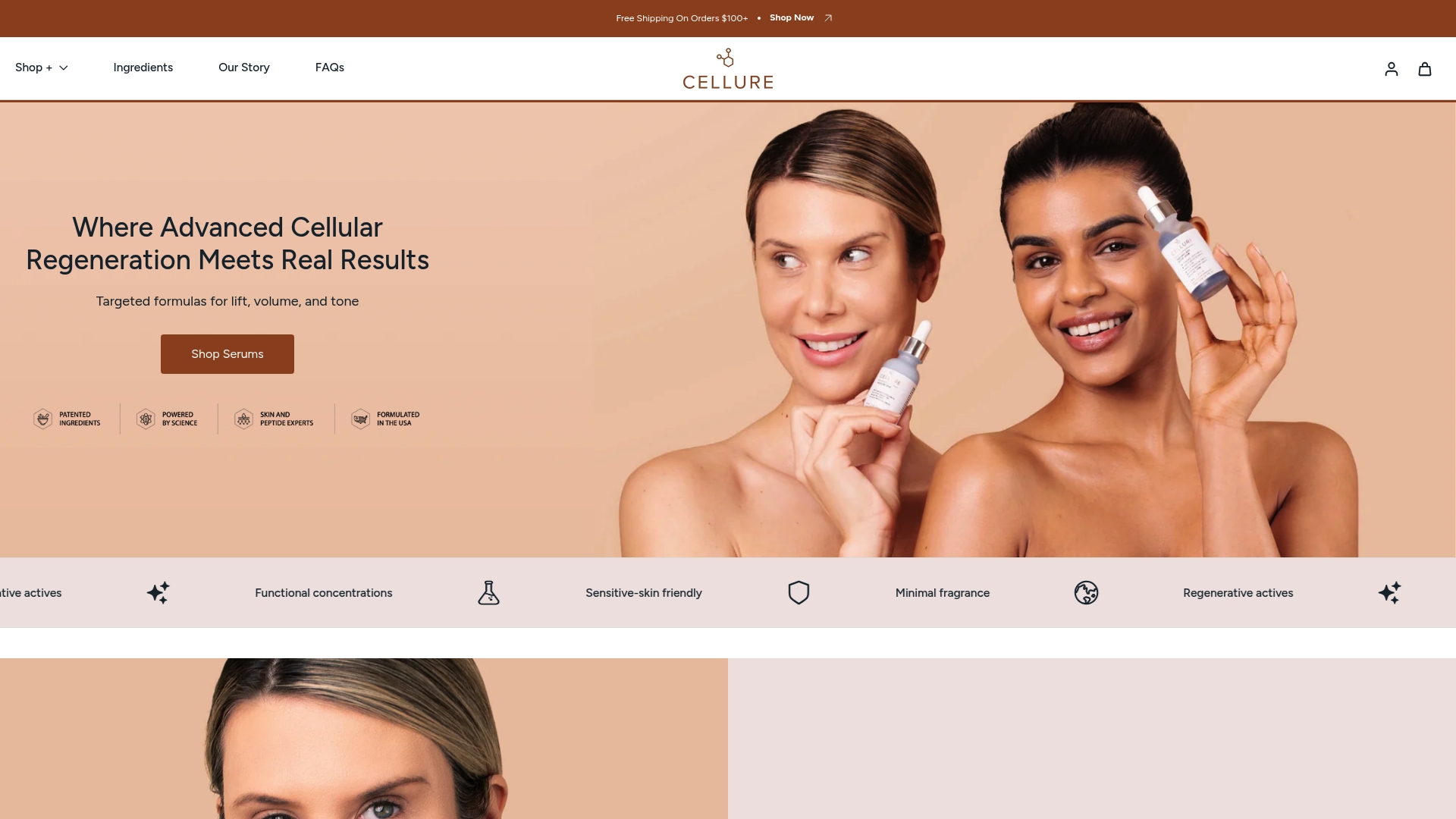
Putting together a calming routine that actually addresses aging concerns — firmness loss, barrier thinning, uneven tone — usually means buying and testing several separate products. Cellure’s Complete Skin Repair Kit consolidates that into one system: a serum and moisturizer pairing built around peptides, polynucleotides, and hyaluronic acid, all in fragrance-free formulas gentle enough for reactive skin.
Three reasons it fits this routine:
- Covers both the treatment and moisturizing steps with ingredients matched to barrier repair and cellular rejuvenation
- Fragrance-free, gentle bases that work for sensitive and aging skin without requiring a separate tolerance period
- Designed for consistent daily use — the kind of repetition that actually moves the needle on barrier recovery
Visit the Complete Skin Repair Kit page to see the full ingredient list and find out how it fits your current routine.
Useful sources
The evidence behind this guide comes from dermatologist-informed sources, psychodermatology research, and ingredient-level clinical guidance — not marketing claims. The links below let you verify every major recommendation directly.
- Skincare for Sensitive Skin: A Gentle Daily Routine — Foundational routine structure, ingredient list, and mineral sunscreen patch-test guidance.
- Korean Skincare Routine for Stressed Skin (The Seoul Edit) — Cleanser pH evidence, cortisol-driven neurogenic inflammation, and hot-water threshold data.
- Best Calming Skincare Routine for Stress-Sensitive Skin (Skincare Vine) — Barrier recovery timelines (2–4 weeks / 45 days), subtractive cleanser philosophy, and psychodermatology links.
- Ritual Skincare: Build a Calming, Science-Backed Routine (Sooth Health) — Damp-skin permeability data, 30–60 second application window, and ritual behavioral evidence.
- How to calm irritated skin: gentle, proven steps — Cellure’s practical guide to immediate calming steps and soothing ingredient selection.
- Gentle skincare for aging skin: evidence-based steps — Cellure’s evidence-oriented guidance on barrier priorities for aging skin.
- SPF in Your Daily Makeup Routine: What Really Works — Practical sunscreen tolerability guidance and daily SPF integration tips.