


How to Calm Irritated Skin: Gentle, Proven Steps
TL;DR:
- Calming irritated skin involves repairing the skin barrier to reduce inflammation and prevent worsening symptoms. Using gentle products with ingredients like ceramides, niacinamide, and colloidal oatmeal can support healing. Consistent, simple routines with daily moisture and protection are essential for long-term skin resilience.
Calming irritated skin means reducing inflammation and restoring the skin’s protective barrier before symptoms worsen. Skin irritation, clinically described as contact dermatitis or reactive skin, affects people across all skin types and ages. The root cause is almost always the same: a compromised barrier that can no longer shield your skin from external stressors. Board-certified dermatologists consistently point to barrier repair as the foundation of any effective treatment plan. The good news is that with the right techniques and gentle products, you can soothe redness, stop the itch cycle, and rebuild your skin’s defenses.
How does a compromised skin barrier cause irritation and redness?
The skin barrier is the outermost layer of your skin, made up of cells and lipids that lock in moisture and keep irritants out. When it breaks down, your skin loses water rapidly and becomes vulnerable to bacteria, allergens, and environmental stressors. That breakdown is what triggers the redness, tightness, and itching you feel.
Several factors damage the barrier faster than most people realize:
- Hot water and long showers strip away the natural oils that hold the barrier together.
- Harsh cleansers and soaps with sulfates or alcohol disrupt the lipid layer that seals moisture in.
- Environmental stressors like cold wind, low humidity, and UV exposure degrade barrier function over time.
- Overuse of active ingredients such as exfoliating acids and retinoids thin the barrier when used too frequently.
- Friction and aggressive rubbing physically damage the surface cells that form the first line of defense.
Experts confirm that skin irritation signals a compromised barrier that fails to protect from external stressors. The goal is not to mask symptoms but to supply structural components like ceramides and fatty acids that support natural healing. Redness, dryness, and itching are not separate problems. They are all symptoms of the same underlying issue: a barrier that needs rebuilding.
Understanding this is the first step toward doing something about it. Once you recognize barrier damage as the root cause, you stop chasing individual symptoms and start treating the actual problem.
What immediate steps can you take to calm irritated skin?
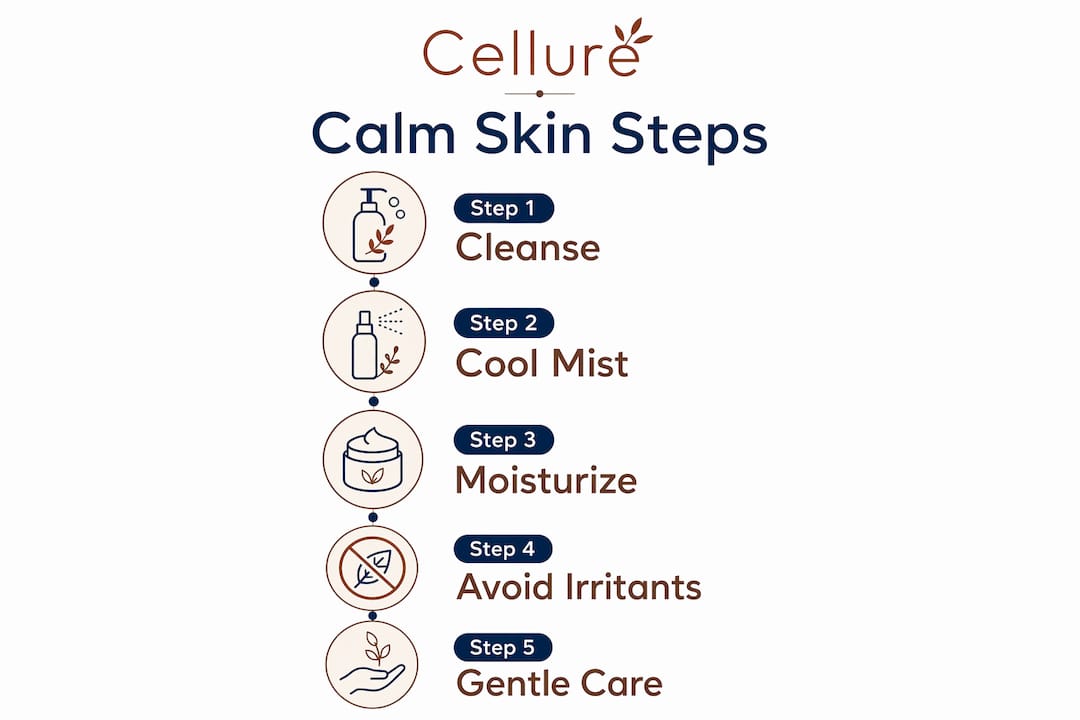
Speed matters when your skin flares up. The faster you reduce heat and remove irritants, the less damage your barrier sustains. Follow these steps in order when irritation strikes.
- Rinse with cool or lukewarm water. Hot water increases inflammation and burning. Cool water and compresses reduce heat and provide immediate relief by constricting blood vessels near the skin surface.
- Apply a cool compress. A clean cloth soaked in cool water and held against the skin for 10–15 minutes calms acute redness and reduces the urge to scratch.
- Stop using any product that may have triggered the reaction. Identify and remove the suspected irritant immediately. Continuing to use it prolongs the flare.
- Cleanse gently with a fragrance-free cleanser. Avoid anything with alcohol, sulfates, or synthetic fragrance. A fragrance-free cleanser paired with regular moisturizing accelerates recovery.
- Pat your skin dry. Never rub. Rubbing creates friction that worsens barrier damage and spreads inflammation.
- Apply a barrier-supporting moisturizer immediately. Do this while your skin is still slightly damp. Moisturizing damp skin traps water and supports barrier repair more effectively than waiting until skin is fully dry.
- Use an OTC hydrocortisone cream for short-term relief if needed. Nonprescription corticosteroid creams provide short-term relief for itching and inflammation. Use them sparingly and consult a dermatologist if symptoms persist beyond a few days.
Pro Tip: Keep a small spray bottle of cool water in your refrigerator. A quick mist followed by a gentle moisturizer is one of the fastest ways to reduce skin redness without touching or rubbing the affected area.
Which ingredients best support soothing and repairing irritated skin?

The right ingredients do two jobs at once: they calm active inflammation and rebuild the barrier so irritation does not return. The wrong ones, used at the wrong time, can set your recovery back by days.
Ingredients to reach for during a flare-up
- Ceramides are lipids naturally found in the skin barrier. Topical ceramides directly replenish what barrier damage depletes, making them the most targeted repair ingredient available.
- Panthenol (vitamin B5) draws moisture into the skin and reduces redness. It is gentle enough for the most reactive skin types.
- Colloidal oatmeal contains avenanthramides, compounds with proven anti-inflammatory properties. The FDA recognizes colloidal oatmeal as a skin protectant.
- Niacinamide reduces redness and strengthens the barrier by boosting ceramide production within the skin itself.
- Squalane is a lightweight oil that mimics the skin’s own sebum. It seals moisture without clogging pores or triggering reactions.
- Fatty acids (particularly linoleic acid) are structural components of the barrier lipid layer. Supplying them topically supports natural healing mechanisms without overloading the skin.
What to avoid during irritation
| Ingredient category | Why it worsens irritation |
|---|---|
| Retinoids | Accelerate cell turnover, thinning an already fragile barrier |
| Exfoliating acids (AHAs, BHAs) | Dissolve the lipid layer, increasing water loss and sensitivity |
| Synthetic fragrance | A leading cause of contact dermatitis in skincare products |
| Alcohol (denatured) | Strips natural oils and disrupts the acid mantle |
| Essential oils | Highly reactive in compromised skin despite their natural origin |
Avoiding potent actives like exfoliating acids and retinoids during flare-ups is not optional. These ingredients can worsen barrier disruption even when your skin tolerates them well under normal conditions. Step back from your usual active ingredients until redness and tightness fully resolve.
Pro Tip: Before adding any new product to your routine, patch test it on the inside of your forearm for 48 hours. This single habit prevents most product-triggered flare-ups before they start.
Simplifying your routine during a flare-up is not a step backward. It is the most direct path to recovery. A cleanser, a barrier moisturizer, and sun protection are all your skin needs while it heals. You can find a detailed breakdown of skin repair ingredients and how each one functions to support recovery.
How to build a gentle routine that prevents future irritation
Preventing irritation is easier than treating it. A consistent, simple routine keeps your barrier strong enough to handle daily stressors without reacting.
Daily habits that protect your barrier
- Cleanse once a day, in the evening. Morning cleansing with water alone is sufficient for most people with sensitive skin.
- Apply moisturizer to damp skin every time you cleanse. This single habit reduces transepidermal water loss more than any other step.
- Use SPF 30 or higher every morning. UV exposure degrades barrier function and triggers inflammation even on cloudy days.
- Introduce new products one at a time, with at least two weeks between additions. This makes it easy to identify what your skin reacts to.
Lifestyle factors that affect skin calm
Your skin reflects what happens inside your body and around it. Dehydration reduces the skin’s ability to maintain its moisture barrier. Chronic stress elevates cortisol, which increases skin sensitivity and slows barrier repair. Thermal extremes, both hot environments and cold wind, strip barrier lipids faster than most topical products can replace them.
Nighttime is a critical phase for irritated skin. Heavy bedding and heat increase itch signals and disrupt healing. Switching to breathable cotton fabrics and keeping your bedroom cool reduces flare-up severity overnight. If you tend to scratch in your sleep, soft cotton gloves protect the skin from unconscious damage.
Consistent, gentle care over several weeks is the key to full recovery from compromised skin. Severe irritation can take 2–4 weeks of steady, gentle care to fully resolve. Patience is not passive. It is the active choice to let your barrier rebuild at its own pace without interruption. For more on building a gentle skincare approach that holds up over time, the principles apply across all skin types and ages.
Pro Tip: Keep a simple skin diary for two weeks. Note what you applied, what you ate, your stress level, and how your skin looked the next morning. Patterns emerge quickly, and you will identify your personal triggers faster than any elimination protocol.
Key Takeaways
Calming irritated skin requires barrier repair, not just symptom relief. Ceramides, panthenol, and cool compresses address the root cause while gentle habits prevent recurrence.
| Point | Details |
|---|---|
| Barrier damage is the root cause | Redness, itching, and dryness all signal a compromised barrier that needs structural support. |
| Cool water reduces acute inflammation | Rinse with cool or lukewarm water and apply a compress to quickly lower heat and redness. |
| Key ingredients to use | Ceramides, niacinamide, colloidal oatmeal, panthenol, and squalane repair and calm without irritating. |
| Avoid actives during flare-ups | Step back from retinoids, exfoliating acids, and fragrance until the skin fully recovers. |
| Consistency heals faster than intensity | A simple two-step routine used daily outperforms a complex routine used inconsistently. |
What I’ve learned from years of watching people overcomplicate their skin
Most people with irritated skin make the same mistake: they add more products when their skin reacts, hoping something will fix it faster. That instinct is understandable. It is also exactly wrong.
The skin barrier does not respond to volume. It responds to the right structural ingredients, given consistently, with enough time to work. I have seen people with years of chronic redness clear up within three weeks simply by cutting their routine down to three products and stopping all active ingredients. The skin did not need more help. It needed less interference.
The other pattern I see constantly is treating irritation as a cosmetic problem rather than a barrier problem. Redness is not just a color issue. It is a signal that your skin’s first line of defense is failing. Covering it with makeup or layering on serums without addressing the barrier is like painting over a crack in a wall without fixing the foundation.
Lifestyle triggers are also underestimated. Stress, poor sleep, and diet all affect how your skin responds to external stressors. I have watched people spend hundreds of dollars on products while sleeping under heavy synthetic bedding in an overheated room, then wonder why nothing works. The environment your skin lives in overnight matters as much as what you apply during the day.
My honest recommendation: strip your routine back to the basics, give your barrier the structural ingredients it needs, and be patient. Two to four weeks of consistent, gentle care will do more than any intensive treatment applied sporadically. Your skin is not broken. It is asking for less, not more.
— Sara
Cellure’s Complete Skin Repair Kit for irritated, sensitive skin
Irritated skin needs a routine that works without adding new stressors. Cellure’s Complete Skin Repair Kit is formulated with bioactive ingredients including peptides and barrier-supporting compounds that address the root causes of irritation rather than just the surface symptoms.
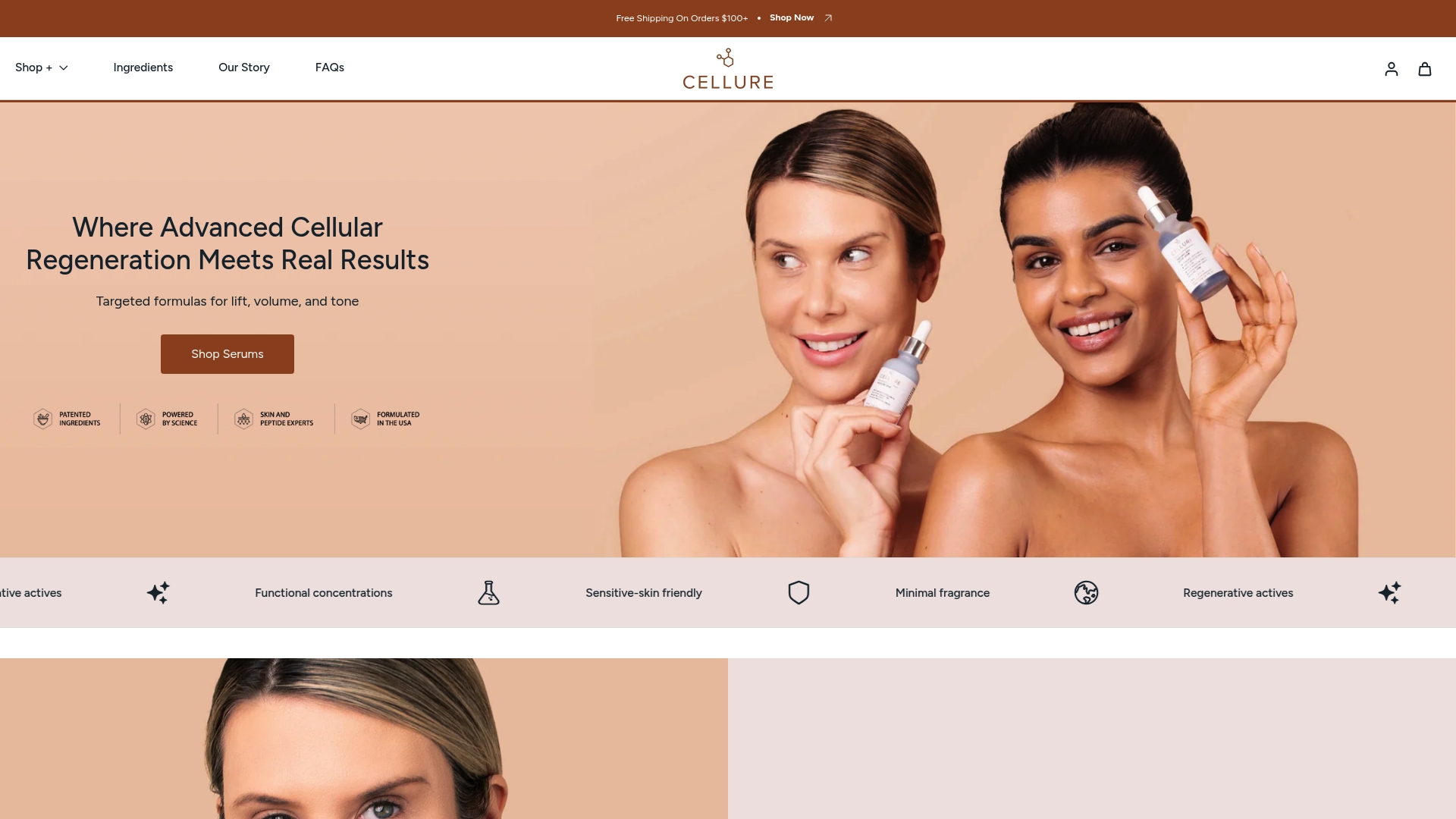
The kit is designed for people who want a science-backed, gentle approach without having to research every ingredient themselves. Each product in the kit is fragrance-free and formulated to support barrier repair at the cellular level. If you are ready to move from reactive care to consistent recovery, the Complete Skin Repair Kit gives your skin exactly what it needs and nothing it does not.
FAQ
What is the fastest way to calm irritated skin?
Apply a cool compress for 10–15 minutes and follow with a fragrance-free, ceramide-based moisturizer on damp skin. Cool compresses reduce heat and inflammation faster than any topical treatment alone.
How long does it take for irritated skin to heal?
Mild irritation typically resolves within a few days with proper care. Severe irritation can take 2–4 weeks of consistent, gentle treatment to fully recover.
Can I use retinol or exfoliants while my skin is irritated?
No. Retinoids and exfoliating acids worsen barrier disruption during a flare-up. Step back from all potent actives until redness and tightness fully resolve, then reintroduce them gradually.
What ingredients should I look for in a calming moisturizer?
Look for ceramides, niacinamide, colloidal oatmeal, panthenol, and squalane. These ingredients rebuild the barrier, reduce redness, and lock in moisture without triggering further reactions.
Does drinking more water help irritated skin?
Hydration supports overall skin function, but it does not replace topical barrier repair. Drink adequate water daily, and always pair it with a barrier-supporting moisturizer applied to damp skin for the best results.