


Skin Barrier Decline Signs: What Your Skin Is Telling You
What are the early signs of skin barrier decline?
The most recognizable skin barrier decline signs appear long before visible damage sets in. If you know what to look for, you can catch the problem early and reverse it before it becomes chronic.
Common early warning signs include:
- Tightness after washing: That pulled, uncomfortable feeling after cleansing is one of the earliest indicators of barrier compromise, not just dryness.
- Dullness and rough texture: Healthy skin reflects light evenly. When the barrier falters, the surface becomes uneven and dull.
- Flakiness or dry patches: Visible flaking signals that the stratum corneum is losing moisture faster than it can retain it.
- Redness and blotchiness: Barrier disruption triggers low-grade inflammation, which shows up as persistent or patchy redness.
- Itchiness: Pruritogen release, including leukotriene B4 and prostaglandin E2, drives the itch response when skin pH rises.
- Stinging or burning from products: When previously well-tolerated serums or cleansers suddenly sting, the barrier has become permeable to irritants that it once blocked.
- Acne-like flares: A disrupted microbiome from barrier damage can produce papules and pustules that look like acne but respond poorly to typical acne treatments.
- Sensitivity to temperature or wind: Skin that reacts to cold air or mild heat is losing its buffering capacity.
Any two or three of these together, especially if they appeared suddenly or after a new product, point clearly to a weakened barrier.
Table of Contents
- How the skin barrier actually protects you
- What causes skin barrier damage?
- How to prevent further damage and repair your skin barrier
- How long does skin barrier repair actually take?
- The science behind skin barrier decline and repair
- How do dermatologists assess skin barrier health?
- How barrier decline looks different across skin types
- Is it a damaged barrier or something else?
- Cellure’s approach to cellular barrier repair
- Key Takeaways
How the skin barrier actually protects you
The skin barrier, technically the stratum corneum, is the outermost layer of the epidermis. Think of it as a brick-and-mortar wall: skin cells are the bricks, and a mixture of lipids, including ceramides, cholesterol, and free fatty acids, fills the gaps between them. That lipid matrix is what keeps water in and irritants out.
Sitting on top of this structure is the acid mantle, a thin film of sweat and sebum that keeps skin pH in the range of 4.5–5.5. This slightly acidic environment is not cosmetic. It directly regulates enzyme activity, antimicrobial peptide function, and lipid synthesis. When pH climbs above that range, the cascade of dysfunction begins: lipid production slows, desquamation accelerates abnormally, and the skin’s innate immune defenses weaken.

The barrier also governs transepidermal water loss (TEWL), the rate at which water evaporates through the skin. A healthy barrier keeps TEWL low. When it is compromised, TEWL rises, and the skin enters a dehydration spiral that feeds further damage. Hydration in aging skin becomes especially critical because this spiral accelerates with age.
What causes skin barrier damage?
Most barrier damage is cumulative. A single harsh wash rarely causes lasting harm, but the combination of multiple stressors over time strips the lipid matrix faster than it can rebuild.
External factors:
- Over-cleansing: Hot water and alkaline soaps raise skin pH and strip lipids. Frequent washing is a common culprit.
- Harsh actives: Retinoids, AHAs, BHAs, and vitamin C are effective but disruptive when overused or layered without adequate recovery time.
- Over-exfoliation: Physical scrubs and chemical exfoliants both accelerate desquamation beyond the skin’s natural pace.
- Environmental stressors: UV radiation, air pollution, low humidity, and cold wind all degrade the lipid layer and raise TEWL.
- Harsh cleansers and soaps: Surfactants that foam aggressively tend to be more alkaline and more damaging to the acid mantle.
Internal and lifestyle factors:
- Aging: Lipid organization in the stratum corneum becomes less efficient with age, and barrier repair slows significantly in older adults.
- Diet: Low intake of essential fatty acids, zinc, and vitamins A, C, and E reduces the raw materials the skin needs to maintain its lipid matrix.
- Smoking: Tobacco smoke generates free radicals that degrade collagen and lipid structures in the barrier.
- Stress: Elevated cortisol suppresses skin immune function and slows barrier repair.
- Underlying conditions: Atopic dermatitis, rosacea, and psoriasis all involve intrinsic barrier dysfunction that makes skin more vulnerable to external insults.
Ingredients that weaken the skin barrier are often hiding in plain sight in everyday products, which is why reading labels matters as much as simplifying your routine.
How to prevent further damage and repair your skin barrier
The most common mistake people make is adding more products when the barrier is struggling. More often than not, simplification is the first step toward recovery, not a new serum.
Step-by-step repair routine:
- Strip the routine back. For at least one to two weeks, use only a gentle, low-pH cleanser and a fragrance-free moisturizer. Pause all actives, including retinoids, exfoliating acids, and vitamin C.
- Cleanse gently, once or twice daily. Lukewarm water only. Avoid foaming cleansers with sulfates, which tend to be alkaline and lipid-stripping.
- Apply moisturizer immediately after washing. Within 60 seconds of patting skin dry, apply a moisturizer containing ceramides, hyaluronic acid, or plant-derived oils like squalane or rosehip. These ingredients replenish the lipid matrix and draw water into the skin.
- Use SPF every morning. UV exposure is one of the fastest ways to re-damage a recovering barrier. A mineral SPF 30 or higher is the minimum.
- Protect skin from environmental extremes. In cold or windy weather, a physical barrier like a scarf reduces moisture loss. In dry indoor air, a humidifier helps maintain ambient humidity above 40%.
- Reintroduce actives gradually. After two to three weeks of barrier-focused care, reintroduce one active at a time, starting with the mildest option, two to three times per week maximum.
- Consult a dermatologist if symptoms persist. Persistent redness, weeping, or severe itching beyond two to three weeks of gentle care warrants professional evaluation to rule out eczema, rosacea, or contact dermatitis.
Pro Tip: Always check the pH of your cleanser. Products with a pH above 6 can disrupt the acid mantle even if they feel gentle. A pH-balanced cleanser in the 4.5–5.5 range is one of the most protective swaps you can make.
How long does skin barrier repair actually take?
Recovery time depends heavily on how much damage has accumulated and how old your skin is. For mild barrier stress, such as a single harsh product reaction or a weekend of over-exfoliation, a young adult’s skin can restore barrier function within days. A teenager’s barrier after a hot shower with harsh soap may recover in six to seven hours.
In older adults, repair from moderate skin barrier damage generally takes longer and requires consistent, gentle care over an extended period.
Chronic skin barrier damage with visible dryness or dermatitis may require several weeks of dedicated repair before stabilization occurs. The progression follows a predictable path: subclinical effects first, then visible dryness and scaling, then acute flares, and finally chronic dermatitis if left unaddressed.
Signs you are improving: reduced tightness after washing, less stinging from products, fewer flares, and skin that feels plump rather than papery. Signs you need medical attention: weeping or crusting skin, spreading redness, or symptoms that worsen despite two to three weeks of gentle care.
The science behind skin barrier decline and repair
Understanding what is happening at the cellular level makes the repair logic click.
When the barrier is compromised, TEWL rises. Elevated TEWL causes the stratum corneum to lose flexibility, leading to microfissures. Those microfissures allow more water to escape and more irritants to enter, which perpetuates the damage cycle. The result is progressive roughness and hyperkeratosis, the thickened, rough skin texture that develops in chronically damaged areas.
| Barrier Change | Visible Symptom | Underlying Mechanism |
|---|---|---|
| Elevated TEWL | Tightness, dullness | Water escapes faster than barrier retains it |
| Lipid depletion | Flakiness, rough texture | Ceramide and fatty acid loss disrupts cohesion |
| Raised skin pH | Redness, stinging | Protease overactivation, inflammation cascade |
| Microbiome disruption | Acne-like flares, blotchiness | Pathogen overgrowth, altered immune response |
| Microfissures | Sensitivity, pain | Deeper irritant penetration through cracks |
Ingredients with strong scientific support for barrier repair:
- Ceramides: Directly replenish the lipid matrix and restore cohesion between skin cells.
- Peptides: Signal fibroblasts to increase collagen and lipid production, supporting structural repair.
- Polynucleotides: Promote cellular regeneration and reduce inflammation at the tissue level.
- Tranexamic acid: Addresses post-inflammatory discoloration that often follows barrier damage, without disrupting the barrier itself.
- Hyaluronic acid: Draws water into the stratum corneum, reducing TEWL and restoring suppleness.
- Squalane and plant oils: Mimic the skin’s natural lipids, filling gaps in the lipid matrix.
Maintaining the acid mantle and lipid balance is what separates a moisturizer that genuinely repairs from one that only temporarily masks dryness. Cellure’s formulations are built around this distinction, using bioactive ingredients that work at the cellular level rather than sitting on the surface.
How do dermatologists assess skin barrier health?
A dermatologist has several tools to evaluate barrier function beyond a visual exam. The most clinically relevant is TEWL measurement, typically performed with a device called a tewameter or evaporimeter. These instruments measure the rate of water vapor escaping through the skin surface. Elevated readings confirm barrier compromise even before visible symptoms appear.
Skin hydration is assessed separately using a corneometer, which measures electrical capacitance in the stratum corneum. Low capacitance indicates dehydration. Skin pH can be measured with a flat-tip pH electrode applied directly to the skin surface, which helps identify acid mantle disruption.
At home, a practical self-assessment involves the “stinging test”: apply a diluted lactic acid solution (or simply notice whether your usual products sting). Stinging that was not present before is a reliable indicator of barrier impairment. Patch testing, performed by a dermatologist, identifies specific allergens or irritants contributing to barrier breakdown, which is particularly useful when the cause is unclear.
How barrier decline looks different across skin types
Skin barrier problems do not present the same way on every skin type, which is why self-diagnosis can be tricky.
Dry skin shows the most obvious signs: pronounced flaking, tightness, and a dull, papery appearance. Because dry skin already produces less sebum, the lipid matrix is thinner to begin with, making it more vulnerable and slower to recover.
Oily skin is deceptive. People with oily skin often assume their barrier is intact because their skin looks hydrated. But over-cleansing to control shine strips the lipid layer, and the skin compensates by producing more sebum. The result is oiliness on the surface with a compromised barrier underneath, often presenting as congestion, sensitivity, and sudden breakouts rather than dryness.
Sensitive skin reacts to almost everything when the barrier is down. Fragrance, alcohol, and even water temperature become triggers. Sensitive skin needs barrier support before any active treatment can be tolerated, because the permeability is already elevated.
Mature skin shows barrier decline as persistent dehydration, fine lines that appear suddenly, and a loss of bounce that does not respond to hydration alone. The lipid reorganization that comes with aging means the barrier simply cannot rebuild as fast as it breaks down without targeted support.
Is it a damaged barrier or something else?
Several skin conditions mimic barrier decline so closely that they are frequently confused, which leads to the wrong treatment and prolonged suffering.
Eczema (atopic dermatitis) shares nearly every symptom of barrier damage because it is, at its core, a barrier disease. The distinction is that eczema involves a genetic predisposition and immune dysregulation that does not resolve with barrier repair alone. If gentle care for three to four weeks produces no improvement, eczema is likely and requires medical treatment.
Rosacea presents with central facial redness, flushing, and sensitivity that looks like barrier damage. The key difference is that rosacea has specific triggers (heat, alcohol, spicy food, sun) and often involves visible blood vessels or papules. Barrier dysfunction is present in rosacea, but it is secondary to the vascular and inflammatory condition driving it.
Contact dermatitis is a reaction to a specific allergen or irritant. It tends to appear in a defined area corresponding to where a product was applied, and it often involves weeping or crusting that simple barrier damage does not. Patch testing identifies the culprit.
Perioral dermatitis is frequently mistaken for acne or barrier sensitivity. It clusters around the mouth and nose, worsens with topical steroids (which many people apply thinking it is eczema), and requires antibiotic treatment rather than barrier repair.
When in doubt, the rule of thumb is this: if two to three weeks of a stripped-back, gentle routine does not produce measurable improvement, see a dermatologist. Barrier repair is real and often fast, but it has limits.
Cellure’s approach to cellular barrier repair
Skin barrier recovery is not just about adding moisture. It requires ingredients that work at the cellular level, and that is exactly where Cellure focuses.
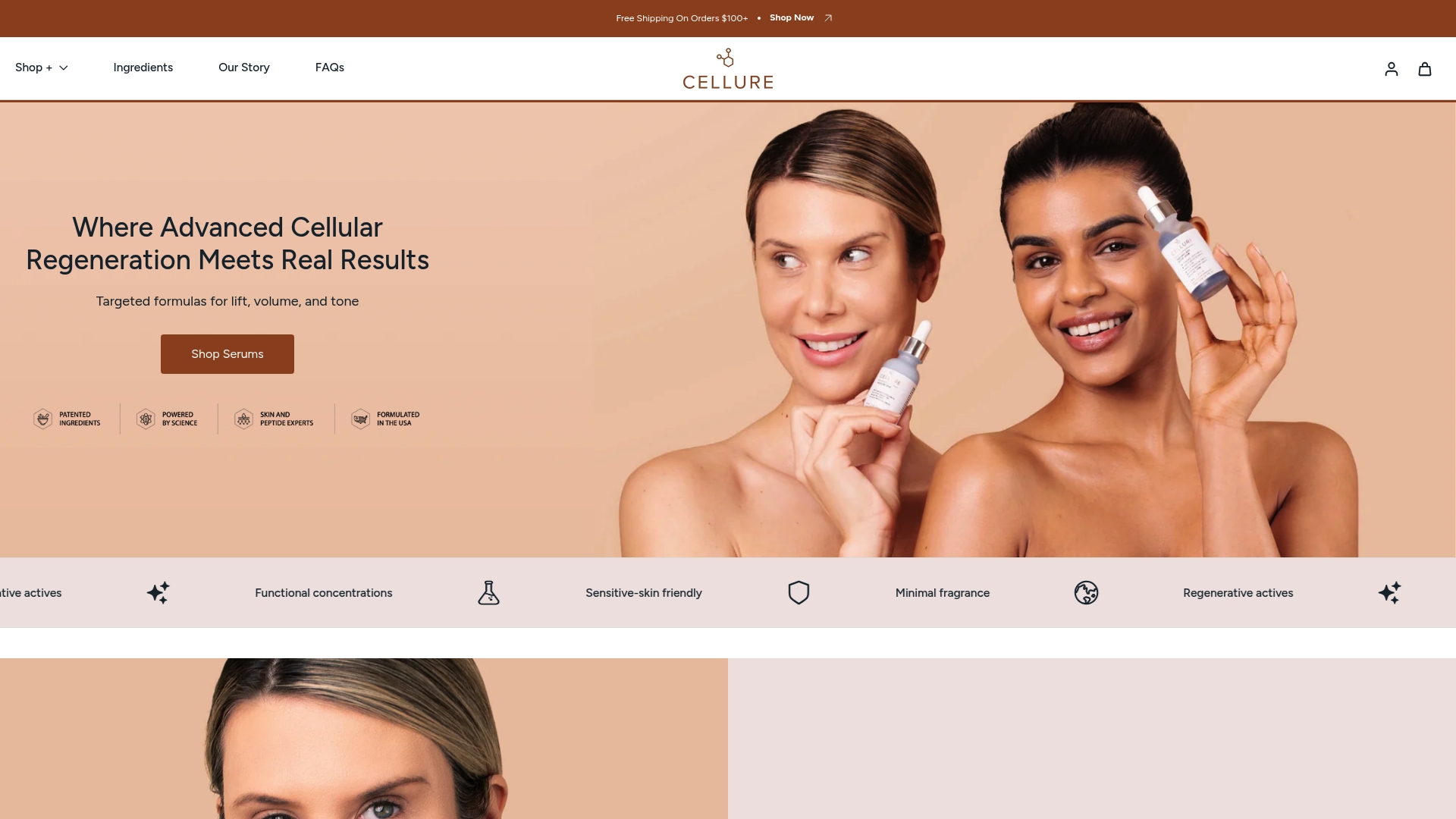
Cellure’s Complete Skin Repair Kit is built around bioactive ingredients, including peptides, polynucleotides, and tranexamic acid, that address barrier decline at its source rather than masking symptoms. Peptides signal the skin to rebuild its own lipid and collagen structures. Polynucleotides reduce the inflammation that perpetuates the damage cycle. The formulations are pH-appropriate and fragrance-free, designed to work with the acid mantle rather than against it.
For anyone coming from weeks of barrier stress, whether from over-exfoliation, harsh products, or age-related decline, the kit offers a structured path back to stable, resilient skin. Browse Cellure’s barrier-repairing ingredient guide to understand exactly what each ingredient does, then start the repair process with a formulation built for it.
Key Takeaways
A compromised skin barrier is recognizable early, and consistent, ingredient-focused care is the most reliable path to restoring it.
| Point | Details |
|---|---|
| Spot the signs early | Tightness after washing, stinging from products, and sudden flakiness are the clearest early signals. |
| Simplify before adding | Stripping the routine back to a gentle cleanser and ceramide moisturizer is the first repair step. |
| Aging slows recovery | Older skin takes significantly longer to rebuild barrier function, requiring more consistent, targeted care. |
| Match products to pH | A cleanser with a pH of 4.5–5.5 protects the acid mantle and prevents the inflammation cascade. |
| Cellure for cellular repair | The Complete Skin Repair Kit uses peptides, polynucleotides, and tranexamic acid to address barrier decline at the cellular level. |