


What Is Skin Lipid Barrier? Your 2026 Skin Health Guide
TL;DR:
- The skin lipid barrier is a protective layer composed of ceramides, cholesterol, and fatty acids that keeps skin hydrated and guards against irritants. Damage to this barrier causes symptoms like redness, flakiness, and increased sensitivity, often worsened by harsh cleansers and aging. Repair involves using lipid-rich products with correct pH levels, hydration, and avoiding irritating ingredients to restore skin health.
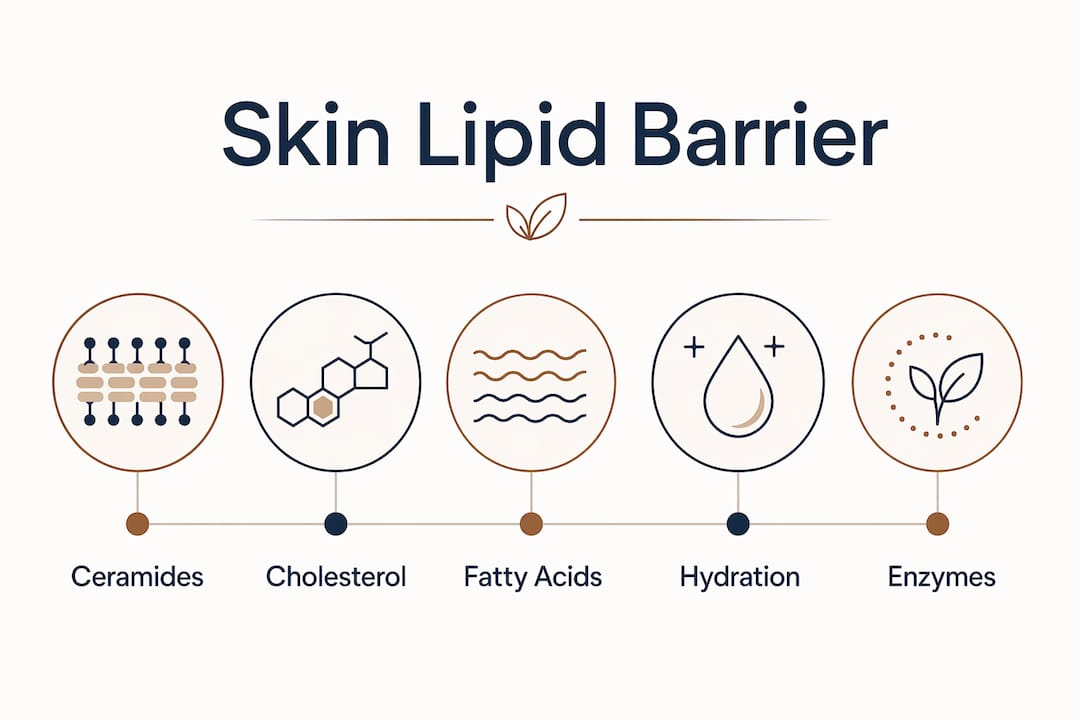
The skin lipid barrier is the protective, lipid-rich outer layer of your skin responsible for locking in moisture and blocking harmful substances from entering. Clinically, this structure is called the stratum corneum lipid matrix, and it sits at the outermost level of the epidermis. It is built from three key lipid types: ceramides, cholesterol, and free fatty acids, each playing a distinct role in keeping skin intact. For people with sensitive or aging skin, this layer is especially critical. When it weakens, skin becomes reactive, dry, and prone to inflammation. Understanding how it works is the first step toward protecting it.
What is the skin lipid barrier made of?
The skin lipid barrier follows what dermatologists call the “brick and mortar” model. Corneocytes, the flattened dead skin cells, act as the bricks. The lipid matrix surrounding them acts as the mortar. Without that mortar, the bricks fall apart and the wall fails.
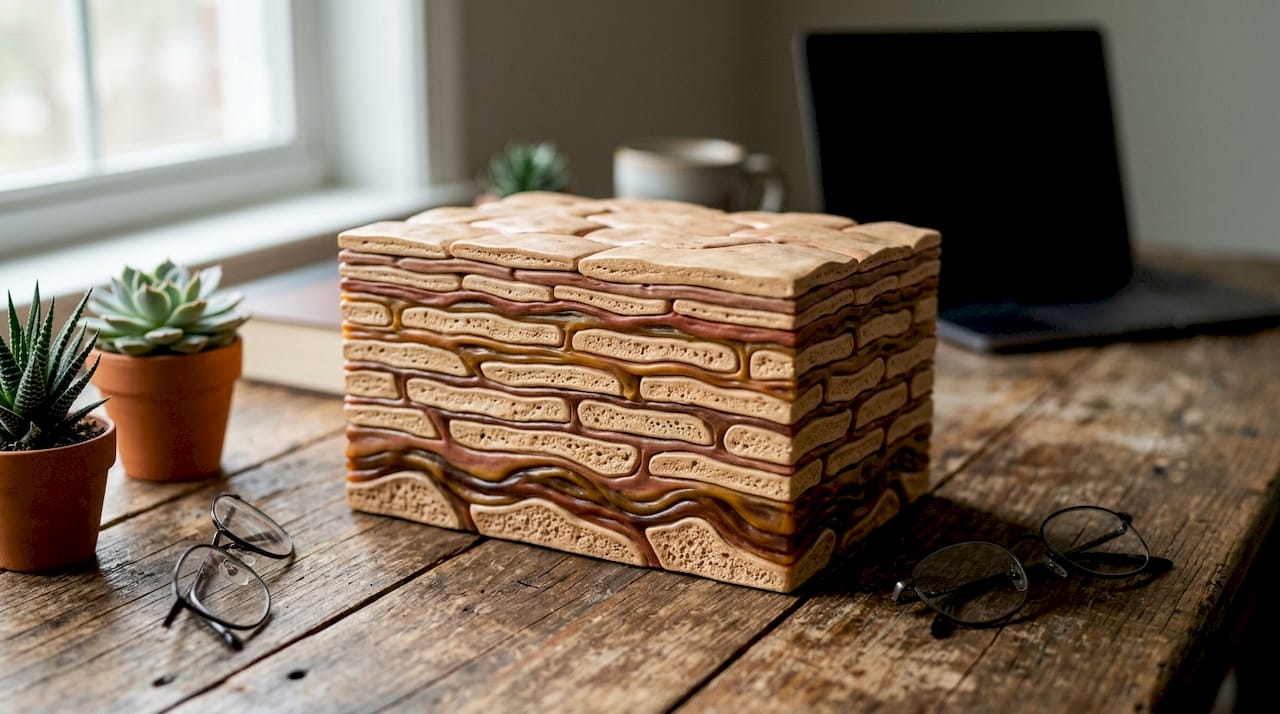
The lipid composition of this mortar is precise: ceramides make up roughly 40–50%, cholesterol accounts for about 25%, and free fatty acids contribute around 10–15%. These three components arrange themselves into flat, stacked structures called lamellar bodies. That layered arrangement is what gives the barrier its ability to block water loss and repel irritants.
Ceramides are the most abundant lipid and act as the primary “glue” holding the structure together. Cholesterol keeps the lipid layers fluid enough to function at body temperature. Free fatty acids maintain the skin’s slightly acidic pH, which sits around 4.5–5.5 on the pH scale. Each component depends on the others. Remove one, and the entire structure becomes porous.
Pro Tip: When reading moisturizer labels, look for all three lipid types together: ceramides, cholesterol, and fatty acids. A product with only ceramides misses the synergy your barrier actually needs.
The barrier also depends on hydration to function. Many of the enzymes that synthesize and process lipids are hydrolytic, meaning they require water to activate. Barrier repair enzymes become inactive below a certain water content threshold. This creates a damaging cycle: dehydration impairs lipid synthesis, which worsens barrier dysfunction, which causes more water loss.
| Lipid Component | Approximate Share | Primary Role |
|---|---|---|
| Ceramides | 40–50% | Structural cohesion and water retention |
| Cholesterol | ~25% | Fluidity and membrane flexibility |
| Free fatty acids | 10–15% | pH regulation and antimicrobial defense |
What are the signs of a compromised lipid barrier?
A damaged lipid barrier announces itself clearly. The most common signs include stinging or burning when you apply products that never bothered you before, persistent redness, flaky patches, and a sudden increase in skin sensitivity. These are not random reactions. They signal that the barrier has lost its ability to keep irritants out.
Clinical observations confirm that stinging and burning sensations on product application are among the most reliable indicators of lipid barrier disruption. That reaction means your skin’s defenses are down and nerve endings are exposed to substances they would normally never contact.
The causes of barrier damage fall into two broad categories: external and biological. External causes include:
- Harsh cleansers with high pH that strip lipids from the surface
- Over-exfoliation with acids or physical scrubs
- Environmental exposures like cold, dry air and UV radiation
- Poorly formulated skincare products that disrupt rather than support the barrier
Biological causes are equally significant. Aging skin shows altered lipid composition, with reduced ceramide levels and shorter fatty acid chains. This leads to decreased lipid density and measurably higher transepidermal water loss (TEWL) in mature skin. That is why people over 40 often notice their skin becoming drier and more reactive even without changing their routine.
Inflammatory conditions like eczema and rosacea are directly linked to barrier dysfunction. The lipid barrier is not a passive shield. It actively regulates immune responses, and when it fails, inflammatory skin diseases can worsen significantly. Recognizing signs of barrier damage early gives you the best chance of reversing the damage before it becomes chronic.
How can you repair and strengthen the skin lipid barrier?
Repairing the lipid barrier requires replacing what it has lost, and that means using the right ingredients in the right combinations. Ceramide-containing products work best when formulated alongside cholesterol and free fatty acids. Used alone, ceramides provide only partial benefit. Together, the three lipids mirror the barrier’s natural composition and restore it more effectively.
The skin does have its own repair system. Barrier self-repair mechanisms activate within hours of increased water loss, triggering lipid release and cytokine-mediated epidermal thickening. Your skin wants to heal. Your job is to stop doing things that interfere with that process and start doing things that support it.
Practical steps to support barrier repair include:
- Switch to a gentle, low-pH cleanser. High-pH cleansers raise skin pH, strip lipids, and reduce the effectiveness of any topical treatment you apply afterward.
- Apply a ceramide-rich moisturizer while skin is still slightly damp to lock in hydration.
- Avoid layering multiple active ingredients (retinoids, acids, vitamin C) during a repair phase. Give your barrier a break.
- Use products with antioxidants like niacinamide or vitamin E to reduce oxidative stress on the barrier.
- Prioritize skin hydration at every step, since water content directly controls how well repair enzymes function.
Pro Tip: During barrier repair, simplify your routine to three steps: a gentle cleanser, a lipid-rich moisturizer, and SPF. Add actives back one at a time only after sensitivity resolves.
For aging skin specifically, bioactive skincare ingredients like peptides can support the skin’s structural proteins while lipid-focused formulations address the barrier directly. The two approaches work together rather than competing.
How does the lipid barrier interact with the skin microbiome?
The skin lipid barrier and the skin microbiome are not separate systems. They function as partners. The lipid layer maintains the slightly acidic pH that allows beneficial bacteria like Lactobacillus and Staphylococcus epidermidis to thrive while suppressing pathogens. When the barrier breaks down, pH rises, and the microbial balance shifts toward harmful species.
Disruptions in lipid composition can alter microbial populations and trigger barrier pathologies. This means a damaged lipid barrier does not just let irritants in. It also destabilizes the microbial community that helps defend the skin in the first place. The result is a compounding problem: less physical protection and less microbial defense at the same time.
“The skin barrier is best understood as a multilayered defense system where physical lipid structures, chemical signals, immune cells, and microbial communities all work together. Treating it as a single layer to be ‘fixed’ with one product misses the full picture.”
The immune component of this system is equally important. Langerhans cells and other immune cells embedded in the epidermis monitor for threats. When the lipid barrier is intact, these cells remain in a regulated, low-alert state. When the barrier is compromised, immune activation increases, which explains why barrier damage so often triggers redness and inflammation even without an obvious external trigger.
| Barrier Layer | Primary Function | What Disrupts It |
|---|---|---|
| Lipid matrix | Physical seal, water retention | Harsh cleansers, aging, over-exfoliation |
| Acid mantle | pH regulation, antimicrobial defense | High-pH products, alkaline soaps |
| Skin microbiome | Microbial competition, immune modulation | Antibiotics, disrupted pH, barrier damage |
| Immune layer | Threat detection, inflammatory control | Chronic barrier dysfunction, allergens |
Key Takeaways
The skin lipid barrier is a dynamic, three-component system of ceramides, cholesterol, and free fatty acids that controls moisture retention, pH balance, and immune defense simultaneously.
| Point | Details |
|---|---|
| Lipid composition matters | Ceramides, cholesterol, and fatty acids must work together to restore the barrier effectively. |
| Hydration drives repair | Barrier repair enzymes need adequate water content to activate and synthesize new lipids. |
| pH is non-negotiable | High-pH cleansers strip lipids and block topical treatments from working, regardless of their ingredients. |
| Aging changes the barrier | Mature skin produces fewer ceramides and shorter fatty acid chains, raising water loss and sensitivity. |
| Microbiome and barrier are linked | Lipid disruption shifts microbial balance, compounding inflammation and immune reactivity. |
What I’ve learned from watching people repair their barrier wrong
Most people approach barrier repair the way they approach every other skincare goal: by adding more products. That instinct is exactly backwards. The barrier does not need more stimulation. It needs less interference and more of the right building blocks.
The most overlooked factor is pH. You can apply the best ceramide moisturizer available, but if you are washing your face with an alkaline bar soap first, you are neutralizing the acid mantle and undermining your formulation before it even has a chance to work. Fixing your cleanser is often more impactful than upgrading your moisturizer.
The second thing people miss is patience. The barrier does not repair in three days. Realistic recovery for a significantly compromised barrier takes four to eight weeks of consistent, gentle care. Expecting fast results leads to re-introducing actives too soon, which restarts the damage cycle.
The third misconception is that “natural” products are automatically safe for a damaged barrier. Fragrance, essential oils, and certain plant extracts are among the most common ingredients that weaken the skin barrier, regardless of their origin. The barrier does not care whether an irritant is synthetic or botanical. It responds to the chemistry, not the marketing.
Barrier health is not a single-ingredient fix. It is a system. Address the lipid composition, the pH, the hydration, and the microbiome together, and the skin will do most of the repair work on its own.
— Sara
Cellure’s approach to lipid barrier support
Repairing the lipid barrier calls for formulations built around the barrier’s actual chemistry, not just moisturizing claims.
Cellure’s Complete Skin Repair Kit is designed with that chemistry in mind. The kit combines lipid-supportive ingredients aligned with the ceramide, cholesterol, and fatty acid ratios the stratum corneum needs to restore itself. Formulations stay within a skin-compatible pH range and prioritize hydration to keep repair enzymes active. The approach suits sensitive skin and aging skin equally, since both share the same core problem: a lipid matrix that needs rebuilding, not just surface-level moisture. For anyone ready to move from reactive skincare to genuine barrier repair, the kit offers a structured starting point.
FAQ
What is the skin lipid barrier, exactly?
The skin lipid barrier is the lipid-rich outer layer of the stratum corneum, composed primarily of ceramides, cholesterol, and free fatty acids arranged in lamellar structures. It prevents transepidermal water loss and blocks external irritants from penetrating the skin.
How do I know if my lipid barrier is damaged?
Stinging or burning when applying products, sudden new sensitivity, persistent redness, and flaky patches are the most reliable signs of a compromised lipid barrier. These symptoms indicate the barrier has lost its ability to keep irritants out and moisture in.
Can the skin lipid barrier repair itself?
Yes. The skin activates self-repair mechanisms within hours of barrier disruption, releasing lipids and thickening the epidermis. Supporting this process with gentle, lipid-rich products and adequate hydration significantly speeds recovery.
Why does aging affect the skin lipid barrier?
Aging reduces ceramide production and shortens fatty acid chains, lowering lipid density in the stratum corneum. This leads to higher transepidermal water loss and increased sensitivity in mature skin.
Does skin pH affect lipid barrier health?
Skin pH directly controls barrier function. High-pH cleansers strip surface lipids and disrupt the acid mantle, which reduces the effectiveness of any topical barrier repair product applied afterward.