


Examples of Fortifying Skin Serums for Stronger Skin
TL;DR:
- Fortifying skin serums contain active ingredients that strengthen the skin barrier, hydrate, and shield against aging. They deliver visible results within weeks by supporting lipid production, neutralizing free radicals, and enhancing cellular hydration. Using a targeted serum consistently on clean, damp skin maximizes its skin-repairing benefits.
Fortifying skin serums are skincare products formulated with active ingredients that strengthen the skin barrier, hydrate deeply, and protect against aging and environmental aggressors. The best examples of fortifying skin serums combine niacinamide, antioxidants, peptides, and hydrating compounds to deliver measurable results. Clinical trials confirm that consistent use of these formulations reduces redness, improves texture, and rebuilds barrier function within weeks. If you want skin that resists daily damage and shows fewer signs of aging, a barrier-focused serum is the most direct path there.
1. Examples of fortifying skin serums with barrier-boosting niacinamide
Niacinamide is the most clinically supported active ingredient in barrier-focused serums. It enhances essential skin components that support hydration and barrier strength, directly countering the dryness and irritation that accelerate aging. Dermatologists recommend it for both sensitive and mature skin because it works without causing irritation.
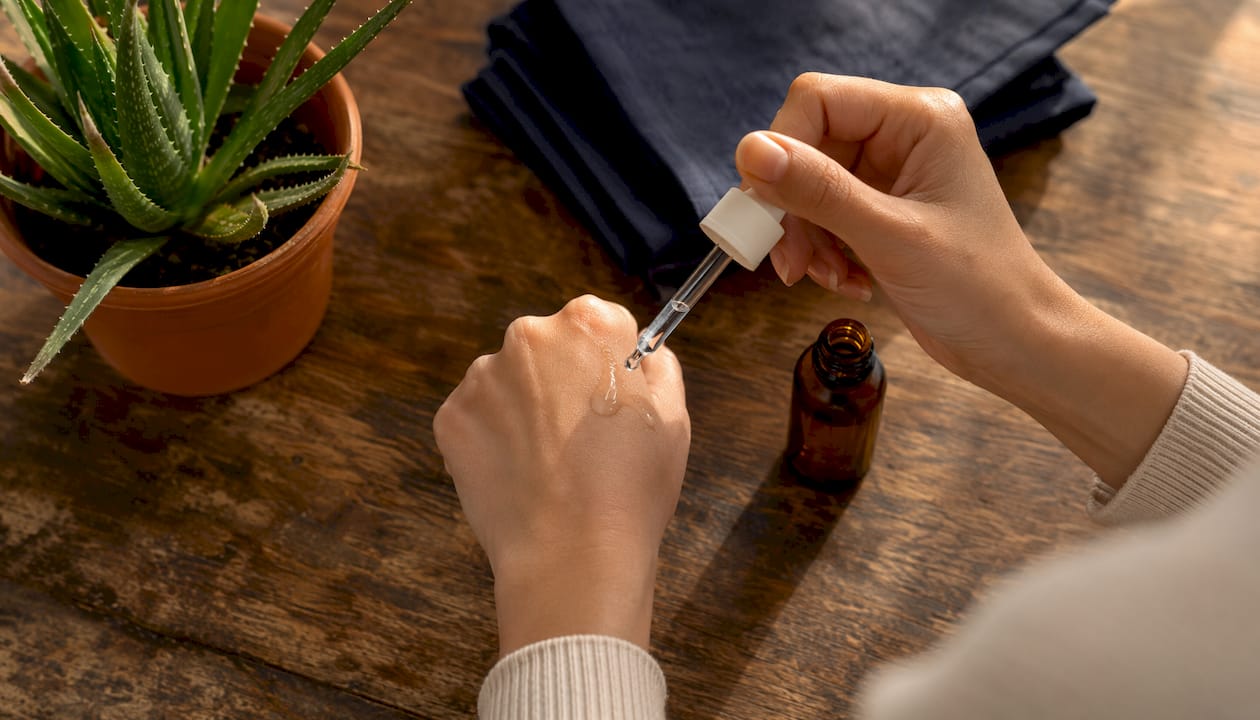
A standout category is serums that pair niacinamide with a mineral herb complex. Clinical testing on one such formula showed a 16% improvement in skin barrier strength and a 28% improvement in skin texture within 4 weeks of twice-daily use. Participants also recorded a 29% reduction in visible redness and a 22% increase in skin plumping. Those numbers represent real, visible change in under a month.
Pro Tip: If you have sensitive skin, choose a niacinamide serum with a concentration between 5% and 10%. Higher concentrations can cause temporary flushing in reactive skin types.
2. Vitamin B12 and niacinamide serums for fast barrier repair
Some of the fastest-acting fortifying serums on the market combine Vitamin B12 with niacinamide. A soothing and barrier support serum with this combination can repair the skin barrier in as little as 2 hours after a single application. That speed matters for people dealing with reactive skin or post-procedure sensitivity.
One notable detail about Vitamin B12 serums: they carry a vibrant pink color. This is not a cosmetic choice. The pink color reflects active B12 content, which signals functional barrier support and redness reduction. Shoppers who understand this are less likely to dismiss effective formulas based on appearance alone.
3. Antioxidant-rich serums with Gallic Acid and Vitamin E
Antioxidant serums protect the skin by neutralizing free radicals before they break down collagen and weaken the barrier. The most effective formulas go beyond Vitamin C. Gallic Acid paired with Vitamin E has been shown to double antioxidant effectiveness compared to Vitamin C alone.
Clinical results for this type of formula are strong. One antioxidant defense serum reduced fine lines by 32% and visible pores by 28% within 4 weeks. It also reduced signs of sensitivity by 86%. These are the kinds of results that make antioxidant serums a core part of any anti-aging routine.
4. Botanical serums with Calendula for sensitive and reactive skin
Calendula is one of the most effective botanical actives for reactive skin. A Calendula serum clinically proven to reduce redness and soothe sensitivity also increases skin hydration instantly by 20% and improves the moisture barrier by 23%. Every participant in clinical testing reported reduced skin sensitivity.
This category of natural fortifying serum suits people who react poorly to synthetic actives. Calendula works by calming inflammation at the surface while reinforcing the lipid layer underneath. For anyone dealing with chronic redness or post-treatment sensitivity, a Calendula-based formula is a reliable starting point. You can read more about calming approaches in Cellure’s guide to soothing skincare solutions.
5. Peptide and squalane serums for aging skin resilience
Mature skin loses barrier resilience faster than younger skin. Serums formulated with biomimetic peptides, antioxidants, and squalane address this directly by rebuilding barrier function and improving skin bounce-back. Squalane mimics the skin’s own lipid structure, which makes it exceptionally well tolerated by dry and aging skin.
This type of formula also redensifies the skin’s appearance over time. Barrier-restoring botanicals in these serums help skin recover from daily stressors while maintaining suppleness. For anyone whose skin feels thin, crepey, or slow to recover, a peptide-squalane serum is the most targeted option available. Cellure’s science-backed anti-aging serums guide covers how these mechanisms translate to visible results.
6. Triple hyaluronic acid serums for deep hydration and plumping
Hyaluronic acid serums work by drawing moisture into the skin and holding it there. Triple hyaluronic acid blends use molecules of different sizes to hydrate at multiple skin depths simultaneously. The result is a plumping effect that reduces the appearance of fine lines without any active anti-aging ingredient.
This category suits dry skin types and anyone whose skin looks dull or deflated. The hydration effect is visible quickly, often within 24–48 hours of first use. For long-term benefit, these serums work best when applied to damp skin and sealed with a moisturizer. Pairing deep hydration with a barrier-strengthening active like niacinamide produces faster, more durable results.
7. How fortifying serums strengthen the skin barrier
Fortifying serums work through three main mechanisms: lipid layer support, free radical neutralization, and cellular hydration. Niacinamide supports the production of ceramides and fatty acids that form the skin’s lipid barrier. Without these, the barrier becomes porous and reactive. You can explore the full science in Cellure’s breakdown of how skin strengthening serums work.
Antioxidants like Vitamin E and Gallic Acid neutralize free radicals generated by UV exposure and pollution. Free radicals are the primary cause of collagen breakdown and barrier degradation. Stopping them before they cause damage is more effective than trying to repair damage after the fact.
Hyaluronic acid and squalane work on the third mechanism: cellular hydration. Dehydrated skin cells cannot perform barrier repair efficiently. Keeping cells hydrated accelerates the skin’s own recovery processes and improves the visible texture of the surface.
8. Choosing the right fortifying serum for your skin type
Matching a serum to your skin type determines how quickly you see results. The wrong formula can cause breakouts, irritation, or a greasy finish that discourages consistent use.
- Sensitive skin: Choose serums with Calendula, niacinamide, or Vitamin B12. Avoid high concentrations of exfoliating acids. Look for fragrance-free formulas. Cellure’s sensitive skin serum guide covers the safest options for reactive skin.
- Dry or dehydrated skin: Prioritize triple hyaluronic acid or squalane-based formulas. Apply to damp skin for maximum absorption.
- Aging or mature skin: Select peptide serums with antioxidant support. These address both barrier thinning and collagen loss simultaneously.
- Redness-prone skin: Botanical serums with Calendula or niacinamide reduce visible redness while rebuilding the barrier. Avoid alcohol-based formulas.
- Post-procedure skin: A fast-acting Vitamin B12 and niacinamide serum that repairs the barrier within 2 hours is the most appropriate choice after treatments like peels or laser.
Pro Tip: Layer your fortifying serum under a moisturizer, not over it. Serums penetrate best on clean, slightly damp skin before heavier products seal the surface.
Pairing your serum with skin support supplements can extend the barrier-strengthening effect from the inside out. Nutrients like zinc, omega-3 fatty acids, and Vitamin C support the same lipid and collagen structures that topical serums target.
9. Comparing fortifying serum categories at a glance
| Serum category | Primary actives | Best for | Key benefit |
|---|---|---|---|
| Niacinamide + mineral herb | Niacinamide, botanical extracts | All skin types, aging skin | Barrier strength, texture, redness |
| Vitamin B12 + niacinamide | B12, niacinamide | Sensitive, post-procedure skin | Fast barrier repair (2 hours) |
| Antioxidant defense | Gallic Acid, Vitamin E | Aging, pollution-exposed skin | Free radical protection, pore reduction |
| Botanical (Calendula) | Calendula extract | Reactive, redness-prone skin | Instant hydration, sensitivity relief |
| Peptide + squalane | Biomimetic peptides, squalane | Mature, dry, aging skin | Barrier resilience, redensification |
| Triple hyaluronic acid | Hyaluronic acid (multi-weight) | Dry, dehydrated skin | Deep plumping, moisture retention |
Key takeaways
The most effective fortifying serums combine barrier-strengthening actives like niacinamide, antioxidants, and peptides to deliver measurable improvements in skin resilience, hydration, and aging signs within 4 weeks.
| Point | Details |
|---|---|
| Niacinamide is the anchor ingredient | It supports ceramide production and hydration, making it effective for both sensitive and aging skin. |
| Fast barrier repair is possible | Vitamin B12 and niacinamide serums can restore barrier function in as little as 2 hours. |
| Antioxidants outperform Vitamin C alone | Gallic Acid and Vitamin E together double antioxidant effectiveness compared to Vitamin C. |
| Match serum to skin type | Sensitive skin needs Calendula or B12 formulas; aging skin benefits most from peptide-squalane blends. |
| Layering order matters | Apply serum to damp skin before moisturizer to maximize absorption and barrier repair. |
Why fortifying serums deserve a permanent spot in your routine
I have spent years watching people cycle through moisturizers and treatments while overlooking the one product category that actually changes the skin’s baseline: the fortifying serum. Moisturizers hydrate the surface. Treatments target specific concerns. But a barrier-focused serum changes how the skin functions at a structural level.
What surprises most people is how fast the results appear. Clinical data showing barrier repair in 2 hours or a 29% redness reduction in 4 weeks is not marketing language. Those are controlled study outcomes. The skin responds quickly when you give it the right building blocks.
The formulation trend I find most interesting right now is the move toward ingredient synergy. Niacinamide alone is effective. Niacinamide paired with Vitamin B12, squalane, or a botanical complex is significantly more effective. The best formulas are not single-ingredient products. They are designed around how actives amplify each other.
My practical advice: do not rotate serums constantly. Pick one formula matched to your primary concern, use it twice daily for at least 4 weeks, and evaluate the results. Consistency produces the clinical outcomes. Switching products every two weeks does not.
— Sara
Cellure’s Complete Skin Repair Kit for total barrier fortification
Cellure builds its formulations around the same clinically supported actives covered throughout this article: peptides, barrier-restoring botanicals, and regenerative bioactives that work at the cellular level.
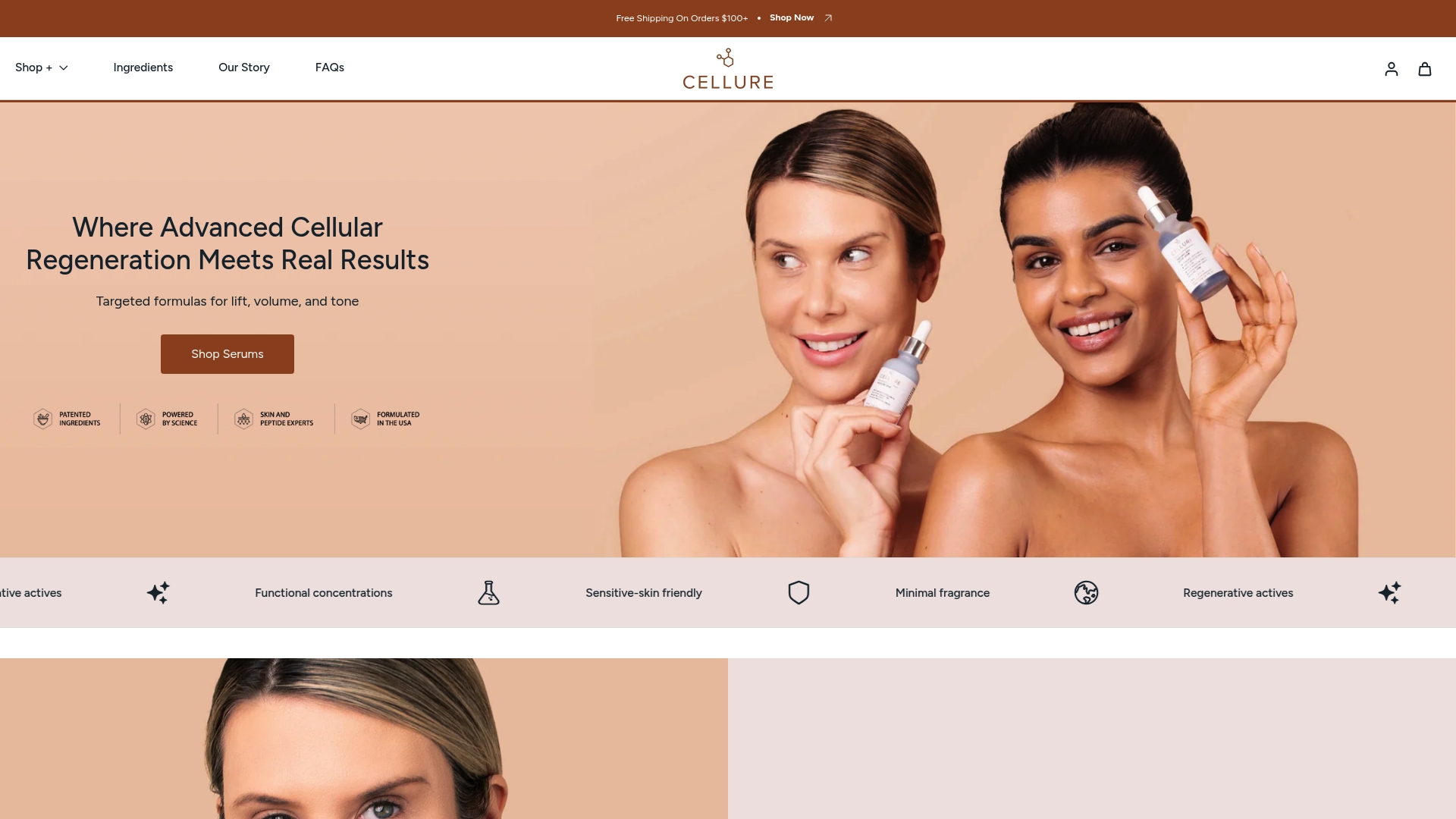
The Complete Skin Repair Kit from Cellure brings together targeted serums for lifting, calming, and barrier repair in one coordinated system. Each product in the kit is formulated to complement the others, so the actives work together rather than competing. For anyone serious about building long-term skin resilience, this kit removes the guesswork of pairing individual products. It is designed for all skin types, including sensitive and mature skin, and is backed by the same regenerative science that clinical studies confirm works.
FAQ
What are fortifying skin serums?
Fortifying skin serums are concentrated treatments formulated with actives like niacinamide, peptides, and antioxidants that strengthen the skin barrier, improve hydration, and reduce signs of aging. They differ from moisturizers by delivering active ingredients at a deeper skin level.
How quickly do fortifying serums show results?
Clinical studies show that barrier repair can begin within 2 hours of a single application, with visible improvements in redness, texture, and plumping measurable within 4 weeks of consistent twice-daily use.
Which ingredients are most effective in fortifying serums?
Niacinamide, Vitamin B12, Gallic Acid, Vitamin E, biomimetic peptides, squalane, and Calendula extract are the most clinically supported actives for barrier strengthening and anti-aging results.
Are fortifying serums safe for sensitive skin?
Yes. Serums formulated with Calendula, niacinamide, or Vitamin B12 are well-suited for sensitive skin. One Calendula serum soothed 100% of participants in clinical testing while improving the moisture barrier by 23%.
How do you use a fortifying serum correctly?
Apply the serum to clean, slightly damp skin before your moisturizer. Use it twice daily for at least 4 weeks to see measurable barrier and texture improvements. Consistent daily use produces better results than occasional application.