


Benefits of Polynucleotides for Skin: Science-Backed Guide
TL;DR:
- Polynucleotides stimulate skin repair pathways to improve hydration, elasticity, and texture over multiple sessions. They activate collagen and elastin production gradually, making them ideal for skin quality improvements in early aging and sensitive areas. The effectiveness depends on high-quality formulations with transparent molecular weight and purity, administered in a series of treatments and supported by proper sequencing with other procedures.
Polynucleotides stimulate the skin’s natural repair pathways to improve hydration, elasticity, texture, and long-term dermal quality. If you’ve been researching non-invasive rejuvenation and keep seeing this ingredient mentioned alongside fillers and Botox, here’s what actually matters:
The core benefits at a glance:
- Deeper, longer-lasting hydration from the hydrophilic polymer structure
- Increased firmness and elasticity through collagen and elastin stimulation
- Smoother texture and reduced fine lines as the extracellular matrix rebuilds
- Anti-inflammatory effects that support healing and reduce redness
- Improved under-eye quality and scar remodeling in sensitive areas
- Better skin tone and brightness over a treatment series
Who benefits most: Adults with early-to-moderate signs of aging, thin or crepey skin, or anyone who wants gradual, natural-looking improvement rather than immediate volume. Polynucleotides are particularly well-suited to people who’ve tried hyaluronic acid fillers and found them too “done-looking,” or who want a foundational treatment before other procedures.
If any of this fits your goals, the next step is a conversation with a licensed clinician or a close look at high-quality topical and injectable formulations. The rest of this guide gives you the science and the questions to ask.
Table of Contents
- What polynucleotides are and how they differ from PDRN, peptides, and fillers
- How polynucleotides work in the skin
- The detailed benefits of polynucleotides for skin health
- What the clinical evidence shows and the safety profile
- What a typical treatment protocol looks like
- How polynucleotides compare with fillers, Botox, Profhilo, and PRP
- How to sequence polynucleotides with microneedling, lasers, and fillers
- How to choose high-quality polynucleotide products and what to ask your clinician
- Who benefits most from polynucleotide therapy
- Key Takeaways
- Why polynucleotides deserve more credit than they get
- Cellure’s Complete Skin Repair Kit supports your PN journey at home
- Useful sources for further reading
What polynucleotides are and how they differ from PDRN, peptides, and fillers
Polynucleotides (PNs) are long-chain DNA-derived biopolymers, typically extracted from salmon or trout sperm DNA or, increasingly, produced via microbial biotechnology. In aesthetic medicine, they’re used as injectable or topical agents to stimulate the skin’s own repair biology rather than to fill or freeze anything.
The terminology gets confusing fast, so a quick breakdown:
PNs vs. PDRNs: The distinction is primarily molecular weight. Polydeoxyribonucleotides (PDRNs) are shorter DNA fragments, generally below approximately 1,500 kDa. Polynucleotides are longer chains above that threshold. The practical difference: longer PN chains are more hydrophilic, degrade more slowly in tissue, and tend to deliver higher hydration capacity and a longer residence time in the dermis. Both activate similar regenerative pathways, but the molecular weight affects how long the effect lasts and how much hydration the molecule can hold.
PNs vs. peptides: Peptides are short amino-acid chains that signal specific cellular processes, such as collagen synthesis or muscle relaxation. PNs work at a different scale entirely. They supply nucleotide building blocks directly to cells and activate receptor-mediated repair cascades. Think of peptides as targeted messengers; PNs are more like a construction supply depot combined with a repair signal.
PNs vs. HA fillers: Hyaluronic acid fillers add immediate volume by physically occupying space in the dermis. Polynucleotides don’t volumize. They activate biology. The result is gradual, not instant, but the skin quality improvement is structural rather than mechanical.
“Unlike HA fillers that provide immediate volume by occupying space, polynucleotide injections activate repair-and-build biology, resulting in gradual collagen and elastin increase rather than immediate contour change.” — MDPI Biomolecules review
Formulation formats include liquid PDRN injectables, PN hydrogels (which combine the polymer’s hydrophilic properties with a gel carrier for slower release), and topical serums that deliver lower-MW fragments through the skin barrier. Each format has different depth of action and clinical use cases.
How polynucleotides work in the skin
The mechanism starts with enzymatic degradation. Once injected into the dermis, PN chains are broken down by nucleases into individual nucleotides and nucleosides. Those fragments do two things simultaneously: they bind to adenosine A2A receptors on fibroblasts, triggering a repair-signaling cascade, and they feed directly into the cell’s salvage pathway, supplying raw materials for DNA repair and new protein synthesis.
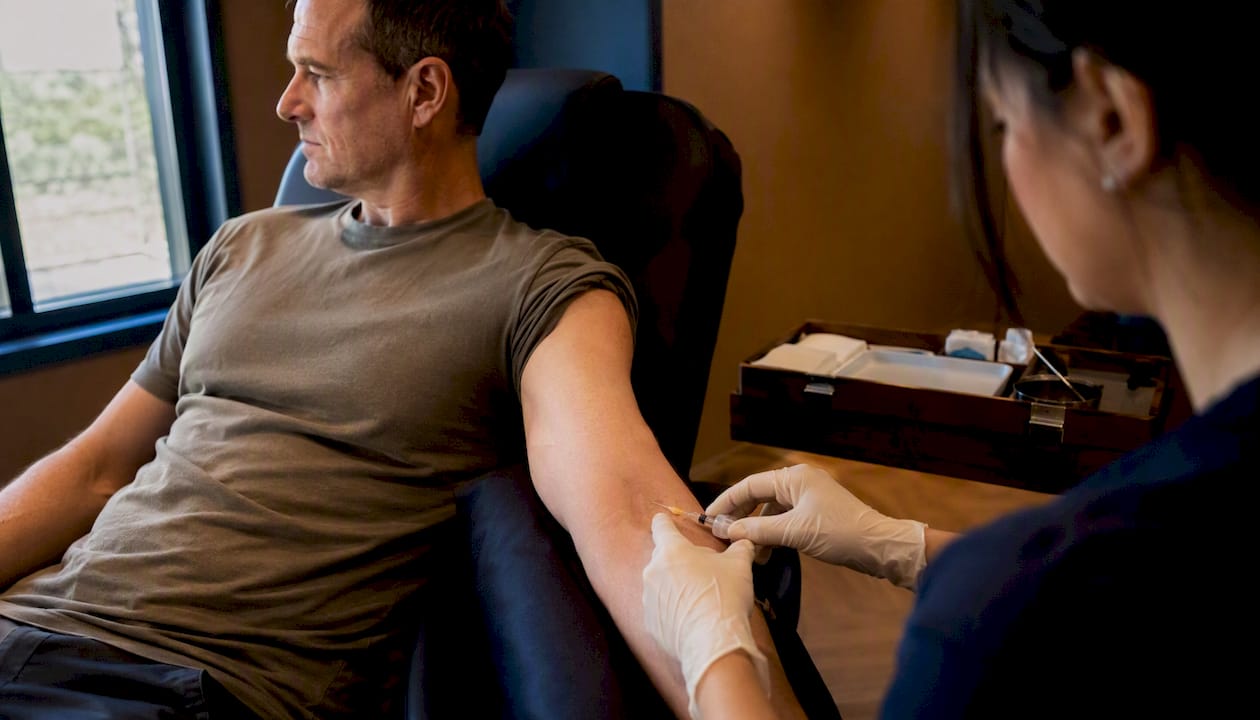
The A2A receptor activation is the more studied of the two mechanisms. When adenosine binds these receptors, fibroblasts upregulate production of collagen type I and III, elastin, and other extracellular matrix (ECM) proteins. The same signaling pathway also suppresses pro-inflammatory cytokines, which is why clinical summaries consistently report anti-inflammatory effects alongside the structural improvements.
The salvage pathway contribution is subtler but meaningful. Rather than synthesizing nucleotides from scratch (an energy-expensive process), cells can recycle the fragments PNs provide. This supports faster tissue repair, particularly in damaged or chronically stressed skin.
Downstream, the effects compound: increased collagen and elastin synthesis rebuilds the ECM scaffold that gives skin its firmness and bounce. Angiogenesis, the formation of new capillaries, improves tissue oxygenation. The hydrophilic polymer structure of longer PN chains also directly attracts and retains water molecules in the dermis, contributing to the hydration effect before any collagen remodeling even begins.
Key mechanism summary: PNs work through two parallel routes: receptor-mediated fibroblast activation and direct nucleotide supply to the salvage pathway. Both converge on improved ECM quality, reduced inflammation, and better hydration.
The MDPI Biomolecules review describes this dual mechanism as central to understanding why PN effects are gradual and cumulative rather than immediate, and why a series of treatments outperforms a single session.
The detailed benefits of polynucleotides for skin health
Here’s where the science translates into what you actually see and feel. Each benefit below is tied to the mechanism that drives it, with realistic expectations attached.
The primary benefits:
- Improved hydration: The hydrophilic polymer structure attracts water directly, while ECM restoration improves the skin’s long-term moisture-retention capacity. This is often the first change people notice.
- Increased firmness and elasticity: Collagen type I and III synthesis rebuilds the structural scaffold. Elastin production restores the skin’s ability to spring back. These changes are gradual, accruing across sessions.
- Refined texture and reduced pore appearance: As the ECM remodels, surface irregularities smooth out. Pores appear smaller because the surrounding tissue is better supported.
- Reduced fine lines: Particularly the superficial, crepey lines caused by dermal thinning rather than muscle movement. PNs address the underlying tissue quality rather than the muscle activity.
- Improved under-eye quality: The periorbital area is one of the most requested treatment zones. PNs are well-tolerated in sensitive areas because they use biocompatible DNA fragments and carry a low reported incidence of nodules or granulomas compared with thicker synthetic fillers.
- Scar remodeling: Anti-inflammatory signaling and ECM rebuilding support scar tissue improvement over time, including acne scars and stretch marks.
- Post-procedure healing support: PNs are increasingly used after resurfacing procedures to accelerate tissue repair and reduce downtime.
- Pigmentation support: Some clinical reports note improved skin tone and brightness, likely related to reduced inflammation and improved cellular turnover, though this is a secondary rather than primary indication.
Benefit vs. expectation
| Benefit | Typical onset | Realistic outcome |
|---|---|---|
| Hydration and glow | 2–4 weeks after first session | Noticeable, often the earliest visible change |
| Firmness and elasticity | 4–8+ weeks, builds across series | Gradual improvement; subtle after one session |
| Texture and fine lines | 6 weeks | Moderate improvement over a full series |
| Under-eye quality | 4–8 weeks | Subtle to moderate; best with multiple sessions |
| Scar remodeling | 8 weeks | Gradual; requires consistent treatment |
| Pigmentation/brightness | Variable | Secondary benefit; results vary by skin type |
Pro Tip: Don’t judge polynucleotides after a single session. The collagen remodeling that drives most of the visible results takes weeks to months to manifest. Practitioners who see the best outcomes treat PNs as a foundational course, not a one-off procedure.
What the clinical evidence shows and the safety profile
The honest summary: clinical studies and reviews support PNs’ regenerative effects and favorable safety profile, but high-quality randomized controlled trial (RCT) data and long-term follow-up studies remain limited compared with the evidence base for HA fillers.
The MDPI Biomolecules review provides one of the more thorough mechanistic and clinical summaries available, covering fibroblast activation, ECM protein synthesis, and improved hydrobalance after PN and PDRN treatment. The review also proposes the molecular-weight cutoff (~1,500 kDa) that distinguishes PDRNs from PNs, which has practical implications for product selection, although exact molecular weight figures are not disclosed.
Published research on PDRN supports the A2A receptor mechanism and tissue repair effects across multiple tissue types, not just skin. Separate clinical work has examined wound healing and anti-inflammatory outcomes. The skin-specific aesthetic evidence is growing but still skewed toward smaller studies and clinical case series rather than large RCTs.
Key clinical findings
| Study type | Primary finding |
|---|---|
| Mechanistic review (MDPI, 2025) | Dual mechanism confirmed: A2A receptor activation + salvage pathway supply; ECM protein synthesis increased |
| Clinical case series | Improved hydration, elasticity, and texture reported across multiple sessions; periorbital area well-tolerated |
| Comparative analysis | PN efficacy comparable to certain high-MW HA injections in some tissue repair indications |
| Safety review | Low incidence of nodules/granulomas; mild transient reactions most common |
Safety profile:
- Common mild reactions: transient erythema, bruising at injection site, minor swelling
- Serious adverse events: rare; low reported incidence of nodules or granulomas
- Contraindications: active infection at treatment site, known hypersensitivity to the source material (fish-derived products), pregnancy and breastfeeding (precautionary), autoimmune conditions (clinician assessment required)
- Production quality directly affects safety: formulations without transparent molecular-weight and purity data introduce unpredictability into both efficacy and adverse event risk
The safety advantage over thicker synthetic fillers is real, particularly in delicate zones. But “well-tolerated” doesn’t mean risk-free, and the quality of the formulation matters as much as the treatment itself.
What a typical treatment protocol looks like
A standard PN course runs 2–4 sessions spaced 2–4 weeks apart. The spacing matters because each session builds on the collagen remodeling triggered by the last. Compressing sessions too tightly doesn’t accelerate results; it just increases the inflammatory load without giving the ECM time to respond.
Timeline of changes:
- Weeks 1–2: Skin feels more hydrated. Some people notice a subtle glow. These early changes reflect the direct hydrophilic effect of the polymer, not collagen remodeling.
- Weeks 3–4: Subtle improvements in skin tone and texture begin to appear. Elasticity starts to improve.
- Weeks 4–8+: Collagen-driven changes become more visible. Firmness, fine-line reduction, and texture refinement are more apparent. This is where the structural benefit of the treatment shows up.
- Months 3–6: Full results from a completed course. Maintenance sessions every 3–6 months are typical to sustain outcomes.
Downtime: Minimal. Transient redness and minor bruising at injection sites are the most common immediate effects. Most people return to normal activity the same day.
Factors that affect cost:
- Formulation type: PN hydrogels typically cost more than liquid PDRN formulations
- Clinician experience and geographic market (US urban markets command higher fees)
- Treatment area: periorbital and neck areas often carry different pricing than full-face protocols
- Session count: a full course of 3–4 sessions represents a meaningful investment; single sessions are rarely the recommended approach
How polynucleotides compare with fillers, Botox, Profhilo, and PRP
The most useful framing: these treatments solve different problems. Choosing between them isn’t about which is “better” — it’s about matching the mechanism to the goal.
| Treatment category | Mechanism | Onset | Best for | Primary risk |
|---|---|---|---|---|
| Polynucleotides | Fibroblast activation, ECM rebuilding | Gradual (weeks to months) | Skin quality, hydration, texture, thin/crepey skin | Mild injection-site reactions; formulation quality variability |
| HA fillers | Volume replacement, space occupation | Immediate | Volume loss, deep folds, contouring | Vascular occlusion, migration, overfilling |
| Neuromodulators (Botox) | Muscle relaxation | Days | Dynamic lines (forehead, crow’s feet) | Ptosis, asymmetry, temporary |
| Profhilo / HA skin boosters | Hydration, mild tissue remodeling | 2–4 weeks | Hydration, mild laxity | Injection-site reactions, temporary |
| PRP / PRF | Autologous growth factor release | Gradual | Tissue repair, hair restoration, wound healing | Bruising, variable results by individual |
PNs sit closest to PRF injections in their regenerative intent, but they use a standardized formulation rather than the patient’s own plasma, which means more predictable dosing. The tradeoff is that PRP/PRF draws on the patient’s own biology, which some practitioners prefer for certain indications.
Comparative analyses suggest PN efficacy is comparable to certain high-MW HA injections in tissue repair contexts, with a different risk profile. HA fillers carry mechanical risks (vascular occlusion being the most serious) that PNs don’t, because PNs don’t add physical volume. For delicate areas like the under-eye or neck, that distinction matters.
When to choose PNs: Skin quality improvement, hydration, early aging, thin or crepey skin, sensitive areas, or as a foundation before other procedures.
When PNs aren’t the first-line choice: Urgent volume restoration (significant hollowing, deep nasolabial folds), dynamic lines that need muscle relaxation, or when immediate visible results are the priority.
How to sequence polynucleotides with microneedling, lasers, and fillers
Sequencing matters more than most people realize. Combining PNs with other procedures can amplify results, but doing it wrong increases inflammation, delays healing, and can reduce the efficacy of both treatments.
Common combinations and sequencing guidance:
- Microneedling + PNs: One of the most effective pairings. Microneedling creates microchannels that enhance PN absorption while simultaneously triggering collagen induction. PNs can be applied topically immediately after microneedling or injected in a separate session. If injected, allow 2–4 weeks between sessions to avoid overlapping inflammatory responses.
- Laser resurfacing + PNs: PNs are well-suited as a post-laser recovery support. Apply or inject PNs after the skin has completed initial healing (typically 1–2 weeks post-ablative laser, sooner for non-ablative). The anti-inflammatory and ECM-rebuilding effects accelerate recovery and improve final texture outcomes.
- Fillers, then PNs: This is the preferred sequence when combining both. Place fillers first to restore volume and structural support, then follow with a PN series to improve the surrounding skin quality. Reversing the order risks disrupting filler placement with subsequent injections.
- PNs before resurfacing: Using a PN course to prime the skin before a laser or chemical peel can improve tissue resilience and post-procedure recovery. Allow the PN series to complete (or at least 2 sessions in) before scheduling resurfacing.
Safety notes for sensitive areas:
- Periorbital treatments require a clinician experienced specifically in this zone. The tissue is thin, vascular anatomy is variable, and swelling is more pronounced.
- Never overlap two inflammatory procedures without adequate healing time. Stacking microneedling and laser in the same week, for example, significantly increases adverse event risk.
Pro Tip: Space PN sessions and any resurfacing procedures by at least 2 weeks in either direction. The collagen remodeling window from each treatment needs room to work without competing inflammatory signals. Your results at 3 months will be noticeably better for the patience.
How to choose high-quality polynucleotide products and what to ask your clinician
The single biggest variable in PN outcomes isn’t the treatment itself. It’s the formulation quality. Practitioner consensus consistently identifies molecular-weight transparency, purity testing, and manufacturing method as the primary determinants of both efficacy and safety.
Product quality checklist:
- Does the manufacturer publish molecular weight data? Products that don’t disclose MW are impossible to evaluate clinically.
- What is the stated purity? Look for batch testing certificates or third-party analytical data.
- What is the production method? Microbial biotechnology production offers better batch-to-batch consistency, controllable MW distribution, and reduced contamination risk compared with traditional marine extraction. Manufacturers who publish this information are signaling a higher standard of quality control.
- Are degradation kinetics disclosed? Knowing how quickly the formulation breaks down in tissue affects how you interpret the treatment timeline.
Questions to ask your clinician:
- Which PN formulation do you use, and can you share the MW and purity data?
- How many PN protocols have you performed, and do you have before/after documentation on similar skin types?
- How many sessions do you recommend for my specific concerns, and what’s the spacing?
- How do you manage complications if they arise?
- Do you adjust the protocol based on formulation type (hydrogel vs. liquid)?
“Formula transparency — stated molecular weight, purity, and production method — is the next major frontier in regenerative skincare. Clinicians should prioritize products with clear analytical data, because without it, clinical outcomes become unpredictable.” — PMC review on polynucleotides in aesthetic medicine
For topical products, the same principles apply. Look for regenerative skincare ingredients with disclosed active concentrations and manufacturing transparency rather than products that simply list “polynucleotides” without further detail.
Who benefits most from polynucleotide therapy
The ideal candidate is someone whose primary concern is skin quality rather than volume or muscle activity. Specifically: adults with early-to-moderate signs of aging, thin or crepey skin texture, loss of radiance, or fine lines from dermal thinning rather than muscle movement.
Recommended first steps:
- Schedule a consultation with a clinician experienced in PN protocols, not just injectables generally
- Bring the clinician question checklist above and ask specifically about formulation MW and purity
- Consider a foundational PN series (3–4 sessions) before adding other procedures, so you have a baseline of improved skin quality to build on
- For at-home support between sessions, evaluate topical formulations with disclosed PN or PDRN concentrations alongside complementary actives like peptides for skin repair
When PNs are not the right first-line choice:
- Significant volume loss requiring structural restoration (HA fillers or biostimulators are more appropriate)
- Active infection, open wounds, or inflammatory skin conditions at the treatment site
- Pregnancy or breastfeeding (precautionary contraindication)
- Known hypersensitivity to fish-derived products (for marine-sourced formulations)
- Autoimmune conditions: consult a physician before proceeding
The clearest signal that PNs are right for you: you want your skin to look and function better, not just different. That’s a regenerative goal, and polynucleotides are built for exactly that.

Key Takeaways
Polynucleotides deliver gradual, structural skin improvement by activating fibroblasts and rebuilding the extracellular matrix, making them the strongest non-invasive option for long-term skin quality over immediate volume or line-freezing.
| Point | Details |
|---|---|
| Mechanism drives gradual results | PNs activate A2A receptors and supply the salvage pathway; collagen changes appear at 4–8+ weeks, not days. |
| Molecular weight determines quality | The ~1,500 kDa cutoff distinguishes PDRNs from PNs; longer chains deliver higher hydration and longer tissue residence. |
| Series approach is non-negotiable | A course of 2–4 sessions spaced 2–4 weeks apart is standard; single sessions rarely deliver the full benefit. |
| Safety profile favors sensitive areas | Low reported incidence of nodules or granulomas makes PNs well-suited for periorbital and thin-skin zones. |
| Cellure Complete Skin Repair Kit | Supports at-home cellular repair with polynucleotides and complementary actives as a maintenance complement to clinical PN courses. |
This article is general information, not medical advice. Confirm treatment suitability, contraindications, and current product standards with a licensed clinician or qualified healthcare professional.
Why polynucleotides deserve more credit than they get
The conversation around polynucleotides in the US is still catching up to what practitioners in Europe and South Korea have been doing for years. Most of the skepticism I see comes from people who tried a single session, saw subtle results, and concluded the treatment “didn’t work.” That’s a protocol failure, not a treatment failure.
What makes PNs genuinely different from the crowded injectable market is that they’re not asking you to accept a trade-off between looking natural and looking better. Fillers add volume but can look overdone. Neuromodulators relax lines but freeze expression. PNs improve the actual tissue, which means the results look like your skin on a better day, not like something was added or removed.
The molecular-weight and purity conversation is where I think the industry needs to move faster. Consumers are being sold “polynucleotide” products with no disclosed MW, no purity data, and no manufacturing transparency. That’s not a minor labeling issue. It’s the difference between a treatment that works and one that doesn’t, and the evidence from aesthetic medicine reviews is clear on this point. If a brand won’t tell you the molecular weight of their PN formulation, that’s your answer.
The cellular rejuvenation benefits that PNs deliver are real, but they require patience, a quality formulation, and a clinician who understands the protocol. Get those three things right, and the results speak for themselves.
Cellure’s Complete Skin Repair Kit supports your PN journey at home
Skin that’s actively rebuilding collagen and remodeling its ECM needs consistent support between clinical sessions. The Cellure Complete Skin Repair Kit is formulated specifically for that gap, combining polynucleotides with peptides, hyaluronic acid, PDRN, EGF, and copper peptides to support cellular repair, hydration, and firmness at home.
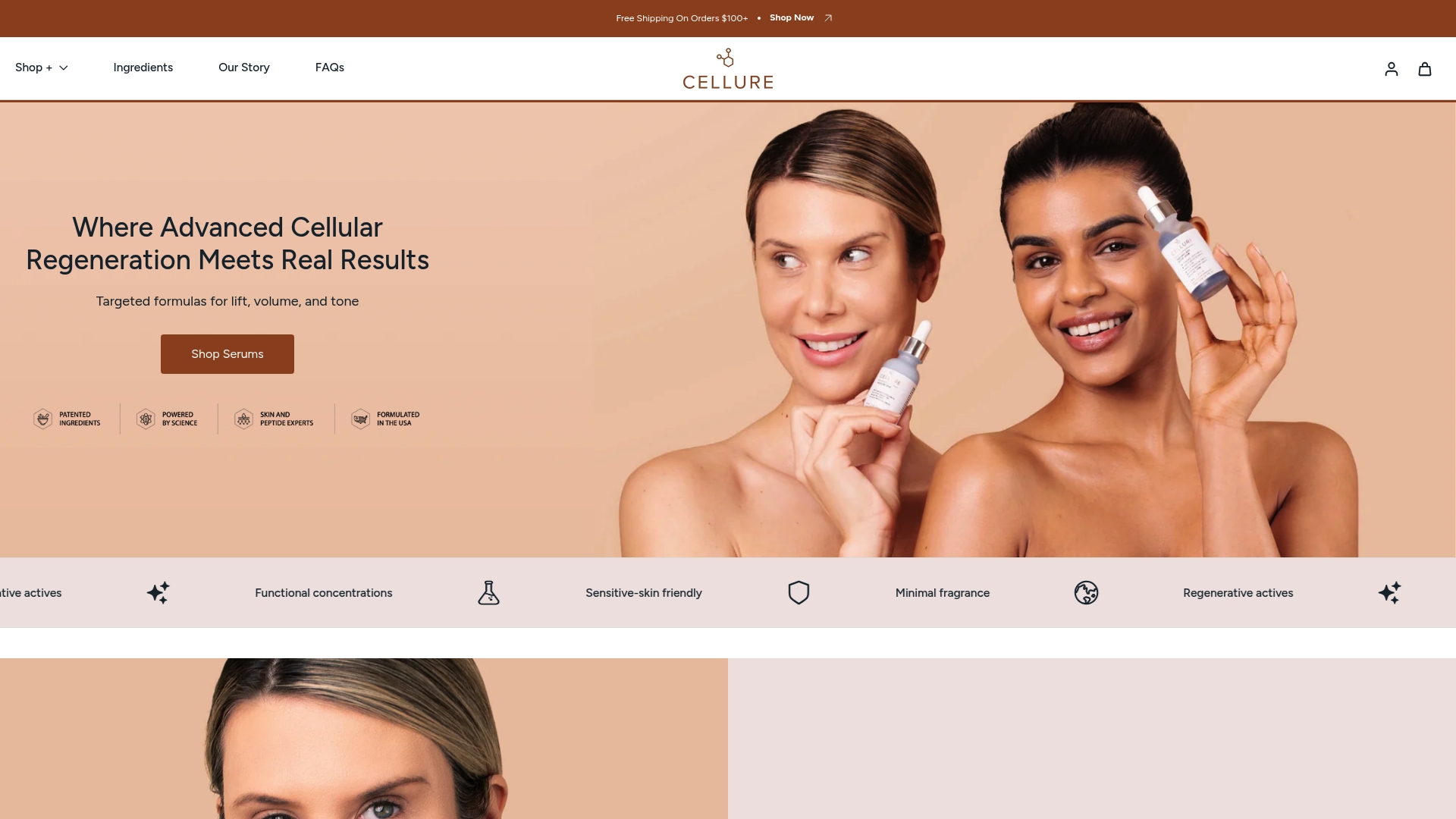
The kit works as a daily maintenance regimen alongside a professional PN course, reinforcing the collagen-stimulating and hydration signals your clinician is triggering in-office. It’s also a practical option for those who want to support skin regeneration between sessions or maintain results after completing a clinical protocol. Every formulation in the kit discloses its active ingredients and is designed for sensitive skin, so it fits the same evidence-first standard this article has outlined.
Ready to support your skin’s repair biology between appointments? Explore the Complete Skin Repair Kit and see how it fits your regimen.
Useful sources for further reading
The sources below are the primary references used in this article. Each is worth reading directly if you want to verify mechanisms, clinical outcomes, or manufacturing standards.
Why these sources matter: The MDPI Biomolecules review and the PMC aesthetic medicine review are the most rigorous publicly available summaries of PN mechanisms and clinical evidence. The Intertek analysis covers manufacturing quality standards that directly affect product selection. The PubMed entries provide primary research on PDRN mechanisms and tissue repair outcomes.
- Polydeoxyribonucleotides (PDRNs) to Polynucleotides (PNs): Bridging the Gap Between Scientific Definitions, Molecular Insights, and Clinical Applications — MDPI Biomolecules, 2025. The most thorough current review of the PDRN/PN molecular-weight distinction, dual mechanism of action, and clinical applications. Start here.
- Polynucleotides in Aesthetic Medicine: A Review of Current Evidence — PMC/NIH. Covers clinical evidence, safety profile, and the critical role of formulation transparency in predicting outcomes.
- Biotechnology in Cosmetics: Polynucleotides in Aesthetic Products — Intertek. Industry analysis of microbial biotechnology production methods, batch consistency, and what manufacturers should disclose.
- PDRN tissue repair and A2A receptor activation — PubMed. Primary research on the A2A receptor mechanism underlying PDRN and PN regenerative effects.
- Clinical outcomes in wound healing and anti-inflammatory applications — PubMed. Supports the anti-inflammatory and tissue repair evidence cited in the clinical evidence section.