


What Is Gentle Formulation in Skincare?
TL;DR:
- Gentle skincare products are designed to preserve the skin’s natural barrier by using mild surfactants, maintaining a balanced pH, and avoiding irritants. They effectively cleanse and support hydration without disrupting the skin’s lipid layer, especially benefiting sensitive and aging skin. Choosing products based on actual ingredients and formulation, rather than marketing labels, ensures better long-term skin health and barrier resilience.
A gentle formulation is a skincare product engineered to cleanse or treat skin without disrupting its natural barrier, defined by a pH between 4.7 and 5.5 and the deliberate exclusion of harsh surfactants and known irritants. For anyone with sensitive or aging skin, this distinction is not cosmetic. It is functional. The skin’s acid mantle grows more fragile with age, and the wrong cleanser or serum can strip it in a single wash. Understanding gentle formulation meaning gives you a concrete framework for reading labels, rejecting misleading marketing, and choosing products that actually support your skin’s long-term health.
What is gentle formulation vs. harsh skincare?
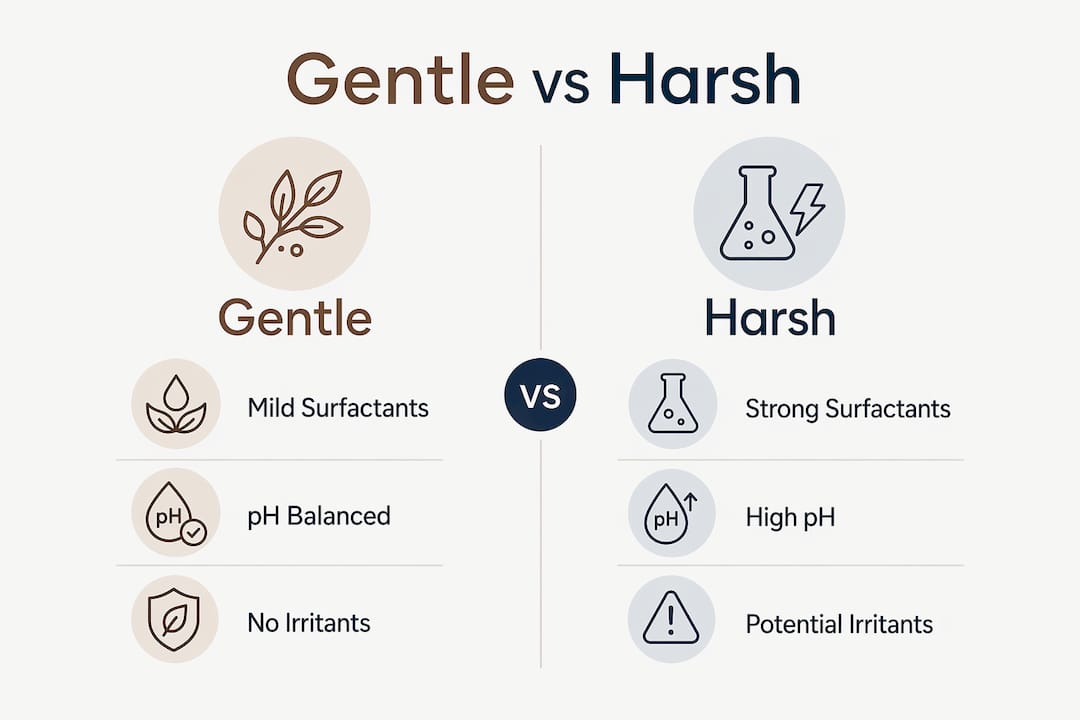
A gentle formulation and a harsh one differ most at the surfactant level. Surfactants are the cleansing agents in any wash-off product, and their chemistry determines how much damage they do to your skin barrier. Harsh ionic surfactants like sodium lauryl sulfate (SLS) and sodium laureth sulfate (SLES) are highly effective at removing oil and debris, but they do it by disrupting the lipid layer that holds moisture in. About 1 in 3 people with sensitive skin identify these surfactants as the main cause of dryness and tightness after washing. That is not a minor side effect. It is a signal that the barrier is being compromised with every use.
Gentle formulations replace those aggressive agents with nonionic or amphoteric surfactants, which clean without the same level of disruption. pH also plays a defining role. Skin sits naturally at a slightly acidic pH, and surfactant concentration and pH that push above that range disrupt the acid mantle, triggering dryness and irritation. A well-formulated gentle product stays within the skin’s natural range.
Pro Tip: Check the pH of your cleanser with inexpensive pH strips. Anything above 6.5 is likely too alkaline for daily use on sensitive or aging skin.
Here is how the two formulation types compare across key traits:
| Trait | Gentle Formulation | Harsh Formulation |
|---|---|---|
| Surfactant type | Nonionic or amphoteric (decyl glucoside) | Ionic (SLS, SLES) |
| pH range | 4.7–5.5 | Often 7.0 or higher |
| Fragrance | Fragrance-free | May contain masking scents |
| Common irritants | Avoids parabens, phthalates, formaldehyde releasers | May include one or more |
| Barrier impact | Preserves lipid layer | Can strip moisture and lipids |
Common irritants to avoid include phthalates, parabens, and formaldehyde releasers. 2026 safety reviews identify these chemicals as frequent dermatological triggers, particularly for reactive and aging skin types.
Which ingredients define a gentle formulation?
The ingredients that make a formulation genuinely gentle fall into three categories: mild surfactants, humectants, and soothing agents. Each plays a specific role in keeping your skin intact and hydrated.
Mild surfactants that clean without stripping
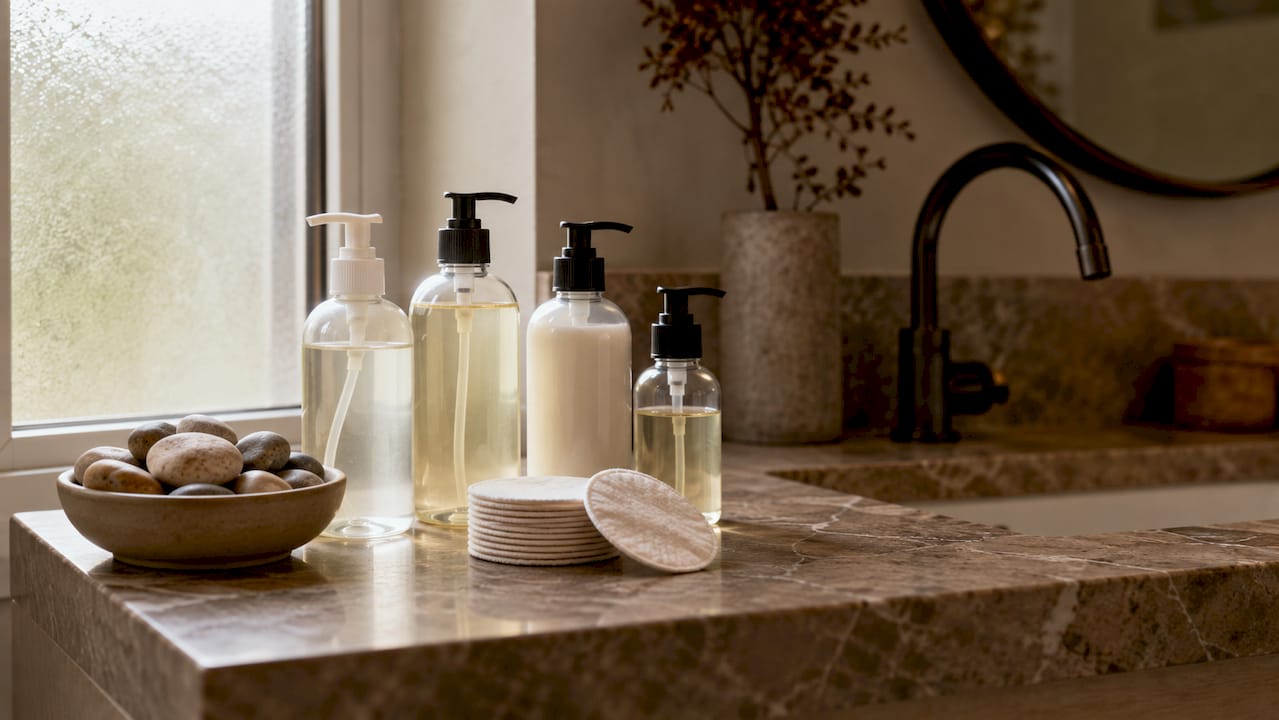
The most widely used gentle surfactants are decyl glucoside, sodium cocoyl isethionate, and coco-glucoside. These are derived from plant sugars and fatty acids, and they remove debris effectively without stripping the skin’s natural oils. Decyl glucoside, in particular, appears in many dermatologist-recommended cleansers because it produces a stable lather at low concentrations. Sodium cocoyl isethionate is especially valued in bar cleansers and powders for its skin-feel and mildness.
Humectants and barrier builders
Glycerin and ceramides are the two most important humectants in gentle skincare. Glycerin draws water from the environment into the skin’s outer layers. Ceramides are lipid molecules that fill the gaps between skin cells, acting like mortar between bricks. When aging skin loses ceramides, it becomes dry, tight, and more reactive. Replacing harsh sulfates with amphoteric or nonionic surfactants combined with humectants like glycerin supports hydration and reduces aging signs like fine lines caused by dehydration. That is a meaningful clinical outcome, not just a marketing claim.
Fragrance-free vs. unscented: a critical distinction
Fragrance-free products contain no added masking scents, making them the safer choice for sensitive skin. “Unscented” products, by contrast, may still contain masking fragrances designed to neutralize the smell of other ingredients. Those masking agents can trigger allergic reactions just as readily as a perfume would. For anyone managing rosacea, eczema, or general skin reactivity, fragrance-free is the only reliable standard.
Pro Tip: If a product lists “fragrance” or “parfum” anywhere in its ingredient list, treat it as a potential irritant regardless of how the front label is worded.
How to choose truly gentle skincare products
The word “gentle” is a marketing term, not a regulated safety standard. Many consumers mistakenly believe that “gentle” means hypoallergenic or dermatologist-tested, but neither claim is guaranteed by law. A brand can print “gentle” on any product without meeting a single formulation requirement. That means the label is your starting point, not your answer.
Reading the ingredient list correctly
The first five ingredients in any formula typically account for 60–80% of the product’s total weight. Those five ingredients define what the product actually does to your skin. If SLS, alcohol denat., or a synthetic fragrance appears in that top tier, the product is not gentle regardless of what the front label says.
Here is a practical checklist for evaluating any product label:
- Check the first five ingredients. Look for water, glycerin, ceramides, or plant-derived surfactants as the primary components.
- Search for SLS and SLES. If either appears, the formula relies on harsh ionic surfactants.
- Confirm fragrance-free status. Look for “fragrance” or “parfum” anywhere in the list and avoid if present.
- Identify parabens and phthalates. Ingredients ending in “-paraben” or containing “phthalate” are worth avoiding for reactive skin.
- Look for pH-adjusting agents. Citric acid or sodium hydroxide in the list suggests the brand is actively managing pH, which is a positive signal.
- Cross-reference with known allergen databases. The European Commission’s allergen list and the Environmental Working Group’s Skin Deep database are reliable references.
Pro Tip: Photograph ingredient lists before buying. Compare them at home using the EWG Skin Deep database, which rates ingredient safety on a 1–10 scale.
Choosing non-toxic products requires this level of scrutiny because the regulatory gap between marketing language and formulation reality is wide. Knowing what to look for closes that gap.
Does gentle mean less effective at cleansing?
Gentleness in cleansers is a balancing act. A formula that is too mild fails to remove sunscreen, makeup, and sebum, which leads to clogged pores and low-grade inflammation over time. A formula that is too aggressive strips the barrier and causes the dryness, redness, and tightness that many people with sensitive skin know well. If cleansing is too mild, it cannot effectively remove sunscreen and oils, potentially leading to clogged pores and inflammation.
The solution is surfactant blending. Formulators combine anionic surfactants (which are effective but potentially drying) with nonionic and amphoteric types to create a formula that cleans thoroughly without the harsh edge. Surfactant blends combining nonionic and amphoteric types create low-irritation formulas that remove debris without stripping oils. This is the technical core of what separates a well-formulated gentle cleanser from one that simply uses the word on its packaging.
| Cleansing Scenario | Likely Outcome |
|---|---|
| Too mild, single surfactant | Residual sunscreen, clogged pores, dull skin |
| Too harsh, high SLS concentration | Stripped barrier, dryness, redness, tightness |
| Balanced nonionic and amphoteric blend | Effective removal, intact barrier, comfortable skin |
Over-cleansing is also a real risk. Washing twice daily with even a moderately harsh formula compounds barrier damage over weeks. For aging skin, which already produces less sebum and fewer natural lipids, this accelerates the visible signs of dehydration, including fine lines and a crepe-like texture.
What are the real benefits of gentle formulations?
The benefits of gentle formulation are measurable and cumulative. Simplifying a routine with well-selected, gentle ingredients reduces irritation frequency by up to 50% in reactive skin types. That reduction compounds over time as the barrier rebuilds and becomes more resilient. Skin that is not constantly fighting inflammation can direct its resources toward repair.
For aging skin specifically, the gains are significant. Maintained hydration directly reduces the appearance of fine lines. A functioning barrier holds moisture more effectively, which improves skin elasticity and firmness without any active anti-aging ingredient. Better barrier integrity also means your skin tolerates other treatment steps, like peptides, tranexamic acid, or retinoids, without the redness and peeling that often forces people to abandon effective ingredients.
| Benefit | What It Means for Your Skin |
|---|---|
| Reduced irritation | Fewer flare-ups, less redness, calmer baseline |
| Improved hydration | Plumper skin, reduced appearance of fine lines |
| Better treatment tolerance | Actives like peptides work without barrier disruption |
| Long-term barrier repair | Skin becomes more resilient to environmental stress |
Pro Tip: Give a new gentle formula at least four weeks before judging results. Barrier repair is a slow process, and switching products too quickly resets the clock.
The evidence-based case for gentle skincare for aging skin is strong. The skin’s natural repair mechanisms work best when they are not constantly managing damage from the products meant to help it.
Key takeaways
Gentle formulations work because they preserve the skin’s acid mantle, use mild surfactant blends, and exclude known irritants, making them the most effective long-term strategy for sensitive and aging skin.
| Point | Details |
|---|---|
| pH is the foundation | Gentle formulas stay within the skin’s natural pH range of 4.7–5.5 to prevent barrier disruption. |
| Surfactant type determines gentleness | Decyl glucoside and sodium cocoyl isethionate clean effectively without stripping the lipid layer. |
| “Gentle” is not regulated | Read the first five ingredients to verify a product’s actual formulation, not its front-label claims. |
| Balance matters in cleansing | Surfactant blends achieve thorough cleansing without the dryness caused by single harsh agents. |
| Benefits compound over time | Consistent use of gentle formulas reduces irritation frequency and rebuilds barrier resilience. |
Why “gentle” labels frustrate me more than they help
I have spent years reading ingredient lists, and the word “gentle” on a front label tells me almost nothing useful. What I have found is that the brands most worth trusting rarely lead with that word. They lead with specific ingredients, pH ranges, and clinical references. The brands that plaster “gentle” across every product line are often the ones hiding SLS behind a trade name or listing “fragrance” as a catch-all for a dozen undisclosed compounds.
The misconception that bothers me most is the idea that gentle means weak. Clients come to me having abandoned effective actives like peptides or tranexamic acid because their skin reacted badly. In almost every case, the problem was not the active ingredient. It was the harsh base formula it was sitting in. A peptide serum in a high-alcohol, high-fragrance base will always cause irritation. The same peptide in a ceramide-rich, fragrance-free base works without complaint.
My honest advice is to start with barrier repair before adding any actives. Get your skin stable with a simple, genuinely gentle routine, then introduce treatment ingredients one at a time. Monitor your skin’s response over four to six weeks before drawing conclusions. Simplicity is not a compromise. It is the strategy that actually works.
— Sara
How cellure’s complete skin repair kit fits this approach
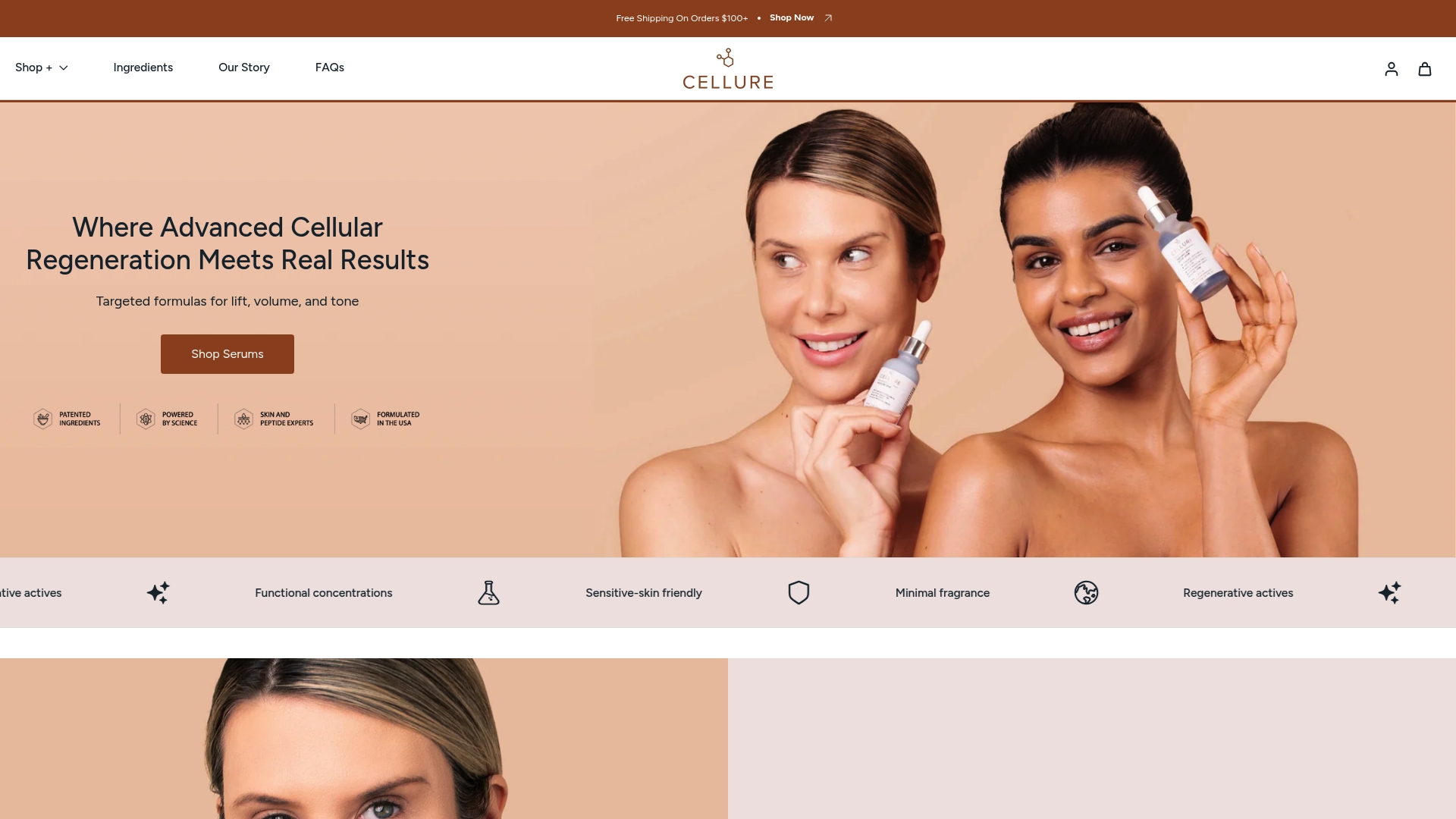
Cellure built its Complete Skin Repair Kit around the same principles covered in this article. The kit combines peptides, polynucleotides, and ceramide-supporting actives in fragrance-free, pH-balanced formulas designed for sensitive and aging skin. Every product in the kit avoids harsh ionic surfactants and known allergens, making it a practical starting point for anyone rebuilding their barrier or introducing targeted anti-aging treatment for the first time. If you want a gentle skincare routine backed by regenerative science rather than marketing language, the kit gives you a structured, evidence-informed path forward.
FAQ
What does gentle formulation mean in skincare?
A gentle formulation is a skincare product designed to preserve the skin’s natural barrier by using mild surfactants, maintaining a pH of 4.7–5.5, and excluding common irritants like SLS, parabens, and synthetic fragrance.
Is gentle formulation safe for all skin types?
Gentle formulations are suitable for all skin types and are especially beneficial for sensitive, reactive, and aging skin. They reduce the risk of irritation without sacrificing cleansing or treatment effectiveness.
How do i know if a product is truly gentle?
Check the first five ingredients for mild surfactants like decyl glucoside or sodium cocoyl isethionate, confirm the product is fragrance-free, and verify the absence of parabens, phthalates, and formaldehyde releasers.
What is the difference between fragrance-free and unscented?
Fragrance-free means no scent compounds were added at all. Unscented products may still contain masking fragrances that neutralize odor but can trigger allergic reactions in sensitive skin.
Can gentle formulations still address signs of aging?
Yes. Gentle formulas that include peptides, ceramides, and humectants like glycerin support hydration and barrier repair, which directly reduces the appearance of fine lines and improves skin elasticity over time.