


Anti Glycation Skincare: Carnosine Serum, SPF, and Lower Sugar
The most effective anti glycation skincare approach combines a targeted topical serum, daily broad-spectrum sunscreen, and lower-sugar eating habits. No single product reverses years of sugar-protein damage overnight. Ingredients like carnosine and antioxidant complexes, including formulas from Cellure, can measurably slow new damage and support existing collagen when used consistently over months.
TL;DR:
- Topical antiglycation ingredients like carnosine and antioxidants can slow damage but do not fully reverse years of collagen cross-linking.
- Systemic lifestyle changes, such as reducing high-glycemic foods, quitting smoking, and applying sunscreen, have a more significant impact on slowing glycation at a biological level.
- Consistent use of targeted serums and a simplified routine, such as with Cellure’s complete kit, improves adherence and effectiveness over stacking multiple products.
- Skin autofluorescence provides an objective way to measure the effectiveness of antiglycation interventions over months.
- Neither topical nor systemic approaches alone can fully prevent glycation; their combination offers the best long-term protection against skin aging.
Table of Contents
- What Is Glycation and Why Does It Matter for Your Skin?
- How Glycation Speeds Up Skin Aging
- Top Topical Ingredients That Target Glycation
- Building an Anti-Glycation Routine Without Overloading Your Skin
- Lifestyle Changes That Actually Reduce Glycation Risk
- Evidence, Clinical Context, and Where Cellure Fits
- What to Buy and What to Track
- What Happens Inside Skin Cells When Antiglycation Ingredients Work
- Topical vs. Systemic: Two Different Levers on the Same Problem
- Common Myths About Anti-Glycation Skincare
- Prioritize the Basics Before Chasing Every New Active
- Why Cellure’s Complete Skin Repair Kit Fits This Plan
- Sources
What Is Glycation and Why Does It Matter for Your Skin?
Glycation happens when sugar molecules circulating in your blood attach themselves to proteins like collagen and elastin, the fibers that keep skin firm and springy. That reaction produces compounds called advanced glycation end products, or AGEs. Once collagen gets glycated, it stiffens and cross-links in a way that makes it harder for skin to bounce back after stretching, smiling, or sleeping on a pillow wrong.
AGEs build up slowly and don’t clear out the way other cellular waste does. Over years, that accumulation shows up as:
- A dull, slightly yellow cast to the skin, since AGEs themselves have a brownish pigment
- Reduced elasticity, meaning skin takes longer to snap back into place
- Fine lines that deepen faster than expected for your age
- A stiffer, less pliable feel to the skin surface
Researchers can now quantify this with skin autofluorescence, a noninvasive scan that measures AGE buildup in real time. It’s mostly a research and clinical tool for now, but it gives dermatology a concrete way to track whether an intervention is actually reducing glycation rather than just moisturizing skin temporarily.
How Glycation Speeds Up Skin Aging
Glycation doesn’t work alone. Oxidative stress and UV exposure act as accelerants, generating free radicals that make proteins even more vulnerable to sugar attachment. The result is a feedback loop: glycated collagen produces more oxidative byproducts, which then encourages more glycation. Chronic low-grade inflammation, sometimes called inflammaging, rides along with this cycle and further degrades the dermal matrix.
The evidence for intervening isn’t just theoretical. Clinical and experimental research on agents targeting advanced glycation end products shows that certain topical and dietary antiglycation compounds can attenuate AGE-related changes in skin models and improve markers like elasticity and dermal density.
Quick fact: Skin autofluorescence measurements have been used in trials to track AGE reduction after an intervention, giving researchers an objective way to see whether a product or diet change is doing anything at the cellular level, not just on the surface.
That’s a meaningful distinction from most anti-aging claims, which rely on how skin looks rather than what’s happening in the collagen matrix underneath.
Top Topical Ingredients That Target Glycation
Not every anti-aging ingredient addresses glycation directly. Some ingredients interrupt the sugar-protein reaction itself, while others reduce the oxidative stress that drives it, and a few just support the collagen that’s already been damaged. Here’s how to read a label with glycation specifically in mind.
- Carnosine and decarboxycarnosine: These have direct antiglycation activity, competing with collagen for sugar molecules so the sugar binds to the carnosine instead of your skin proteins. Research on synthetic and natural antiglycation agents identifies carnosine derivatives among the more studied topical candidates.
- Antioxidants like vitamin C, resveratrol, and polyphenols reduce the free radical activity that speeds up AGE formation. Pairing an antioxidant serum with your anti-glycation actives addresses both halves of the feedback loop.
- Benfotiamine, a fat-soluble form of vitamin B1, supports cellular metabolism in a way that limits how much sugar is available to react with proteins in the first place.
- Peptides, hyaluronic acid, and barrier-supporting ingredients don’t stop glycation directly, but they support collagen synthesis and hydration, which helps skin function better even while carrying some AGE burden. Cellure’s peptide and hyaluronic acid formulations fall into this supportive category.
A word of caution: the National Institute on Aging points out that plenty of anti-aging cosmetics make bold claims without rigorous human testing behind them. Patch test any new active for 48 hours before applying it to your face, and be careful layering strong antiglycation actives with retinoids or exfoliating acids, since combining several potent ingredients at once raises irritation risk without necessarily raising benefit. For a deeper ingredient breakdown, Cellure’s anti-aging ingredients guide covers what’s proven versus what’s still emerging.
Building an Anti-Glycation Routine Without Overloading Your Skin
Order and consistency matter more than piling on every active you can find. Cleveland Clinic’s dermatology guidance is blunt about this: master gentle cleansing, sun protection, and moisturizing before adding anything advanced.
- Morning: Gentle cleanse, then an antioxidant serum (vitamin C works well here), followed by moisturizer and broad-spectrum SPF 30 or higher.
- Evening: Cleanse again, apply your targeted anti-glycation serum (carnosine or peptide-based), then layer a retinoid only if your skin already tolerates one, and finish with moisturizer.
- Introduce new actives one at a time, waiting one to two weeks between additions so you can tell what’s causing irritation if something goes wrong.
Cellure’s guide on layering serums effectively walks through which formulations pair well and which compete for absorption.
Pro Tip: If you’re introducing a carnosine serum and a retinoid at the same time, pulse the retinoid to two or three nights a week at first. That gives your skin’s barrier time to adjust while the antiglycation active builds up in the tissue undisturbed.
Anyone with rosacea, eczema, or generally reactive skin should slow this timeline down further, and Cellure’s sensitive skin guide has specific patch-testing steps worth following before starting.
Lifestyle Changes That Actually Reduce Glycation Risk
Topicals only address what happens at the skin’s surface layers. Glycation is a full-body process fed largely by blood sugar, so what you eat and how you live matters as much as what you apply.
- Lowering high-glycemic foods and choosing cooking methods like steaming or boiling over grilling and frying reduces dietary AGE intake, since high-heat cooking generates AGEs directly in food.
- Daily sunscreen use limits the UV exposure that catalyzes oxidative damage feeding the glycation cycle. The American Academy of Dermatology names sun protection and reduced sugar intake among the core steps for slowing premature skin aging.
- Quitting smoking, prioritizing sleep, and managing chronic stress all support the same collagen-preserving goal, since each one independently reduces oxidative and inflammatory load.
- Research on lifestyle medicine and skin aging links Mediterranean-style eating patterns to lower markers associated with glycation, reinforcing that food choices aren’t a side note here. A supplement-focused resource like RankOfSupplements’ guide to skin aging can help readers evaluate nutritional adjuncts if diet alone feels hard to change.
None of these steps work in isolation. Topical carnosine won’t offset a diet heavy in fried food and sugary drinks, and sunscreen alone won’t compensate for chronic sleep deprivation. The combination is what slows AGE accumulation over years, not any single habit.
Evidence, Clinical Context, and Where Cellure Fits
Cellure formulates around the same biochemical targets researchers study for antiglycation activity: peptides that support collagen function, hyaluronic acid for hydration, and polynucleotides aimed at cellular repair. That positioning tracks with what the clinical literature actually supports, rather than promising something the science can’t back yet.
Objective measures like skin autofluorescence are the clearest way to know whether an antiglycation approach is working beneath the surface, not just smoothing the appearance temporarily. Meaningful change on that kind of marker tends to take consistent use over months, not days.
Reversal claims deserve real skepticism. Current evidence supports attenuation and partial mitigation of AGE-related damage, not full removal of existing cross-links. The same antiglycation research that identifies promising compounds is careful to frame results this way, and Cellure’s product messaging follows that same cautious line.
What to Buy and What to Track
Prioritize one targeted anti-glycation serum, a daily SPF you’ll actually reapply, and one or two lifestyle changes you can sustain. Track skin hydration, firmness, and monthly photos in consistent lighting over 8 to 12 weeks rather than judging results after a few days. See a dermatologist if you notice rapid skin changes, persistent irritation, or if you suspect an underlying metabolic issue like insulin resistance driving the glycation.
What Happens Inside Skin Cells When Antiglycation Ingredients Work
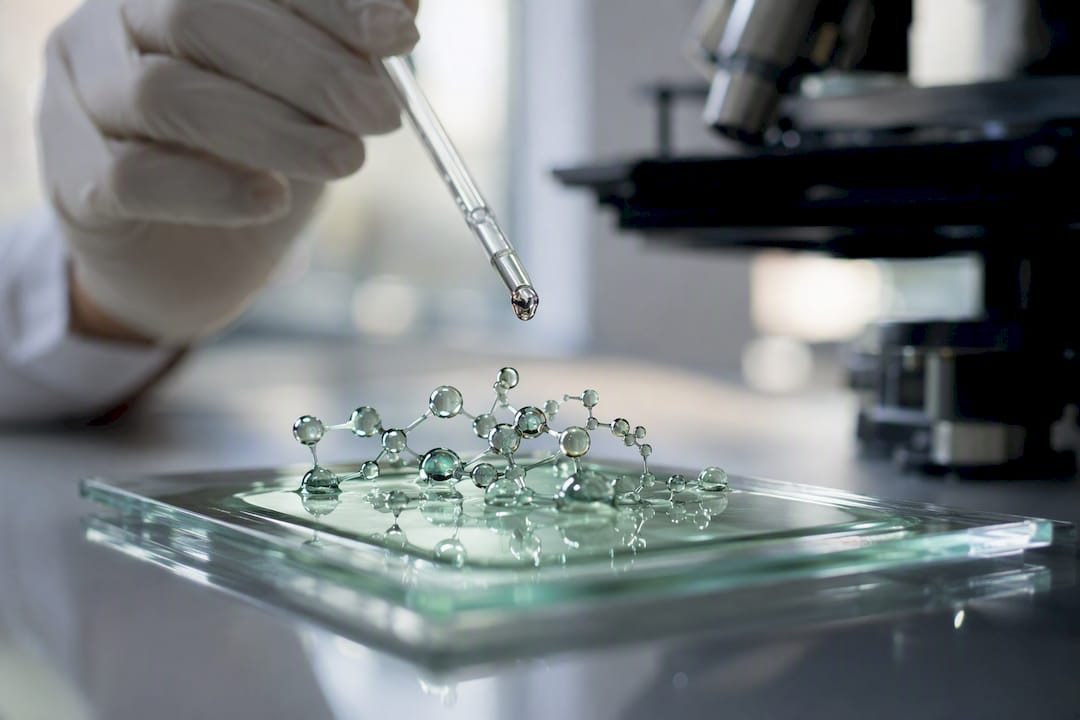
Carnosine works through a mechanism called carbonyl trapping. Reactive carbonyl compounds, the intermediate molecules that eventually bind to collagen and form AGEs, react with carnosine’s own structure first. That effectively pulls the reactive sugar byproducts away from your collagen fibers before permanent cross-links can form.
Antioxidants operate differently. Vitamin C and polyphenols neutralize free radicals generated by oxidative stress, cutting off one of the upstream triggers that accelerates glycation in the first place. They don’t trap the sugar molecules directly, but they reduce how much oxidative pressure is pushing the reaction forward.
Benfotiamine works at the metabolic level, inside the cell rather than on the collagen fibers themselves. By supporting glucose metabolism pathways, it can reduce how much excess sugar is available to react with proteins, addressing the problem further upstream than a topical trap ever could.
Some experimental compounds studied in research settings, including certain fructosamine 3-kinase activators and deglycating molecules, appear to break existing AGE cross-links in animal and lab models. That’s a genuinely different mechanism from prevention, since it targets damage already done rather than stopping new damage. Translation from lab findings to topical skincare products is still in its early stages, so treat any product claiming this kind of true reversal with real caution until more human trial data exists.
Topical vs. Systemic: Two Different Levers on the Same Problem
Topical anti-glycation skincare works locally, on the outermost layers of skin where a serum can actually penetrate. It can trap reactive carbonyls near the surface and support the collagen you can see and touch, but it has no influence over blood sugar circulating through your bloodstream reaching deeper tissue.
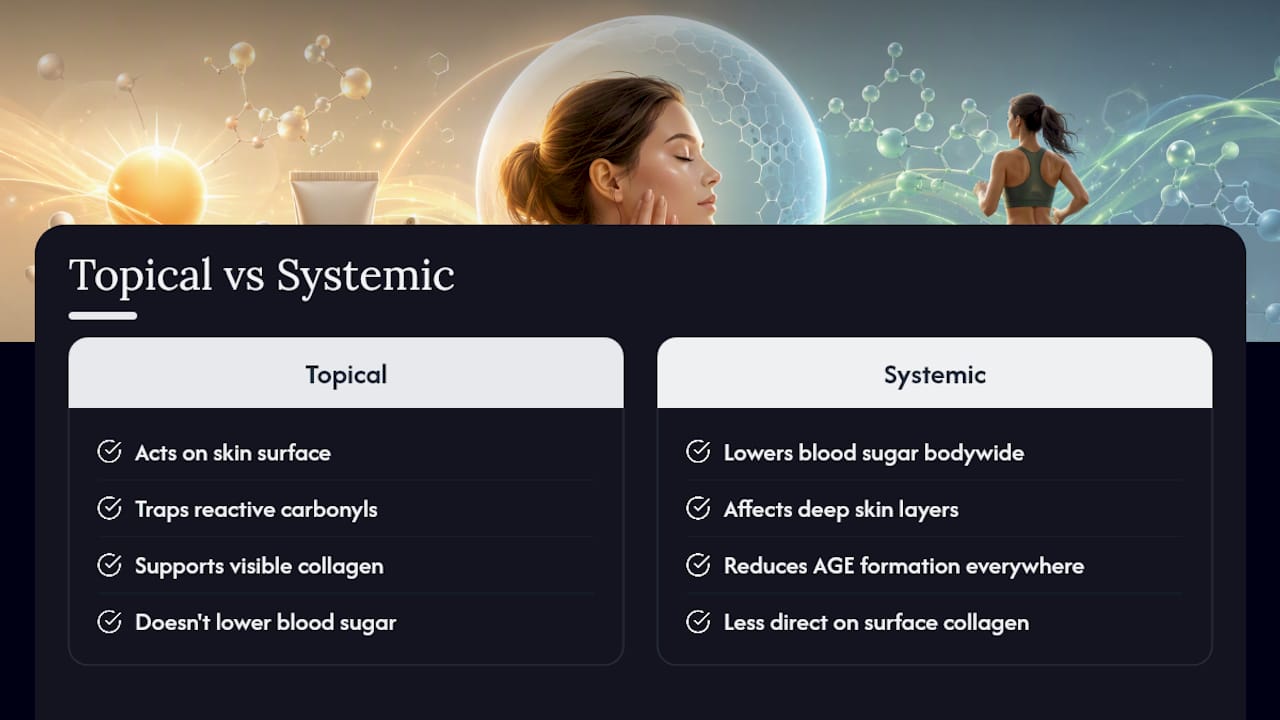
Systemic approaches, meaning what you eat, how you manage blood sugar, and whether you smoke, affect glycation everywhere in the body, including in skin layers a serum never reaches. Someone with consistently elevated blood sugar will keep generating new AGEs internally no matter how good their skincare routine looks, because the sugar-protein reaction is happening at a scale topicals can’t touch.
This is why the strongest antiglycation strategy always pairs both approaches. A carnosine serum addresses local skin cross-linking. Cutting back on high-glycemic foods and quitting smoking reduces the systemic sugar and oxidative load feeding the same process everywhere else. Neither lever alone matches what the two do together, and dermatology guidance consistently frames diet and topical care as complementary rather than interchangeable.
For readers weighing where to put their effort first, systemic changes generally carry the larger long-term payoff, since they reduce glycation at the source rather than managing its downstream effects on visible skin.
Common Myths About Anti-Glycation Skincare
A lot of marketing around this category overstates what’s actually proven. A few corrections worth knowing before you spend money.
Myth: A serum can “reverse” years of glycation damage. Current research supports attenuation and partial mitigation of AGE-related changes, not full reversal of existing collagen cross-links. Be wary of any product promising to undo decades of sugar damage in weeks.
Myth: Only people with diabetes need to worry about glycation. Glycation happens in everyone with normal blood sugar too. It just accelerates faster with chronically elevated glucose, which is why diabetics often show visible skin aging earlier.
Myth: Sugar in skincare products causes the same damage as dietary sugar. Topical sugar molecules don’t cross the skin barrier the way circulating blood glucose does, so a moisturizer containing glycerin isn’t glycating your collagen the way a soda habit might.
Myth: If a product isn’t causing visible change in a week, it’s not working. AGE accumulation happens over years, and meaningful reduction shows up on the same timescale. Judging an antiglycation serum after seven days misunderstands the biology entirely.
Prioritize the Basics Before Chasing Every New Active
Get sunscreen, hydration, and a decent antioxidant serum right before adding specialty actives. Consistent, unglamorous habits beat sporadic splurges on the latest high-cost fix every time.
— Sara
Why Cellure’s Complete Skin Repair Kit Fits This Plan
If you’d rather not assemble a routine ingredient by ingredient, Cellure’s Complete Skin Repair Kit is built around the exact mechanisms this article covers: peptides for collagen support, hyaluronic acid for hydration, and polynucleotides for cellular repair, all in one sequence instead of separate purchases you have to figure out how to layer yourself.
That matters because the biggest failure point in most antiglycation routines isn’t the ingredients, it’s inconsistency from juggling too many separate products with conflicting instructions. A kit removes that guesswork by giving you a pre-sequenced routine designed to work together rather than compete for absorption. If you’re ready to move past piecing together individual serums, check the Complete Skin Repair Kit page for what’s included and how to start.
Sources
- Synthetic and natural agents targeting Advanced Glycation End-Products for skin anti-aging — PMC
- 11 ways to reduce premature skin aging — American Academy of Dermatology
- Anti-aging skin care — Cleveland Clinic (2023)
- The impact of the six pillars of lifestyle medicine on the biology of skin aging — Frontiers (2026)
Recommended
Share