


Anti-Aging Treatment Kits Explained for Adults 30+
TL;DR:
- Anti-aging treatment kits include topical products and devices designed to target skin aging signs effectively. They vary from affordable home kits to professional procedures, with results typically visible after about four months of consistent use. Combining a long-term routine with sun protection maximizes skin health and enhances aging reversal effects.
Anti-aging treatment kits are curated systems of topical products, active ingredients, and sometimes at-home devices that work together to target the visible signs of skin aging. These kits address collagen loss, uneven tone, and declining hydration through scientifically supported ingredients like retinoids, peptides, and AHAs. Understanding what these kits contain, how they work by decade, and what results to realistically expect is the foundation of any effective skin rejuvenation plan. With anti-aging treatment kits explained clearly, you can stop guessing and start choosing based on biology, not marketing.
What components are typically included in anti-aging treatment kits?
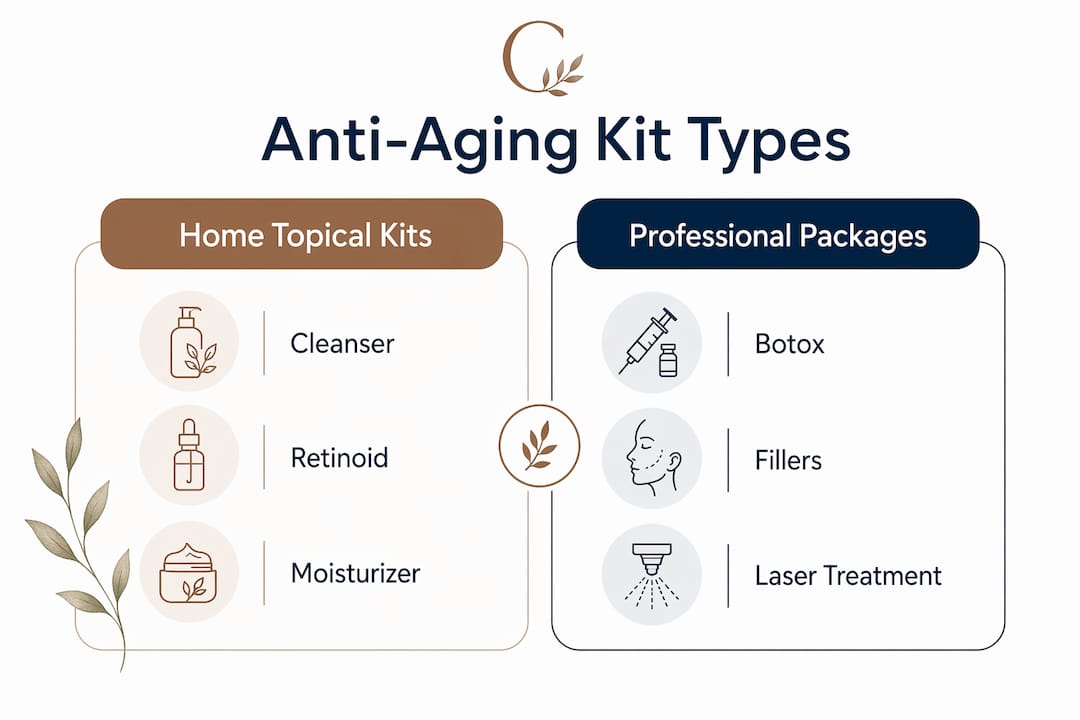
Anti-aging treatment kits fall into two broad categories: home-based topical kits and professional clinical packages. Each targets the same biological problems through very different levels of intensity and cost.
Home-based topical kits
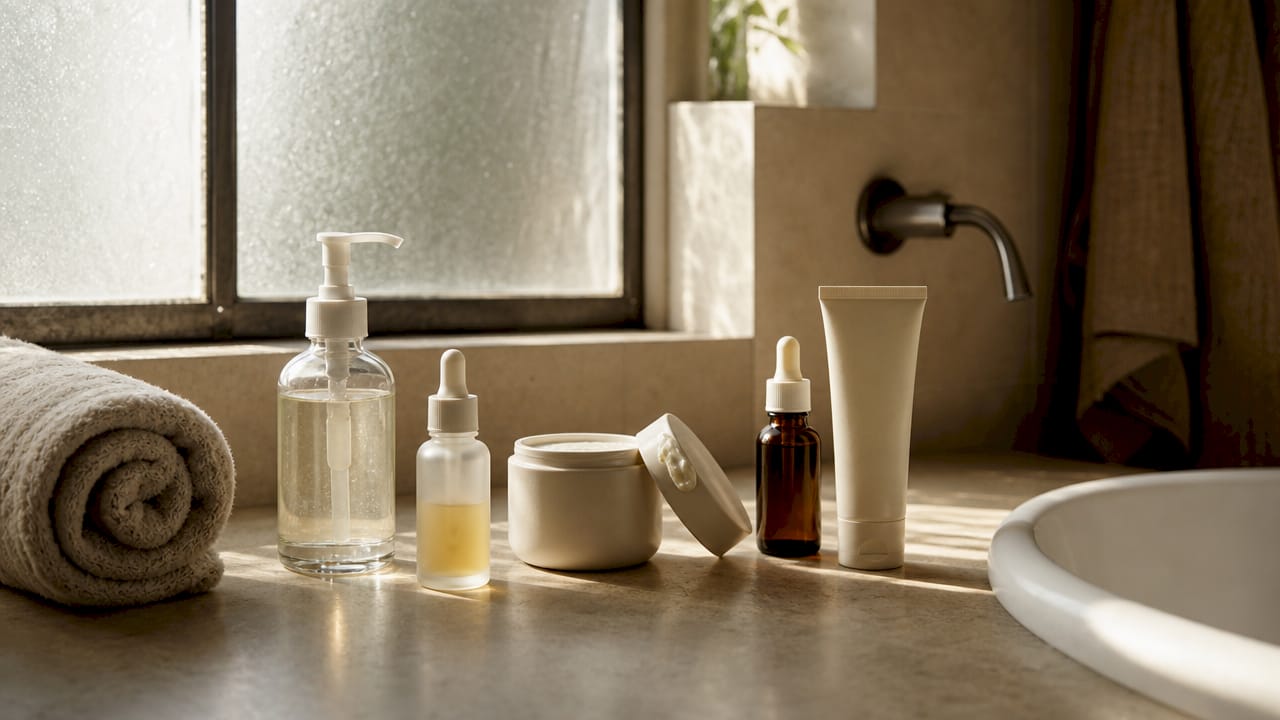
Home kits typically include a cleanser, a retinoid or retinol product, a moisturizer, an antioxidant serum, and SPF. These five components address the core mechanisms of skin aging: cell turnover, collagen production, oxidative stress, and moisture retention. Some kits add a targeted eye cream or a brightening serum with ingredients like tranexamic acid or niacinamide. Topical kits range from approximately $69 to $295, making them accessible for most adults. That price range reflects real differences in ingredient concentration and formulation quality.
At-home devices
Many mid-range and premium kits now include at-home devices alongside topical products. Red and blue LED light therapies have clinical evidence supporting collagen production and skin repair, though at-home devices are generally less potent than their clinical counterparts. Micro-needling rollers and radiofrequency tools also appear in higher-end kits. These devices extend the benefits of topical ingredients by improving absorption and stimulating cellular activity.
Professional clinical packages
Professional packages operate at a different level entirely. Clinical anti-aging bundles typically combine Botox, dermal fillers, laser resurfacing, and skin booster injections to address wrinkles, volume loss, and deep hydration simultaneously. These programs can exceed $7,500 depending on the number of procedures and the clinic’s location. The intensity of clinical packages produces faster and more dramatic results, but they require professional oversight and recovery time.
Pro Tip: If you are new to anti-aging kits, start with a home-based topical kit for at least 4 months before adding devices or considering professional treatments. Your skin needs time to adapt to active ingredients before layering additional stimulation.
| Kit type | Typical cost | Core components |
|---|---|---|
| Home topical kit | $69–$295 | Cleanser, retinoid, moisturizer, antioxidant, SPF |
| At-home device kit | $150–$600 | LED device, micro-needling tool, supporting serums |
| Professional clinical package | $220–$7,500+ | Botox, fillers, laser resurfacing, skin boosters |
How do anti-aging kits work across the decades from 30s onward?
Skin aging is not a single event. It is a series of biological shifts that accelerate with each decade, and the best anti-aging kits are built around those shifts. A generic product chosen without age context often underperforms because it targets the wrong mechanism at the wrong time.
Skin’s anti-aging needs shift with age and decreasing estrogen, requiring a move from general products to biologically targeted ingredients over time. That shift is not subtle. By your 50s, the skin biology you had at 35 no longer exists, and the ingredients that worked then may not be enough.
Here is how ingredient priorities change by decade:
-
In your 30s: Collagen production begins to slow. Nightly retinol is the priority ingredient because it directly stimulates collagen synthesis and accelerates cell turnover. Antioxidants like vitamin C protect against UV-driven oxidative damage, which compounds collagen loss. A lightweight moisturizer and daily SPF 30 or higher complete the foundation.
-
In your 40s: Estrogen levels begin declining, which reduces the skin’s ability to retain moisture and maintain firmness. Peptides become more relevant at this stage because they signal the skin to produce structural proteins. Hyaluronic acid in serums and moisturizers addresses the growing hydration deficit. Retinol use continues, often at higher concentrations as tolerance builds.
-
In your 50s: Cell turnover slows significantly. AHAs like glycolic acid become a central ingredient because they chemically exfoliate dead surface cells and encourage renewal. This decade also calls for richer moisturizers and ingredients that support the skin barrier, which becomes more fragile with hormonal changes.
-
In your 60s and 70s: Hydration is the dominant concern. Ceramides and glycerin are the workhorses of this stage because they reinforce the skin barrier and prevent transepidermal water loss. Retinoids remain useful but should be used at lower frequencies to avoid irritating a thinner, more sensitive skin surface.
Pro Tip: Check the anti-aging checklist for adults 30 and over to identify which ingredients match your current decade before purchasing any kit. Buying by age group rather than by trend saves money and produces better results.
Consistency across all decades matters more than any single ingredient. Daily use of sunscreen and a basic moisturizer preserves the gains made by active ingredients. Without that foundation, even the most targeted retinoid protocol loses ground to daily UV exposure.
What is the typical timeline for visible results from anti-aging kits?
Visible improvements from consistent topical anti-aging treatments using retinoids typically require about 4 months of daily use. That timeline is not a marketing estimate. It reflects the biological reality of how long it takes for new collagen to form and for cell turnover to produce visibly smoother skin at the surface.
Retinoids are considered the gold standard for anti-aging because they boost collagen, improve skin thickness, and smooth wrinkles at a cellular level. No other topical ingredient has the same volume of clinical evidence behind it. That is why retinoids appear in nearly every credible anti-aging kit, from entry-level options to professional-grade formulations.
“Effective anti-aging regimens require consistent daily use over months, not days. Adherence to the protocol is the single biggest predictor of visible improvement.”
Here is what to expect at each stage of a typical topical kit regimen:
- Weeks 1–4: Skin may experience mild purging, flaking, or redness as it adjusts to retinoids or AHAs. This is normal and not a sign the product is wrong for your skin.
- Weeks 4–8: Texture begins to improve. Pores appear smaller. Skin tone becomes more even as cell turnover accelerates.
- Months 3–4: Wrinkle depth visibly reduces. Firmness improves as collagen production responds to retinoid stimulation.
- Month 4 onward: Results stabilize and continue improving with sustained use. Stopping the regimen reverses gains within weeks.
The most common reason anti-aging kits fail is abandonment before the 4-month mark. Adults who stop at week 6 because they see no dramatic change miss the window where the real results begin. Setting a 4-month minimum commitment before evaluating a kit is the most practical advice dermatology supports.
Daily SPF 30 or higher is non-negotiable throughout any treatment timeline. UV damage undoes collagen gains faster than any active ingredient can rebuild them. Sunscreen is not optional in an anti-aging regimen. It is the single step that protects every other investment you make.
How to properly use anti-aging treatment kits for maximum benefit
The order in which you apply products matters as much as the products themselves. Applying a retinoid before cleansing, or layering an AHA over a compromised barrier, reduces efficacy and increases irritation risk. A structured routine removes that guesswork.
Here is a step-by-step daily routine built around a standard anti-aging kit:
- Morning cleanse: Use a gentle, non-stripping cleanser. Avoid foaming cleansers with sulfates, which degrade the skin barrier over time.
- Antioxidant serum: Apply a vitamin C or peptide serum to damp skin. These ingredients work best when applied before heavier products.
- Moisturizer: Lock in the serum with a moisturizer suited to your decade. Hyaluronic acid formulas work well in your 40s. Ceramide-rich creams are better from your 50s onward.
- SPF: Apply broad-spectrum SPF 30 or higher as the final morning step. Reapply every two hours if you are outdoors.
- Evening cleanse: Remove sunscreen and environmental residue thoroughly. Double cleansing with an oil-based cleanser followed by a water-based one is effective.
- Retinoid or AHA: Apply your active ingredient to clean, dry skin. Waiting 20–30 minutes after cleansing reduces irritation risk significantly.
- Night moisturizer: Seal the active ingredient with a richer moisturizer. This reduces transepidermal water loss while you sleep and supports barrier recovery.
Introducing active ingredients gradually is the most important safety principle. Start retinoids two nights per week for the first month, then increase to every other night, then nightly as tolerance builds. Jumping to daily use immediately causes irritation that forces you to stop entirely.
Pro Tip: Never layer a retinoid and an AHA in the same evening application. Use retinoids on some nights and AHAs on others. Combining them in one session overwhelms the skin barrier and causes more damage than benefit.
Combining a home kit with occasional professional treatments amplifies results. A science-backed serum used consistently at home maintains and extends the results of a clinical procedure. The two approaches are not competing. They are complementary.
Key Takeaways
Anti-aging treatment kits work best as long-term, consistent protocols that combine the right ingredients for your decade with daily sun protection and, where appropriate, professional treatments.
| Point | Details |
|---|---|
| Choose by decade, not trend | Retinol in your 30s, AHAs in your 50s, ceramides in your 70s match your skin’s biology. |
| Commit to 4 months minimum | Visible results from retinoids require approximately 4 months of daily use. |
| Sunscreen protects every gain | Daily SPF 30 or higher prevents UV damage from reversing collagen improvements. |
| Introduce actives gradually | Start retinoids twice weekly to build tolerance before increasing frequency. |
| Combine home and clinical care | Home kits maintain and extend the results of professional treatments effectively. |
What I’ve learned about anti-aging kits after years of testing them
The most persistent myth in anti-aging skincare is that a single product or kit can replace a consistent protocol. I have seen adults spend $400 on a premium kit, use it for three weeks, and conclude it does not work. The kit was not the problem. The timeline was.
What actually separates effective anti-aging routines from disappointing ones is not the price of the kit. It is the willingness to treat skincare as a long-term practice rather than a short-term fix. The adults I have seen get the best results are the ones who pick a simple, age-appropriate routine and stick to it for at least six months before making any changes.
The other thing I have come to believe strongly is that home care and clinical treatments are not alternatives. They are a system. A professional treatment without a supporting home regimen loses its results faster. A home kit without occasional clinical input often plateaus. The benefits of anti-aging kits multiply when both layers are present.
My honest recommendation for anyone starting out: prioritize a retinoid, a good moisturizer, and SPF 30 before spending money on anything else. Get those three working consistently. Then add targeted serums, devices, or professional treatments once your baseline is solid. Complexity before consistency is the most expensive mistake in skincare.
— Sara
Cellure’s Complete Skin Repair Kit for targeted skin renewal
Cellure formulates its products around the same principles that dermatological research supports: bioactive ingredients, cellular-level repair, and age-appropriate targeting.
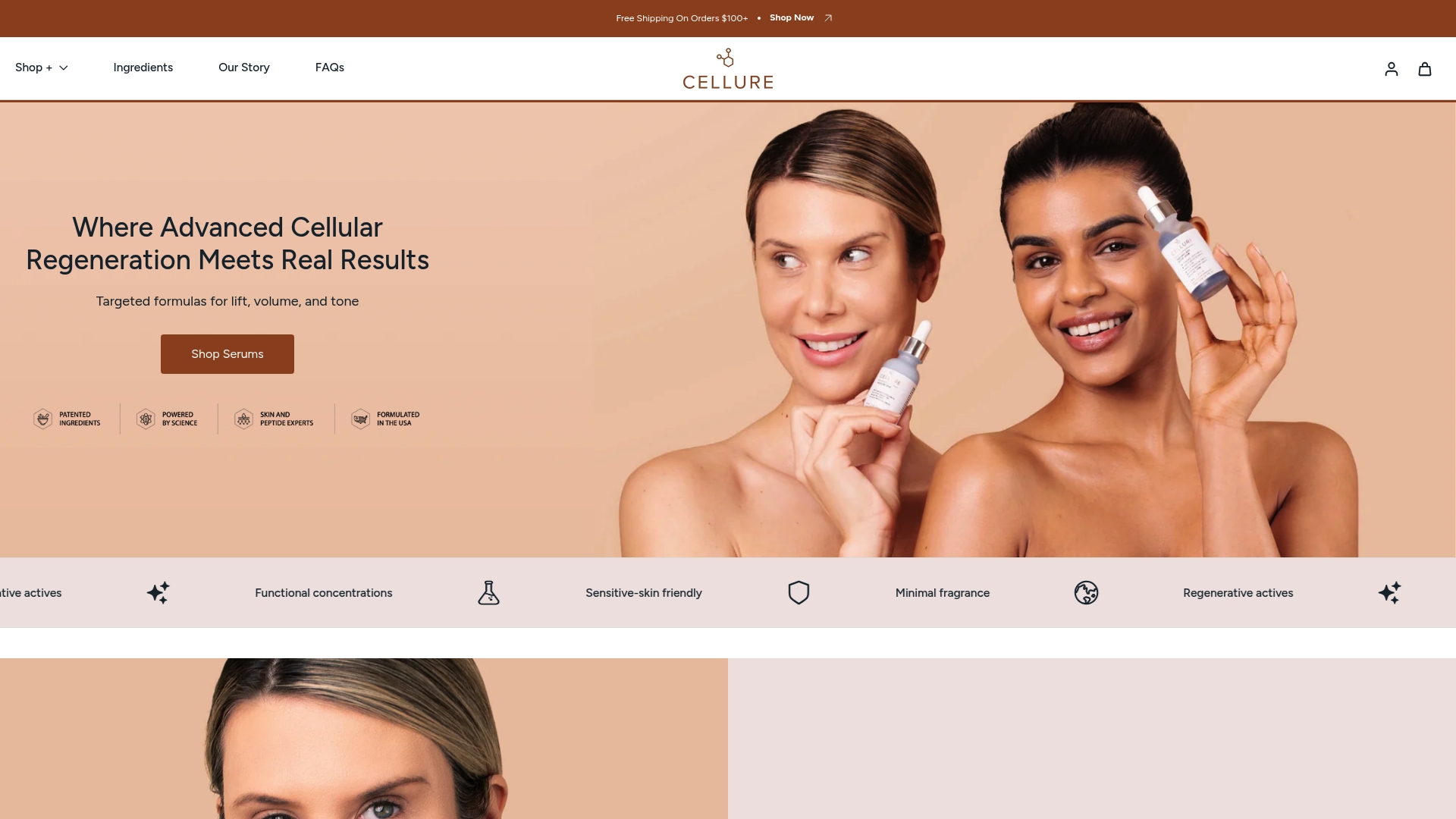
The Complete Skin Repair Kit from Cellure brings together peptides, polynucleotides, and tranexamic acid in a coordinated system designed to address firmness, tone, and hydration simultaneously. These are not generic moisturizing ingredients. They are clinically supported actives that work at the cellular level to support collagen production and skin renewal. The kit is formulated for all skin types and suits the decade-specific needs outlined throughout this article. For adults 30 and older who want a structured, evidence-based starting point, Cellure’s approach removes the complexity of building a regimen from scratch.
FAQ
What are anti-aging treatment kits?
Anti-aging treatment kits are coordinated sets of skincare products, and sometimes devices, designed to address collagen loss, uneven tone, and hydration decline through active ingredients like retinoids, peptides, and AHAs. They range from affordable home topical kits to comprehensive professional clinical packages.
How long does it take to see results from anti-aging kits?
Visible improvements from retinoid-based topical kits typically appear after approximately 4 months of consistent daily use. Results continue improving with sustained adherence beyond that point.
What ingredients should I look for in the best anti-aging kits?
Retinoids are the gold standard for collagen stimulation and wrinkle reduction. Peptides, hyaluronic acid, ceramides, and AHAs like glycolic acid each address specific aging mechanisms depending on your decade and skin condition.
Can I use an anti-aging kit alongside professional treatments?
Combining a home kit with professional treatments like Botox, fillers, or laser resurfacing produces better and longer-lasting results than either approach alone. Home care maintains and extends the gains from clinical procedures.
Do I need sunscreen if I use an anti-aging kit?
Daily SPF 30 or higher is a required part of any anti-aging regimen. UV exposure reverses collagen gains faster than active ingredients can rebuild them, making sunscreen the most protective step in the entire routine.