


Why Use Multi-Step Skincare Kits? What They Actually Do
A well-designed multi-step skincare kit earns its place in your routine when it does two things: delivers targeted actives in the right sequence, and gets used consistently enough to matter. That’s the honest answer to why use multi-step skincare kits over a three-product basic. The payoff shows up in clinical comparisons between advanced and simple routines, not just in marketing copy.
Here’s what the evidence actually supports:
- Hydration gains are measurable fast. One clinical comparison found skin capacitance jumped +12.37 after two days on an advanced routine, versus +0.05 for a simple one.
- Sequencing changes absorption. Layering thin-to-thick and giving each step time to settle helps active ingredients reach the skin instead of sitting on top of each other.
- The risks are real, not hypothetical. Active stacking, ingredient conflicts, added cost, and the time commitment can undo the benefits if you rush the process.
Multi-step kits tend to reward people with specific, named concerns (fine lines, uneven tone, persistent dullness) who will actually use the products daily. If you’re not ready for a routine with more than three steps, or your skin reacts easily to new products, a simpler system with room to grow is the smarter starting point.
Key Takeaways
Multi-step skincare kits work best when targeted actives are layered thin-to-thick, introduced gradually, and used consistently enough to reach the eight-to-twelve-week mark where structural changes appear.
| Point | Details |
|---|---|
| Layering order matters | Apply thinnest to thickest, waiting until each layer absorbs before adding the next. |
| Hydration gains come fast | Clinical comparisons show measurable hydration improvement within two days of consistent use. |
| Structural results take longer | Wrinkle and radiance improvements typically need 8 to 12 weeks of consistent use to show up. |
| Introduce actives gradually | Add one new product every 2 to 4 weeks and patch-test to avoid active stacking and irritation. |
| Choose a kit built for sequencing | Cellure’s Complete Skin Repair Kit pairs complementary actives already formulated to layer correctly. |
Table of Contents
- What Is a Multi-Step Skincare Kit, Exactly?
- What Benefits Do Multi-Step Kits Actually Deliver?
- When Do Multi-Step Kits Backfire?
- How Do You Layer Skincare Products Correctly?
- How Should You Customize a Kit for Your Skin Type?
- What’s the Safest Way to Introduce a New Kit?
- What Do Clinical Studies Actually Show?
- Do You Actually Need a Multi-Step Kit?
- A Curated Option Worth Considering
- Frequently Asked Questions
- Sources
What Is a Multi-Step Skincare Kit, Exactly?
A multi-step skincare kit is a set of products formulated to work together in a specific order, each one addressing a different job: cleansing, treating, hydrating, or protecting. The idea isn’t to pile on more products for the sake of it. It’s that a serum with peptides can’t do its job if it’s blocked by a heavy moisturizer applied first, and a moisturizer can’t seal in hydration if it goes on before the water-based treatments.
The typical sequence looks like this, though not every step applies to every routine:
- Cleanser — removes dirt, oil, and the previous layer of product.
- Toner or essence (optional) — preps skin and adds a first layer of hydration.
- Targeted treatment serums — actives like peptides, tranexamic acid, or vitamin C go here.
- Eye treatment (optional) — thinner skin gets its own lighter formula.
- Moisturizer — locks in everything applied underneath.
- Facial oil (optional, evening only) — the heaviest layer, used to seal moisture overnight.
- Sunscreen (morning only, non-optional) — the final and most important daytime step.
Morning and evening routines aren’t the same routine run twice. Mornings are about protection: antioxidants, hydration, and sunscreen defend against the day’s damage. Evenings are about repair: retinoids, peptides, and richer treatments work while skin regenerates during sleep. A kit built around that split, rather than identical steps twice a day, is doing more than just selling you more bottles.
What Benefits Do Multi-Step Kits Actually Deliver?
The clearest documented benefit is hydration, and the numbers back it up quickly. In a controlled comparison, an advanced multi-step routine produced dramatically higher short-term skin hydration than a basic routine, with measurable gains after just two days.
By the numbers: Skin capacitance rose +12.37 in the advanced-routine group after two days, compared to +0.05 in the simple-routine group. At 12 weeks, the advanced group showed roughly a 10.5% improvement in wrinkle depth, while the simple routine showed essentially no change.
Beyond hydration, a coordinated kit offers a few practical advantages that a mismatched pile of single products usually doesn’t:
- Layered delivery lets you target multiple concerns (tone, firmness, hydration) without one product trying to do everything.
- Repeated, low-dose exposure to actives like peptides or niacinamide over weeks tends to compound results rather than deliver one big spike.
- Pre-formulated compatibility means the brand has already worked out pH and buffering issues between steps, so you’re not guessing whether product A cancels out product B.
- A built-in structure makes it easier to stay consistent, and consistency is the real variable behind most of the visible improvement in these studies.
That last point deserves emphasis. Vogue’s coverage of the 10-step Korean skincare routine quotes dermatologists who are skeptical that everyone needs ten separate products. Their concern isn’t the routine itself. It’s whether people can actually stick with it. A kit only works if you use it.
Pro Tip: If you’ve abandoned single-product routines in the past because you forgot steps or lost track of order, a curated kit’s built-in sequence often fixes the adherence problem before it fixes anything else.
When Do Multi-Step Kits Backfire?
More products means more variables, and more variables means more room for something to go wrong. The most common failure mode is what dermatology practitioners call active stacking: introducing several potent ingredients at once and overwhelming the skin barrier before it can adapt.
Watch for these specific risks:
- Irritation from ingredient overlap. Two products with the same active (say, two different serums both containing retinoids) can add up to more than your skin can handle.
- Incompatible actives fighting each other. Some combinations reduce effectiveness or increase irritation when used together, not apart.
- Barrier damage from overuse. Piling on exfoliants, acids, and retinoids in the same week can leave skin raw, tight, or flaking.
- Cost and time. A seven-step routine at full retail across multiple brands adds up fast, and it takes real time twice a day.
- Fragrance and allergen exposure. More products means more chances to hit an ingredient you’re sensitive to.
If your skin turns persistently red, stings on application, breaks into a spreading rash, develops sudden severe dryness, or flares with new acne after adding a product, stop using it. That’s your skin telling you to simplify, not push through.
The Cleveland Clinic’s dermatology guidance is blunt about this: keep things simple when in doubt, and patch-test anything new. A basic three-step routine done consistently beats an elaborate seven-step routine abandoned after a bad reaction.
How Do You Layer Skincare Products Correctly?
The core rule is thin-to-thick, sometimes called lowest-viscosity-to-highest. Watery, lightweight formulas go first so they can absorb into skin before a thicker product creates a barrier on top. Reverse the order and the serum underneath never gets where it’s supposed to go.
A practical layering sequence looks like this:
- Cleanser
- Toner or essence
- Treatment serums (lightest first)
- Retinoids or other targeted treatments
- Moisturizer
- Facial oil (PM only)
- Sunscreen (AM only)
Forget the old “wait three seconds between layers” advice. Dermatologists now recommend waiting until a product actually feels absorbed, which is usually 10 to 30 seconds for lightweight serums and up to one to three minutes for heavier treatments. If your next layer is beading up or sliding around, you moved too fast.
Certain pairings need space, not simultaneous use:
- Retinoids and strong AHAs/BHAs — both increase cell turnover; combined, they often over-exfoliate. Alternate nights instead.
- Retinoids and benzoyl peroxide — can deactivate each other and irritate skin when layered together.
- Vitamin C and strong acids — the pH mismatch can destabilize both and irritate sensitive skin. Use vitamin C in the morning, acids at night.
Pro Tip: If you’re worried retinol will irritate your skin, try “sandwiching” it: apply a thin layer of moisturizer first, then retinol, then another light layer of moisturizer on top. It buffers the active without erasing its effect.
Our guide to serum layering techniques walks through this in more visual detail if you want a step-by-step reference to keep near your bathroom mirror.
How Should You Customize a Kit for Your Skin Type?
A kit that’s perfect for dry, mature skin can wreck oily, acne-prone skin, and vice versa. The steps matter less than which actives you prioritize within them.
Oily or acne-prone skin: keep the routine lean. Prioritize a gentle cleanser, a niacinamide or salicylic acid treatment, a lightweight gel moisturizer, and sunscreen. Skip heavy facial oils entirely.
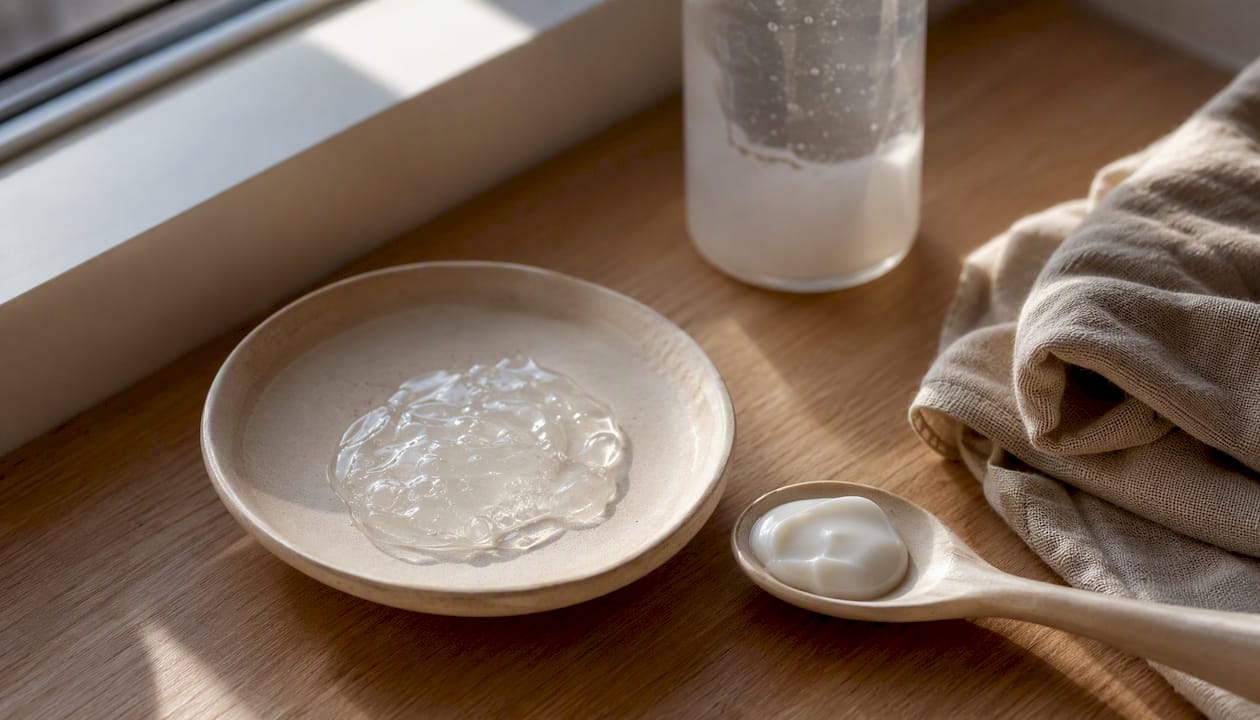
Dry or dehydrated skin: layer hydration in stages rather than relying on one heavy cream. Essence, then a hyaluronic acid serum, then a richer moisturizer, then an occlusive oil at night to lock it all in.
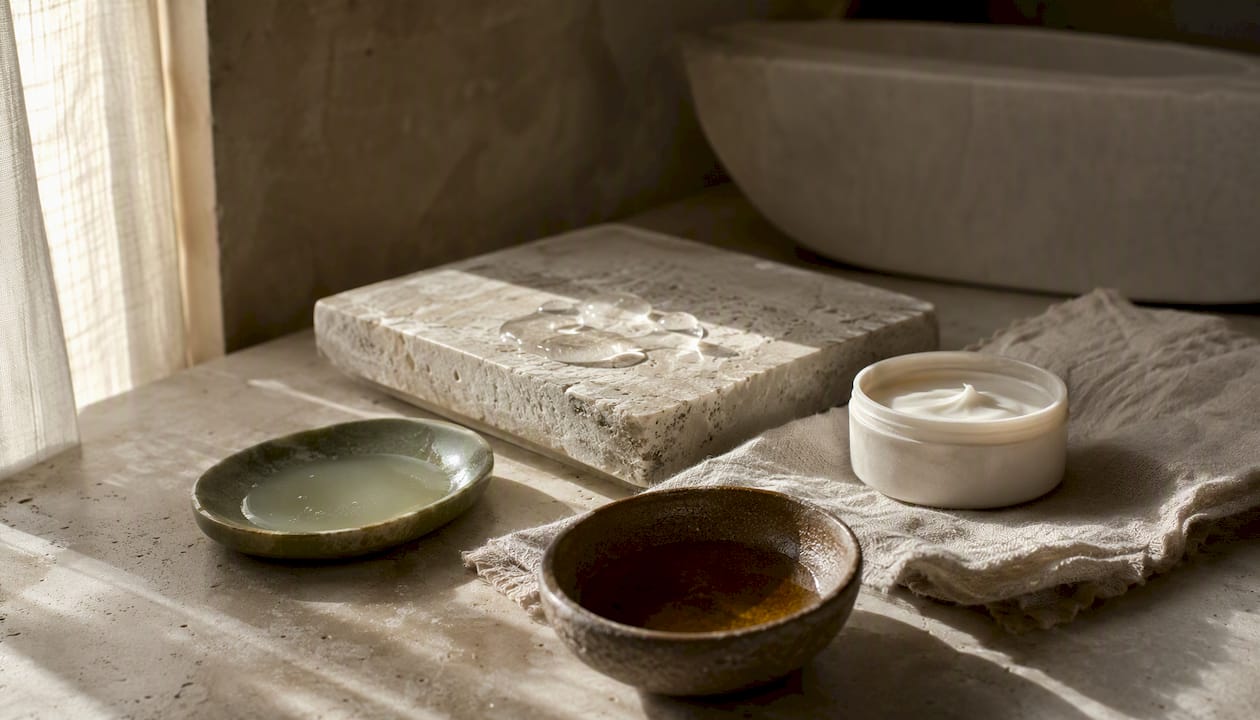
Sensitive or reactive skin: fewer steps, fewer fragrances. Choose low-irritant, fragrance-free formulations and introduce one product at a time. The National Eczema Association specifically advises against frequent introduction of multiple new products for reactive or eczema-prone skin.
Mature or aging skin: this is where a fuller kit tends to pay off most, since peptides, retinoids, and antioxidants each address a different visible sign of aging. Our anti-aging checklist for adults 30 and over breaks down which steps matter most by decade.
For mornings, look for multi-tasking formulas that combine SPF with antioxidants so you’re not adding an extra step just to double up on protection.
Pro Tip: If you can only commit to one step beyond cleanser, make it sunscreen for any skin type, a retinoid for aging concerns, or niacinamide/salicylic acid for oil and acne. Everything else is optimization on top of that foundation.
What’s the Safest Way to Introduce a New Kit?
Rushing a new multi-step kit is the single fastest way to end up with irritated, unhappy skin. Dermatology practitioners recommend a step-in period, introducing one active every two to four weeks rather than launching the whole kit on day one.
A workable four-week onboarding schedule:
- Before anything else: patch-test each new product on your inner forearm for 24 to 48 hours, checking for redness, itching, or bumps.
- Week 1: add just the cleanser and moisturizer to your existing routine. Nothing else changes.
- Week 2: introduce one serum. Watch your skin for three to four days before judging the reaction.
- Week 3: add the next active, if the previous one caused no issues.
- Week 4 and beyond: layer in sunscreen adjustments, eye treatment, or oil, one at a time, always watching for delayed reactions.
Skin doesn’t always react on day one. Some irritation from a new active shows up on day five or six, which is exactly why rushing a full kit into daily use makes it hard to tell which product actually caused the problem.
If you have eczema, rosacea, or a history of reactive skin, extend each stage and consider consulting a dermatologist before adding actives like retinoids or acids. Stop immediately and see a professional if you notice signs of contact dermatitis: intense itching, blistering, or a rash that spreads beyond the application site.
What Do Clinical Studies Actually Show?
The clearest data point comes from a controlled comparison between advanced and simple skincare routines. Short-term, the difference in hydration was dramatic: a measurable increase in skin capacitance within a few days on the advanced routine, with almost no change for the simple one. At the 12-week mark, the advanced routine group showed a measurable improvement in wrinkle depth, while the simple routine group showed no measurable change.
That’s a strong signal, but it comes with real limitations worth knowing before you draw sweeping conclusions. Many of these studies compare product ranges from a single brand, not layering across different brands the way most people actually shop. Sample sizes tend to be small, some use split-face designs (one side gets the advanced routine, the other doesn’t), and the specific endpoints measured vary from study to study. None of that erases the finding, but it does mean “multi-step routines work better” isn’t a universal law, it’s a pattern that shows up consistently under controlled conditions.
Pro Tip: Set realistic expectations by timeline: hydration signals can show up within two days, but structural changes like wrinkle depth or firmness typically take eight to twelve weeks of consistent use before they’re measurable.
Do You Actually Need a Multi-Step Kit?
Ask yourself four questions before buying a seven-step system.
- Are your goals specific? If you’re chasing one clear concern, like uneven tone or loss of firmness, targeted actives matter more than step count.
- Can you realistically use it every day? A kit you use three times a week isn’t outperforming a simple routine you use daily.
- Do you have a history of sensitivity? Reactive skin needs a slower build, not a full kit on day one.
- Is cost a real constraint? A multi-step kit is a bigger investment than a basic three-step routine, and that money is wasted if you don’t stick with it.
If your goals are specific and you can commit to consistent use, a curated kit is worth the investment, particularly one built around complementary formulations. If you’re newer to structured skincare or budget-conscious, start with a focused three-to-four step system (cleanser, one targeted treatment, moisturizer, sunscreen) and build from there. If you’re dealing with persistent redness, breakouts, or a diagnosed skin condition, the smarter move is a conversation with a dermatologist before you add anything new. Our piece on building a routine that actually works walks through how to scale up gradually without wasting money on products you’ll abandon in a month.
A Practical Take on Multi-Step Routines
The skincare industry oversells complexity. Ten-step routines get marketed as universally necessary when the honest clinical picture is more modest: a well-sequenced routine with the right actives beats a bigger routine with the wrong ones, every time. What the data actually supports is targeted layering done consistently, not maximalism for its own sake.
What gets underestimated, in my view, is how much the order and timing of application matter compared to which specific brand sits in each bottle. People spend hours researching which serum to buy and thirty seconds figuring out when to apply it. That ratio is backward. A mediocre serum applied at the right point in a well-paced routine will often outperform an excellent serum applied over a barrier cream that blocks it entirely.
Cellure’s own approach to formulation, complementary actives designed to work in sequence rather than compete for absorption, is what convinced me that the “kit” concept isn’t just retail packaging. It’s a genuine answer to a real problem: most people layer products by guesswork, and guesswork is where irritation and wasted money come from.
A Curated Option Worth Considering
If you’ve decided a multi-step approach fits your goals, the next question is whether you’re going to build one product by product or start with something already sequenced correctly. Cellure’s Complete Skin Repair Kit takes the guesswork out of pairing: peptides, tranexamic acid, and polynucleotides formulated to complement each other, in an order designed around exactly the thin-to-thick layering logic covered above.
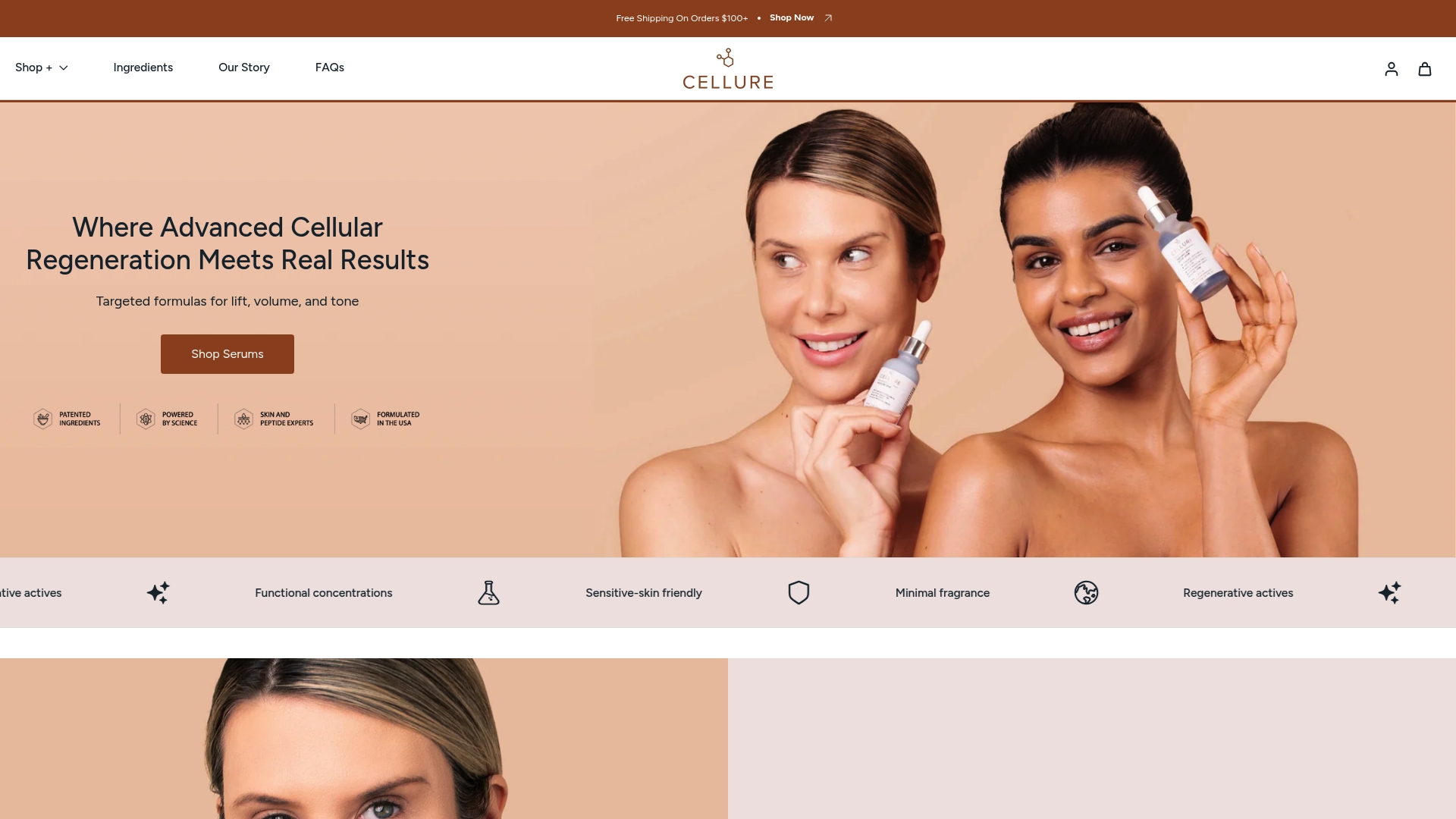
Every formula is gentle enough for sensitive skin, which matters given how often active stacking derails a good routine before it delivers results. Rather than buying separate serums from separate brands and hoping the pH and actives don’t clash, you get a system built to work in sequence from the start. Patch-test it the way you would any new product, then follow the step-in schedule outlined earlier in this guide. Visit the Complete Skin Repair Kit page to see the full ingredient breakdown and decide if it matches your specific skin concerns.
Frequently Asked Questions
Why use multi-step skincare kits instead of a few basic products? A multi-step kit lets you target multiple concerns, like hydration, tone, and firmness, with actives formulated to work together in sequence, rather than relying on one product to do everything at once.
How long before a multi-step routine shows results? Hydration improvements can appear within two days of consistent use, but changes in wrinkle depth or skin texture generally take 8 to 12 weeks of daily use to become measurable.
What’s the biggest mistake people make with multi-step kits? Adding too many new actives at once. Active stacking is the leading cause of irritation, which is why dermatology practitioners recommend introducing one new product every 2 to 4 weeks.
Can sensitive skin handle a multi-step routine? Yes, but with a slower rollout and fragrance-free, low-irritant formulations. People with eczema or rosacea should extend the step-in period and consult a dermatologist before adding retinoids or acids.
Do I need to wait a specific amount of time between skincare layers? Skip the old three-second rule. Wait until a product feels absorbed, typically 10 to 30 seconds for lightweight serums and up to one to three minutes for heavier treatments.
This article is general information, not a substitute for advice from a qualified doctor. Consult a qualified healthcare professional about your own circumstances before acting on anything here.
Sources
- The Correct Order for Skin Care Products
- Multi-step Routines Deliver Better Benefits to Skin
- Order of skin care