


Why Is Collagen Important for Skin, Bones, and Joints?
Collagen is the body’s main structural protein, forming the scaffold that keeps skin firm, bones resilient, and joints functional. It makes up about a third of all protein in the human body, showing up in skin, bone, cartilage, tendons, and blood vessel walls. Oral supplements show mixed evidence at best, so prevention and nutrition matter more than any pill.
- A large portion of total body protein is collagen
- Skin, bone, cartilage, and tendons all depend on it structurally
- Supplement evidence is inconsistent; prioritize sun protection and diet first
Key Takeaways
Collagen’s importance comes from its structural role across skin, bone, and cartilage, while lifestyle habits, not supplements, remain the most reliable lever for preserving it.
| Point | Details |
|---|---|
| Collagen is structural, not decorative | It forms the physical scaffold for skin, bone, cartilage, tendons, and blood vessels. |
| Decline starts around age 20 | UV exposure, smoking, and poor sleep accelerate collagen fiber fragmentation well before visible aging. |
| Vitamin C is non-negotiable for synthesis | It’s a required cofactor for the hydroxylation step that stabilizes collagen’s triple helix. |
| Supplement evidence is mixed at best | Higher-quality, independently funded trials often show weaker effects than industry-funded ones. |
| Prioritize prevention, add topicals second | Sun protection and nutrition come first; Cellure’s Complete Skin Repair Kit fits as an adjunct topical step. |
Table of Contents
- What Is Collagen Made Of, and What Are the Main Types?
- How Does Collagen Support Skin, Bones, Joints, and Blood Vessels?
- How Does Collagen Change as You Get Older?
- What Happens When Collagen Synthesis Goes Wrong?
- Do Collagen Supplements Actually Work?
- How Can You Support Your Body’s Collagen Production?
- What Does the Research Actually Support?
- What Actually Matters Most for Preserving Collagen
- Where Topical Support Fits Into an Evidence-First Routine
- Sources
What Is Collagen Made Of, and What Are the Main Types?
Collagen starts as individual polypeptide chains that wind together into a triple helix, the shape that gives collagen fibers their strength. Those helices bundle into fibrils, and fibrils bundle into fibers, building a mesh strong enough to hold tissue together under repeated stress.
Production happens inside fibroblasts, the cells that manufacture and secrete collagen precursors. The precursor molecules go through propeptide processing before they can assemble properly, and one step in that process depends entirely on vitamin C. Without it, the hydroxylation reaction that stabilizes the triple helix simply doesn’t happen correctly, which is the biochemical reason vitamin C deficiency wrecks collagen quality.
At least 28 types of collagen exist, but four do most of the work:
- Type I — the dominant type, found in skin, bone, and tendons
- Type II — concentrated in cartilage, giving joints their cushioning
- Type III — found in reticular tissue like blood vessels and organs, often alongside Type I
- Type IV — forms basement membranes, the thin sheets that support cell layers
How Does Collagen Support Skin, Bones, Joints, and Blood Vessels?
Collagen’s job changes depending on where it sits, but the underlying principle is the same: it’s the physical infrastructure other tissue components build on.
- Skin: Collagen forms the structural scaffold of the dermis, working alongside elastin (which provides bounce) and hyaluronic acid (which holds water). Lose collagen density and the dermis thins, which is why skin sags rather than snaps back.
- Bone: Collagen provides the organic matrix that minerals like calcium attach to. Bone without enough collagen becomes brittle, not just weaker, because the mineral has less flexible framework to bind to.
- Cartilage: Type II collagen gives cartilage its resistance to compression, letting joints absorb impact without grinding bone on bone.
- Tendons and ligaments: Densely packed collagen fibers give tendons the tensile strength to transmit force from muscle to bone without tearing.
- Blood vessels: Collagen reinforces vessel walls, contributing to structural integrity under blood pressure changes.
Collagen also communicates. Cell surface receptors called integrins bind to collagen fibers and relay signals that influence wound repair and cell behavior, meaning the protein isn’t just passive scaffolding. It actively participates in how tissue rebuilds itself.
How Does Collagen Change as You Get Older?
Collagen production starts declining in early adulthood, not in your 40s or 50s like most people assume. The decline begins around age 20, and it’s gradual at first, then more noticeable as fibers fragment and lose their organized structure over subsequent decades.
Statistic to know: Harvard’s Nutrition Source reports that UV exposure, smoking, and poor sleep speed up this process, producing a disorganized collagen network with reduced skin thickness and elasticity well before most people notice visible sagging.
The accelerants are largely within your control:
- UV radiation breaks down existing collagen fibers and suppresses new production
- Smoking restricts blood flow to skin and damages collagen through oxidative stress
- Excess sugar intake drives glycation, a process that stiffens and tangles collagen fibers
- Poor sleep interferes with the repair processes that maintain collagen turnover
- Alcohol dehydrates tissue and impairs collagen synthesis over time
The visible result is thinner dermis and wrinkles. The less visible result, playing out in bone and cartilage simultaneously, is reduced resilience to fracture and joint wear.
What Happens When Collagen Synthesis Goes Wrong?
Medical conditions tied to collagen defects make its importance impossible to dismiss as a beauty concern.
- Scurvy results from vitamin C deficiency, which disrupts the hydroxylation step collagen synthesis depends on. The outcome is bleeding gums, joint pain, and wounds that refuse to heal properly.
- Osteogenesis imperfecta stems from mutations in Type I collagen genes, producing bones so brittle they fracture from minor stress. It’s a genetic illustration of what happens when the body’s main structural protein is built wrong from the start.
- Ehlers-Danlos syndromes involve defects in collagen processing, leading to hyperextensible skin and unstable joints that dislocate easily.
Each condition demonstrates the same point: collagen isn’t cosmetic infrastructure. It’s load-bearing infrastructure for the entire body.
Do Collagen Supplements Actually Work?
The honest answer is: it depends on which study you’re reading and who paid for it.
Oral collagen supplements get broken down into peptides and amino acids during digestion, the same as any other protein. Some peptides, particularly di and tripeptides like prolylhydroxyproline, appear to be more biologically active than intact collagen molecules, which is the theoretical basis for supplement claims. Several randomized trials have reported improvements in skin hydration, elasticity, and modest joint pain relief.
But there’s a catch worth taking seriously.
A 2025 meta-analysis found that higher-quality, non-industry-funded studies often showed no significant clinical benefit from collagen supplements, raising real questions about whether industry funding shapes the positive results that get published and marketed.
- Many positive trials used blended formulas containing hyaluronic acid, antioxidants, and vitamins alongside collagen, making it hard to credit collagen alone
- Dermatology experts note that visible aging involves multiple matrix components, not collagen in isolation
- Smaller, industry-sponsored trials tend to report stronger effects than independent, larger ones
The clinical takeaway is measured optimism at best. Supplements may offer modest, context-dependent benefits for some people, but they’re not a substitute for full nutrition or proven interventions.
How Can You Support Your Body’s Collagen Production?
The evidence-backed levers are less exciting than a supplement bottle, but they’re the ones actually shown to matter.
- Eat enough total protein daily; amino acids are the raw material collagen synthesis requires
- Prioritize vitamin C-rich foods like citrus, bell peppers, and leafy greens, since vitamin C is a required cofactor for the hydroxylation step
- Get adequate zinc and copper, both involved in collagen cross-linking
- Wear broad-spectrum sunscreen daily; UV damage is one of the most preventable accelerants of collagen breakdown
- Avoid smoking and limit added sugar to reduce glycation-driven fiber stiffening
- Prioritize sleep and resistance exercise, both linked to healthier tissue turnover
- Consider topical retinoids, which have clinical evidence for stimulating collagen remodeling in skin
For joint-specific concerns, collagen’s role in bone density and structure is worth discussing directly with a physician, especially if you have a family history of osteoporosis.
Pro Tip: Lifestyle changes take longer to show results than a serum, but they change the underlying structure, not just the surface. Give sun protection and dietary changes three to six months before judging their effect on skin texture.
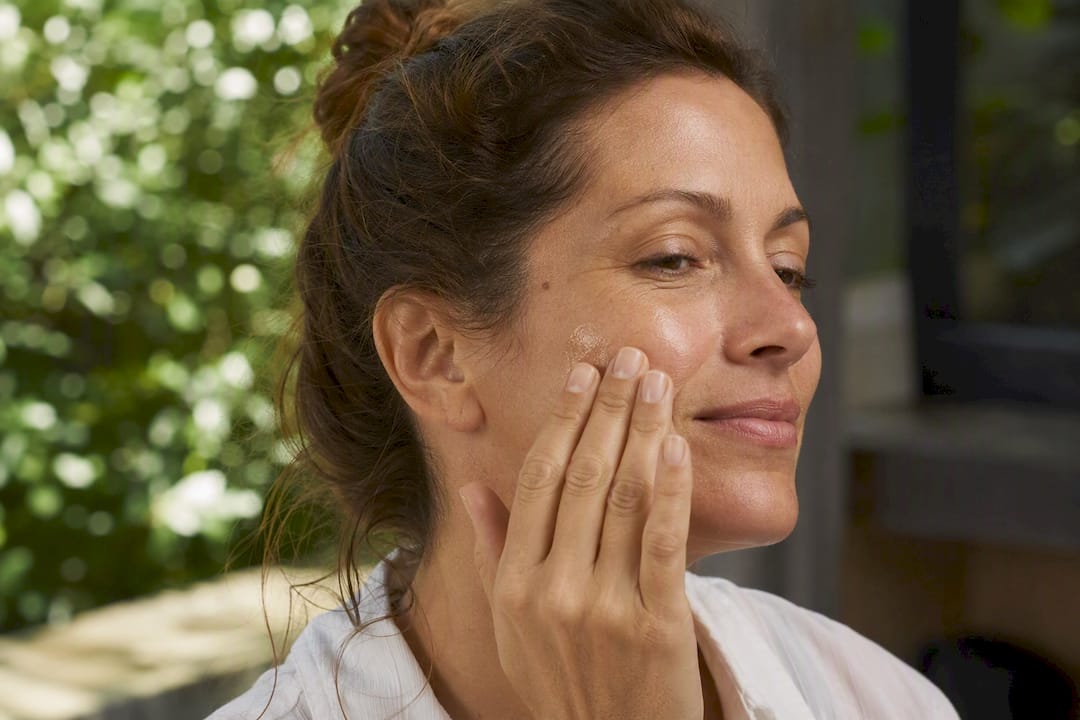
If you want a deeper breakdown of what accelerates the decline, Cellure’s guide to collagen loss covers the mechanisms in more detail, and the tips for boosting collagen production expand on the checklist above.
What Does the Research Actually Support?
The clinical literature is consistent on one point: collagen’s structural role in skin, bone, and cartilage is well established at the molecular level, backed by decades of biochemical research. Where the evidence gets shakier is oral supplementation, where funding source appears to influence outcomes more than it should.
- Meta-analytic caution is warranted before trusting marketing claims tied to any single trial
- A multitarget approach, supporting collagen alongside elastin and hydration, aligns with how dermatologists actually think about skin aging
- Cellure’s formulations focus on clinically supported actives rather than single-ingredient promises, consistent with that multitarget view
- Personalized concerns, especially joint or bone related ones, deserve a conversation with a clinician rather than a supplement aisle decision
What Actually Matters Most for Preserving Collagen
The conventional advice on collagen gets one thing backward: it treats supplementation as the headline intervention when it’s really the least reliable one. The molecular biology is clear, the disorder examples are unambiguous, and the aging mechanism is well mapped. What’s murky is whether a scoop of powder meaningfully changes any of it.
If I had to rank priorities based on what the research actually supports, sun protection and smoking avoidance would sit at the top, not because they’re trendy but because they’re the accelerants with the clearest causal evidence behind them. Nutrition comes next, since vitamin C’s role in hydroxylation isn’t theoretical. Supplements land last, treated as a possible modest add-on rather than a foundation.
What people underestimate is how much collagen health is really vascular and metabolic health in disguise. Glycation from sugar, poor sleep, and smoking don’t just age skin. They’re the same behaviors that predict cardiovascular and metabolic disease. Collagen decline is often a visible marker of processes happening everywhere else in the body, which makes it worth taking seriously beyond appearance.

Where Topical Support Fits Into an Evidence-First Routine
Cellure isn’t a replacement for sunscreen, quitting smoking, or eating enough protein. It’s a topical option for people who’ve already got those fundamentals covered and want a targeted next step for cellular repair.
The Complete Skin Repair Kit is built around peptides and co-active ingredients formulated to support skin’s structural recovery, not to promise a cure for aging or replace medical care. It’s positioned as an adjunct, something to pair with the lifestyle habits this article covers, not a substitute for them. If you’ve already got sun protection and nutrition handled and want to add a science-aligned topical layer, the kit page has full ingredient breakdowns and usage details to help you decide if it fits your routine.
Sources
- Collagen • The Nutrition Source (Harvard T.H. Chan School of Public Health)
- Meta-analysis on collagen supplement efficacy (PubMed identifier)
- Biochemistry, Collagen Synthesis - StatPearls (NCBI Bookshelf)
- Considering collagen drinks and supplements? - Harvard Health Blog