


What is sensitive skin? Caring for it in 2026
Up to 70% of adults worldwide experience sensitive skin, yet most don’t realize their symptoms stem from heightened nerve responses rather than allergies. Sensitive skin involves barrier dysfunction and neurogenic inflammation that trigger redness, burning, and stinging without immune activation. This guide explores the science behind sensitive skin and reveals how gentle, regenerative ingredients like peptides, tranexamic acid, and polynucleotides safely address sensitivity while combating aging signs for healthier, more resilient skin.
Table of Contents
- Definition And Prevalence Of Sensitive Skin
- Pathophysiology: Barrier Dysfunction And Neurogenic Inflammation
- Common Misconceptions About Sensitive Vs. Allergic Skin
- Scientific Backing For Gentle, Regenerative Ingredients
- Comparison Of Skincare Ingredients For Sensitive Skin Safety And Efficacy
- Role Of Cellular Repair In Skin Rejuvenation For Sensitive Skin Sufferers
- Practical Guidelines For Selecting Sensitive Skin Anti-Aging Products
- Specific Strategies To Integrate Anti-Aging With Sensitivity Management
- Explore Gentle, Advanced Solutions For Sensitive Skin Repair
- Frequently Asked Questions
Key takeaways
| Point | Details |
|---|---|
| Prevalence and nature | Sensitive skin affects 60-70% of adults through heightened sensory responses, not allergies. |
| Root causes | Barrier dysfunction and TRP nerve channel activation create inflammation and discomfort. |
| Gentle solutions | Peptides, tranexamic acid, and polynucleotides deliver anti-aging benefits without irritation. |
| Avoidance strategy | Skip harsh surfactants and fragrances to prevent sensitivity flare-ups. |
| Combined approach | Integrating cellular repair with sensitivity management improves skin health and appearance. |
Definition and prevalence of sensitive skin
Sensitive skin represents a condition where sensory neurons activate abnormally in response to typically harmless stimuli. Your skin reacts with heightened sensitivity to products, environmental factors, or even water that others tolerate easily. This biological overreaction creates persistent discomfort that impacts daily life and skincare choices.
Common symptoms include:
- Persistent redness or flushing
- Burning or stinging sensations
- Skin tightness and discomfort
- Visible reactivity to cosmetics
- Dry, flaky patches
Globally, this condition affects the majority of adults yet remains underrecognized by both sufferers and healthcare providers. Many people struggle for years without proper diagnosis, cycling through products that worsen symptoms. The impact extends beyond physical discomfort to affect confidence, product spending, and quality of life.
Recognizing sensitive skin as a legitimate dermatological condition rather than personal sensitivity helps you seek appropriate solutions. Understanding that your reactions stem from measurable biological differences validates your experiences and guides more effective treatment approaches.
Pathophysiology: Barrier dysfunction and neurogenic inflammation
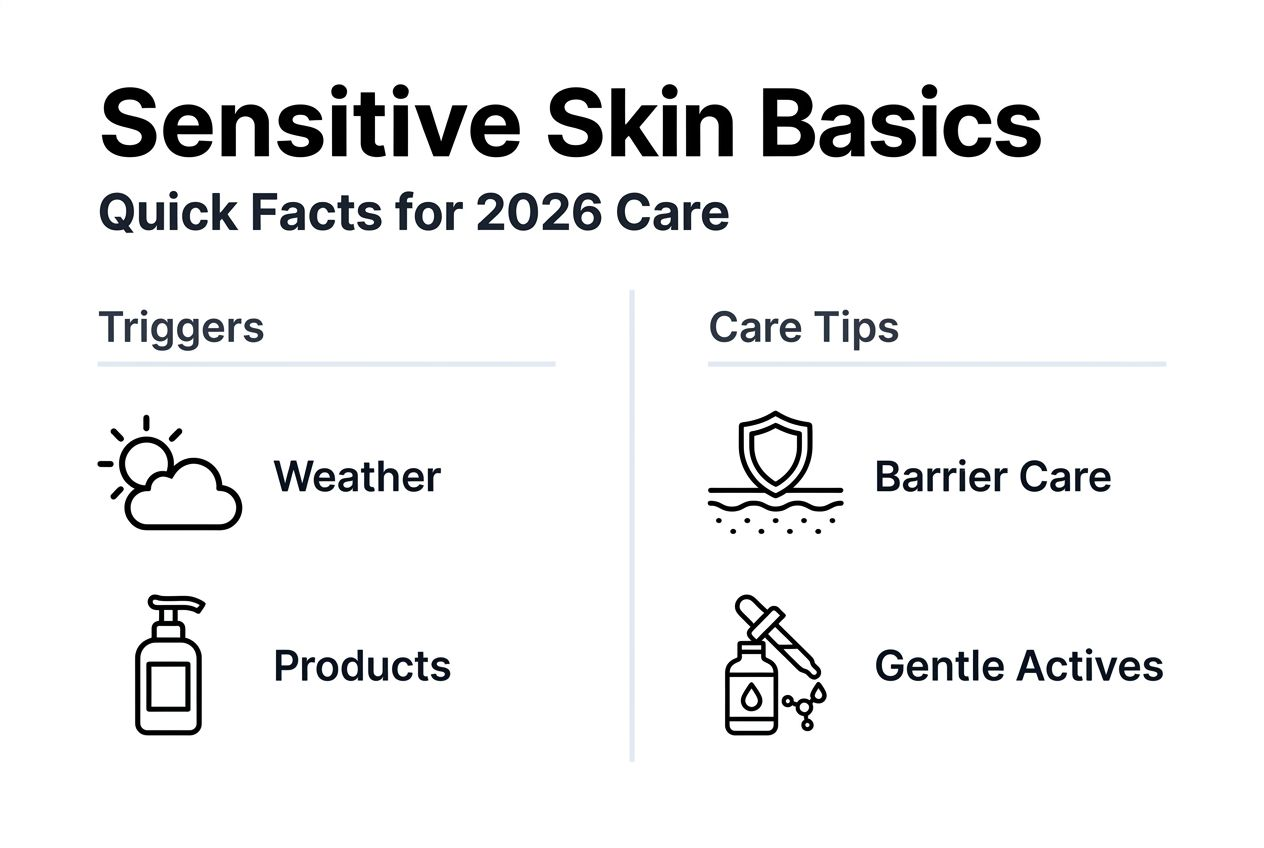
Your skin’s protective barrier normally prevents irritants from penetrating while retaining moisture. When this barrier becomes compromised, transepidermal water loss increases dramatically. Water escapes more easily while allergens, pollutants, and irritants penetrate deeper into living skin layers.
This impairment triggers a cascade:
- Barrier lipids decrease, creating gaps between skin cells
- Moisture evaporates rapidly through damaged barrier
- Irritants penetrate and activate immune responses
- Inflammation compounds existing barrier damage
Simultaneously, transient receptor potential (TRP) channels on your sensory nerve endings become hyperactive. These channels normally detect temperature, pressure, and chemical signals. In sensitive skin, they fire inappropriately, sending pain and discomfort signals to your brain even from gentle stimuli like cool air or mild cleansers.
Key inflammatory triggers include:
- Environmental pollutants activating nerve receptors
- Temperature fluctuations stimulating TRP channels
- Chemical preservatives penetrating weakened barriers
- Physical friction causing immediate nerve responses
This creates a vicious cycle where barrier dysfunction enables irritant penetration, triggering neurogenic inflammation that further damages the barrier. Breaking this cycle requires simultaneously repairing barrier function and calming overactive nerve responses through targeted ingredient selection.
Common misconceptions about sensitive vs. allergic skin
Many people wrongly assume their sensitive skin indicates an allergy requiring avoidance of specific ingredients forever. Research shows only 20% of sensitive skin patients have true allergic dermatitis when properly tested. The remaining 80% experience sensory reactions without immune involvement.
Allergic contact dermatitis requires your immune system to recognize and attack specific molecules, creating memory cells that cause reactions upon re-exposure. This involves a completely different biological pathway than the nerve and barrier dysfunction characterizing most sensitive skin cases.
Critical distinctions include:
- Allergic reactions worsen with repeated exposure; sensitive skin reactions remain consistent
- Allergies require specific antigens; sensitivity responds to multiple unrelated triggers
- Patch testing identifies allergies; sensitive skin often shows negative allergy tests
- Allergic dermatitis needs antigen avoidance; sensitive skin benefits from barrier repair
Misdiagnosing sensitivity as allergy leads you to unnecessarily eliminate beneficial ingredients while missing the actual solution of barrier restoration. You might avoid products containing effective peptides or tranexamic acid based on false allergy assumptions, denying yourself scientifically validated treatments.
Professional assessment through patch testing provides clarity. A dermatologist can definitively determine whether immune activation or sensory dysfunction drives your symptoms, allowing targeted treatment rather than trial and error elimination.
Scientific backing for gentle, regenerative ingredients
Clinical research validates specific bioactive ingredients that simultaneously soothe sensitivity and promote skin regeneration. Peptides stimulate collagen synthesis without triggering inflammatory responses, making them ideal for sensitive aging skin. These short amino acid chains signal fibroblasts to increase collagen and elastin production while maintaining barrier integrity.
Tranexamic acid offers dual benefits by reducing both pigmentation and redness through mechanisms that don’t compromise sensitive skin. It inhibits plasmin activation and decreases inflammatory mediators, calming reactive responses while evening skin tone. Clinical trials demonstrate safety profiles suitable for daily use on reactive skin types.
Polynucleotides represent advanced regenerative technology that enhances cellular repair processes. These nucleic acid fragments stimulate fibroblast activity, increase hyaluronic acid production, and promote wound healing. Their biocompatibility makes them exceptionally gentle despite powerful regenerative effects.
Key advantages of these ingredients:
- Support natural repair without forcing cellular responses
- Provide anti-aging benefits through gentle mechanisms
- Strengthen barrier function while reducing sensitivity
- Show clinical efficacy in sensitive skin populations
Pro Tip: Start with lower concentrations of bioactive ingredients and gradually increase as your skin builds tolerance, allowing barrier repair to progress before intensifying treatment.
Combining these scientifically validated actives creates synergistic effects where each ingredient supports the others’ functions. Peptides rebuild structural proteins while polynucleotides enhance cellular energy and tranexamic acid calms inflammation, addressing multiple sensitivity pathways simultaneously.
Comparison of skincare ingredients for sensitive skin safety and efficacy
Understanding how different actives affect sensitive skin helps you make informed product choices. Not all anti-aging ingredients suit reactive skin types, and some commonly used components actively worsen sensitivity.
| Ingredient | Safety for Sensitive Skin | Primary Benefit | Irritation Risk |
|---|---|---|---|
| Peptides | Excellent | Collagen synthesis, barrier repair | Very low |
| Tranexamic Acid | Excellent | Reduces redness, evens tone | Low |
| Polynucleotides | Excellent | Cellular regeneration, hydration | Very low |
| Retinoids | Poor to Moderate | Anti-aging, cell turnover | High |
| Harsh Surfactants | Poor | Cleansing | Very high |
| Synthetic Fragrances | Poor | Scent | High |
| Niacinamide | Good | Barrier support, calming | Low to moderate |
Research confirms that surfactant-free formulations reduced reactivity episodes by 40% in sensitive skin patients. Traditional cleansers containing sodium lauryl sulfate and similar harsh detergents strip protective lipids, accelerating barrier dysfunction.
Avoid these common irritants:
- Sulfate-based cleansing agents
- Artificial fragrances and perfumes
- High-percentage alcohol formulations
- Physical exfoliants with sharp particles
- Essential oils in high concentrations
The regenerative ingredients peptides, tranexamic acid, and polynucleotides share a unique profile: high efficacy for anti-aging combined with exceptional safety for sensitive skin. This rare combination allows you to address aging concerns without triggering the inflammation that accelerates aging further.
Layering compatible gentle actives amplifies benefits while maintaining safety. A serum combining peptides with tranexamic acid delivers both structural repair and inflammation control, creating optimal conditions for skin recovery.
Role of cellular repair in skin rejuvenation for sensitive skin sufferers
Cellular repair processes form the foundation of healthy, resilient skin capable of resisting sensitivity triggers. When you stimulate proper epidermal regeneration, your skin produces more robust barrier lipids, stronger structural proteins, and better hydration factors. This biological renewal directly combats both sensitivity symptoms and visible aging signs.
Polynucleotide treatments improved hydration by 18% while reducing sensitivity symptoms by 25% over six weeks in clinical studies. Enhanced cellular function translates to measurable improvements in how your skin feels and appears. Transepidermal water loss decreases as barrier lipids regenerate, preventing the moisture escape that triggers tightness and flaking.
Key cellular repair mechanisms:
- Fibroblast activation increases collagen and elastin production
- Enhanced keratinocyte turnover strengthens barrier layers
- Improved lipid synthesis seals gaps between skin cells
- Increased hyaluronic acid production boosts hydration capacity
Peptide formulations specifically targeting cellular repair signal your skin to accelerate renewal processes naturally. Rather than forcing reactions through harsh chemical exfoliation, bioactive peptides communicate with cells using their native signaling language. This gentle approach suits sensitive skin while delivering measurable firmness improvements.
Pro Tip: Consistent application matters more than high concentrations for cellular repair ingredients; daily use of moderate-strength formulas outperforms sporadic use of intensive treatments.
Integrating cellular repair principles into your routine transforms reactive, aging skin into resilient, youthful skin. As barrier function improves, you’ll notice fewer flare-ups from environmental triggers. Simultaneously, increased collagen density visibly lifts and firms while improved hydration plumps fine lines.
Practical guidelines for selecting sensitive skin anti-aging products
Choosing appropriate products requires systematic evaluation of ingredients, formulation methods, and your skin’s individual tolerance patterns. Start by examining ingredient lists for known irritants before considering active beneficial components.
Priority avoidance list:
- Sodium lauryl sulfate and related harsh surfactants
- Synthetic fragrance compounds listed as “parfum” or “fragrance”
- Denatured alcohol in high concentrations
- Physical scrub particles
- High-percentage essential oils
Research confirms that avoiding these ingredients00245-1/fulltext) significantly reduces flare-ups in sensitive skin populations. Once you’ve eliminated problematic components, focus on formulations featuring clinically validated gentle actives.
Selection criteria for anti-aging actives:
- Choose peptide-based formulas over retinoid alternatives initially
- Select tranexamic acid for brightening instead of hydroquinone
- Opt for polynucleotide serums to boost regeneration gently
- Verify clinical testing on sensitive skin populations
- Start with single-active products before trying combinations
Introduce new products methodically to identify tolerance issues before they cascade into major reactions. Apply a small amount to your inner forearm for 48 hours, watching for redness or burning. If tolerated, use on a small facial area for three days before full-face application.
Pro Tip: Keep a simple skincare journal noting new products and any reactions; patterns emerge that help identify your specific triggers faster than memory alone.
Maintain a streamlined regimen focused on barrier support and targeted repair rather than complicated multi-step routines. Sensitive skin often improves when you reduce total product exposure while increasing the quality of essential formulations you do use.
Specific strategies to integrate anti-aging with sensitivity management
Successfully combining anti-aging treatments with sensitivity control requires strategic layering and timing of bioactive ingredients. Your approach should simultaneously strengthen barrier function while stimulating regenerative processes.
Implementation steps:
- Begin with barrier repair using ceramide-rich moisturizers
- Add peptide serums once baseline hydration stabilizes
- Introduce tranexamic acid after two weeks of peptide tolerance
- Layer polynucleotide treatments for enhanced regeneration
- Monitor responses weekly and adjust concentrations accordingly
Combined formulations deliver synergistic effects where ingredients enhance each other’s benefits. A peptide hydro lift serum provides structural repair while maintaining hydration, creating ideal conditions for cellular function. Adding tranexamic acid peptide serum addresses pigmentation and inflammation simultaneously.
Optimal application practices:
- Apply water-based serums to damp skin for better penetration
- Use gentle patting motions instead of rubbing or massaging
- Allow each layer to absorb fully before adding the next product
- Seal active ingredients with barrier-supporting moisturizers
- Time applications consistently to maintain steady ingredient levels
Monitor your skin’s feedback signals carefully. Temporary mild tingling during initial applications may indicate active ingredient penetration, but persistent burning signals intolerance requiring reduced frequency or concentration. If sensitivity increases, step back to basic barrier support until recovery occurs.
Comprehensive systems like a complete skin repair kit provide balanced formulations designed to work together, eliminating guesswork in ingredient compatibility. These coordinated treatments address multiple sensitivity and aging pathways simultaneously while maintaining safety profiles suitable for reactive skin.
Explore gentle, advanced solutions for sensitive skin repair
Your sensitive skin deserves scientifically formulated treatments that respect its unique needs while delivering visible anti-aging results. Cellure specializes in bioactive formulations combining peptides, tranexamic acid, and polynucleotides at concentrations clinically proven effective yet gentle enough for reactive skin types.
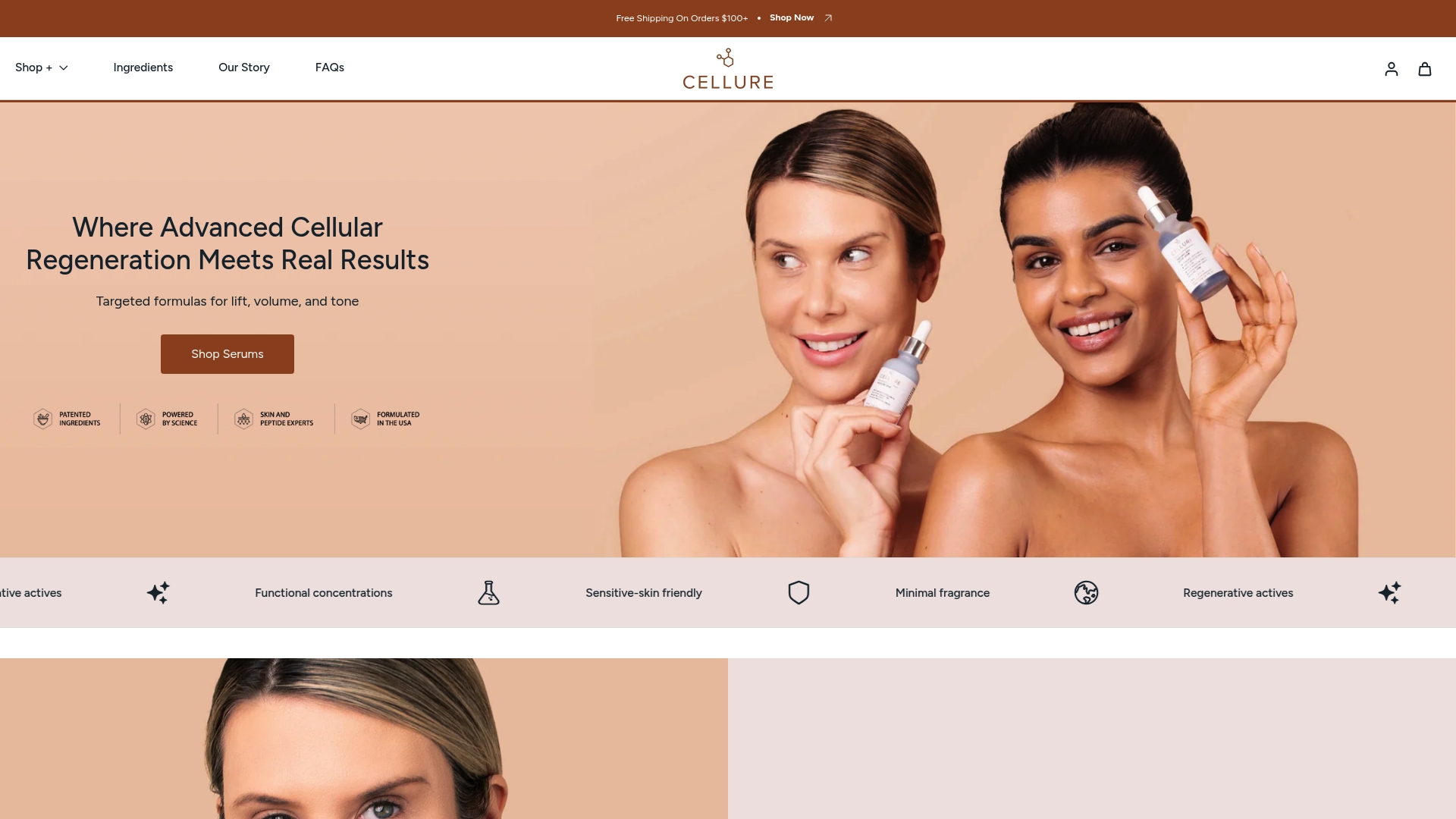
The Complete Skin Repair Kit offers comprehensive barrier restoration alongside regenerative anti-aging benefits. Each component works synergistically to calm sensitivity while promoting cellular renewal. For targeted concerns, the Peptide Hydro Lift Serum delivers collagen-boosting peptides in a hydrating base that soothes reactive skin. The Tranexamic Acid Peptide Serum combines inflammation control with structural repair for comprehensive rejuvenation.
Prioritize scientifically backed formulations developed specifically for sensitive aging skin. Your skincare routine should support natural repair processes rather than forcing responses through harsh interventions.
Frequently asked questions
How can I tell if I have sensitive skin or an allergy?
Sensitive skin reacts consistently to multiple unrelated triggers like temperature changes, water, or various products, while allergies worsen with repeated exposure to specific ingredients. Professional patch testing definitively distinguishes immune-mediated allergic reactions from sensory-based sensitivity, guiding appropriate treatment strategies.
Are peptides safe for daily use on sensitive skin?
Yes, peptides demonstrate excellent safety profiles for daily application on sensitive skin types. Clinical studies show peptides stimulate collagen synthesis without triggering inflammatory responses, making them ideal gentle anti-aging actives. Start with lower concentrations and gradually increase as your skin builds tolerance.
What ingredients should I avoid if my skin is sensitive?
Avoid harsh sulfate surfactants, synthetic fragrances, high-percentage alcohols, physical exfoliating particles, and concentrated essential oils. Research shows eliminating these common irritants reduces reactivity episodes by 40% in sensitive skin patients, allowing your barrier to repair naturally.
Can anti-aging products irritate sensitive skin?
Traditional anti-aging ingredients like retinoids often irritate sensitive skin, but gentle alternatives exist. Peptides, tranexamic acid, and polynucleotides provide comparable anti-aging benefits through mechanisms that don’t compromise barrier function or trigger inflammatory responses in reactive skin types.
How do I introduce new products without causing flare-ups?
Patch test new products on your inner forearm for 48 hours before facial application. If tolerated, apply to a small facial area for three days, monitoring for redness or burning. Introduce only one new product every two weeks to identify specific triggers if reactions occur.
Does cellular repair help both sensitivity and aging?
Yes, cellular repair processes simultaneously address sensitivity and aging by strengthening barrier function while stimulating collagen production. Enhanced epidermal regeneration reduces transepidermal water loss by 18% while improving firmness, creating resilient skin that resists both sensitivity triggers and visible aging signs.
Recommended
Share