


The Role of Exfoliation in Skin Regeneration
TL;DR:
- Exfoliation accelerates skin cell turnover by removing dead surface cells, supporting natural skin regeneration.
- Choosing the appropriate method and frequency based on skin type is essential to prevent barrier damage and irritation.
Exfoliation is defined as the controlled removal of dead skin cells from the outermost epidermal layer, and it directly supports skin regeneration by accelerating natural cellular turnover. The role of exfoliation in regeneration is not cosmetic theater. It is a clinically grounded process that clears the surface debris blocking your skin’s renewal cycle, allowing fresher, healthier cells to reach the surface faster. The American Academy of Dermatology recognizes two primary categories: mechanical exfoliation, which uses physical friction, and chemical exfoliation, which uses acids or enzymes to dissolve dead cell bonds. Understanding both gives you the foundation to build a routine that actually works.
How exfoliation drives skin cell renewal and epidermal turnover
The skin regeneration process begins in the basal layer of the epidermis, where stem cells proliferate, differentiate, and migrate upward to form new keratinocytes. This cycle takes roughly 28 days in younger skin and slows considerably with age. Exfoliation accelerates the final stage of this cycle: desquamation, the natural shedding of dead cells from the stratum corneum. When dead cells accumulate faster than they shed, the surface becomes dull, uneven, and less receptive to treatment products.
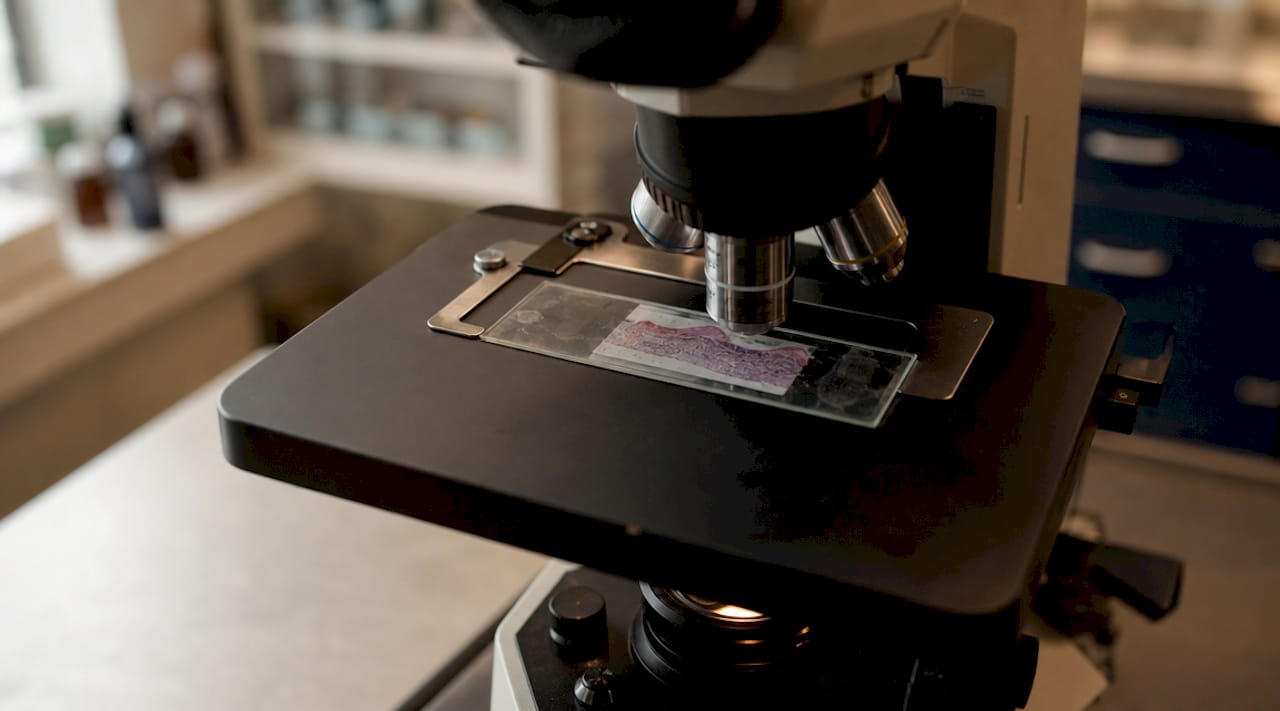
Skin regeneration involves basal-layer stem cell proliferation and migration to rebuild the epidermal barrier. Exfoliation influences surface renewal but does not regenerate deeper structures on its own. This distinction matters. You are not rebuilding collagen or stimulating the dermis by using a glycolic acid toner. You are clearing the path so the skin’s own renewal machinery can function without obstruction.
Chemical peeling promotes cellular turnover, improving skin clarity, texture, and hydration. A 2026 pilot study showed chemical peels reduced sebum and acne lesions and improved hydration, though they transiently increased visible pore size in some participants. This means short-term changes in pore appearance are a normal part of the process, not a sign that the treatment is failing.
Exfoliation also enhances the absorption of subsequent skincare treatments by clearing dead cells and debris, making it a preparatory step in any cellular renewal workflow. A serum containing peptides or polynucleotides penetrates more effectively on freshly exfoliated skin than on a surface layered with dead cell buildup.
Pro Tip: If you apply a treatment serum within 10 to 20 minutes after a gentle chemical exfoliant, you maximize absorption during the window when the surface is most receptive.
Key mechanisms by which exfoliation supports regeneration:
- Accelerates desquamation, preventing dead cell accumulation that slows surface renewal
- Improves skin texture and tone by exposing newer, more uniform keratinocytes
- Enhances penetration of bioactive ingredients like peptides and tranexamic acid
- Signals mild controlled stress that can upregulate repair responses in the epidermis
- Prepares the skin surface for follow-on treatments including serums and moisturizers
What are the best exfoliation methods for skin regeneration?
Choosing the right method is not about preference. It is about matching the mechanism to your skin type, barrier condition, and regeneration goals.
Mechanical exfoliation uses physical abrasion to dislodge dead cells. Examples include sugar scrubs, konjac sponges, silicone cleansing brushes, and microdermabrasion devices. These methods work immediately and require no wait time, but they carry a higher risk of micro-tears and irritation, particularly on sensitive, acne-prone, or darker skin tones. The American Academy of Dermatology notes that mechanical exfoliation may be too harsh for sensitive, dry, or acne-prone skin, and that darker skin tones risk pigment changes with strong exfoliation.
Chemical exfoliation uses acids or enzymes to dissolve the bonds holding dead cells together. Alpha-hydroxy acids (AHAs) like glycolic acid and lactic acid work on the skin surface and are well-suited for dull, aging, or hyperpigmented skin. Beta-hydroxy acids (BHAs) like salicylic acid penetrate into pores and are better suited for oily or acne-prone skin. Enzyme peels, typically derived from papaya or pineapple, offer a gentler option for sensitive skin types.
Combined approaches represent the frontier of regeneration-focused exfoliation. Chemical peels paired with microneedling leverage complementary mechanisms: superficial epidermal turnover from the peel and deeper dermal collagen stimulation from the needling. Spacing and recovery time between these treatments is critical to avoid cumulative barrier damage.
| Method | Best for | Key benefit | Main risk |
|---|---|---|---|
| Mechanical scrubs | Normal to oily skin | Immediate smoothness | Micro-tears, irritation |
| AHA (glycolic, lactic acid) | Aging, dull, hyperpigmented skin | Surface renewal, brightening | Sun sensitivity |
| BHA (salicylic acid) | Oily, acne-prone skin | Pore clearing, oil control | Dryness with overuse |
| Enzyme peels | Sensitive skin | Gentle dissolution of dead cells | Minimal, low irritation risk |
| Chemical peel + microneedling | Acne scarring, deeper texture issues | Epidermal and dermal remodeling | Requires professional management |
Pro Tip: If you are new to chemical exfoliation, start with lactic acid at 5% or lower. It is the gentlest AHA and least likely to cause irritation while still delivering measurable surface renewal.
What are the risks of over-exfoliation and how do you exfoliate safely?
Over-exfoliation is one of the most common and least recognized causes of chronic skin sensitivity. Overuse disrupts the skin barrier, causing redness, dryness, sensitivity, and delayed recovery. The skin’s barrier, composed primarily of lipids and keratinocytes, requires time to rebuild between exfoliation sessions. Strip it too aggressively and you create a cycle of inflammation that actively slows regeneration rather than supporting it.
Aggressive exfoliation may provide short-term smoothness but risks long-term barrier impairment. Balanced exfoliation supports healthy renewal rather than stripping the skin. This is the core principle that separates effective exfoliation from damaging overuse.
Follow these steps to exfoliate safely and protect your regeneration outcomes:
- Assess your barrier first. If your skin feels tight, burns, or looks red, your barrier is compromised. Exfoliating on impaired skin worsens transepidermal water loss and delays healing. Wait until skin is calm before resuming.
- Match frequency to your skin type. Oily skin can typically tolerate exfoliation two to three times per week. Dry or sensitive skin does better with once per week or even once every ten days.
- Never exfoliate sunburned or broken skin. The American Academy of Dermatology is explicit on this point. Damaged skin needs repair, not additional stress.
- Moisturize immediately after exfoliating. Applying a hydrating moisturizer right after exfoliation seals in moisture and supports barrier recovery. This step is not optional.
- Use SPF daily when using chemical exfoliants. AHAs increase photosensitivity. Skipping sunscreen while using glycolic or lactic acid products significantly raises your risk of UV-induced pigmentation.
Pro Tip: Think of your skin’s barrier like a freshly painted wall. You need to let it cure before applying another coat. Exfoliate, then give your skin 48 hours of barrier-supportive care before repeating.
How to build exfoliation into your skincare routine for regeneration
A personalized exfoliation routine aligned with your skin type and barrier condition is the most reliable path to consistent regeneration benefits without adverse effects. The sequence in which you apply products matters as much as the products themselves.
Follow this approach to integrate exfoliation effectively:
- Cleanse first. Always start with a gentle, non-stripping cleanser. Exfoliating on skin that still carries sunscreen, makeup, or pollution residue reduces efficacy and increases irritation risk.
- Apply your exfoliant. For chemical exfoliants, apply to dry or slightly damp skin and leave on for the time specified by the product. For mechanical methods, use light circular pressure and rinse thoroughly.
- Wait before layering actives. Give your skin five to ten minutes after a chemical exfoliant before applying serums. This reduces the risk of ingredient interactions that cause stinging or redness.
- Apply treatment serums. This is the window where bioactive ingredients like peptides, polynucleotides, or tranexamic acid absorb most effectively. Freshly exfoliated skin is primed for uptake.
- Seal with moisturizer. Lock in hydration and support barrier recovery. For a deeper look at how this fits into a full renewal protocol, the cellular skin renewal guide from Cellure outlines the science-backed steps in detail.
Clinical trials using glycolic acid peels show that visible skin improvements require multi-session protocols over weeks to months. This means consistency over time, not intensity in a single session, drives real regenerative results.
Common misconceptions about exfoliation and skin regeneration
The biggest myth is that more exfoliation equals more regeneration. It does not. Exfoliation clears surface dead cells) and supports the natural renewal process, but overdoing it impairs the barrier and increases irritation risk. The skin’s regenerative capacity depends on an intact barrier, not a perpetually stripped one.
Several other misconceptions are worth addressing directly:
- Exfoliation is not skin regeneration. It supports the surface stage of a multi-layered biological process that includes stem cell activity, collagen synthesis, and barrier lipid production.
- Smoother skin after exfoliation is not always a sign of deeper repair. Surface smoothness is often a temporary aesthetic effect from removing dead cell buildup, not evidence of dermal remodeling.
- Visible pore changes are not permanent damage. A 2026 pilot study noted transient increases in visible pore size after chemical peeling. This normalizes as the skin recovers.
- One method does not suit all skin types. Darker skin tones, sensitive skin, and acne-prone skin each require different approaches to avoid pigmentation changes, barrier disruption, or breakouts.
- Exfoliation frequency is not fixed. Your skin’s needs change with seasons, hormones, stress, and age. Adjust your routine accordingly rather than following a rigid schedule year-round.
Key takeaways
Exfoliation supports skin regeneration by accelerating controlled epidermal turnover, but its benefits depend entirely on matching the method, frequency, and aftercare to your skin’s current barrier condition.
| Point | Details |
|---|---|
| Exfoliation accelerates turnover | It clears dead cells to support the skin’s natural renewal cycle, not replace it. |
| Method must match skin type | AHAs suit aging skin; BHAs suit oily skin; enzyme peels suit sensitive skin. |
| Over-exfoliation harms regeneration | Barrier disruption from overuse slows recovery and increases inflammation. |
| Moisturize immediately after | Post-exfoliation hydration seals moisture and supports barrier repair. |
| Consistency beats intensity | Multi-session protocols over weeks deliver visible results; single aggressive sessions do not. |
What I’ve learned from watching people over-exfoliate their way to worse skin
Most people who come to exfoliation with serious skin goals make the same mistake: they treat it as a correction tool rather than a maintenance practice. They exfoliate aggressively when their skin looks bad, which is almost always when the barrier is already compromised. The result is a cycle of stripping and inflammation that keeps the skin in a perpetual state of stress.
What actually works is boring by comparison. Once or twice a week, a well-formulated AHA or BHA, followed immediately by a barrier-supporting moisturizer and a peptide serum. No stacking of multiple exfoliants. No skipping SPF. No exfoliating through redness or tightness.
The combination of chemical peeling with microneedling genuinely interests me as an approach for people dealing with texture, scarring, or significant photoaging. The evidence supports it. But the spacing between sessions is non-negotiable. I have seen too many cases where impatience with recovery time turned a promising protocol into a months-long barrier repair project.
My honest recommendation: treat your skin’s calm as the prerequisite for exfoliation, not an afterthought. For those with sensitive skin navigating this balance, the gentle anti-aging tips from Cellure offer a practical framework worth reading before you start.
— Sara
Support your skin’s renewal with Cellure
Exfoliation clears the path. What you apply next determines how far your skin’s regeneration actually goes. Cellure’s Complete Skin Repair Kit is formulated to work in exactly this window, delivering peptides, polynucleotides, and tranexamic acid to freshly prepared skin for maximum cellular uptake. Every formula in the kit is designed around the science of barrier-safe regeneration, not surface-level smoothing. If you are building a routine that takes exfoliation seriously as a first step toward real skin repair, this kit is built for that purpose. Explore Cellure’s regenerative skincare to find the right protocol for your skin type and goals.
FAQ
What is the role of exfoliation in skin regeneration?
Exfoliation accelerates the removal of dead skin cells from the stratum corneum, supporting the skin’s natural epidermal turnover cycle. It does not regenerate deeper dermal structures on its own, but it clears the surface so the skin’s renewal process can function without obstruction.
How often should you exfoliate for best regeneration results?
Oily skin typically tolerates two to three sessions per week, while dry or sensitive skin benefits from once per week or less. The American Academy of Dermatology recommends adjusting frequency based on skin type and pausing if irritation or tightness develops.
What is the difference between AHA and BHA exfoliants?
AHAs like glycolic acid and lactic acid work on the skin surface and suit aging, dull, or hyperpigmented skin. BHAs like salicylic acid penetrate into pores and are better suited for oily or acne-prone skin.
Can over-exfoliation damage your skin?
Yes. Over-exfoliation disrupts the skin barrier, causing redness, dryness, and increased sensitivity. Dermatologists caution that aggressive exfoliation delays recovery and can worsen inflammation, which actively slows regeneration rather than supporting it.
Does exfoliation improve how well serums absorb?
Exfoliation enhances the absorption of subsequent skincare treatments by clearing dead cells and debris from the skin surface, making it a preparatory step in any cellular renewal routine.