


Skin Brightening Explained: Ingredients, Safety, and Results
TL;DR:
- Skin brightening enhances your natural radiance by targeting discoloration without altering your inherent skin color.
- Consistent use of tolerable actives combined with rigorous photoprotection is essential for effective, safe results.
Skin brightening is defined as the process of enhancing your skin’s natural radiance by reducing dullness, dark spots, and uneven tone without altering your skin’s inherent color. This explanation of skin brightening matters because the term is frequently confused with skin whitening, a fundamentally different and often riskier practice. The most effective brightening approaches combine targeted actives like niacinamide, vitamin C, and exfoliating acids with rigorous photoprotection. Understanding what skin brightening actually does at the cellular level helps you choose the right products, set realistic expectations, and avoid ingredients that cause more harm than good.
What is skin brightening and how does it work biologically?
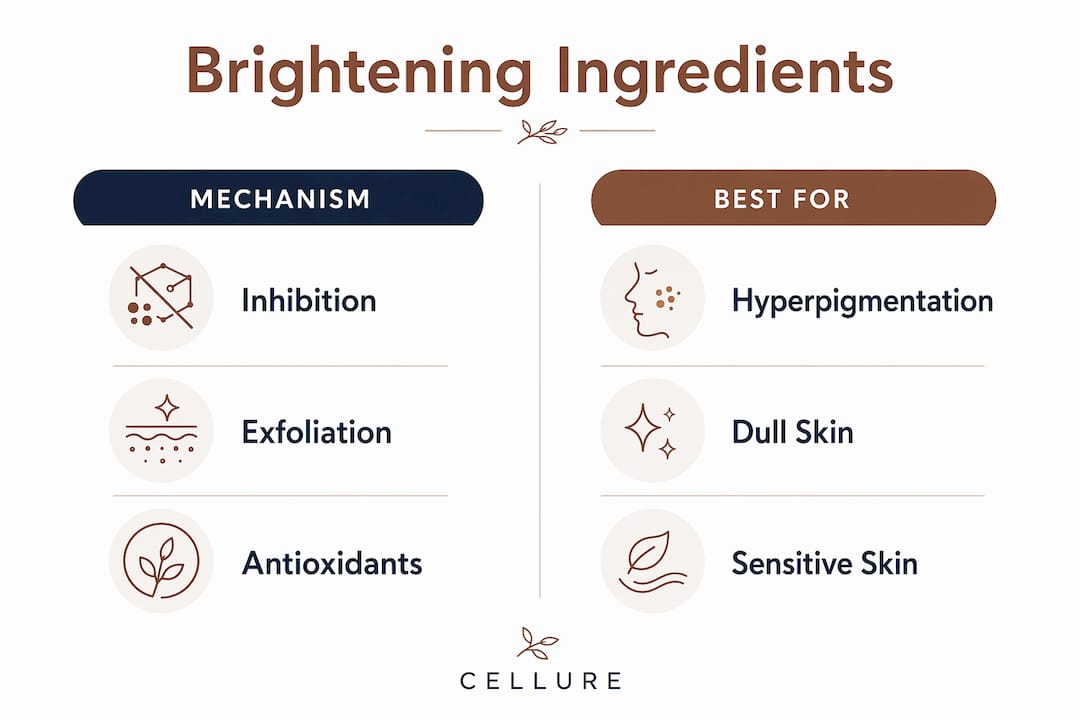
Skin brightening targets hyperpigmentation and post-inflammatory pigmentation by interrupting the processes that cause uneven melanin distribution. It does not suppress melanin production globally. Instead, it works on specific mechanisms: inhibiting melanosome transfer from melanocytes to surrounding skin cells, accelerating cell turnover to shed pigmented surface cells, and reducing oxidative stress that triggers excess pigment production.
Exfoliation is one of the most direct routes to brighter skin. Alpha-hydroxy acids like glycolic acid and lactic acid dissolve the bonds between dead skin cells, speeding up surface renewal. Beta-hydroxy acids like salicylic acid penetrate pores and reduce inflammation that can worsen pigmentation. Both categories improve skin clarity by removing pigmented cells gradually and consistently.
Antioxidants like vitamin C reduce oxidative stress caused by UV exposure and pollution, both of which stimulate melanin overproduction. Hydration also plays a measurable role. Well-hydrated skin reflects light more evenly, which is why hyaluronic acid appears in many brightening formulas even though it has no direct effect on pigment. The result is a more luminous appearance that comes from improved skin texture and reflectance, not a change in your natural skin color.
Pro Tip: Apply vitamin C serum in the morning before sunscreen. UV exposure degrades ascorbic acid quickly, so morning application maximizes its antioxidant protection during peak sun hours.
Key brightening ingredients: how do they compare?
Not all brightening actives work the same way, and choosing the right one depends on your skin type, sensitivity, and the type of pigmentation you are addressing. The table below compares the most widely used ingredients by mechanism, benefit, and key considerations.
| Ingredient | Mechanism | Key benefit | Side effect risk | Best for |
|---|---|---|---|---|
| Niacinamide | Inhibits melanosome transfer | Tolerant, anti-inflammatory | Very low | Sensitive skin, long-term use |
| Vitamin C (L-ascorbic acid) | Antioxidant, tyrosinase inhibition | Brightens and protects | Moderate (oxidizes fast) | Daily antioxidant defense |
| Glycolic acid | AHA exfoliation | Resurfaces and evens tone | Moderate (photosensitizing) | Dull, thickened skin |
| Lactic acid | Mild AHA exfoliation | Gentle resurfacing, hydrating | Low to moderate | Dry or sensitive skin |
| Tranexamic acid | Blocks UV-induced pigment signaling | Targets stubborn melasma | Very low | Melasma, post-acne marks |
| Hydroquinone | Tyrosinase inhibitor | Fast depigmentation | High (long-term use) | Short-term clinical use only |
| Retinoids | Accelerates cell turnover | Resurfaces and fades spots | Moderate (irritation) | Aging skin with pigmentation |
Niacinamide at 4% concentration performs as effectively as 4% hydroquinone for melasma and hyperpigmentation, with significantly fewer side effects like redness and dryness. This matters practically: niacinamide’s tolerability means you can use it consistently over months, which is exactly what brightening requires. Long-term consistency with tolerable agents is often the single biggest determinant of visible brightening results, more than any fast-acting but irritation-prone treatment.
Tranexamic acid is worth particular attention as an emerging agent. It works by blocking the UV-induced signaling pathway that tells melanocytes to produce more pigment. Unlike hydroquinone, it does not directly inhibit tyrosinase, which makes it gentler and suitable for longer use. You can read more about its specific applications in tranexamic acid for aging skin to understand how it fits into a broader anti-pigmentation strategy.
Pro Tip: Layer niacinamide and tranexamic acid in the same routine without concern. They work through different pathways and do not compete or cancel each other out, making them one of the most effective brightening combinations available.
How does skin brightening differ from skin whitening?
Skin whitening is defined as the suppression of melanin production with the goal of making skin globally lighter than its natural tone. Skin brightening, by contrast, targets specific areas of discoloration to reveal the skin’s natural radiance without changing its baseline color. The distinction is not just semantic. It has real consequences for safety and outcomes.
The FDA warns consumers about OTC skin lightening products containing hydroquinone or mercury, citing health risks and lack of FDA approval for over-the-counter sale. Mercury-containing products, sometimes sold under labels like “skin lightening cream” or “brightening lotion,” can cause kidney damage and neurological harm. These products are not rare. They circulate in unregulated markets and online platforms, often mislabeled.
The practical differences between the two approaches break down clearly:
- Brightening targets dark spots, post-acne marks, and sun damage while preserving your natural skin tone
- Whitening attempts to reduce overall melanin to achieve a lighter complexion than your genetic baseline
- Brightening ingredients like niacinamide, vitamin C, and glycolic acid are well-studied and generally safe for long-term use
- Whitening agents like high-dose hydroquinone and mercury carry documented risks including ochronosis (a blue-black skin discoloration from prolonged hydroquinone use) and systemic toxicity
- Brightening results are gradual and sustainable; whitening results often require continuous use of aggressive agents to maintain
The term “skin lightening” frequently flags products that may contain harmful ingredients, so reading ingredient lists critically is non-negotiable. If a product promises dramatic lightening in days or weeks, that is a warning sign, not a selling point.
What does an effective skin brightening routine look like?
A science-backed brightening routine works in layers, combining actives that address existing pigmentation with photoprotection that prevents new pigmentation from forming. Topical therapies are first-line treatments for melanin hyperpigmentation, with procedural options reserved for cases that do not respond to optimized topical care.
A practical daily routine looks like this:
- Cleanser: Use a gentle, non-stripping cleanser morning and evening. Avoid harsh surfactants that compromise your skin barrier, since a damaged barrier worsens inflammation and pigmentation.
- Vitamin C serum (AM): Apply L-ascorbic acid or a stabilized vitamin C derivative in the morning. This provides antioxidant defense during UV exposure and inhibits pigment formation.
- Niacinamide serum (AM or PM): Niacinamide works well in both routines. It inhibits melanosome transfer and supports barrier function simultaneously.
- Moisturizer: Hydration improves skin reflectance and supports the barrier. Look for formulas with hyaluronic acid or ceramides.
- Broad-spectrum sunscreen SPF 50+ (AM, reapply every 2 hours): SPF 50 with reapplication at least twice daily is the clinical standard for managing hyperpigmentation. Tinted sunscreens with iron oxides add protection against high-energy visible light, which also triggers melanin production.
- Exfoliant (PM, 2-3x per week): Glycolic acid or lactic acid used at night resurfaces skin and accelerates the shedding of pigmented cells. Start with lower concentrations (5-10%) and increase gradually.
- Retinoid (PM, 2-3x per week, alternating with exfoliant): Retinoids accelerate cell turnover and fade pigmentation over time. Introduce slowly to avoid irritation.
People often neglect rigorous photoprotection, which is the single most common reason brightening results stall or reverse. Even the most effective topical actives cannot outpace daily UV-induced pigment formation if sunscreen is skipped or underapplied.
Pro Tip: When introducing multiple actives, add one new ingredient every two weeks. This makes it easy to identify which product causes irritation if your skin reacts, and it reduces the risk of overwhelming your barrier.
For stubborn pigmentation that does not respond to a consistent topical routine after three to six months, dermatological procedures like chemical peels, laser treatments, or microneedling become relevant options. These are adjuncts to topical care, not replacements. The global dermatology consensus supports personalized treatment algorithms that combine topical agents, photoprotection, and procedural options based on skin type and pigmentation depth.
Key takeaways
Effective skin brightening requires consistent use of tolerable actives combined with daily broad-spectrum photoprotection to both reduce existing pigmentation and prevent new formation.
| Point | Details |
|---|---|
| Brightening vs. whitening | Brightening enhances natural radiance; whitening attempts to alter your baseline skin color. |
| Niacinamide as a first choice | Niacinamide matches hydroquinone’s efficacy for hyperpigmentation with far fewer side effects. |
| Photoprotection is non-negotiable | SPF 50+ with daily reapplication prevents new pigmentation and protects brightening results. |
| Ingredient layering works | Combining niacinamide, vitamin C, and tranexamic acid targets multiple pigmentation pathways simultaneously. |
| Consistency beats intensity | Gradual, consistent use of tolerable actives outperforms aggressive treatments that cause irritation and setbacks. |
Why photoprotection deserves more credit than the actives
Most conversations about skin brightening center on serums and actives, and I understand why. Niacinamide, vitamin C, and tranexamic acid are genuinely exciting because they produce visible results. But in my experience reviewing the clinical literature and watching how people actually use these products, the single biggest predictor of whether brightening works is not which serum someone chooses. It is whether they wear sunscreen every day without exception.
The biology is straightforward. UV radiation and visible light stimulate melanocytes to produce more pigment. If you apply a brightening serum every night but skip sunscreen three mornings a week, you are running a losing race. The new pigmentation being triggered daily will outpace what your actives can clear. I have seen this pattern repeatedly in the research: even the best topical brighteners stall when photoprotection is inconsistent.
There is also a tendency to chase the newest active ingredient before mastering the basics. Tranexamic acid and polynucleotides are genuinely promising, and I think they represent the future of pigmentation treatment. But they work best on a foundation of barrier health, consistent exfoliation, and daily sun protection. Skipping that foundation and layering expensive actives on compromised skin is a waste of both money and time.
My honest recommendation: build the routine from the outside in. Start with sunscreen, then add a single well-tolerated active like niacinamide. Give it eight weeks before adding anything else. The patience required is real, but so are the results when you approach brightening as a long-term practice rather than a quick fix. You can explore more about building a brightening routine that prioritizes this kind of sustainable approach.
— Sara
How Cellure supports safe, effective skin brightening
Cellure formulates its products around the same principles this article covers: clinically supported actives, barrier-friendly delivery, and ingredient transparency. The Complete Skin Repair Kit includes niacinamide, tranexamic acid, and hydrating agents designed to work together without overwhelming sensitive skin. Each formula is built for consistent, long-term use, which is exactly what the research shows produces real brightening results. If you want a science-backed starting point that integrates brightening actives with skin repair, Cellure’s approach is worth exploring. You can also review the full ingredient details to understand exactly what goes into each product and why.
FAQ
What is skin brightening in simple terms?
Skin brightening is the process of reducing dark spots, uneven tone, and dullness to reveal your skin’s natural radiance without changing its baseline color. It targets specific areas of hyperpigmentation rather than suppressing melanin production across the entire face.
Does skin brightening actually work?
Yes, skin brightening works when the right ingredients are used consistently alongside daily photoprotection. Key brightening ingredients like niacinamide, glycolic acid, vitamin C, and tranexamic acid have clinical evidence supporting their effectiveness for reducing hyperpigmentation over time.
How long does it take to see skin brightening results?
Most people see noticeable improvement in four to eight weeks with consistent use of brightening actives and daily SPF 50+ sunscreen. Stubborn pigmentation like melasma may take three to six months of topical treatment before significant fading occurs.
Is skin brightening safe for all skin types?
Brightening ingredients like niacinamide and lactic acid are generally safe for all skin types, including sensitive skin. Niacinamide’s tolerability makes it particularly suitable for long-term use across diverse skin types without the irritation associated with stronger agents like hydroquinone.
What is the difference between skin brightening and skin whitening?
Skin brightening targets specific dark spots and uneven tone to enhance natural radiance, while skin whitening attempts to globally reduce melanin to lighten skin beyond its natural color. The FDA has issued warnings about OTC whitening products containing hydroquinone or mercury due to documented health risks.