


How to Choose Bioactive Skincare for Your Skin Type
Bioactive skincare works by delivering ingredients that actively communicate with your skin cells, triggering real biological changes like collagen production, barrier repair, and inflammation control. The right choice comes down to four criteria: clinically proven efficacy, biological compatibility with your skin, formulation stability, and a delivery system that gets the ingredient where it needs to go. Get those four right, and you have a product worth your money.
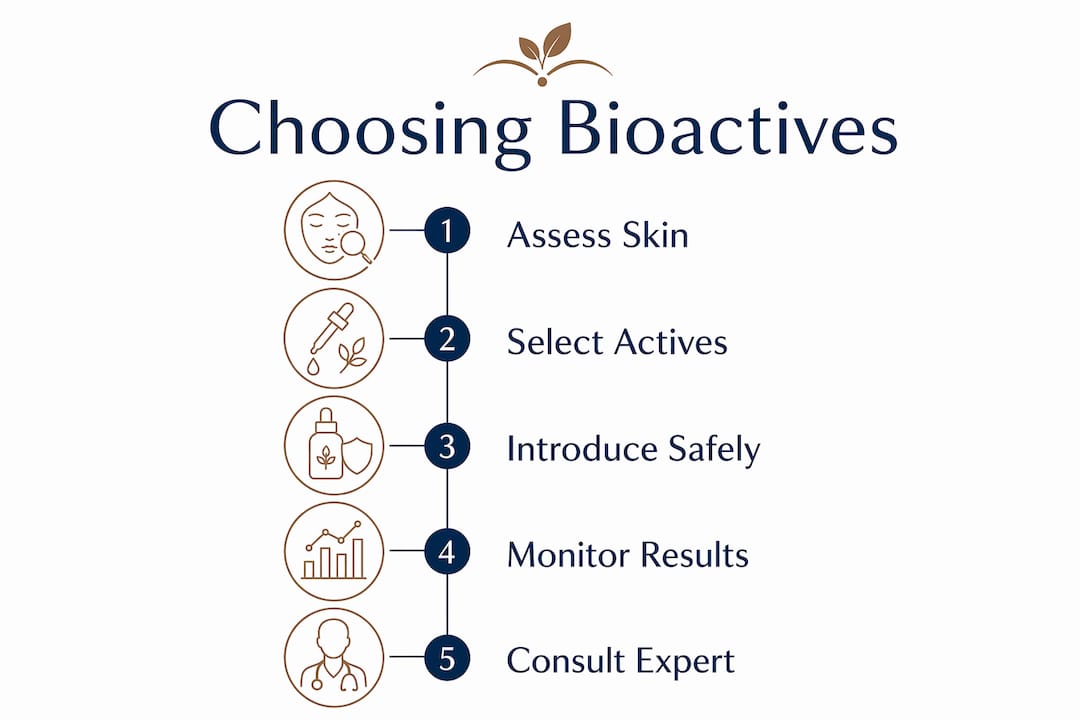
Before you buy anything, run through this checklist:
- Match to your skin type. Dry skin needs hydrating bioactives like hyaluronic acid; oily or acne-prone skin benefits from oil-regulating actives like niacinamide; sensitive skin calls for soothing, low-irritation ingredients.
- Check for clinical backing. Look for ingredients with published studies, not just marketing claims.
- Assess formulation stability. Vitamin C, for example, degrades quickly in unstable formulas. Encapsulated or anhydrous forms last longer and penetrate better.
- Plan a gradual introduction. Potent actives like retinoids and AHAs require patch testing first, then a slow build from two to three times per week.
- Repair your barrier before adding actives. A compromised skin barrier blocks absorption and makes even the best bioactives ineffective.
What are bioactive ingredients and how do they work?
Bioactive ingredients are compounds that trigger changes at a cellular level to improve skin, such as boosting collagen, reducing inflammation, restoring hydration, and protecting against environmental damage. They don’t just sit on the surface. They interact with skin receptors and spark biological processes, which is what separates them from filler ingredients that feel pleasant but do nothing lasting.
Sources range from plant extracts and fermented botanicals to lab-synthesized peptides and acids. Common categories include:
- Peptides: Short amino acid chains that signal fibroblasts to produce more collagen, directly addressing sagging and fine lines.
- AHAs and BHAs: Alpha and beta hydroxy acids that exfoliate dead skin cells, unclog pores, and improve texture. Glycolic acid (an AHA) and salicylic acid (a BHA) are the most studied.
- Antioxidants: Vitamin C, vitamin E, and polyphenols from green tea neutralize free radicals and protect against UV and pollution damage.
- Retinoids: Vitamin A derivatives that accelerate cell turnover, reduce pigmentation, and stimulate collagen. Among the most clinically validated actives in dermatology.
- Humectants: Hyaluronic acid draws water into the skin and supports barrier function.
- Ceramides and fatty acids: Lipid-based actives that rebuild the skin’s protective barrier layer.
Stability and delivery matter as much as the ingredient itself. Many bioactives lose efficacy if improperly formulated; encapsulation technology protects fragile actives and ensures they reach the correct skin layer before releasing. A vitamin C serum with no stabilization is essentially decorative.
Which bioactive ingredients suit your skin type?
Skin type is the single most useful filter when choosing effective skincare. The wrong active for your skin type can cause more damage than doing nothing at all.
Dry skin
Hyaluronic acid is the foundation. It hydrates and maintains the skin barrier, and its decline with age accelerates dehydration, fine lines, and loss of elasticity. Layer it under richer moisturizers to lock in water. Ceramides and omega fatty acids rebuild the lipid barrier and reduce transepidermal water loss.
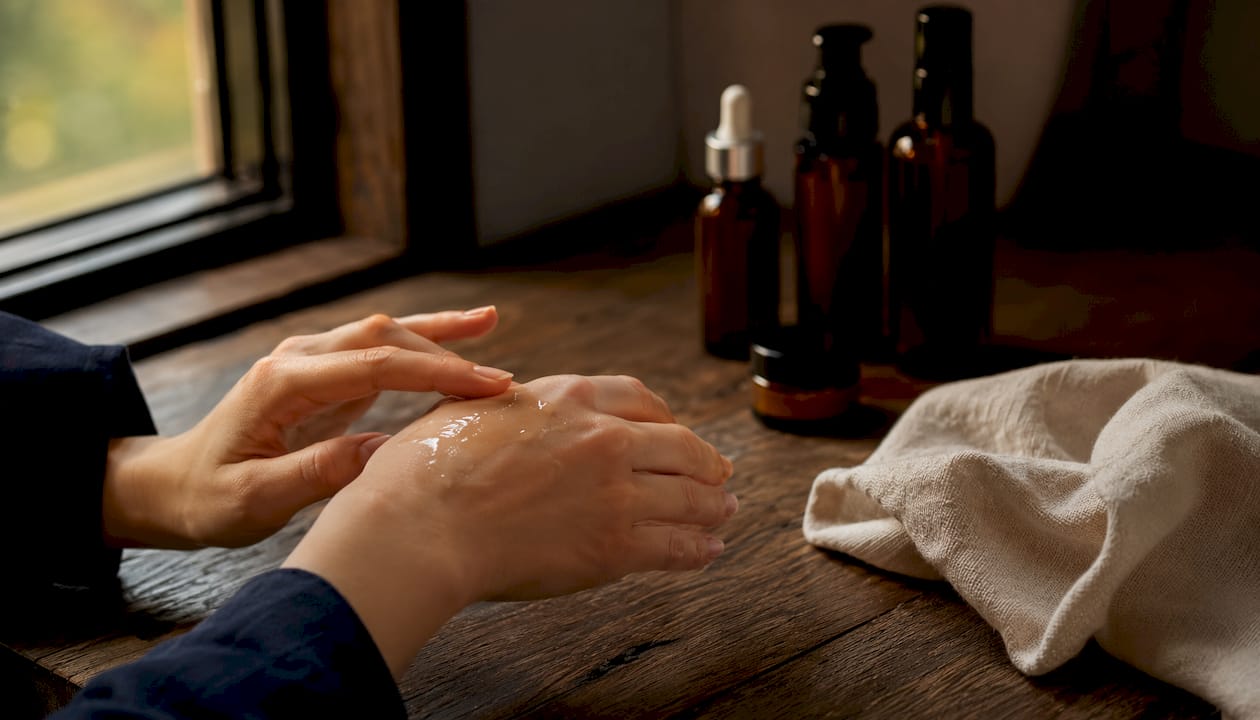
Dry skin should avoid high concentrations of exfoliating acids or retinol without a hydrating buffer. If you use retinol, apply a hyaluronic acid serum first to reduce dryness and irritation. Follow exfoliation with a hydrating moisturizer to soothe and maintain moisture levels.
Oily and acne-prone skin
Niacinamide (vitamin B3) is the standout choice. It reduces inflammation, regulates sebum production, minimizes pore appearance, and fades post-acne dark spots. AHAs like glycolic acid and BHAs like salicylic acid clear dead cell buildup that leads to blocked pores and breakouts.
Bakuchiol, a plant-derived retinol alternative, delivers similar cell-turnover benefits without the irritation that worsens oily skin. Avoid heavy occlusive oils and physical scrubs with sharp particles, which strip the barrier and trigger a rebound oil surge.
Sensitive skin
Aloe vera and green tea polyphenols are the workhorses here. Aloe soothes, retains moisture, and supports collagen production. Green tea’s methylxanthines reduce redness and calm inflammation. Both are gentle enough for daily use.
Sensitive skin should avoid strong acids and retinoids unless used at very low concentrations with recovery time between applications. Bakuchiol again earns its place as a gentler option for those who want anti-aging benefits without the risk of a flare. When in doubt, fewer actives at lower concentrations outperform an aggressive multi-acid routine.
How does the skin microbiome affect your skincare choices?
The skin microbiome, the community of bacteria, fungi, and other microorganisms living on your skin, is critical for repair, hydration, and protection. A balanced microbiome keeps pathogens in check, supports the skin barrier, and regulates immune responses. Disrupt it, and you get increased sensitivity, dryness, and a higher risk of conditions like eczema and acne.
Several factors damage microbiome balance: over-cleansing, harsh surfactants, overuse of antibacterial ingredients, and aggressive exfoliation. Ironically, some of the most popular actives, used too frequently, contribute to this disruption.
Bioactives that support microbiome health include:
- Prebiotics: Feed beneficial bacteria on the skin surface, helping them outcompete harmful strains.
- Postbiotics: Fermented byproducts that have anti-inflammatory and antimicrobial properties without disrupting microbial diversity.
- Niacinamide: Beyond oil control, it strengthens the barrier and reduces the inflammatory signals that destabilize the microbiome.
- Aloe vera: Its antimicrobial properties target harmful bacteria without broad-spectrum disruption.
When choosing a bioactive skincare selection guide for microbiome health, look for formulas with a skin-compatible pH (around 4.5–5.5), free from alcohol-heavy bases and synthetic fragrances that strip the microbiome. Products that combine barrier-repairing lipids with prebiotic or postbiotic actives offer the most complete support.
What are the next-generation bioactive ingredients worth watching?
The frontier of bioactive skincare is moving fast, and a few categories stand out as genuinely backed by science rather than marketing hype.
Peptides remain the most clinically active area. New peptide research focuses on signal peptides that mimic the body’s own collagen-stimulating signals, carrier peptides that deliver copper and manganese to wound-healing sites, and neurotransmitter-inhibiting peptides that relax expression lines. Cellure’s formulations use peptides specifically for lifting and volumizing, targeting the structural proteins that decline with age.
Adaptogens are plant extracts that help skin respond to stress more effectively. Ingredients like ashwagandha and rhodiola reduce cortisol-driven inflammation and support the skin’s resilience against UV, pollution, and temperature changes. MossCellTec™ No. 1, derived from biotechnologically produced Physcomitrella patens moss, activates genes responsible for nuclear envelope structure and cellular transport, improving hydration and barrier function after two weeks of use.
Marine bioactives represent another growing category. ASPAR’AGE™, derived from the red algae Asparagopsis armata, reduces cellular senescence signals and supports pro-collagen type I synthesis, addressing aging at the level of individual cell communication.
Encapsulation and delivery advances matter as much as the ingredients themselves. Liposomal delivery, time-release microspheres, and nano-encapsulation protect unstable actives and improve penetration depth. Clinical and stability testing confirm whether a formula actually delivers its claims over its shelf life, which is the standard any serious bioactive product should meet.
How to introduce bioactive skincare safely
The biggest mistake people make with bioactive skincare is starting with too much, too fast. Potent actives like retinoids and AHAs need time to build tolerance, and patch testing before full application is non-negotiable.
Follow this sequence:
- Patch test first. Apply a small amount to your inner arm or behind your ear for 24–48 hours before using on your face.
- Start at low frequency. Use new bioactives one to two times per week, then gradually increase to daily use as your skin adjusts.
- Introduce one active at a time. Adding multiple new ingredients simultaneously makes it impossible to identify what’s causing a reaction.
- Avoid known conflict pairings. Retinol and vitamin C compete and can cause irritation when used together. Retinol and AHAs/BHAs together over-exfoliate. Niacinamide and vitamin C can reduce each other’s effectiveness when layered directly.
- Use sunscreen every day. Retinoids, AHAs, BHAs, and even vitamin C increase photosensitivity. Daily SPF 30 or higher is mandatory when using these actives.
- Apply exfoliating actives at night. This reduces sun sensitivity risk and allows cell renewal to work during the skin’s natural overnight repair cycle.
Pro Tip: Prioritize synergy over quantity. Two actives targeting different parts of the same biological pathway will outperform five actives competing for the same receptor. Ingredient synergy produces better results than stacking more products.
How to integrate bioactive products into your existing routine
Adding bioactives to an established routine requires a clear layering strategy, not a complete overhaul. The general rule is thinnest to thickest: water-based serums go on cleansed skin first, followed by thicker treatments, then moisturizer, and finally SPF in the morning.
Start by identifying what your current routine already contains. If you’re already using a vitamin C serum in the morning, don’t add a retinoid to the same session. Slot retinoids and exfoliating acids into your evening routine, and keep antioxidants like vitamin C and green tea for morning protection. Hyaluronic acid and aloe vera work at any time of day without conflicting with other actives.
Replace rather than add when possible. Swapping a basic moisturizer for one containing ceramides and niacinamide gives you barrier repair and oil control without adding a new step. Cellure’s approach to serum layering follows this logic: each product in a routine should serve a distinct function, not duplicate what another product already does.
Give new additions at least four weeks before judging results. Bioactives work at the cellular level, and visible changes in texture, tone, and firmness take time. Track one or two indicators, like hydration or redness, rather than expecting a complete transformation in two weeks.
When should you consult a dermatologist before using bioactives?
A dermatologist visit is worth scheduling before you start bioactives if you have a diagnosed skin condition, a history of allergic reactions to skincare, or if you’re pregnant or breastfeeding. Retinoids, in particular, are contraindicated during pregnancy, and a dermatologist can recommend safe alternatives.
For anyone dealing with active rosacea, eczema, or psoriasis, self-selecting potent actives carries real risk. These conditions involve a compromised or hyperreactive barrier, and introducing AHAs or high-concentration retinoids without guidance can trigger a significant flare. A board-certified dermatologist can run patch testing under controlled conditions and recommend prescription-strength actives when over-the-counter options aren’t enough.
Even without a diagnosed condition, a professional consultation helps you avoid the trial-and-error cycle that wastes money and stresses your skin. Dermatologists can assess your barrier function, identify sensitivities you may not be aware of, and build a routine around your actual biology rather than your best guess. The American Academy of Dermatology recommends consulting a dermatologist before starting any new active ingredient regimen if you have sensitive or reactive skin.
Cellure’s Complete Skin Repair Kit brings together clinically supported bioactives, including peptides and barrier-repairing actives, formulated for cellular renewal without the irritation that comes from poorly matched ingredients. If you’re ready to move from guesswork to a routine grounded in regenerative science, it’s a strong starting point.
Key Takeaways
Choosing bioactive skincare effectively means matching clinically proven, stable ingredients to your skin type, introducing them gradually, and prioritizing formulas where ingredients work together rather than compete.
| Point | Details |
|---|---|
| Match ingredients to skin type | Hyaluronic acid for dry skin, niacinamide for oily or acne-prone skin, aloe vera for sensitive skin. |
| Prioritize formulation quality | Bioactives must be stable, correctly delivered, and clinically tested to work as claimed. |
| Introduce actives gradually | Patch test first, start at one to two times per week, and add one new active at a time. |
| Support the skin microbiome | Choose formulas with a skin-compatible pH and prebiotic or postbiotic actives to protect barrier health. |
| Use ingredient synergy | Two actives targeting different parts of the same pathway outperform a stack of competing ingredients. |